
Alphabet Tracing Worksheets In Spanish are essential resources for educators and parents aiming to support young learners in developing their writing skills. These worksheets provide a structured way for children to practice tracing letters, which is crucial for building fine motor skills and letter recognition. This guide will help you understand the importance of these worksheets, how to effectively use them, and what to consider when selecting the right resources for your classroom or homeschool.
Importance of Alphabet Tracing Worksheets In Spanish
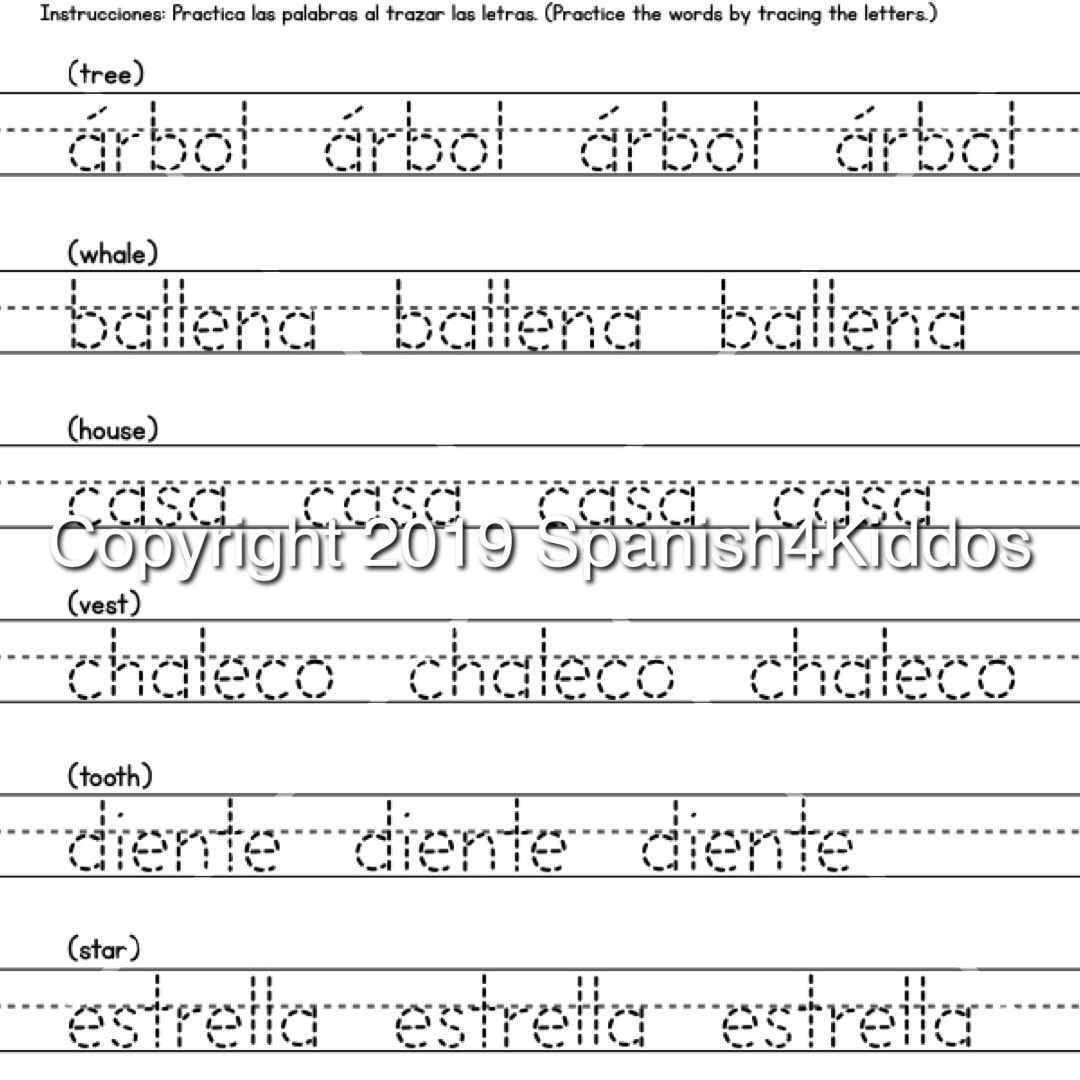
Tracing letters is a foundational skill for early literacy. Alphabet Tracing Worksheets In Spanish not only help children learn the shapes and sounds of letters but also encourage proper writing techniques. By practicing tracing, children can develop muscle memory, which is vital for writing fluency. This resource is particularly beneficial for bilingual learners or those learning Spanish as a second language, as it reinforces both language skills and writing abilities.
Using these worksheets consistently can lead to better handwriting and increased confidence in writing. They are suitable for preschool and early elementary students, typically aged 3-7, who are beginning to learn the Spanish alphabet.
Features to Look For in Alphabet Tracing Worksheets In Spanish
When selecting Alphabet Tracing Worksheets In Spanish, consider the following features to ensure they meet your educational needs:
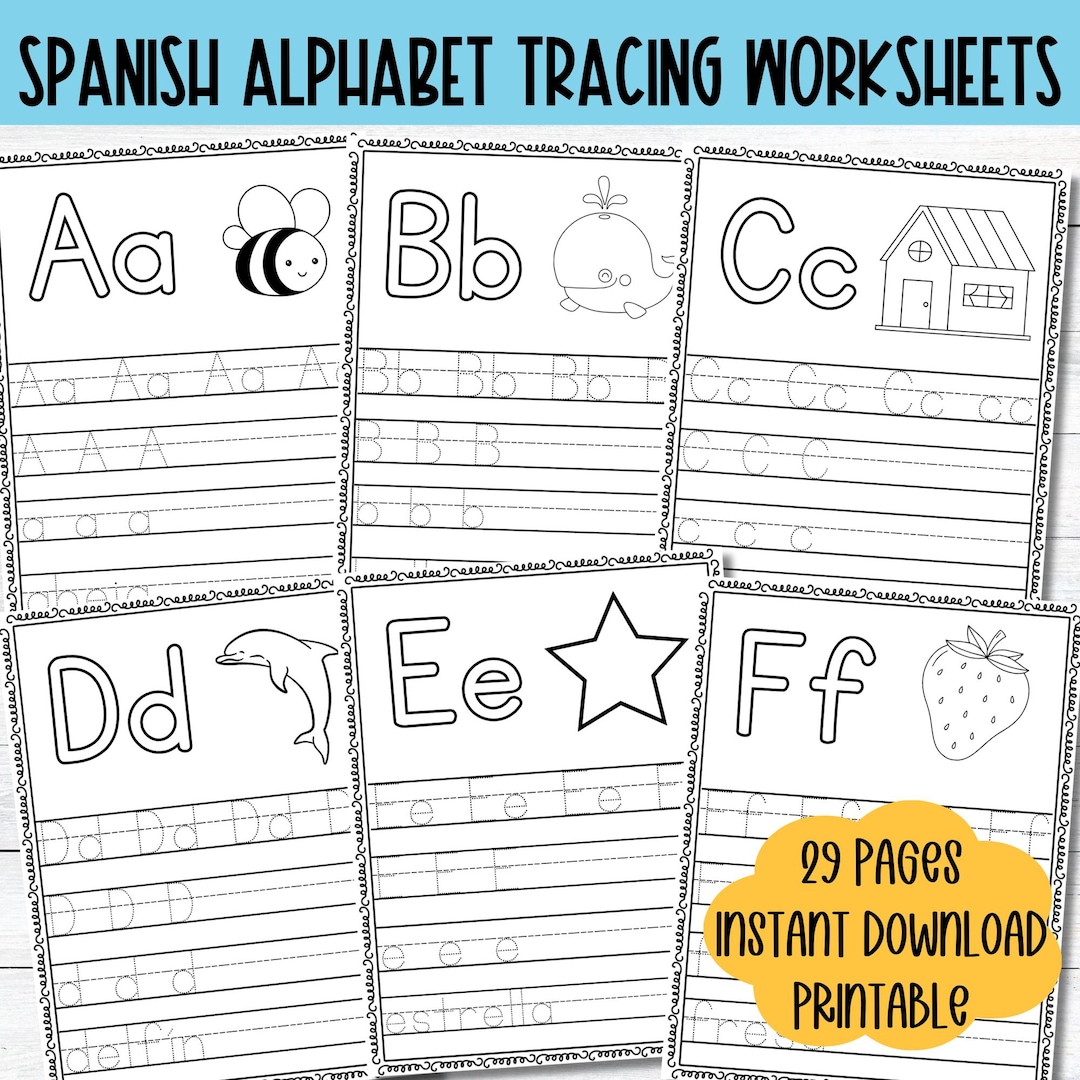
- Letter Format: Look for worksheets that include both uppercase and lowercase letters. This will provide a comprehensive learning experience.
- Guided Tracing: Worksheets should have clear, dashed lines for children to trace over. This helps them understand the proper formation of each letter.
- Visual Aids: Incorporating images or words that start with the corresponding letter can enhance learning. For instance, a picture of an ‘elefante’ next to the letter ‘E’ reinforces vocabulary.
- Variety of Activities: Some worksheets may include additional activities like coloring, matching, or filling in missing letters. This variety keeps children engaged and reinforces learning in different ways.
How to Use Alphabet Tracing Worksheets In Spanish Effectively
To maximize the benefits of Alphabet Tracing Worksheets In Spanish, consider integrating them into a structured learning routine. Here are some practical tips:
- Daily Practice: Set aside a specific time each day for tracing practice. Consistency is key to developing writing skills.
- Themed Weeks: Organize your lessons around themes. For example, focus on animals one week and fruits the next. This can make learning more relatable and fun.
- Spacing Practice: Instead of completing worksheets in one sitting, spread them out over the week. This repetition helps reinforce letter recognition and writing skills.
- Incorporate Technology: If available, use tablets or computers to access interactive tracing apps that complement the worksheets. This can add a modern twist to traditional learning.
Where to Find Printable Alphabet Tracing Worksheets In Spanish
Numerous resources are available for downloading Alphabet Tracing Worksheets In Spanish. Here are some reliable places to find them:
- Educational Websites: Websites dedicated to early childhood education often have free printable resources. Look for sections specifically for Spanish language learning.
- Teacher Resource Platforms: Sites like Teachers Pay Teachers offer a wide range of worksheets created by educators. Many are available for free or at a low cost.
- Homeschooling Blogs: Many homeschooling parents share their resources online, including worksheets they’ve created or found useful. These can be a treasure trove of materials.
Tips for Printing and Using Worksheets
When preparing to use Alphabet Tracing Worksheets In Spanish, keep the following tips in mind for optimal results:
- Paper Quality: Use heavier paper or cardstock if you plan to laminate the worksheets. This will make them more durable, especially for repeated use.
- Print Settings: Adjust your printer settings to ensure the worksheets print clearly. Selecting a high-quality print option can help with visibility, especially for younger learners.
- Lamination: Laminate the worksheets for long-term use. This allows children to use dry-erase markers for tracing, making it easy to wipe clean and reuse.