
Using Alphabet Tracing Worksheets For Toddlers can significantly enhance early literacy skills and provide a strong foundation for writing. These worksheets are specifically designed to help young learners practice their letter formation in a fun and engaging way. Unlike other resources, these worksheets offer a structured approach that blends visual learning with hands-on practice, making them ideal for both classroom settings and home use.
Understanding the Importance of Tracing for Toddlers
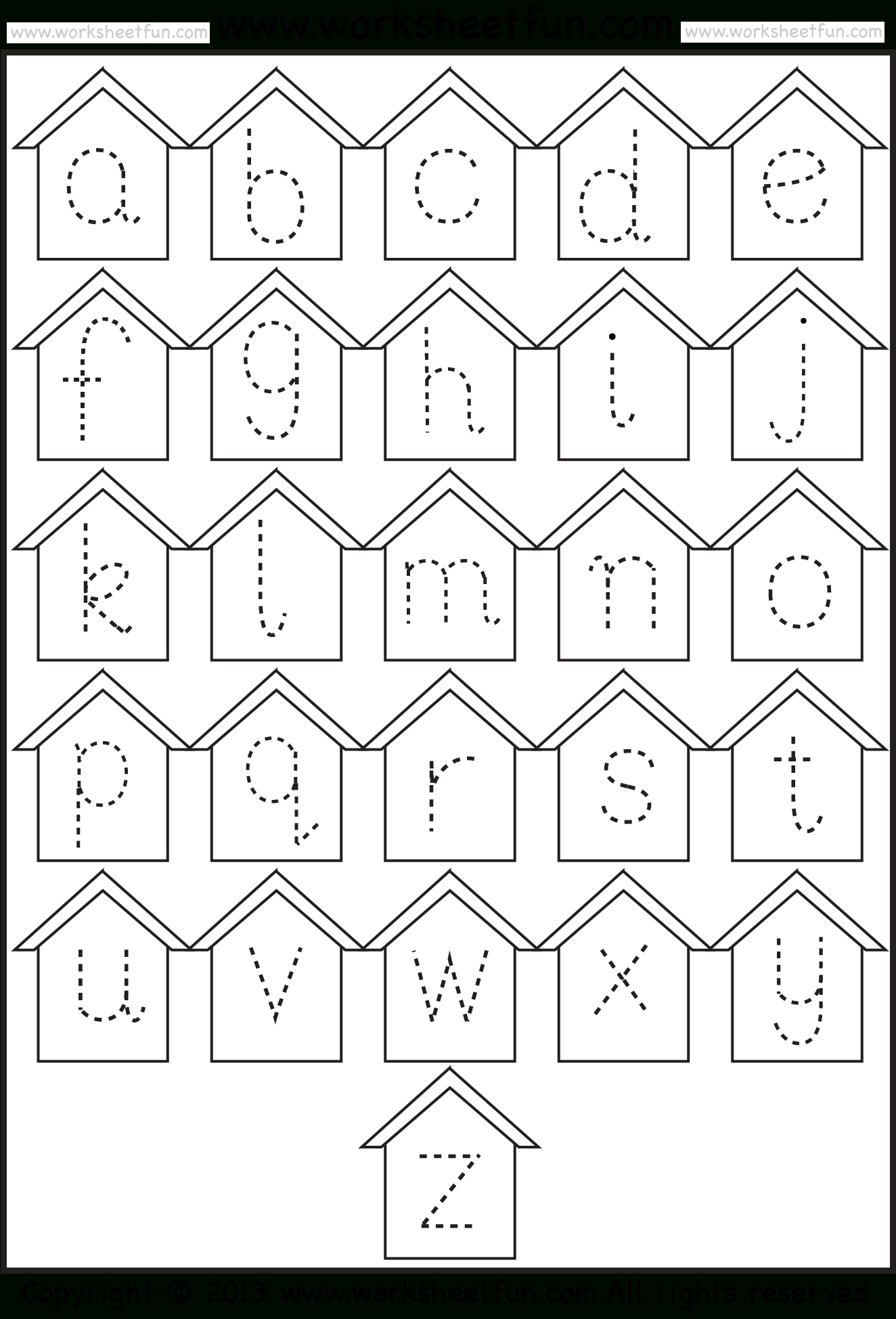
Tracing letters is a vital skill that helps toddlers develop fine motor skills, hand-eye coordination, and an understanding of letter shapes. When children trace letters, they are not only practicing how to form each letter but also reinforcing their memory of the alphabet. This dual approach allows them to connect the shape of the letter with its sound, which is crucial for later reading and writing.
By using Alphabet Tracing Worksheets For Toddlers, you provide a clear and focused method for teaching these essential skills. The act of tracing offers sensory feedback, which is beneficial for young learners. As they trace, they can feel the movement of their hands and see the letters take shape, reinforcing their learning process.
Features of Effective Alphabet Tracing Worksheets
When selecting or creating Alphabet Tracing Worksheets For Toddlers, consider the following features that can enhance the learning experience:
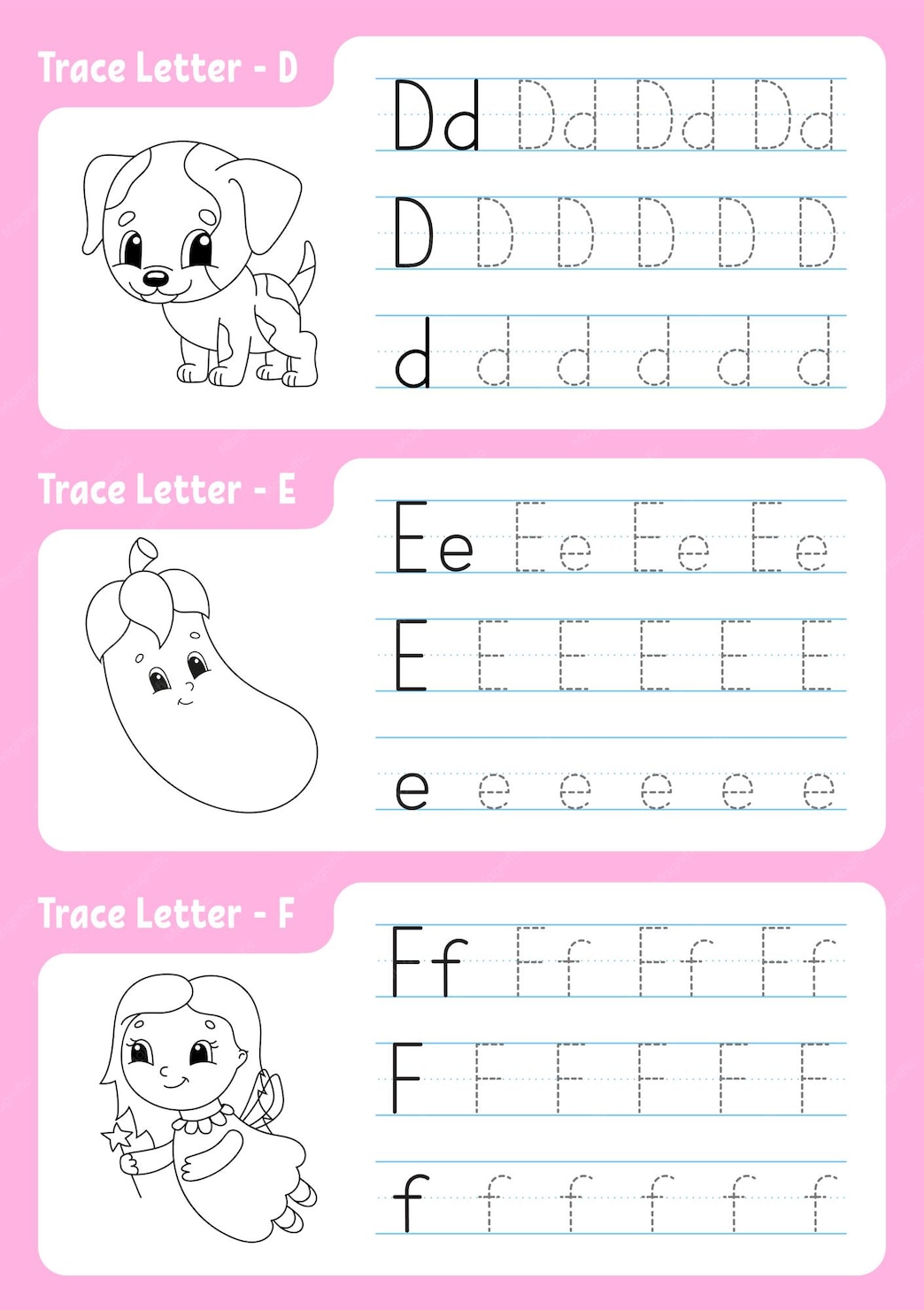
- Clear Letter Formation: Each letter should be presented in a way that clearly shows how it is formed. Using dotted lines for tracing can help guide young children in the correct motion.
- Visual Aids: Incorporating images that correspond to each letter can help reinforce the sound of the letter. For example, an apple for “A” or a ball for “B” can provide a visual context that aids memory.
- Variety of Activities: Including different types of tracing activities, such as uppercase and lowercase letters, and even simple words, can keep the worksheets engaging. This variety prevents monotony and keeps toddlers interested in learning.
- Progress Tracking: Worksheets that include a section for parents or teachers to track progress can be very useful. This could be a simple checkmark system to indicate which letters the child has mastered and which need further practice.
How to Use Alphabet Tracing Worksheets Effectively
To get the most out of Alphabet Tracing Worksheets For Toddlers, consider these practical tips for implementation:
- Start with Familiarity: Begin by introducing the letters in their name or words they frequently use. This personal connection can boost motivation.
- Use the Right Materials: For tracing, provide toddlers with pencils or crayons that are easy to grip. Some children may benefit from thicker pencils or markers designed for small hands.
- Establish a Routine: Incorporate tracing into a daily routine. A consistent practice time helps reinforce learning and establishes a habit.
- Make it Fun: Turn tracing into a game. You can use timers to challenge speed or incorporate songs that include the alphabet to make the activity lively and enjoyable.
- Provide Feedback: Encourage toddlers by praising their efforts. Offering constructive feedback can help them understand what they are doing well and where they need improvement.
Signs of Mastery in Tracing Letters
When using Alphabet Tracing Worksheets For Toddlers, it’s essential to know what mastery looks like. Here are some indicators to watch for:
- Consistent Letter Formation: As children practice, they should begin to form letters more consistently and with fewer errors. Look for proper start points and smooth movements.
- Speed and Confidence: With practice, toddlers should be able to trace letters more quickly and with increased confidence. They should also show enthusiasm for the activity.
- Ability to Write Independently: Eventually, toddlers should be able to write letters independently without tracing. This is a clear sign that they have internalized the letter shapes.
- Recognition of Letters: Mastery also includes recognizing letters out of the context of tracing. If a child can identify letters in books or on signs, it indicates that they are grasping the concept.
Printable Resources for Alphabet Tracing Worksheets
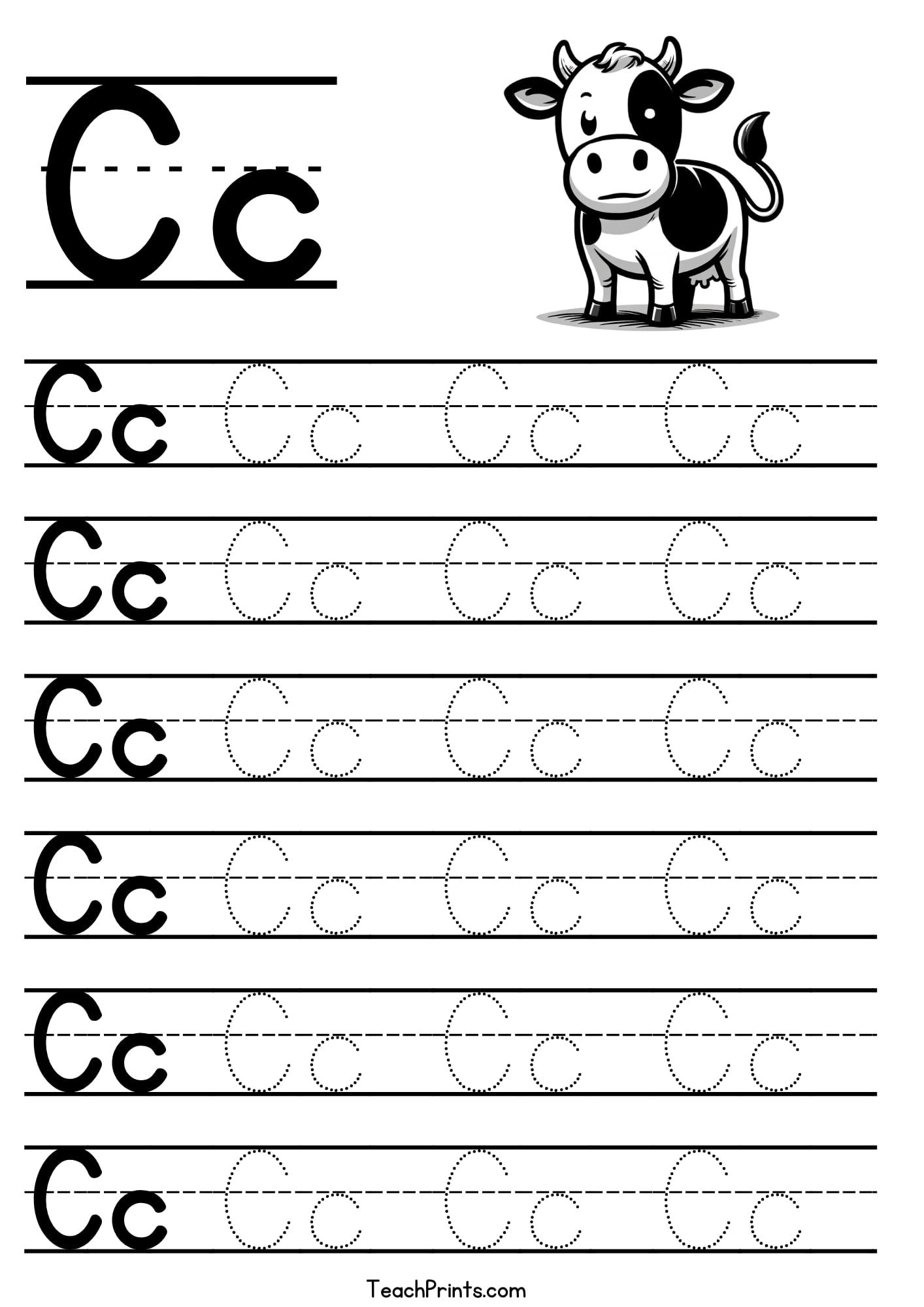
When it comes to finding Alphabet Tracing Worksheets For Toddlers, you can explore various printable resources that cater to different learning styles and preferences:
- Free Printable Websites: Many educational websites offer free downloadable worksheets that you can print at home. Look for sites that provide a variety of styles and formats.
- Customizable Templates: Some resources allow you to create customized worksheets tailored to your child’s needs. This flexibility can be particularly useful for addressing specific skills.
- Themed Worksheets: Seasonal or themed worksheets can make learning fun. For instance, using holiday-themed worksheets can engage toddlers during special times of the year.
- Laminated Versions: Consider printing worksheets on cardstock and laminating them for reuse. This approach saves paper and allows for dry-erase markers, making tracing a more interactive experience.
Using well-designed Alphabet Tracing Worksheets For Toddlers can significantly enhance a child’s early writing skills. The combination of visual aids, clear structure, and engaging activities fosters a love for learning while developing essential literacy skills. One practical detail to remember is that using colored paper for the worksheets can make them even more appealing to young learners, capturing their attention and encouraging them to practice more.