
Teaching young children how to write their letters can be a challenge. Many kids struggle with letter formation and often need additional practice outside of regular classroom hours. This is where Alphabet Tracing Worksheets For Kindergarten Individual come in handy. These worksheets provide a structured way for children to practice their letters, helping them build confidence and improve their handwriting skills.
Understanding the Importance of Tracing Worksheets
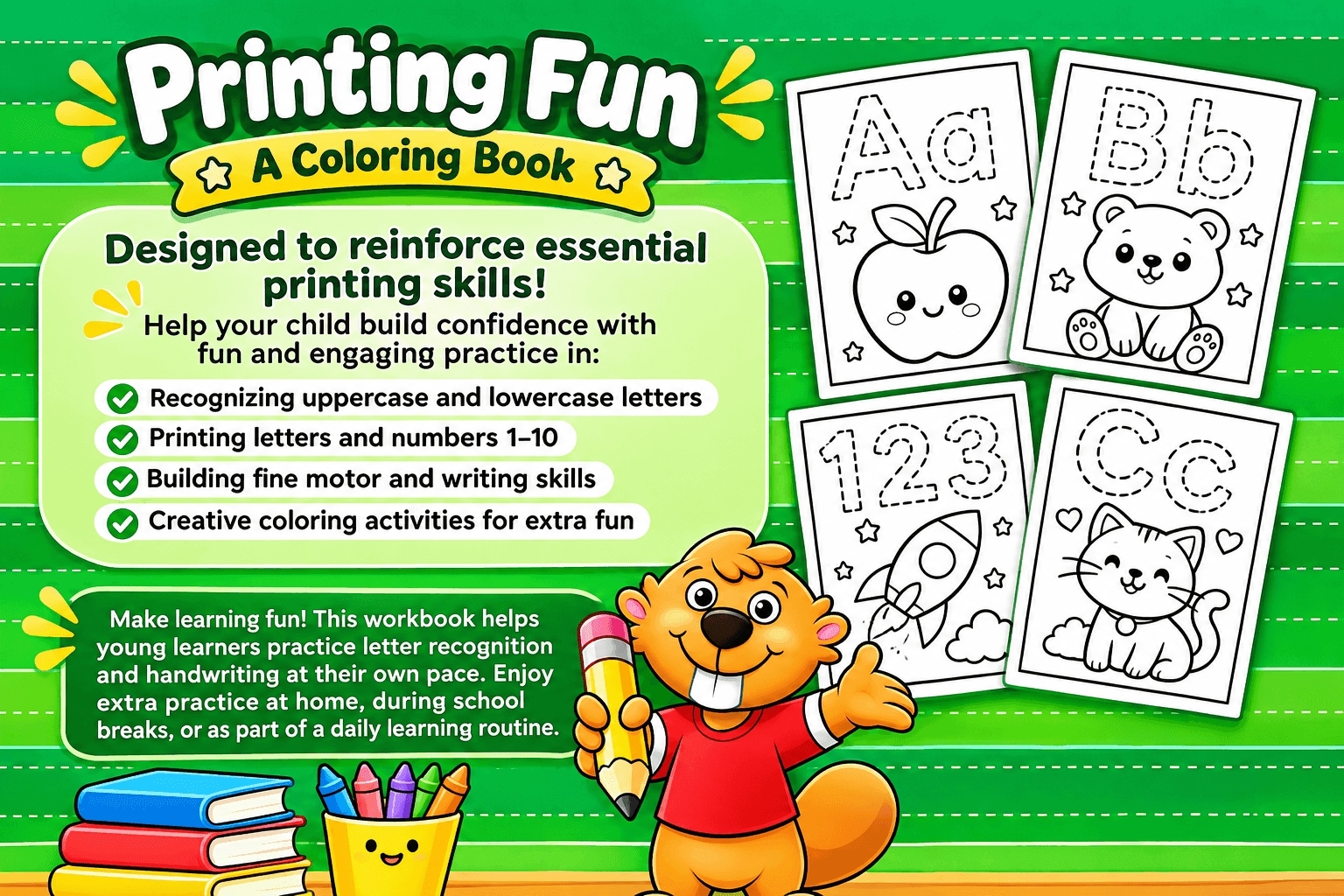
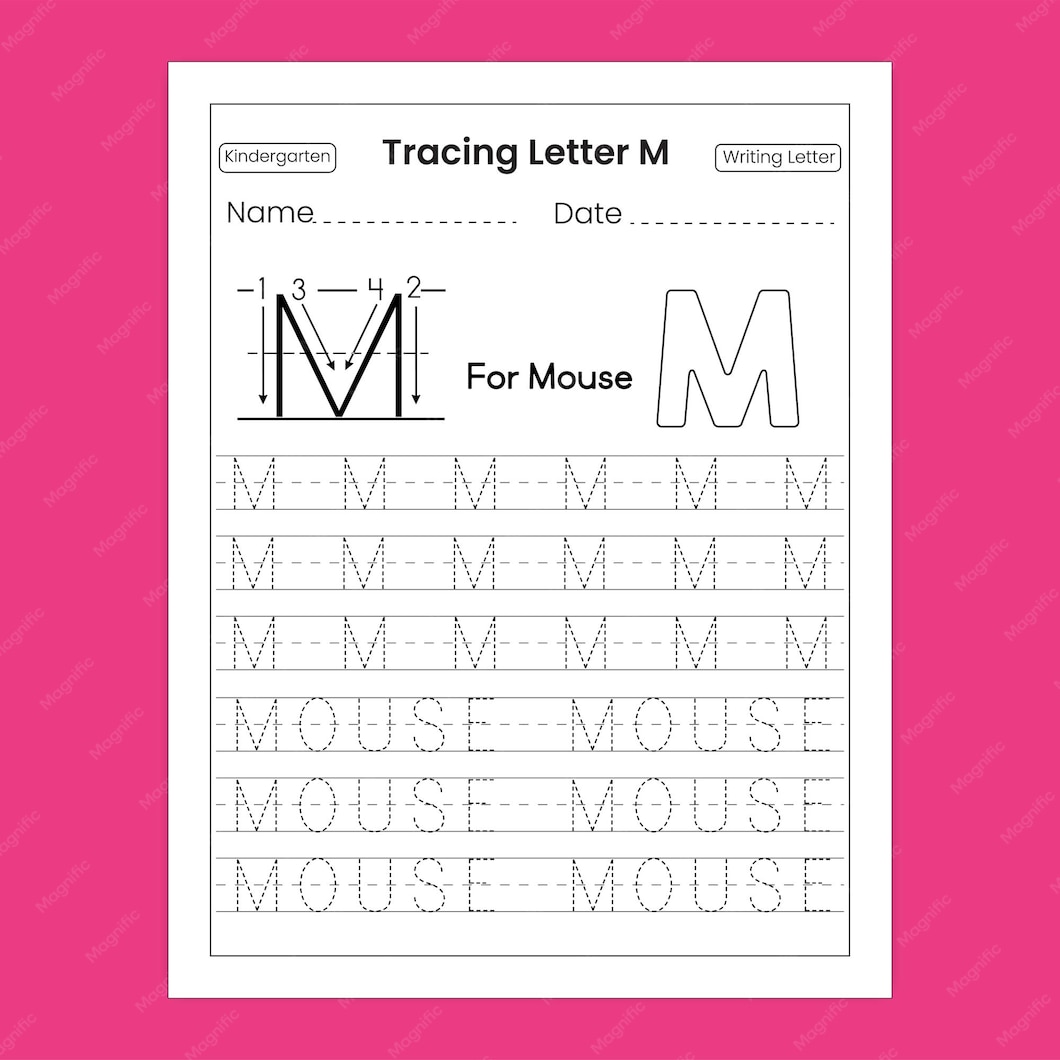
Tracing worksheets are essential tools in early childhood education. They help children develop fine motor skills, which are crucial for their overall handwriting abilities. As kids trace letters, they learn to control their hand movements, which lays the groundwork for writing independently later on.
Additionally, these worksheets can enhance letter recognition. As children trace each letter, they become more familiar with their shapes and sounds, promoting literacy skills that are vital for their academic journey. Alphabet Tracing Worksheets For Kindergarten Individual specifically cater to this need, enabling personalized practice for each child.
Choosing the Right Worksheets
When it comes to selecting Alphabet Tracing Worksheets For Kindergarten Individual, consider the following factors:
- Letter Variety: Look for worksheets that cover both uppercase and lowercase letters. This ensures that children get a comprehensive understanding of the alphabet.
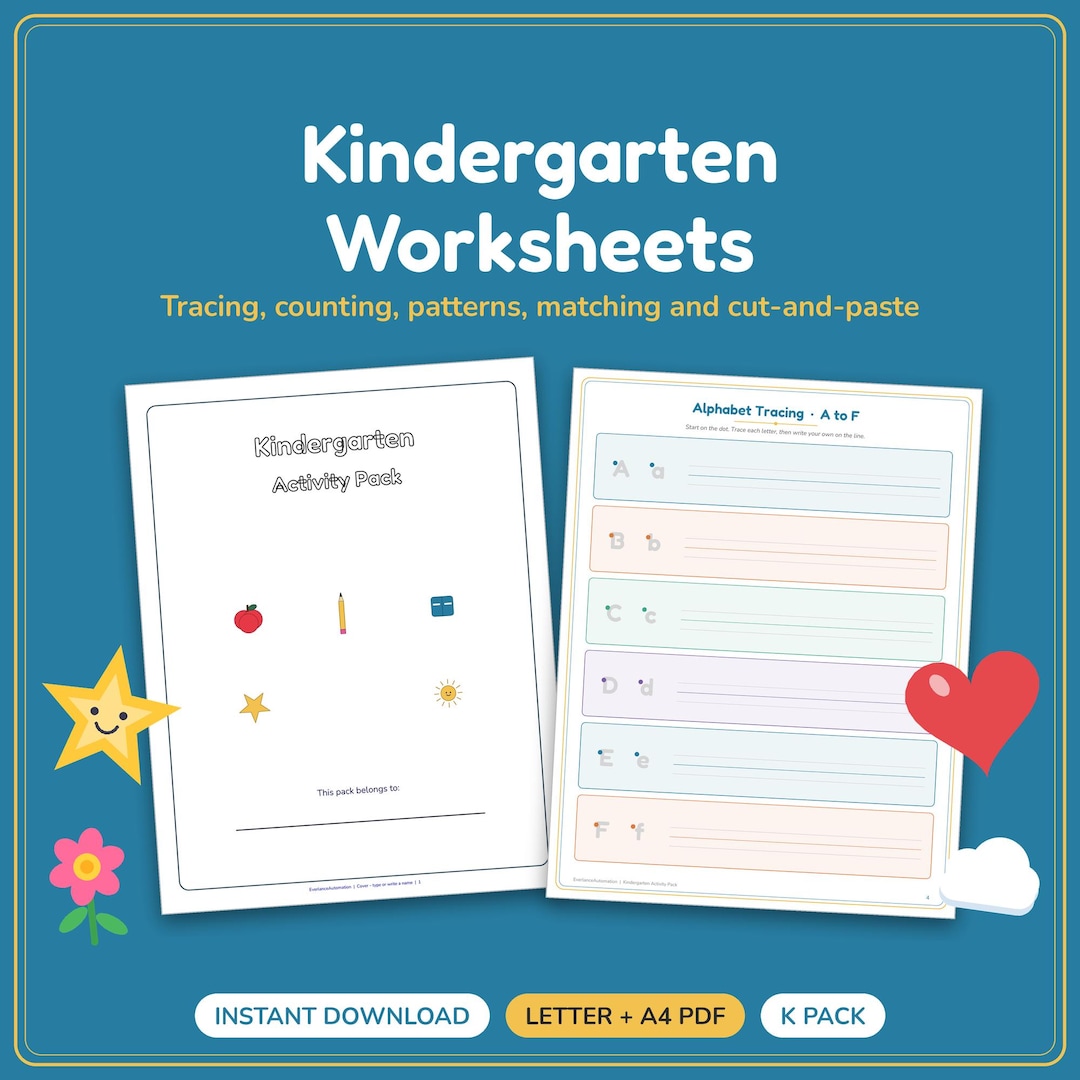
- Design and Layout: Choose worksheets that have a clear, easy-to-follow design. Simple outlines of letters with dotted lines are ideal for young learners.
- Downloadable Format: Ensure the worksheets are available in a printable format, such as PDF, to avoid formatting issues when printing.
- Age Appropriateness: Confirm that the worksheets are designed for kindergarten-level learners. This guarantees that the content is suitable for their developmental stage.
Downloading and Printing Your Worksheets
Once you’ve selected the appropriate Alphabet Tracing Worksheets For Kindergarten Individual, the next step is to download and print them. Here’s how to do it effectively:
- Download: Click on the download link provided on the website. Make sure to save the file in a location that’s easy to access later.
- Print Settings: When printing, use standard letter-sized paper (8.5 x 11 inches). This size is compatible with most home printers. If you plan to laminate the worksheets for repeated use, consider using cardstock for durability.
- Select Portrait Orientation: Portrait layout tends to work better for most home printers, ensuring the worksheets fit well on the page.
- Check Print Preview: Always preview the print settings to make sure everything appears as expected before printing.
Setting Up for Use
After printing your worksheets, it’s essential to set up a conducive learning environment. Here are some tips for effective use:
- Create a Writing Station: Designate a specific area where your child can focus on their writing. Include comfortable seating, adequate lighting, and all necessary supplies like pencils, crayons, and erasers.
- Incorporate Fun Elements: Make the learning experience enjoyable. You could introduce colorful markers or stickers as rewards for completed worksheets.
- Schedule Regular Practice: Consistency is key when it comes to developing writing skills. Set aside a specific time each day for tracing practice, making it a fun part of the routine.
Using the Worksheets Effectively
To maximize the benefits of Alphabet Tracing Worksheets For Kindergarten Individual, here are some practical strategies:
- Model the Activity: Demonstrate how to trace the letters first. Show your child how to hold the pencil correctly and guide them through the process.
- Encourage Independence: Once your child feels comfortable, allow them to try tracing the letters on their own. This builds confidence and reinforces their learning.
- Mix It Up: To keep things interesting, alternate between tracing worksheets and other activities like coloring or letter games. This variety helps maintain engagement.
- Provide Feedback: Offer constructive feedback on their progress. Celebrate their successes, no matter how small, to encourage continued effort.
- Revisit Difficult Letters: If your child struggles with specific letters, revisit those worksheets more frequently until they gain proficiency.
Additional Resources for Enhanced Learning
While Alphabet Tracing Worksheets For Kindergarten Individual are valuable, consider supplementing them with other resources for a well-rounded approach:
- Storybooks: Reading books that emphasize letters or words can reinforce what they learn through tracing.
- Interactive Apps: There are many educational apps that focus on letter recognition and writing skills, providing a fun, interactive way to learn.
- Hands-On Activities: Incorporate activities like playdough letter shaping or sandpaper letters to give your child tactile experiences with letters.
Final Tips for Success
Encouraging young learners to practice their letters can be a rewarding experience for both parents and teachers. The key is to keep the process engaging and supportive. Remember, patience is essential. Every child learns at their own pace, and the goal is to make learning enjoyable.
One effective tip is to create a reward system for completed worksheets. Simple stickers or a fun chart can motivate your child to complete their tracing activities consistently. This small addition can make a significant difference in their enthusiasm for learning!