
Alphabet tracing worksheets for adults can be an invaluable resource for anyone looking to improve their handwriting or develop better penmanship skills. These worksheets offer structured practice, allowing users to trace letters and gradually enhance their writing abilities. Whether you are an educator, a parent, or an adult learner, these worksheets can be a practical addition to your toolkit.
Understanding the Purpose of Alphabet Tracing Worksheets
Tracing letters is not just for young children; adults can benefit immensely from this practice as well. Alphabet tracing worksheets provide a clear, repetitive structure that helps reinforce muscle memory, which is crucial for developing fine motor skills. This method is effective for various reasons:
- Skill Improvement: Regular practice with tracing worksheets can lead to noticeable improvements in handwriting quality.
- Cognitive Engagement: Tracing letters engages both visual and motor skills, making it a comprehensive learning experience.
- Stress Relief: Many adults find tracing to be a calming activity, similar to coloring, providing a meditative space to focus.
Choosing the Right Worksheets
When selecting alphabet tracing worksheets for adults, consider the following factors:
Format and Design
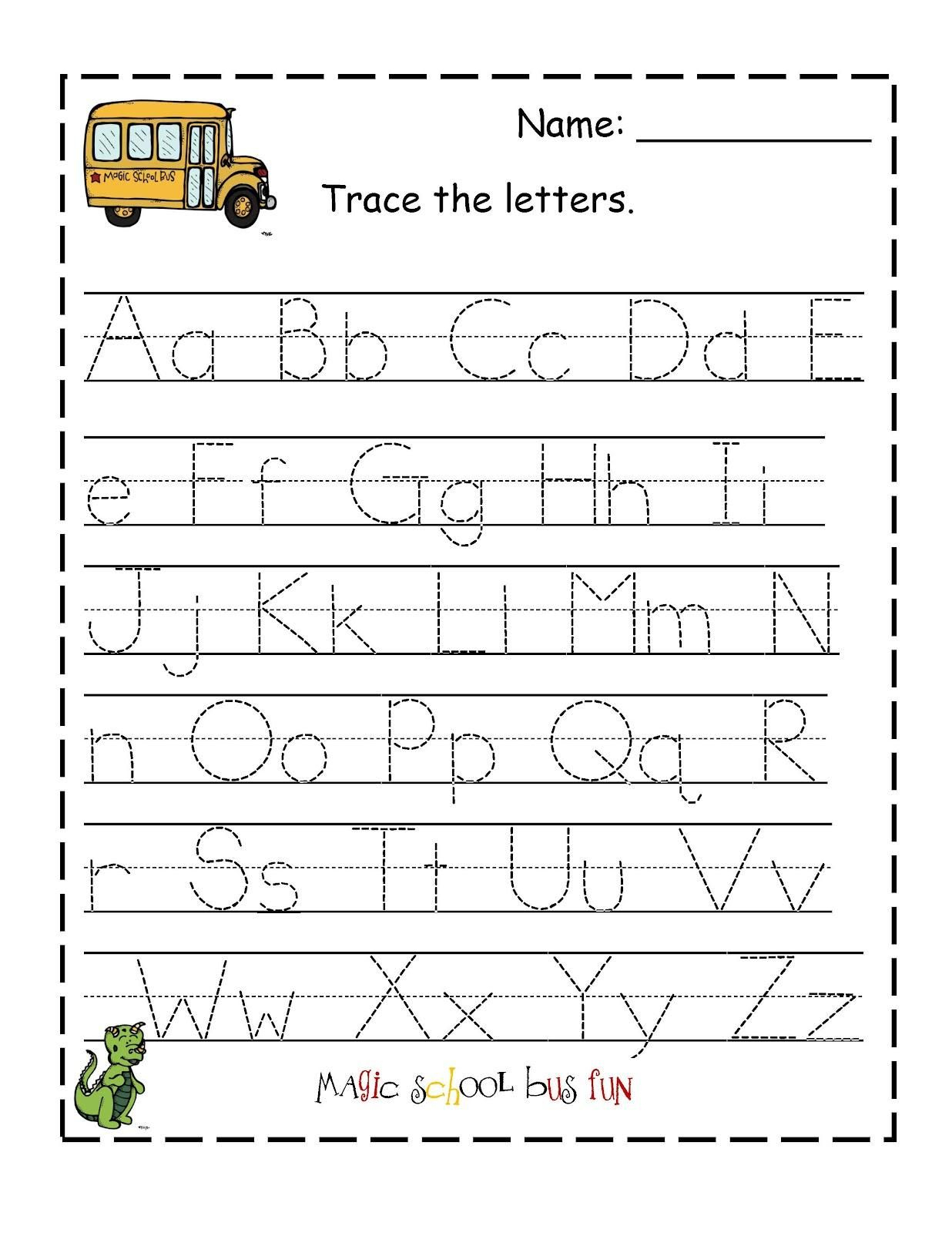
Worksheets come in various formats—some are designed for printing, while others may be available as digital downloads. Look for options that are easy to print without formatting issues. PDFs are usually the best choice, as they maintain their layout across different devices.
Level of Difficulty
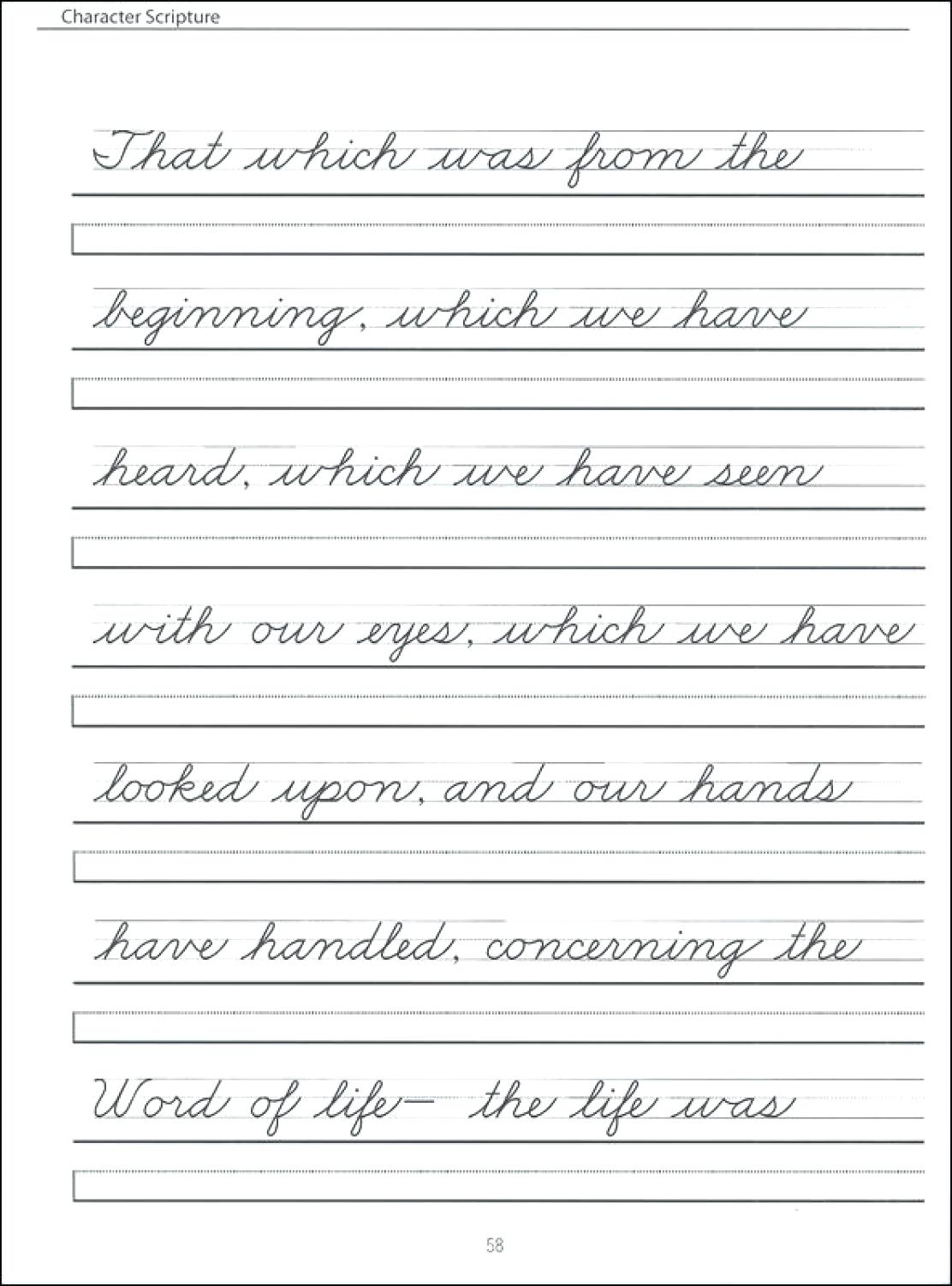
Not all worksheets are created equal. Some may focus on basic letter shapes, while others may include cursive or more complex lettering styles. Choose worksheets that match the skill level of the user. For beginners, worksheets that start with uppercase letters may be beneficial, while more advanced users can practice lower case or cursive writing.
Printable Options
Ensure that the worksheets are printable in a standard size, such as letter (8.5 x 11 inches), which is compatible with most home printers. Portrait layout typically works better for tracing worksheets, as it allows for vertical letter orientation, making it easier to trace.
How to Use Alphabet Tracing Worksheets Effectively
Using alphabet tracing worksheets for adults can be straightforward and effective with the right approach:
Step-by-Step Practice
- Start Slow: Begin with a few letters each session to avoid feeling overwhelmed. For example, focus on tracing A, B, and C before moving on to the next set.
- Use the Right Tools: A quality pen or pencil can make a significant difference. Consider using pens with a comfortable grip to facilitate smoother writing.
- Set Up a Routine: Designate a specific time each day for practice. Consistency is key when it comes to developing new skills.
Independent Practice
The design of these worksheets should allow for independent use. This means that clear instructions and plenty of space for tracing should be included. Make sure that the worksheets are user-friendly so that learners can work through them without needing constant supervision.
Tracking Progress
Encourage users to keep track of their progress. This can be as simple as marking completed worksheets or noting improvements in letter formation over time. Regularly reviewing past work can also help identify areas that need more focus.

Additional Resources to Enhance Learning
While alphabet tracing worksheets for adults are a great starting point, they can be complemented with other resources for even more effective learning:
Writing Prompts
Consider incorporating writing prompts alongside tracing worksheets. This encourages users to practice letters in context, reinforcing their learning. For example, after tracing a letter, a user could write words that begin with that letter.
Online Videos
Many online platforms offer instructional videos on handwriting techniques. These can be a helpful supplement to the worksheets, providing visual guidance that may enhance understanding.
Group Practice
If possible, organize group practice sessions. Learning alongside others can motivate adults and provide opportunities for constructive feedback. Group dynamics can also make the learning process more enjoyable.