
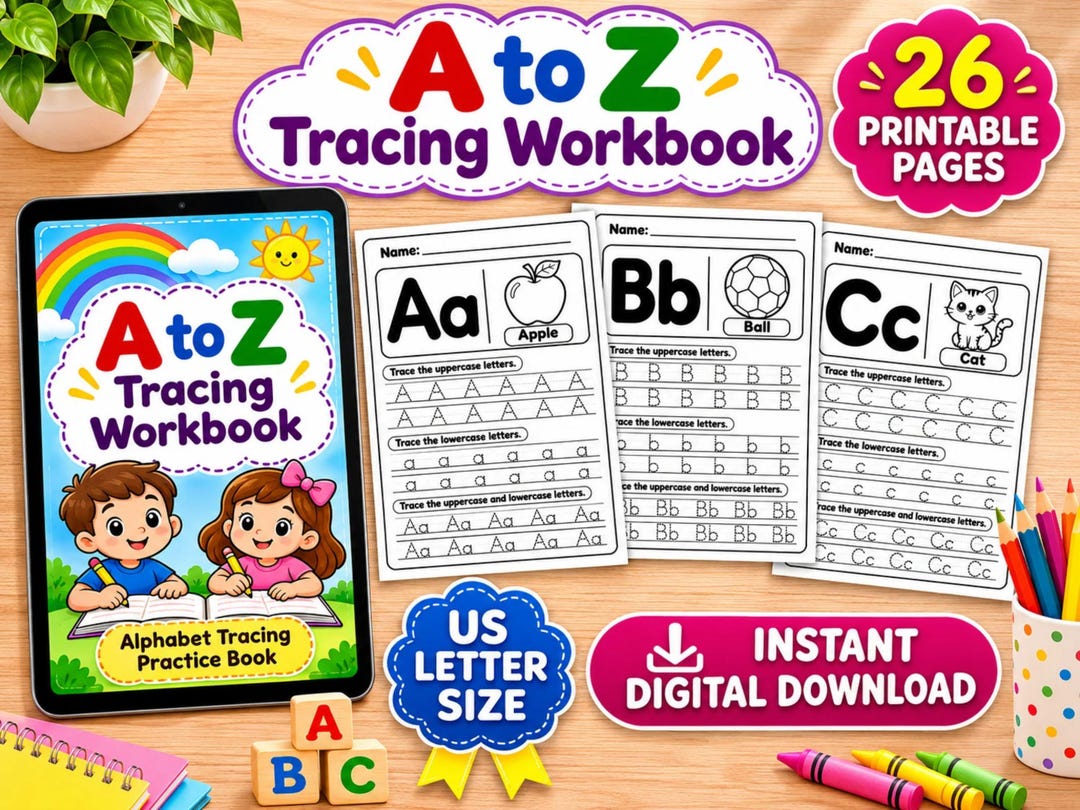
In early education, developing fine motor skills and letter recognition is crucial for young learners. The Alphabet Tracing Worksheet Writing A-Z serves as an effective tool for teachers and parents alike, enabling children to practice their handwriting while reinforcing their understanding of the alphabet. This resource can be seamlessly integrated into classroom activities, homeschooling routines, or even at-home learning sessions.
Understanding the Importance of Alphabet Tracing Worksheets
Alphabet tracing worksheets are designed to help children learn the shapes of letters while promoting proper letter formation. As kids trace the letters from A to Z, they engage in a multi-sensory learning experience that aids memory retention. This method not only supports handwriting skills but also enhances cognitive development by making connections between the written word and its verbal counterpart.
Typically, children aged 4 to 7 are ideal candidates for using these worksheets. At this stage, they are often developing their pre-writing skills and can benefit significantly from the structured practice that tracing offers. Using the Alphabet Tracing Worksheet Writing A-Z, young learners can gain confidence in their writing abilities, setting the foundation for more complex literacy skills down the line.
How to Implement the Alphabet Tracing Worksheet in Different Settings
In the Classroom
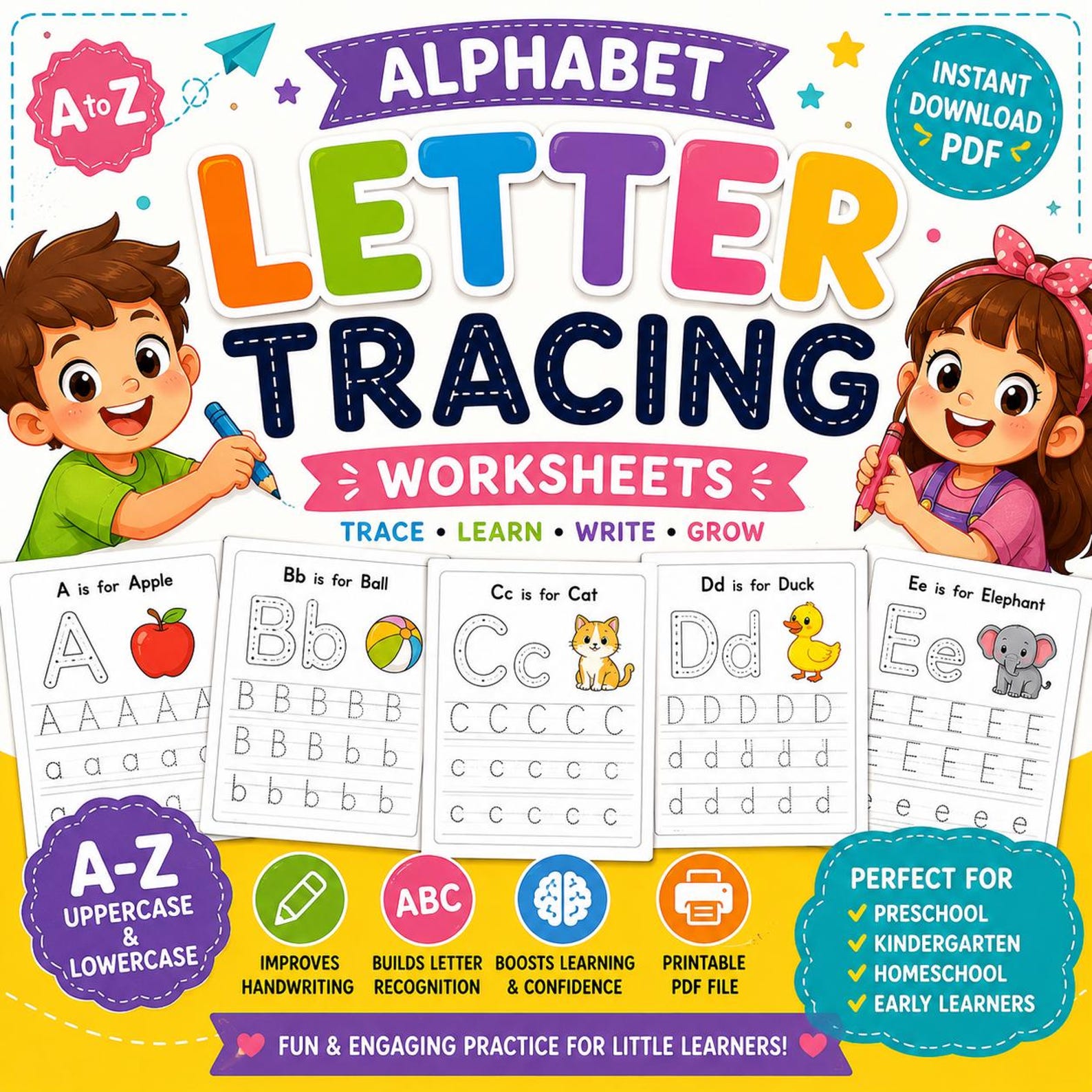
For teachers, incorporating the Alphabet Tracing Worksheet Writing A-Z into your lesson plans can be straightforward. Begin by distributing the worksheets at the start of a handwriting lesson. You might choose to utilize a few different strategies:
- Group Practice: Have the entire class trace letters together on their worksheets, allowing for collective learning and peer encouragement.
- Individual Focus: Use the worksheets during independent practice time. This allows you to circulate the room, providing support to students who may need extra help with specific letters.
- Interactive Stations: Set up tracing stations where students can rotate through different activities, including tracing letters on paper, using sand or rice for tactile experiences, and reinforcing letter sounds.
In a Homeschool Environment
Homeschooling parents can also take advantage of the Alphabet Tracing Worksheet Writing A-Z by integrating it into their daily schedules. Here are a few practical ideas:
- Daily Routine: Designate a specific time each day for handwriting practice. Consistency is key in reinforcing skills.
- Follow-Up Activities: After tracing, encourage children to draw a picture of something that starts with each letter. This not only reinforces letter recognition but also sparks creativity.
- Progress Tracking: Use the worksheets to monitor progress over time. Parents can keep a portfolio of completed worksheets to visually demonstrate how much their child has improved.
At Home With Family Learning
For families looking to support their children’s education at home, the Alphabet Tracing Worksheet Writing A-Z can be an enjoyable and engaging activity. Consider the following approaches:
- Fun with Family: Make tracing a family affair by tracing letters together. This can foster a supportive environment and make learning feel less like a chore.
- Incorporate Rewards: Create a reward system for completing worksheets. Children can earn stickers or small prizes for finishing a set number of letters.
- Laminated Worksheets: For repeated use, consider laminating the worksheets. Children can use dry-erase markers to trace letters multiple times, enhancing muscle memory without wasting paper.
Signs of Mastery and When to Offer Additional Support
As children work through the Alphabet Tracing Worksheet Writing A-Z, observing their progress provides valuable insights into their development. Here are some indicators of mastery:
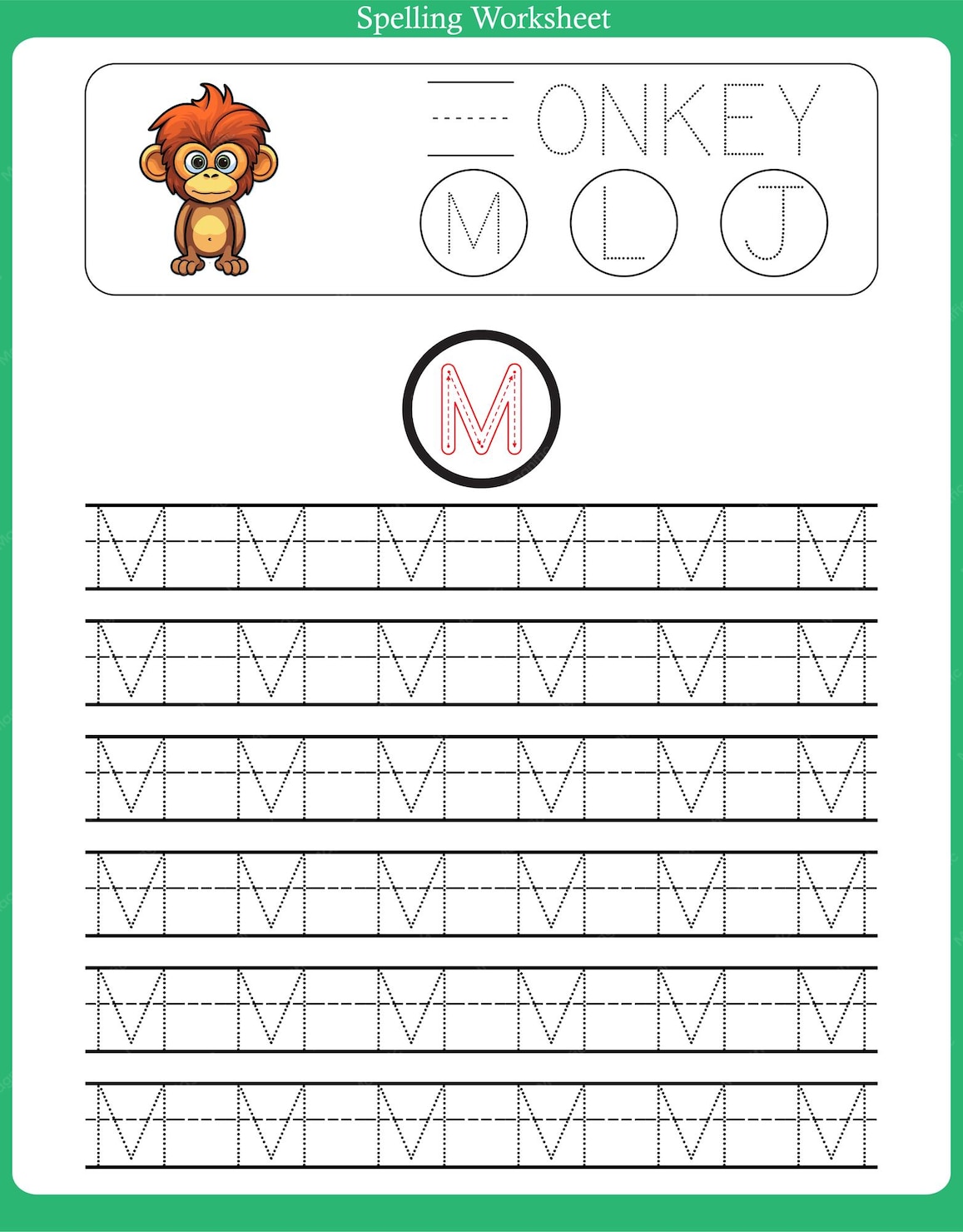
- Consistency in Letter Formation: Children should begin to form letters consistently and correctly. Look for proper starting points and stroke order.
- Speed and Fluency: As they become more comfortable with tracing, children should be able to complete the worksheets more quickly without sacrificing accuracy.
- Confidence: A clear sign of mastery is when children begin to express excitement about writing and are willing to tackle new letters without hesitation.
If a child struggles with specific letters or exhibits frustration, it may be beneficial to revisit those letters with additional practice using alternative methods, such as:
- Sensory Tracing: Encourage tracing letters with fingers in flour or sand to reinforce muscle memory.
- Visual Aids: Use letter cards or charts to help children visualize the letters they are tracing.
- One-on-One Support: Spend time individually with children to provide tailored guidance as they practice.