
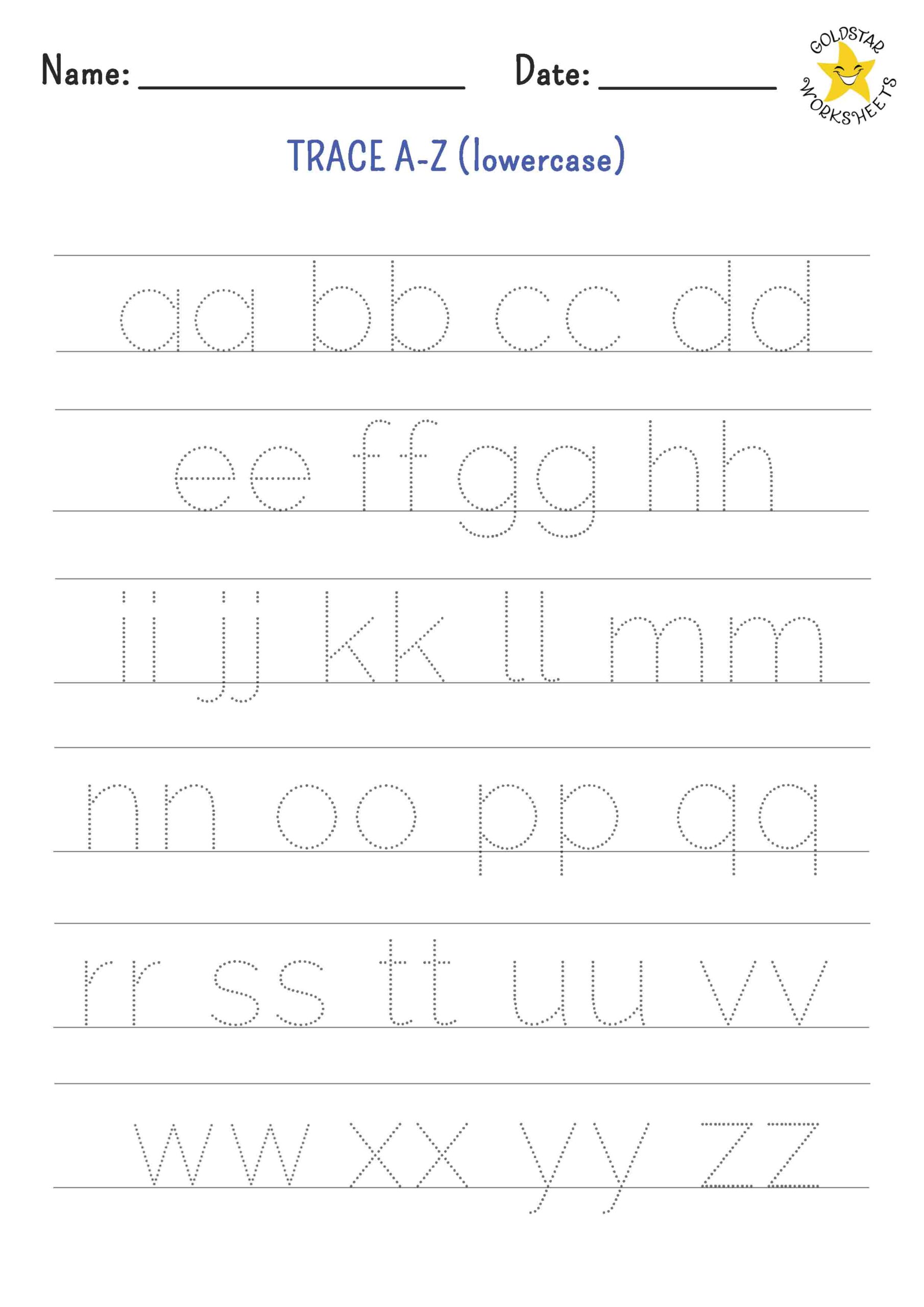
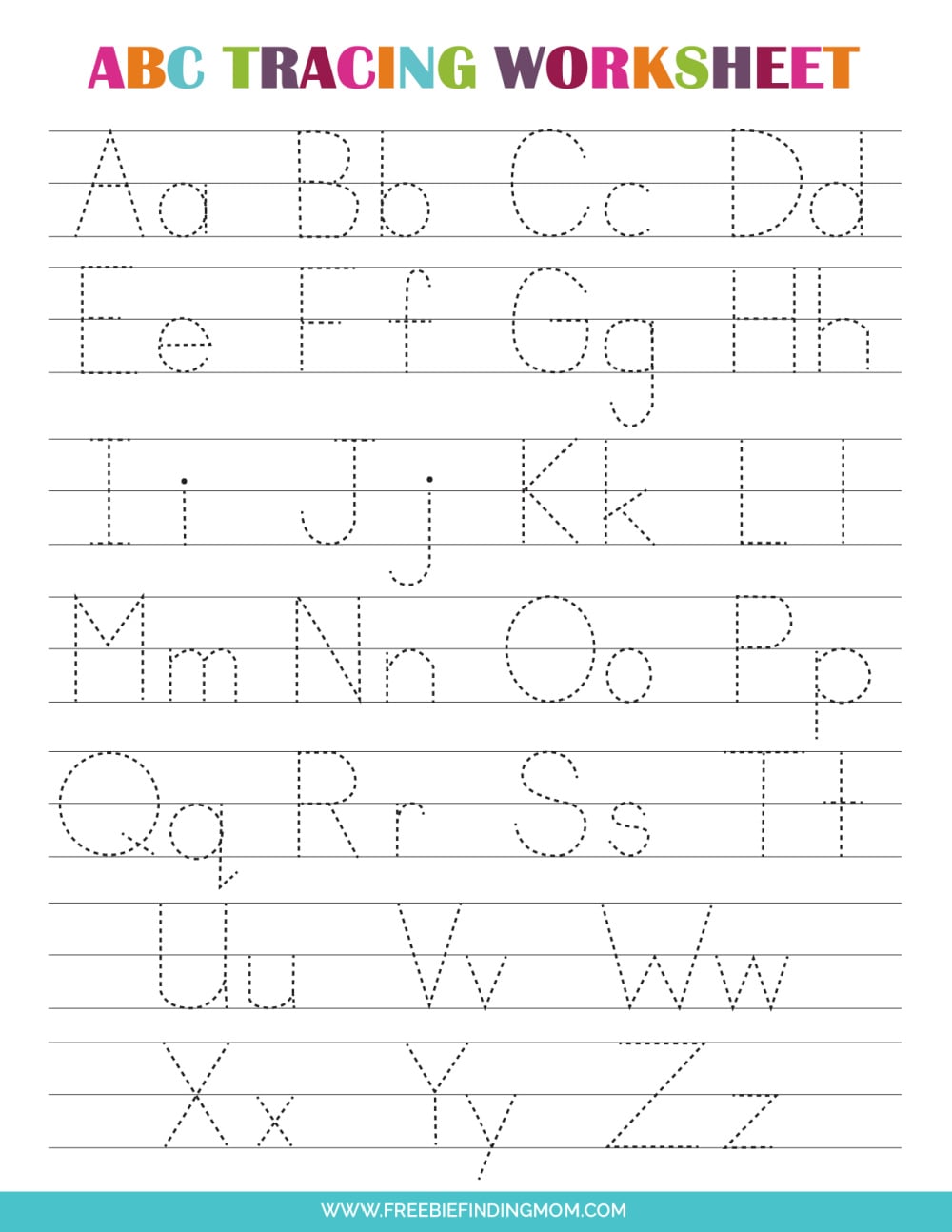
The Alphabet Tracing Worksheet Lowercase A To Z is a fantastic resource designed for young learners, typically in preschool or kindergarten. This worksheet provides a structured way for children to practice their handwriting and familiarize themselves with the lowercase letters of the English alphabet. Tracing worksheets are particularly valuable because they combine fine motor skill development with early literacy, setting a strong foundation for future reading and writing skills.
Understanding the Importance of Tracing Worksheets
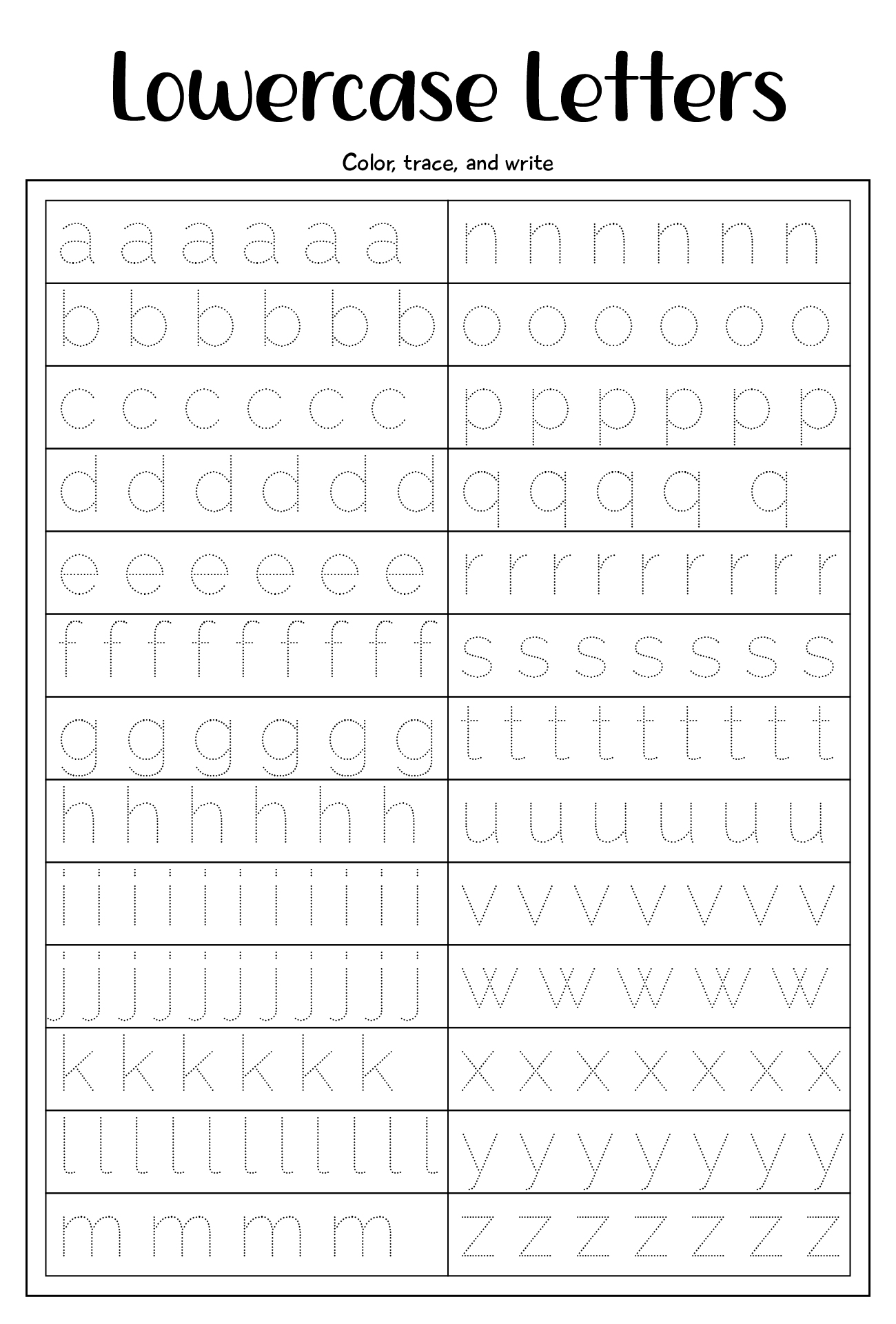
Tracing worksheets, such as the Alphabet Tracing Worksheet Lowercase A To Z, are essential tools for developing handwriting skills in young children. When kids trace letters, they gain muscle memory, which helps them learn how to form letters correctly. This practice is crucial not only for writing but also for building confidence in their writing abilities.
Moreover, these worksheets often include visual aids that can help children associate letters with words and images. For example, a worksheet might feature an apple next to the letter ‘a’, reinforcing the connection between letters and their sounds. This multi-sensory approach is effective in engaging children and enhancing their learning experience.
How to Use the Alphabet Tracing Worksheet Lowercase A To Z
Using the Alphabet Tracing Worksheet Lowercase A To Z is straightforward, but there are some steps to maximize its effectiveness in your teaching or homeschooling environment.
- Download and Print: Start by downloading the worksheet. It’s typically available in PDF format, which ensures that the layout remains consistent when printed. Make sure to print it on standard letter-size paper (8.5 x 11 inches) for best results.
- Choose the Right Materials: When preparing for your tracing session, consider using thicker paper or cardstock, especially if you plan to laminate the worksheets for repeated use. This can help withstand the wear and tear of frequent handling. If you’re using markers or crayons, ensure they are suitable for your chosen paper type.
- Set Up a Comfortable Workspace: Create a distraction-free environment where children can focus on their tracing. A sturdy table with good lighting helps them see the letters clearly and maintain proper posture while tracing.
- Demonstrate the Tracing Method: Before letting children start, show them how to trace the letters. You can use your finger to guide them along the lines or use a dry-erase marker if the worksheet is laminated. Emphasizing the correct starting points and directional movement of each letter is key to proper letter formation.
- Monitor Progress: As children trace, observe their technique. Are they holding their writing instrument correctly? Are they following the lines? Providing gentle corrections and encouragement can make a significant impact on their learning experience.
Tracking Development and Progress
One of the most effective ways to gauge a child’s mastery of letter formation is through consistent practice and monitoring their progress. Here are some methods to track their development:
- Regular Reviews: Set aside time each week to review the completed worksheets. Look for improvements in letter size, spacing, and overall neatness. You might want to keep a portfolio of their work to visually track progress over time.
- Assess Understanding: After a few tracing sessions, ask children to write the letters without tracing. This can help you assess their retention and understanding of letter shapes. If they struggle, it may be beneficial to revisit the tracing worksheets for additional practice.
- Incorporate Multi-Sensory Activities: Engage children in activities that reinforce their learning. For instance, you can use playdough to form letters or have them write letters in sand or with finger paint. These activities can solidify their understanding and make learning fun.
Additional Activities to Enhance Learning
To complement the Alphabet Tracing Worksheet Lowercase A To Z, consider integrating these activities into your lesson plans:
- Letter of the Day: Focus on one letter each day. Use the worksheet for tracing, and supplement it with a themed activity or craft. For example, for the letter ‘b’, you might create a butterfly craft or read a book about bears.
- Flashcards: Create flashcards with the letters and corresponding images. These can be used for memory games or to reinforce letter recognition alongside the tracing activities.
- Interactive Games: Incorporate digital resources or apps that emphasize letter formation and phonetics. Many educational websites offer interactive games that can enhance the learning experience.
- Storytime: Read books that emphasize the letters being learned. This connection between writing and reading will help reinforce the importance of literacy in a child’s overall development.