
Using an Alphabet Tracing Worksheet For Kids can significantly boost early literacy skills while making learning fun and interactive. These worksheets are specifically designed to help children grasp the fundamentals of letter formation, which is essential for writing proficiency. Unlike other resources, this worksheet focuses on a systematic approach that breaks down each letter, guiding young learners through the tracing process.
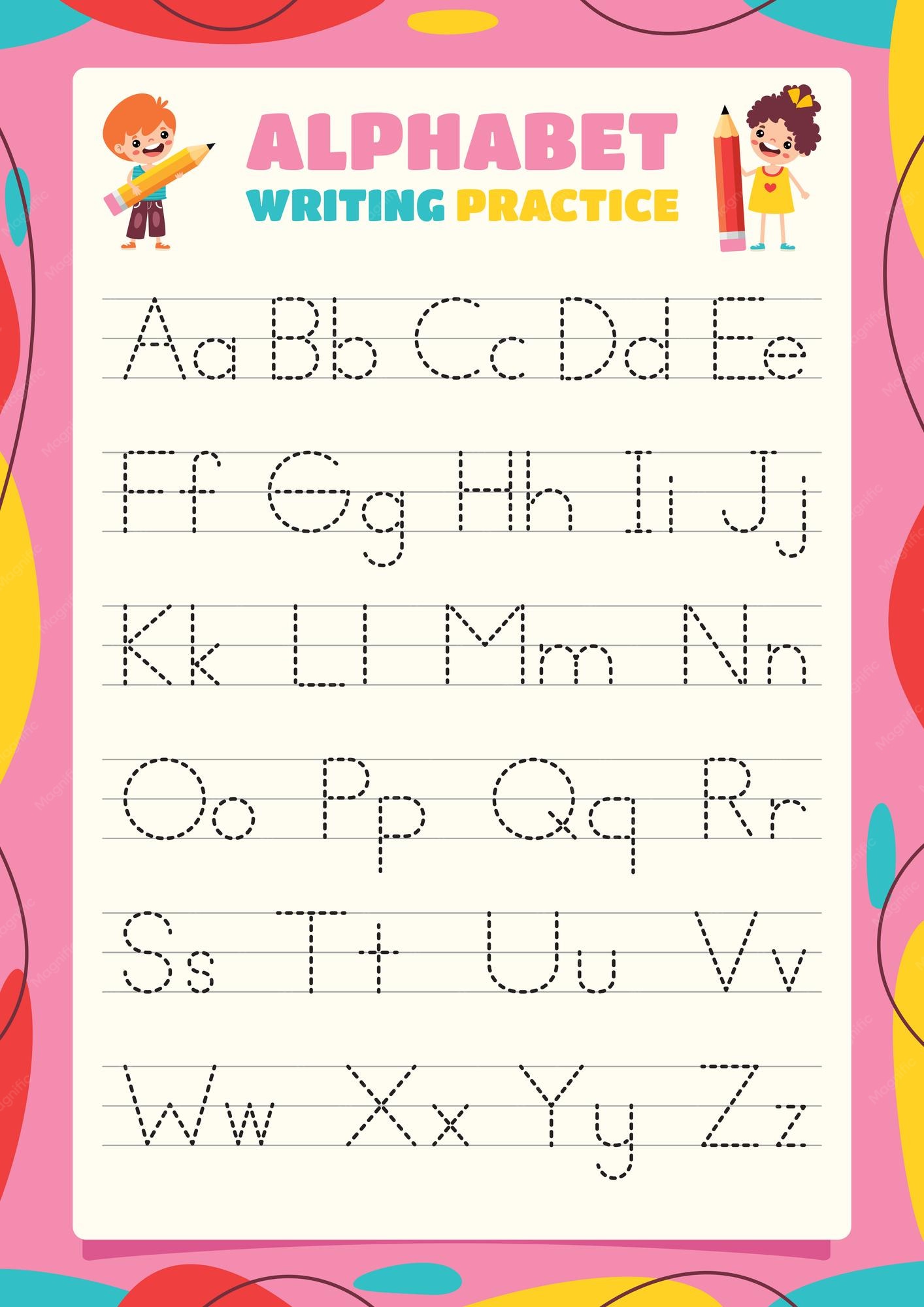
Understanding the Layout of the Worksheet
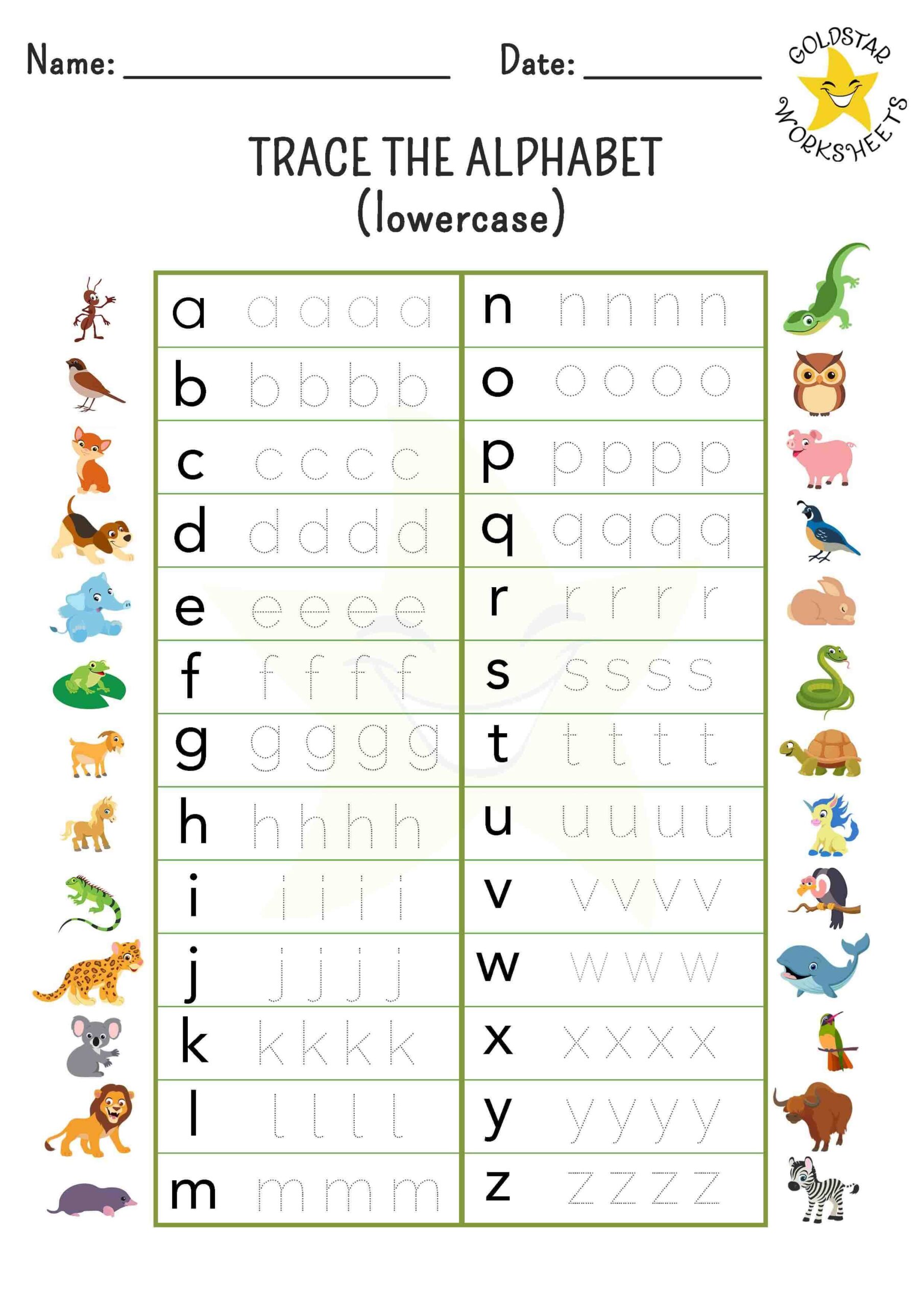
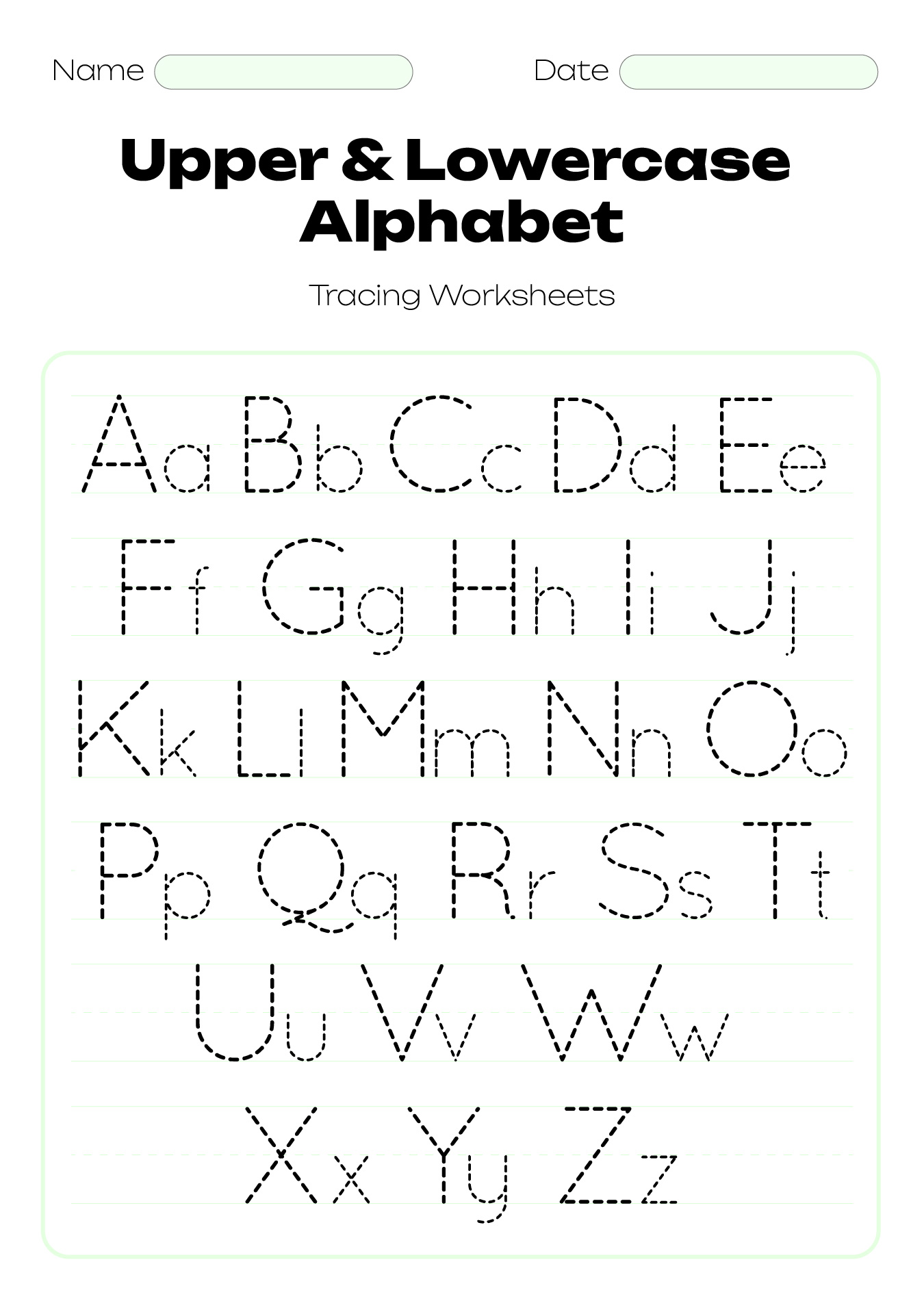
The layout of an Alphabet Tracing Worksheet is crucial for effective learning. Typically, these worksheets are designed with a clear, simple format that includes uppercase and lowercase letters. Each letter is often accompanied by directional arrows indicating the correct stroke order. This visual guidance helps children understand how to form each letter correctly.
Additionally, many worksheets feature dotted lines that children can trace over, reinforcing muscle memory. You might notice that the letters are spaced adequately, allowing enough room for kids to practice writing without feeling cramped. This thoughtful design minimizes frustration and supports a smoother learning experience.
Age Appropriateness and Skill Level
Alphabet tracing worksheets are most suitable for preschool and kindergarten-aged children, generally between the ages of 3 and 6. At this stage, children are developing fine motor skills and are eager to learn letters and sounds. The worksheets can be used in various settings, including classrooms, homeschools, or even at home with parents.
When children first start using these worksheets, they might only trace the letters. As they become more comfortable with the shapes, you can encourage them to write the letters independently. This seamless progression helps gauge their mastery of each letter and highlights areas where they may need extra practice.
Checking Progress: What Mastery Looks Like
Monitoring a child’s progress with an Alphabet Tracing Worksheet involves observing their ability to trace and eventually write each letter independently. Initially, you may see them struggle with certain letters, especially those with more complex shapes, such as “B” or “R.” As they practice, you’ll notice improvements in their letter formation and confidence.
A useful approach is to take a few minutes at the end of each session to review their work. Look for consistency in letter height, spacing, and stroke order. You might want to create a simple checklist to evaluate their progress, noting which letters they can trace easily and which ones may require additional practice.
Integrating Fun Activities With Tracing Worksheets
To keep children engaged, you can integrate fun activities alongside the Alphabet Tracing Worksheet. For instance, after tracing a letter, have them identify objects that start with that letter sound. This multi-sensory approach reinforces learning and makes it enjoyable.
You can also encourage creativity by allowing children to color in pictures that correspond to the letters they are tracing. For example, if they are working on the letter “A,” you might have them color an apple. This not only strengthens their letter recognition but also adds a playful element to the learning process.
Printable Resources: Easy Access and Customization
One of the major advantages of using an Alphabet Tracing Worksheet For Kids is the accessibility of printable resources. Many websites offer free or affordable downloads, allowing you to print multiple copies for repeated practice. It’s beneficial to print these worksheets on heavier paper or cardstock, as it withstands repeated use better than standard printer paper.
Additionally, consider laminating the worksheets if you’re looking to reuse them. Children can practice tracing with dry-erase markers, allowing for easy cleaning between sessions. This environmentally-friendly option saves paper and provides a practical tool for ongoing learning.
Creating a Structured Learning Environment
Setting up a structured learning environment can enhance the effectiveness of using an Alphabet Tracing Worksheet. Designate a specific area for writing practice that is well-lit and free from distractions. Having a consistent routine helps children know when it’s time to practice their letters.
Incorporate a timer to create a sense of urgency and excitement. For instance, set a timer for five minutes and encourage the child to trace as many letters as they can before time runs out. This gamification of the learning process can make it more appealing and foster a sense of accomplishment.
Encouraging Parental Involvement
Parental involvement plays a significant role in reinforcing the skills taught through the Alphabet Tracing Worksheet. Parents can sit with their children during practice sessions, offering support and encouragement. This interaction not only strengthens the parent-child bond but also allows parents to monitor their child’s progress closely.
Additionally, parents can create a reward system for milestones achieved. For instance, once a child successfully writes all the letters of the alphabet, they could earn a small treat or a fun sticker. This positive reinforcement motivates children to keep practicing and strive for improvement.