
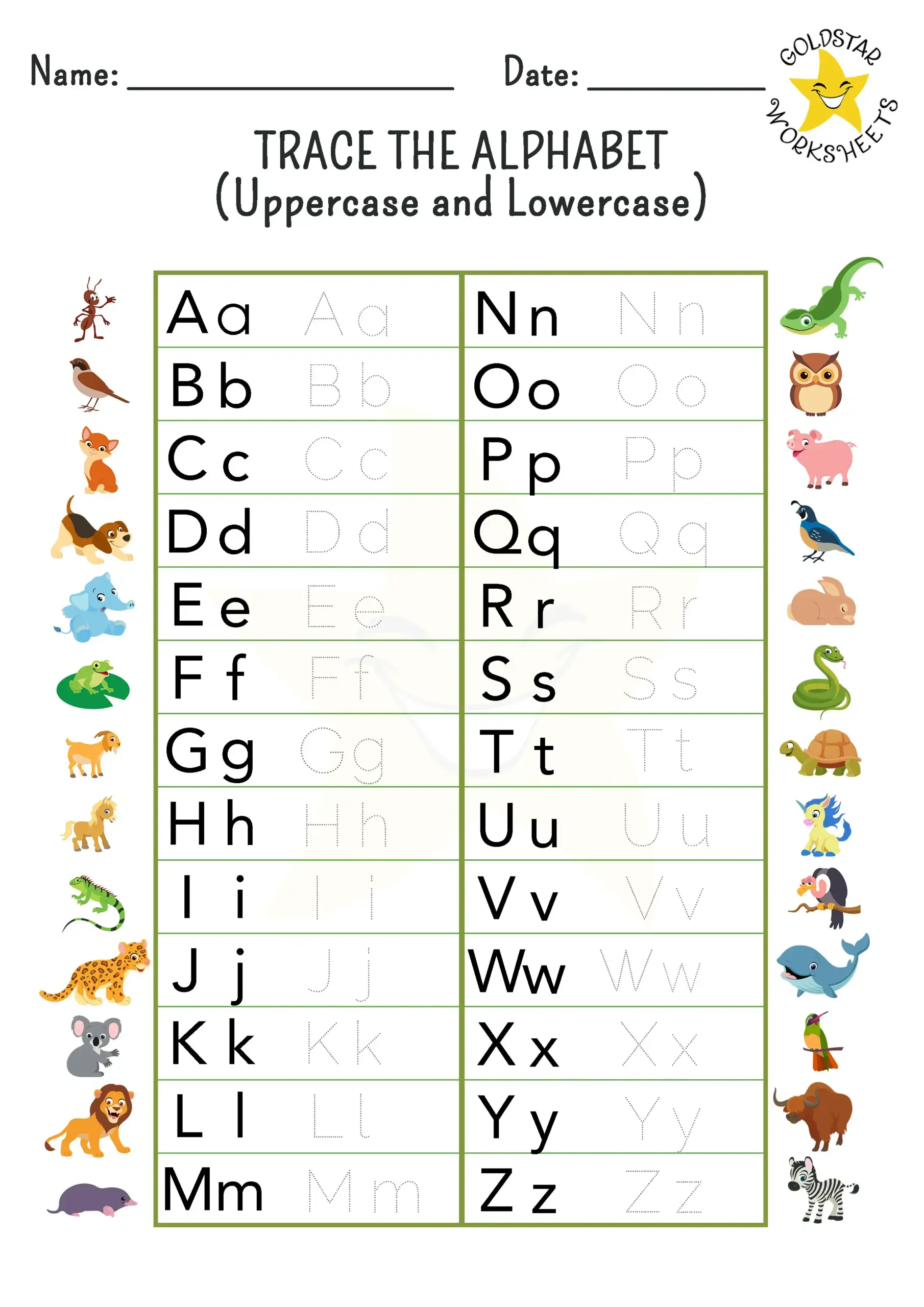
Using Alphabet Tracing Printable Worksheets A-Z is an effective method to help young learners develop essential writing skills. These worksheets provide a structured way for children to practice their letters, offering both uppercase and lowercase options. Available in various formats, these worksheets can be easily printed and utilized in classrooms, homeschools, or at home. The clear design and interactive nature of these worksheets make them a perfect choice for preschool and early elementary students.
Understanding the Importance of Alphabet Tracing
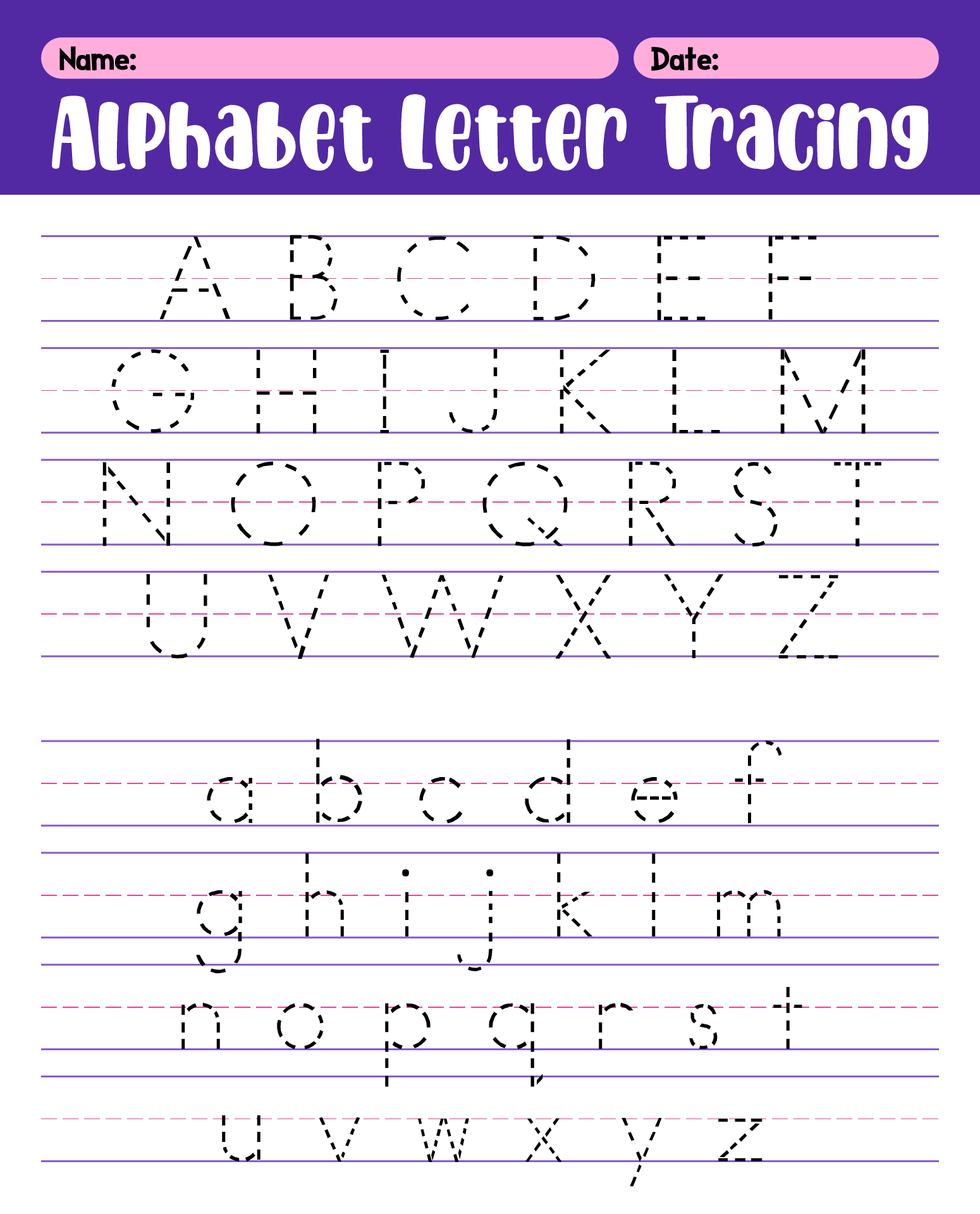
Alphabet tracing is not just about learning how to write letters; it plays a crucial role in developing fine motor skills and hand-eye coordination. As children trace letters, they strengthen the small muscles in their hands, which are vital for writing as they progress in their education. Additionally, tracing helps reinforce letter recognition, making it easier for children to identify letters in words and sentences later on.
By using Alphabet Tracing Printable Worksheets A-Z, you provide an opportunity for students to engage with the alphabet in a hands-on manner. This kind of tactile learning can significantly enhance their understanding and retention of the material.
Choosing the Right Alphabet Tracing Worksheets
When selecting Alphabet Tracing Printable Worksheets A-Z, consider the following factors:
- Age Appropriateness: Ensure the worksheets are suitable for the age group you are teaching. Generally, preschool and kindergarten worksheets are designed for children aged 3 to 6.
- Design and Layout: Look for worksheets that are visually appealing and easy to follow. Clear, bold letters and ample space for tracing can make a big difference in the learning experience.
- Variety of Letters: Opt for worksheets that cover both uppercase and lowercase letters. This helps students understand the difference between the two forms and prepares them for more advanced writing tasks.
- Format: Choose printable worksheets that are available in PDF format. PDFs maintain their formatting across different devices, ensuring a hassle-free printing experience.
How to Download and Print Alphabet Tracing Worksheets
Setting up your Alphabet Tracing Printable Worksheets A-Z is straightforward. Follow these steps to get started:
- Select the Worksheets: Browse your chosen resource website and locate the section for alphabet worksheets. Look for the A-Z collection of tracing worksheets.
- Download the Files: Click on the download link for the worksheets. Most resources will provide them in a PDF format, which is typically the best option for printing.
- Print the Worksheets: Open the downloaded PDF file. Set your printer settings to ‘portrait’ layout for optimal results. Use standard letter size (8.5 x 11 inches) paper for printing. If you plan to use the worksheets multiple times, consider printing them on cardstock for durability.
- Lamination (Optional): For long-term use, laminate the printed worksheets. This allows children to trace letters with dry-erase markers, making the worksheets reusable.
Setting Up a Tracing Session
To maximize the effectiveness of the tracing worksheets, consider these tips for setting up a tracing session:
- Create a Comfortable Workspace: Ensure that children have a designated area to work where they can focus. A quiet space with good lighting will help them concentrate better.
- Gather Necessary Supplies: Provide pencils, crayons, or dry-erase markers, depending on whether the worksheets are laminated. Having a variety of writing tools can make the activity more engaging.
- Demonstrate the Activity: Before allowing children to start tracing, demonstrate how to hold the writing tool properly and the correct way to trace the letters. This guidance is essential for developing good writing habits.
- Encourage Consistency: Set a regular schedule for tracing practice. Consistency helps reinforce learning and makes it easier for children to remember letter shapes.
Incorporating Alphabet Tracing Into Lessons
Using Alphabet Tracing Printable Worksheets A-Z can be seamlessly integrated into your lesson plans. Here are some suggestions on how to include them in your teaching:
- Warm-Up Activities: Begin each lesson with a short tracing session as a warm-up. This prepares students for writing tasks and gets them in the right mindset.
- Thematic Learning: Pair tracing worksheets with thematic units. For instance, if the lesson focuses on animals, incorporate animal-themed worksheets that include relevant vocabulary.
- Group Activities: Use the worksheets for small group activities. Children can work together to trace letters and share their work, fostering collaboration and learning.
- Assessment Tools: Utilize the worksheets as informal assessment tools. Observe how well students trace letters and provide feedback to help them improve.
Adapting Tracing Worksheets for Different Learning Styles
Recognizing that every child learns differently is essential. Here are ways to adapt the Alphabet Tracing Printable Worksheets A-Z for various learning styles:
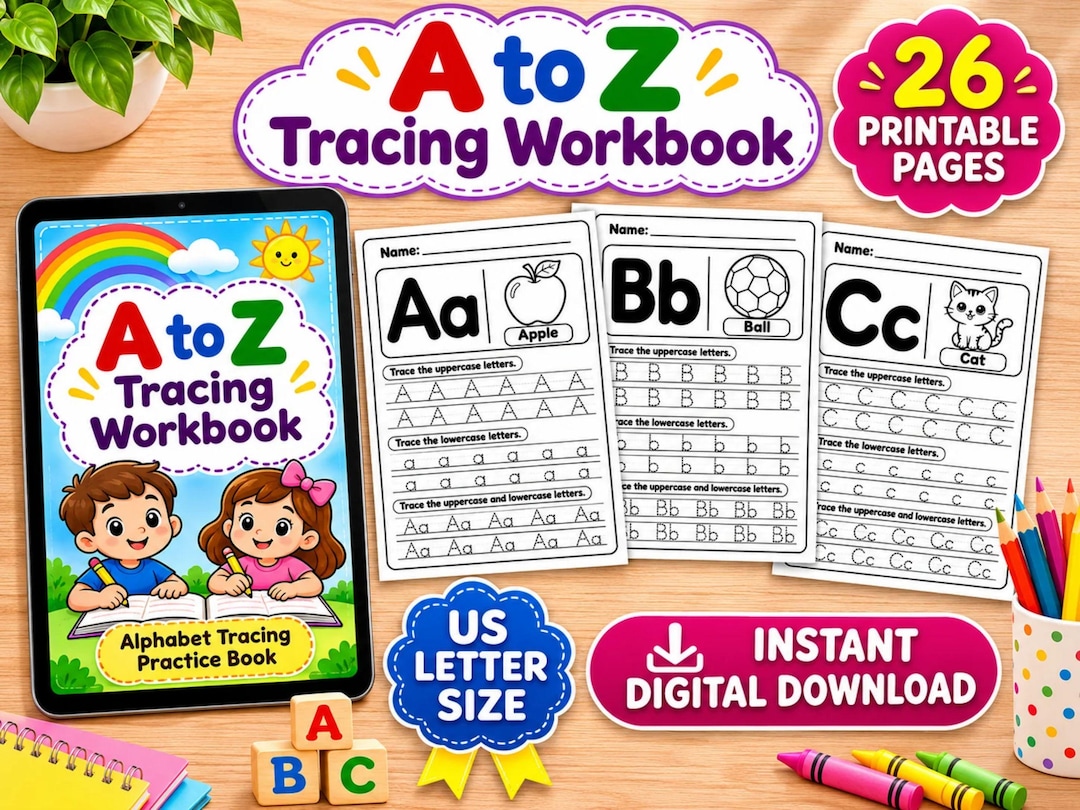
- Visual Learners: Use colorful worksheets that include images related to each letter (e.g., “A” for apple). This visual association can help reinforce letter recognition.
- Kinesthetic Learners: In addition to tracing, encourage children to form letters using playdough or sand. This hands-on approach can enhance their understanding of letter shapes.
- Auditory Learners: Incorporate songs or rhymes that correspond with each letter. While tracing, play recordings of the alphabet song or similar educational tunes to engage auditory learners.
- Advanced Learners: For children who grasp the concepts quickly, provide additional worksheets that include simple words for them to trace, helping them transition from letters to words.
By implementing these strategies, you can create a comprehensive and engaging learning experience for your students using Alphabet Tracing Printable Worksheets A-Z.
An important detail to remember is that having a variety of tracing worksheets ensures that students remain engaged and challenged at the right level. By tailoring your resources to the needs of your learners, you can significantly enhance their writing skills and confidence.