
Practicing letter formation is crucial for early literacy development, and the Alphabet Trace Worksheet One Page is an effective tool to help young learners master this skill. This resource is designed for children in preschool and kindergarten, offering a simple yet engaging way to reinforce letter recognition and improve fine motor skills. By incorporating this worksheet into your teaching or homeschooling routine, you can create a structured environment that fosters learning.
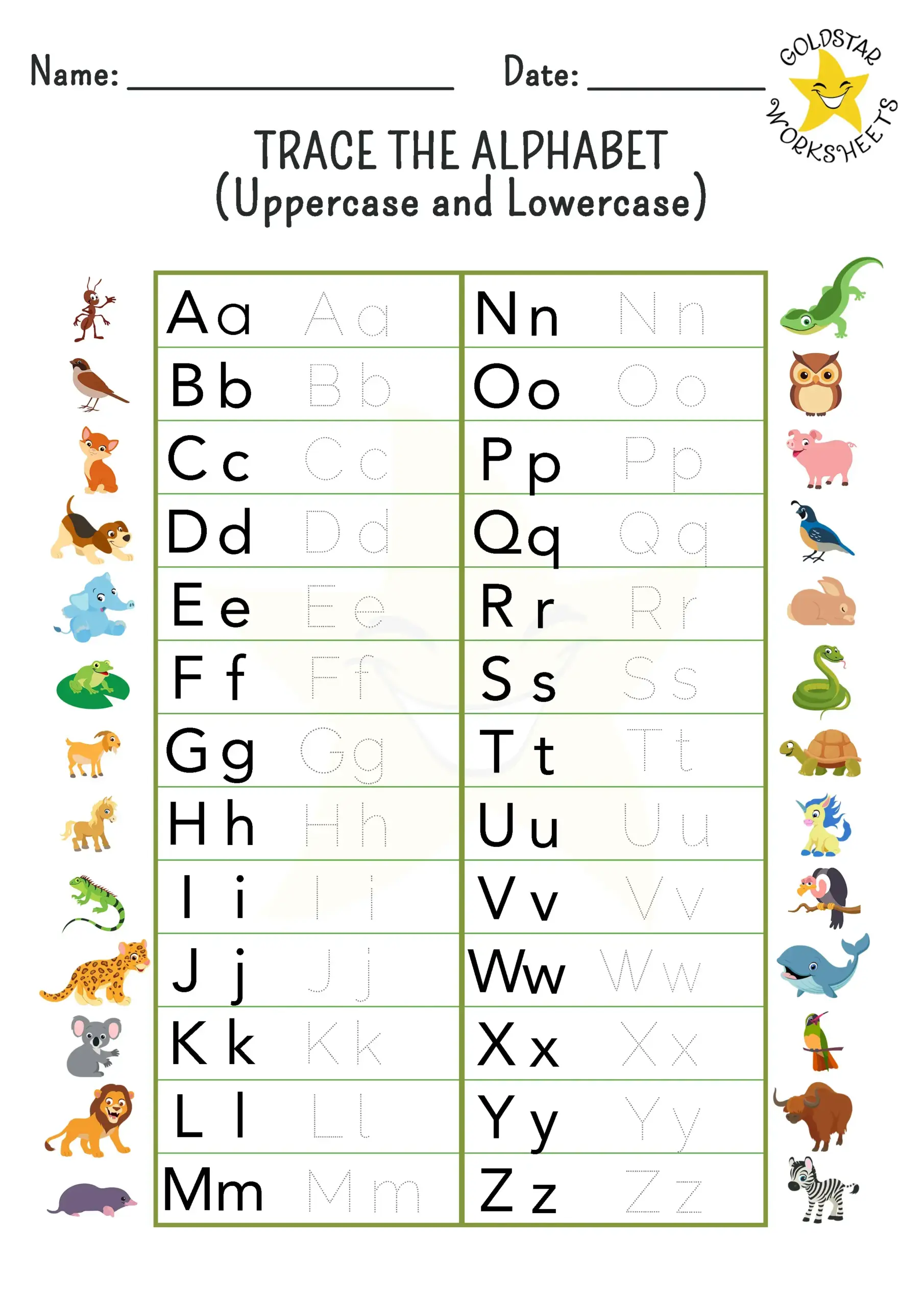
Understanding the Alphabet Trace Worksheet One Page
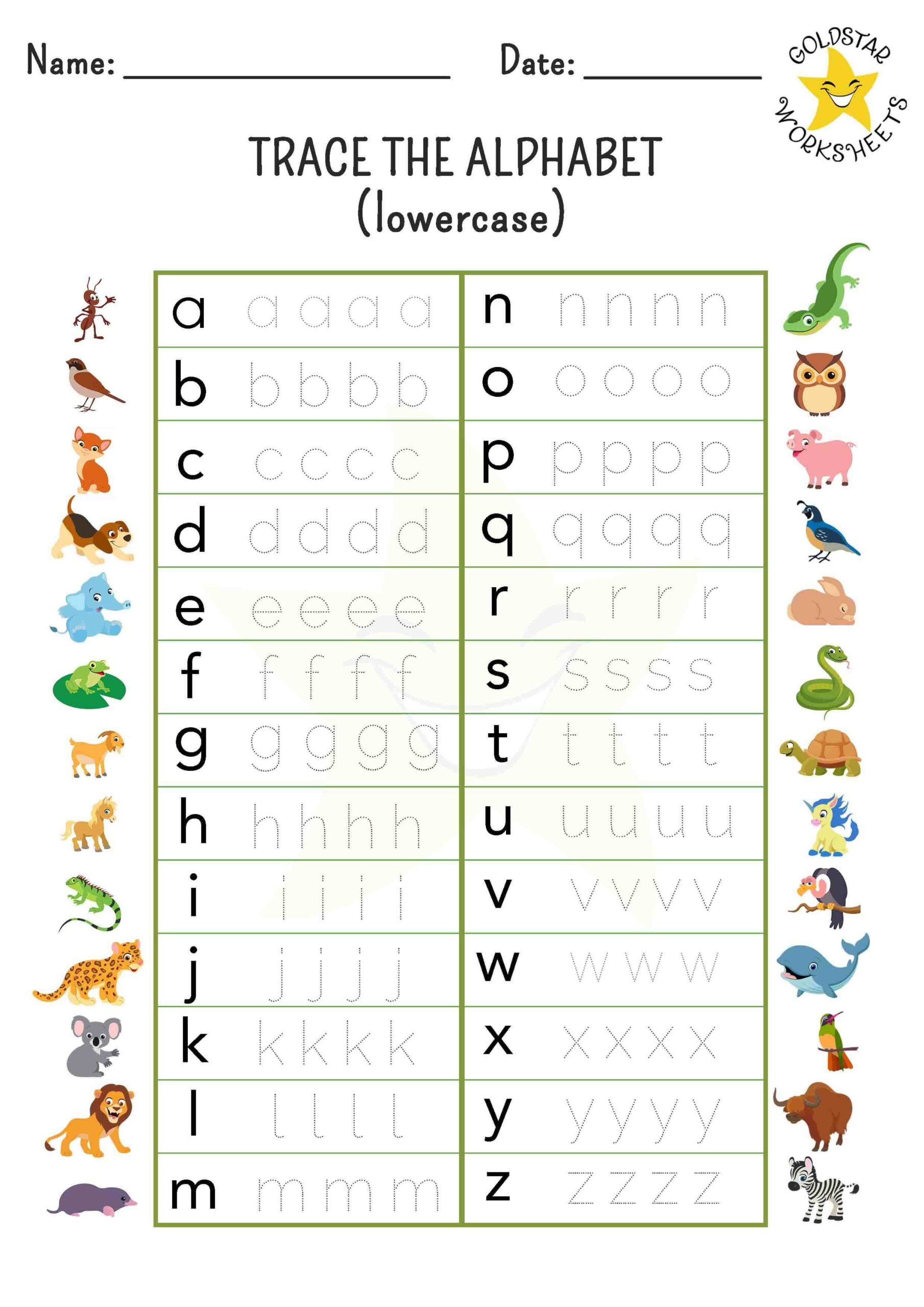
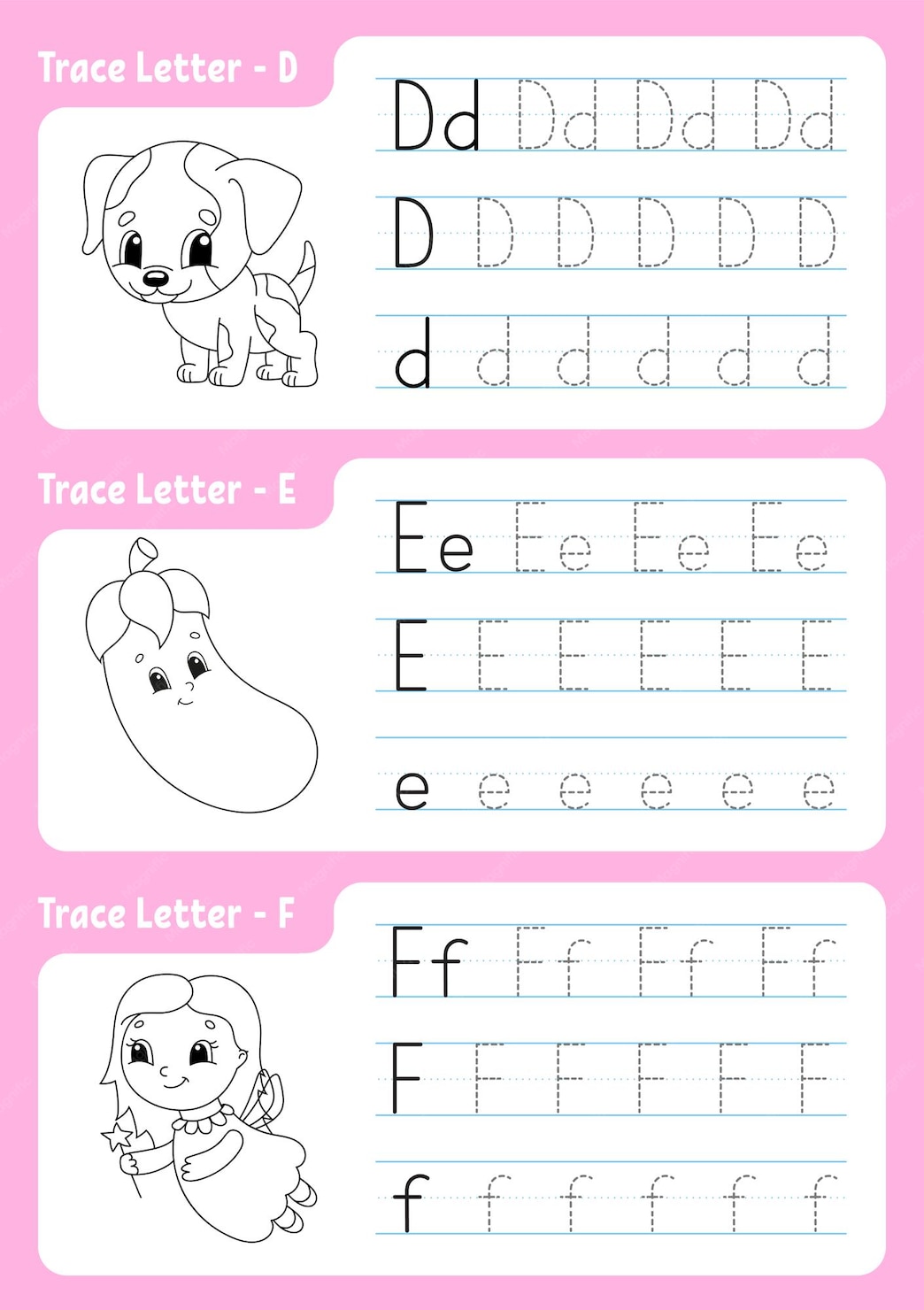
The Alphabet Trace Worksheet One Page typically features each letter of the alphabet in both uppercase and lowercase formats. Each letter is usually presented with dotted lines or arrows, guiding children on how to form each letter correctly. This layout not only helps with handwriting but also emphasizes the distinction between uppercase and lowercase letters.
The worksheet is often designed to be printed on standard letter-sized paper (8.5 x 11 inches), making it easily accessible for most home and classroom printers. When preparing to use this resource, consider printing several copies for repeated practice. Children benefit from tracing letters multiple times, as repetition solidifies their understanding and muscle memory.
How to Use the Alphabet Trace Worksheet Effectively
Using the Alphabet Trace Worksheet One Page is straightforward, but here are some practical tips to maximize its effectiveness:
- Set Up a Dedicated Learning Space: Create a quiet and distraction-free area where children can focus on their tracing practice. A simple table with good lighting will suffice.
- Gather Necessary Supplies: Ensure you have the right tools at hand. Use quality pencils or crayons to encourage children to apply the correct pressure while writing. If you want to make the worksheets reusable, consider laminating them so children can use dry-erase markers.
- Demonstrate Letter Formation: Before children start tracing, take a moment to demonstrate how to form each letter properly. Use the worksheet to show them the correct starting points and directionality of strokes.
- Encourage Proper Grip: Guide children on how to hold their writing utensil correctly. A proper grip is essential for developing fine motor skills and ensuring legible writing as they progress.
- Monitor Progress: As children complete the worksheet, check their work closely. Look for consistent letter formation and spacing. If they struggle with certain letters, take note and provide additional practice for those specific characters.
- Incorporate Fun Elements: To keep children engaged, consider turning the tracing exercise into a game. For example, you could time how long it takes them to trace all the letters or encourage them to say the letter sounds as they trace.
Signs of Mastery: Recognizing Progress
As a teacher or parent, it’s important to know when children have grasped the concept of letter tracing. Here are some indicators that mastery is developing:
- Consistency in Letter Formation: Children should be able to trace letters without significant deviation from the dotted lines. Look for improvements in their ability to maintain size and shape.
- Increased Independence: As children become more comfortable with tracing, they will rely less on your guidance. They may even start attempting to write the letters independently without the worksheet.
- Confidence in Letter Recognition: If children can name the letters as they trace them, it indicates a strong connection between the letter shapes and their corresponding sounds.
- Fluency in Tracing: Over time, children should be able to trace letters more quickly and smoothly. This fluency indicates that they are developing muscle memory.
If you notice that a child is still struggling with particular letters, don’t hesitate to provide additional resources or exercises tailored to those needs. Consider using flashcards or engaging them in letter-based games to reinforce learning.
Adapting for Different Learning Styles
Every child learns differently, and the Alphabet Trace Worksheet One Page can be adapted to meet various needs. Here are some ideas:
- Visual Learners: Use colorful markers or stickers to highlight specific letters. This can make the tracing process more visually appealing and memorable.
- Kinesthetic Learners: Incorporate movement by having children trace letters in the air with their fingers before using the worksheet. This physical activity can help reinforce muscle memory.
- Auditory Learners: Pair tracing with songs or rhymes that emphasize letter sounds. This can create a multisensory learning experience that aids retention.
- Struggling Writers: If a child finds tracing difficult, consider using larger letters or providing additional tracing worksheets that focus on just a few letters at a time. Gradually introduce more letters as their confidence grows.
By recognizing these different learning styles, you can tailor your approach to ensure that each child has the best chance of success.