
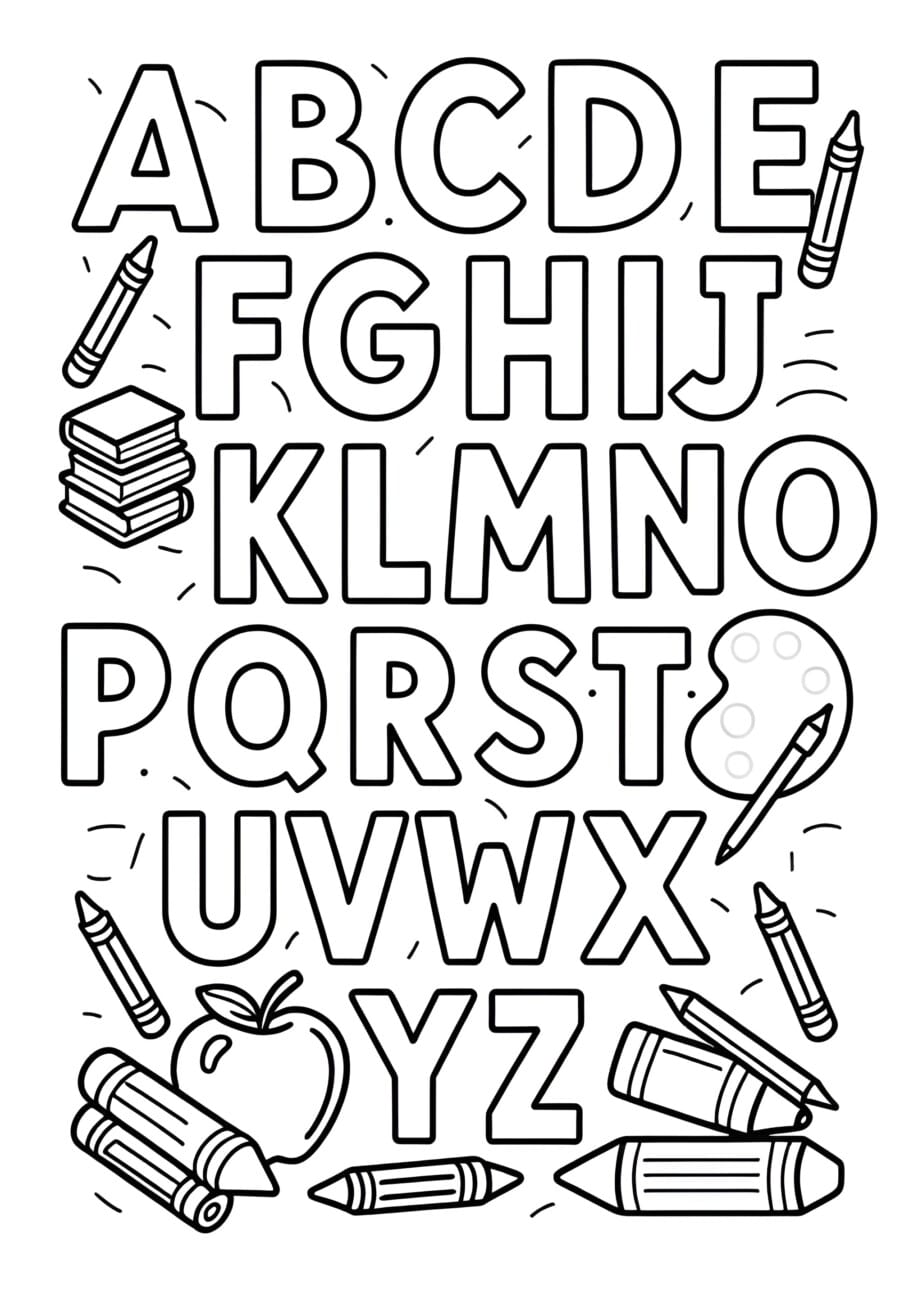
Alphabet Templates To Colour In are a fantastic resource for educators and parents alike, offering a creative avenue for children to explore letters while developing their fine motor skills. Unlike other templates that might focus solely on worksheets or traditional learning methods, these coloring templates transform the learning experience into a vibrant, hands-on activity. delve into the practical uses of these templates, how they can be integrated into various learning environments, and tips for maximizing their effectiveness.
Understanding the Value of Alphabet Templates
When you think about learning the alphabet, you might picture flashcards or repetitive writing exercises. However, Alphabet Templates To Colour In provide a fresh perspective by inviting children to engage with letters through art. This approach not only makes learning more enjoyable but also caters to different learning styles. Visual learners, in particular, thrive in environments where they can associate letters with colors and designs.
Using these templates, children can practice letter recognition, sound association, and even storytelling as they color in each letter. The act of coloring helps reinforce memory retention, making it easier for young learners to recall the shapes and sounds of the alphabet. Plus, it’s a fun way to incorporate art into the curriculum.
Ideal Age and Learning Levels
Alphabet Templates To Colour In are ideally suited for preschool and kindergarten students, typically aged 3 to 6 years. At this stage, children are often beginning their journey into literacy, making it crucial to engage their interest in letters and sounds. These templates can also be adapted for older children needing additional practice or support in letter recognition.
In a classroom setting, these templates can be used as part of a phonics lesson, during center time, or as a calming activity for students who need a break from more structured learning. For homeschooling parents, they offer a flexible resource that can be incorporated into daily lessons or used as a supplementary activity for fun learning.
Layout and Design Choices
The layout of Alphabet Templates To Colour In typically features large, bold letters that are easy for young children to identify and color. Most templates are designed with outlines that are thick enough to accommodate crayons, markers, or colored pencils, which is essential for developing fine motor skills.
Printable Formats
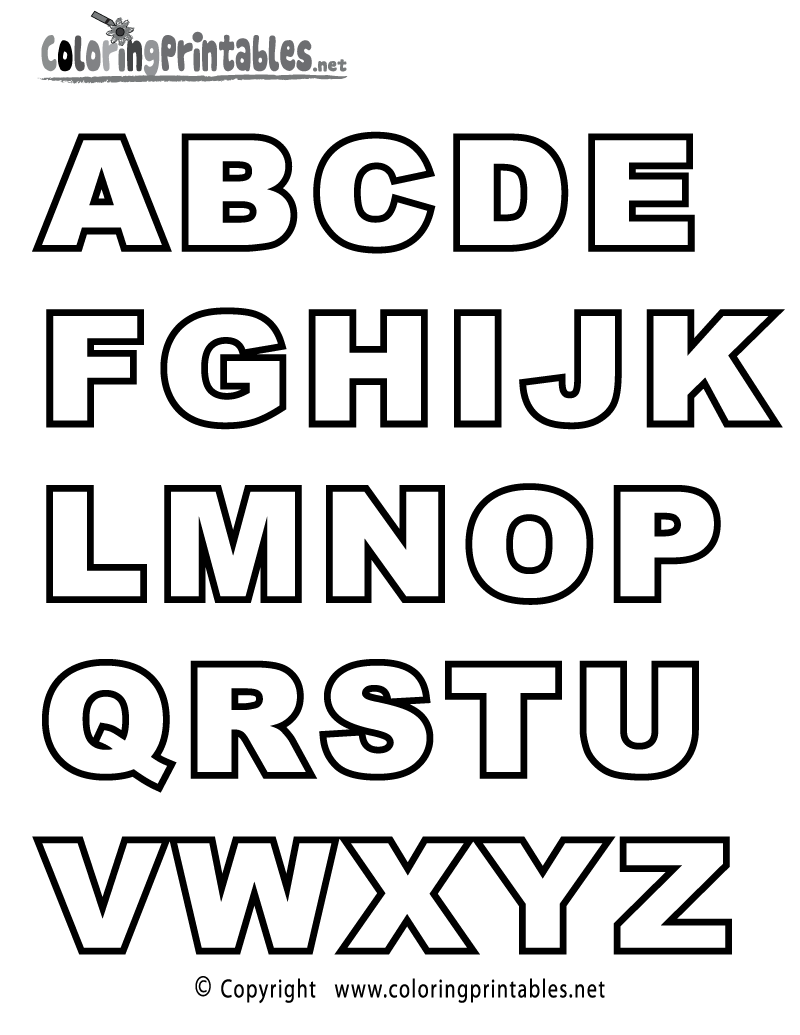
These templates are usually available in PDF format, which is ideal for printing. Opting for A4 or letter-sized paper ensures compatibility with most home printers. Portrait layout often works best, as it allows for a larger area for children to color without feeling cramped. If you plan to laminate the templates for repeated use, consider printing on cardstock for durability.
Customization and Creativity
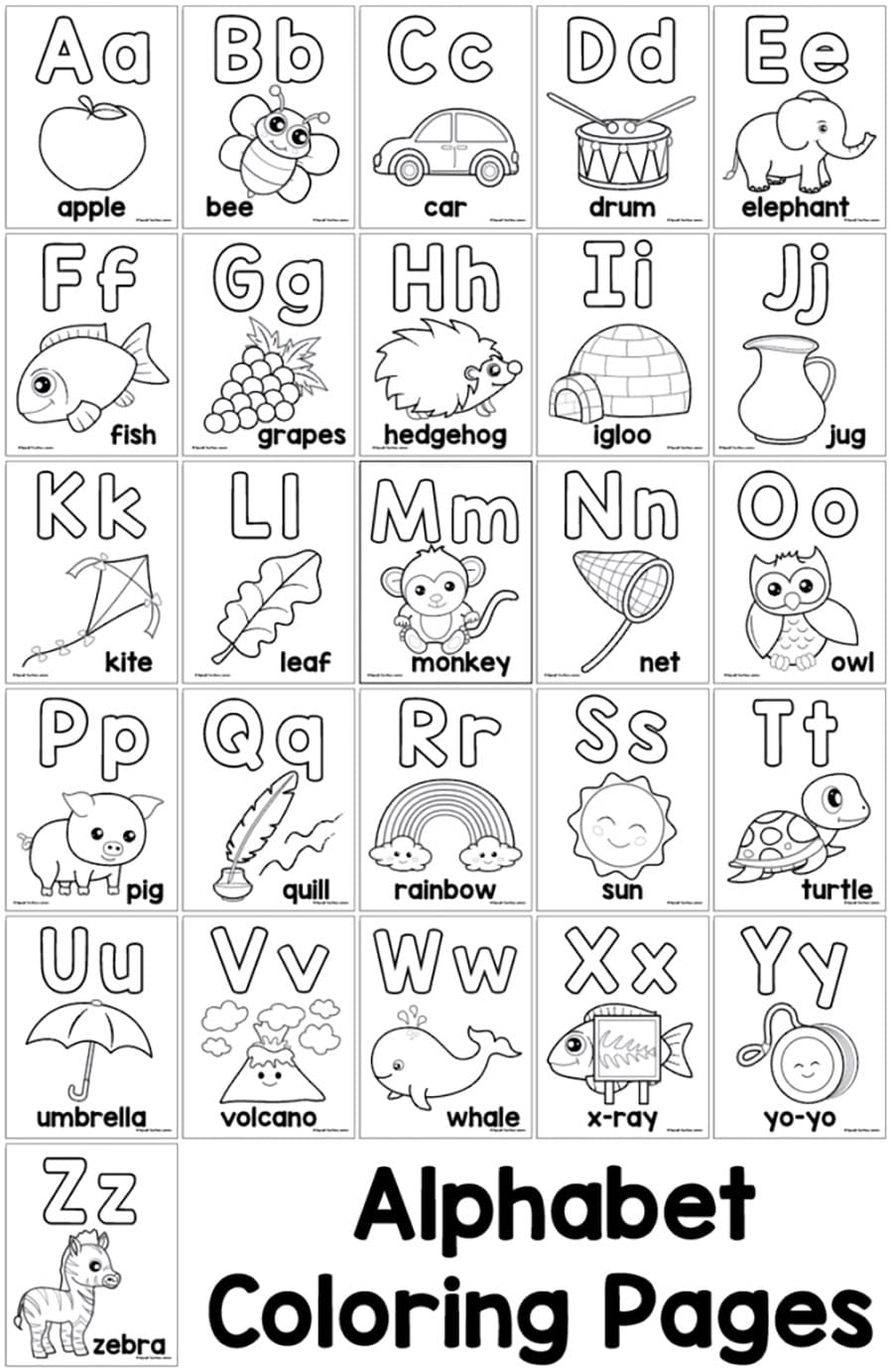
Many Alphabet Templates To Colour In also include additional elements like images or patterns within the letters, giving children the opportunity to not only color but also to express their creativity. This feature can spark conversations about the objects represented, linking letters to words and expanding vocabulary.
Implementation in Different Learning Environments
Classroom Use
In a classroom setting, these templates can serve multiple purposes. They can be part of a letter-of-the-week curriculum, where each week focuses on a different letter. Teachers can introduce the letter, display it prominently, and then provide the corresponding coloring template for students to complete. This reinforces the lesson visually and kinesthetically.
Additionally, these templates can be used in art stations, where children can freely choose which letters to work on. This self-directed play fosters independence and allows children to explore letters at their own pace.
Homeschooling and After-School Activities
For homeschooling parents, Alphabet Templates To Colour In can be integrated into daily lessons or used as a fun afternoon activity. Pairing these templates with a storybook that features the letters can create a cohesive learning experience. For example, after reading a book about animals, children can color the letter “A” while discussing animals that start with that letter.
After-school programs can also benefit from these templates. They can be included in art projects or as part of a themed week focusing on literacy, allowing children to share their creations with peers.
Assessing Skill Progress
As children engage with Alphabet Templates To Colour In, it’s essential to assess their progress in letter recognition and fine motor skills. Here’s what to look for:
- Letter Recognition: Are they able to identify the letters as they color? You can ask questions like, “What letter is this?” or “Can you think of a word that starts with this letter?”
- Coloring Skills: Observe their grip on the coloring tool. Are they using it correctly? Are they able to stay within the lines, or do they need more practice?
- Engagement: Take note of how enthusiastic they are about the activity. Are they excited to show their work? This indicates a positive connection to learning.
If you notice that a child struggles with recognizing certain letters or coloring them accurately, consider providing additional support through targeted practice or one-on-one activities.
Two Ways to Use Alphabet Templates
- Individual Projects: Allow each child to choose their favorite letters and create a personalized alphabet book. They can color each page and even add drawings or stickers related to each letter.
- Group Activities: Organize a collaborative mural where each child colors a different letter. Once completed, hang the mural in the classroom or home as a celebration of their learning.
By integrating these Alphabet Templates To Colour In into your teaching or parenting toolkit, you can create a more dynamic and enjoyable learning experience for young children. The combination of creativity and education fosters a love for learning that can last a lifetime.