
Teaching young children their letters can be a delightful adventure, especially when using engaging resources like Alphabet Sheets for 3 Year Olds. These sheets provide a structured yet playful way to introduce the alphabet, fostering essential literacy skills that will benefit children as they progress in their education. Whether you’re a teacher in a classroom or a parent at home, these resources can make learning the alphabet both effective and enjoyable.
What Are Alphabet Sheets?
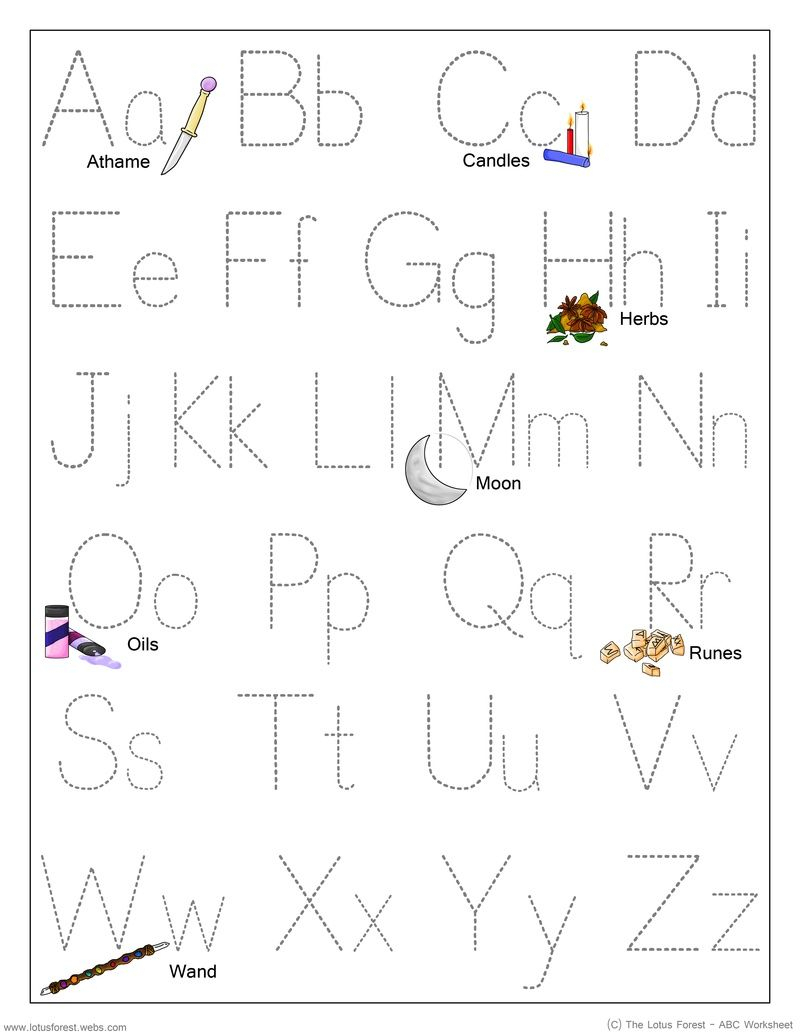
Alphabet Sheets are specially designed worksheets that typically feature each letter of the alphabet, often accompanied by images or words that start with that letter. These resources aim to support early learners in recognizing letters, understanding their sounds, and beginning to associate them with words. For 3-year-olds, the focus is on familiarity and fun rather than strict academic pressure.
Key Features of Alphabet Sheets
When selecting Alphabet Sheets, look for features that enhance their educational value:
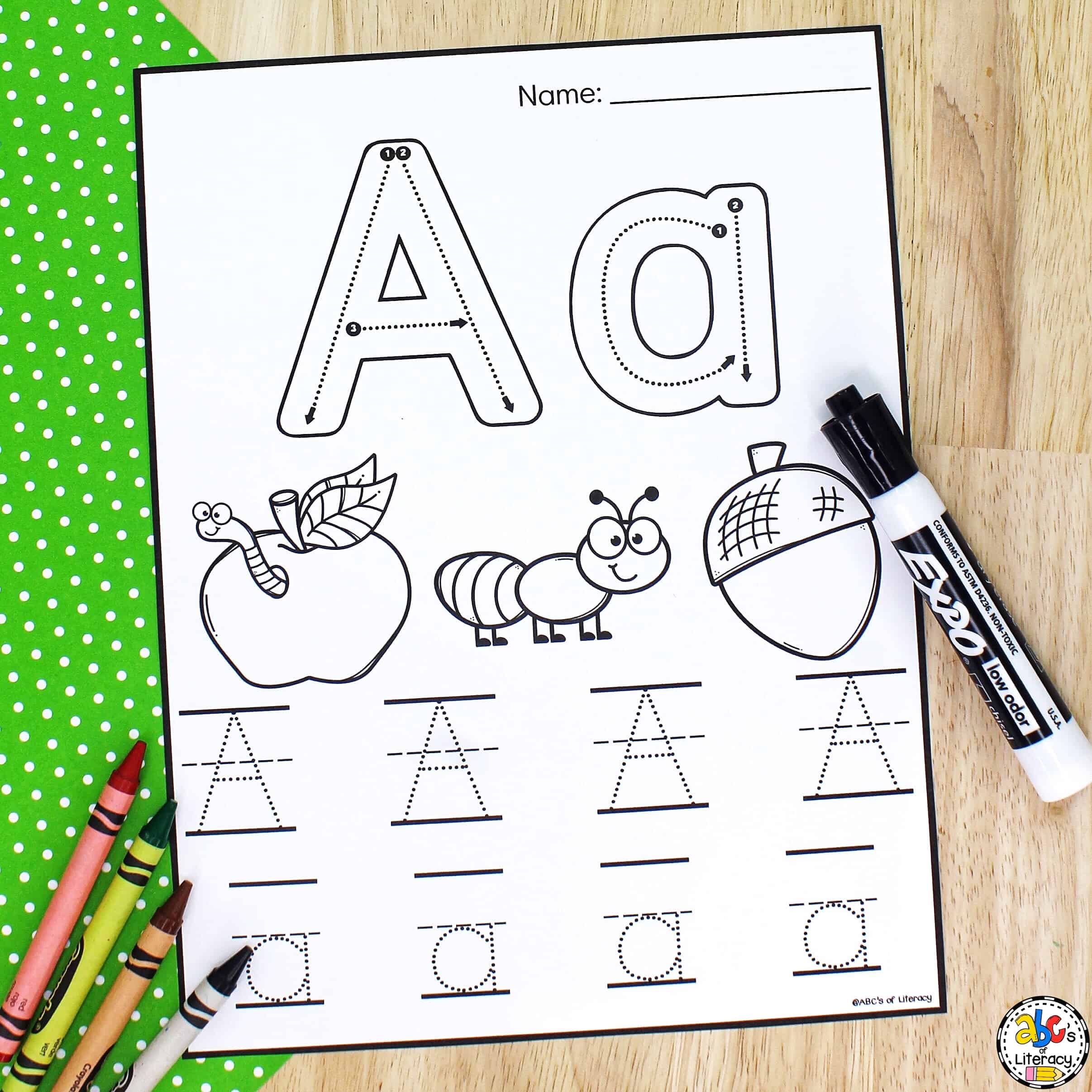
- Visual Aids: Each letter should be paired with an image or object that starts with that letter, making it easier for children to connect the sound with a visual representation. For example, the letter “A” might be illustrated with an apple.
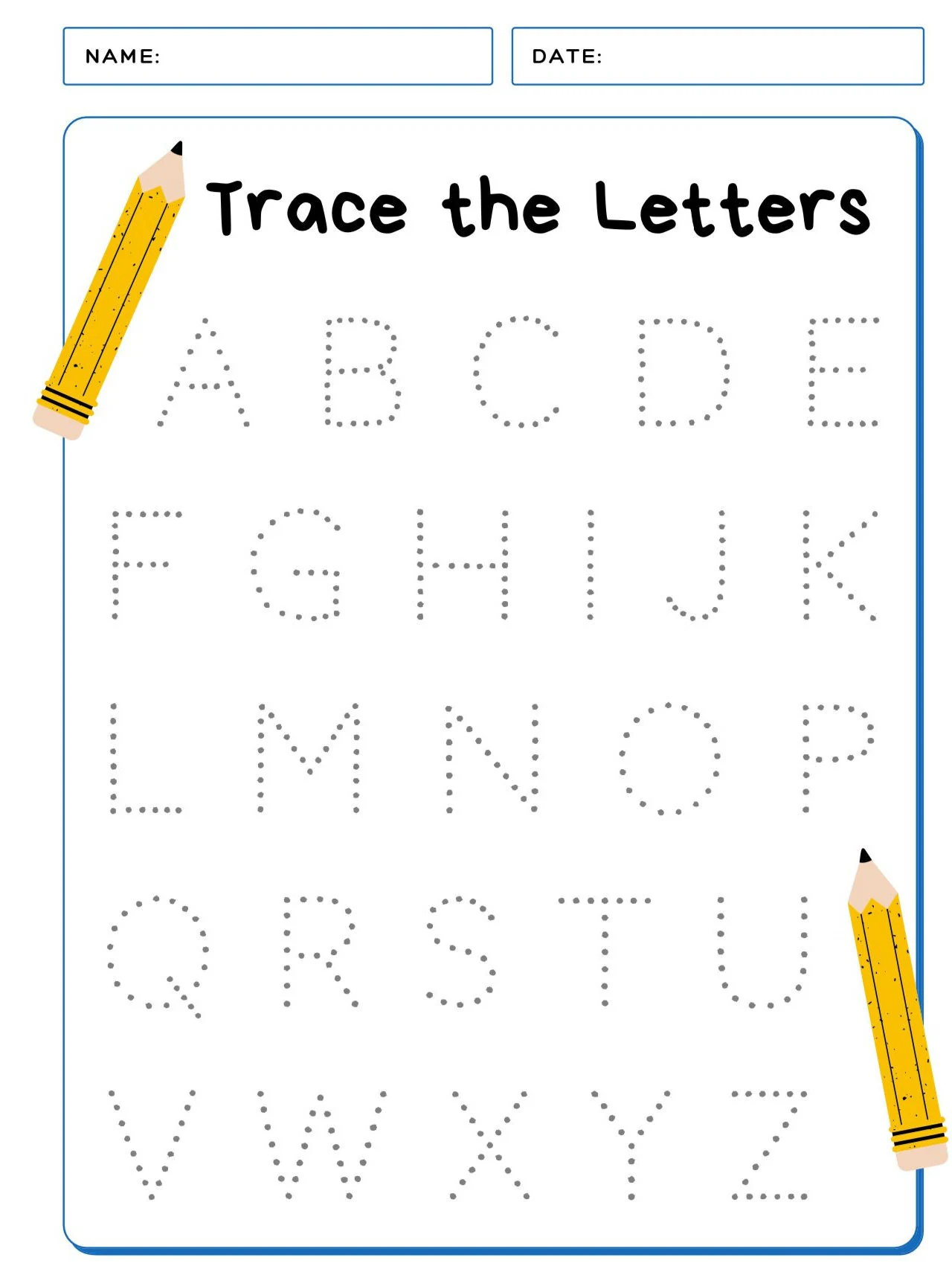
- Traceable Letters: Many sheets include dotted lines for children to trace, which helps develop their fine motor skills while reinforcing letter formation.
- Engaging Designs: Bright colors and fun illustrations can capture a child’s interest, making them more likely to engage with the material.
How to Use Alphabet Sheets Effectively
Using these sheets can be straightforward, but incorporating them into your teaching or home routine effectively can enhance their impact. Here are some practical ways to use Alphabet Sheets for 3-year-olds:
Daily Letter Focus
Choose one letter per day to focus on. Start by introducing the letter using the sheet. Discuss its sound and the associated image. For instance, if the letter of the day is “B,” show the child the corresponding image of a ball. This repetition helps solidify their understanding.
Interactive Activities
Make learning interactive by turning the sheets into a hands-on experience. For example, after tracing the letters, encourage the child to find objects around the house that start with that letter. This scavenger hunt can make learning feel like a game.
Incorporate Play
Integrate Alphabet Sheets into playtime. You might create a matching game where children match the letter on their sheet to a physical object or flashcard. This method builds recognition and helps them recall letters through play.
Tips for Printing and Preparing Alphabet Sheets
When you’re ready to print your Alphabet Sheets, keep these tips in mind for the best results:
- Paper Type: Use cardstock for durability, especially if the sheets will be used frequently. Cardstock holds up better to wear and tear, and it’s easier for little hands to handle.
- Print Settings: Ensure your printer is set to the best quality to enhance the colors and clarity of the letters and images. A standard letter size (8.5 x 11 inches) is usually best for home printers.
- Laminate for Longevity: If you plan to reuse the sheets, consider laminating them. This allows children to use dry-erase markers to trace letters, making them reusable and easy to clean.
Additional Activities to Reinforce Learning
While Alphabet Sheets are a fantastic tool, combining them with other activities can deepen learning. Here are a few suggestions:
Storytime Connection
Select storybooks that highlight the letters of the day. For example, if focusing on “C,” read a book about cats or cars. This not only reinforces the letter but also builds vocabulary and comprehension skills.
Art Projects
Encourage creativity by having children create art projects based on the letter of the day. For instance, for the letter “D,” they could draw or craft a dinosaur. This adds a tactile element to learning and allows for creative expression.
Songs and Rhymes
Incorporate songs or rhymes that emphasize the alphabet. Singing the ABCs can be a fun way to engage children, and many songs introduce sounds associated with each letter.
Where to Find Quality Alphabet Sheets
If you’re looking for high-quality Alphabet Sheets, there are many online resources available for download. Websites dedicated to educational materials often offer free or low-cost printable sheets that are specifically designed for early learners. Look for sites that allow you to filter resources by age or subject to ensure you’re finding appropriate materials.
Recommended Resource Sites
- Teachers Pay Teachers: A marketplace where educators share their resources. You can find a variety of Alphabet Sheets tailored to different learning styles.
- Education.com: Offers a range of printable worksheets, including Alphabet Sheets, with options to customize based on your child’s needs.
- Pinterest: A treasure trove of DIY resources, where you can discover creative Alphabet Sheets shared by other educators and parents.
Engaging Parents in the Learning Process
For parents, being involved in their child’s learning journey is crucial. Encourage them to participate in activities using the Alphabet Sheets. Here are a couple of ways to engage them:
Home Learning Stations
Set up a learning station at home where Alphabet Sheets and related activities are easily accessible. This can be a dedicated space with supplies for tracing, coloring, and playing. Having a consistent spot for learning can help children associate it with fun.
Encourage Daily Practice
Suggest that parents incorporate a few minutes of alphabet practice into their daily routine. This could be during breakfast or before bedtime, making it a natural part of the day rather than a chore.
Using Alphabet Sheets for 3 Year Olds can be a rewarding experience, nurturing a child’s literacy skills while keeping the process enjoyable. By integrating these sheets into daily activities, using various teaching methods, and supporting parents in the learning process, you can help young learners build a strong foundation for future literacy success.