
During a lively morning in a preschool classroom, the air buzzes with excitement. Children gather around tables adorned with colorful worksheets. One little girl, Clara, excitedly points at her Alphabet Review Abc Worksheets Preschool, eager to practice her letters. This scene captures the essence of early literacy—making learning fun and interactive. These worksheets are invaluable tools for teachers and parents alike, helping young learners master the alphabet through engaging activities.
Importance of Alphabet Review in Preschool
Before diving into the specifics of the Alphabet Review Abc Worksheets, it’s essential to understand why alphabet review is crucial in preschool education. Children at this stage are developing their language skills, and reinforcing their understanding of letters is foundational for reading and writing. Regular practice helps solidify their knowledge, making them more confident as they transition into more complex literacy tasks.
Using worksheets specifically designed for alphabet review can:
- Reinforce letter recognition.
- Promote phonemic awareness.
- Foster fine motor skills through writing and tracing activities.
- Encourage creativity through coloring and drawing.
By integrating these worksheets into your daily routine, you can provide consistent practice that enhances children’s learning experiences.
Types of Activities in Alphabet Review Worksheets
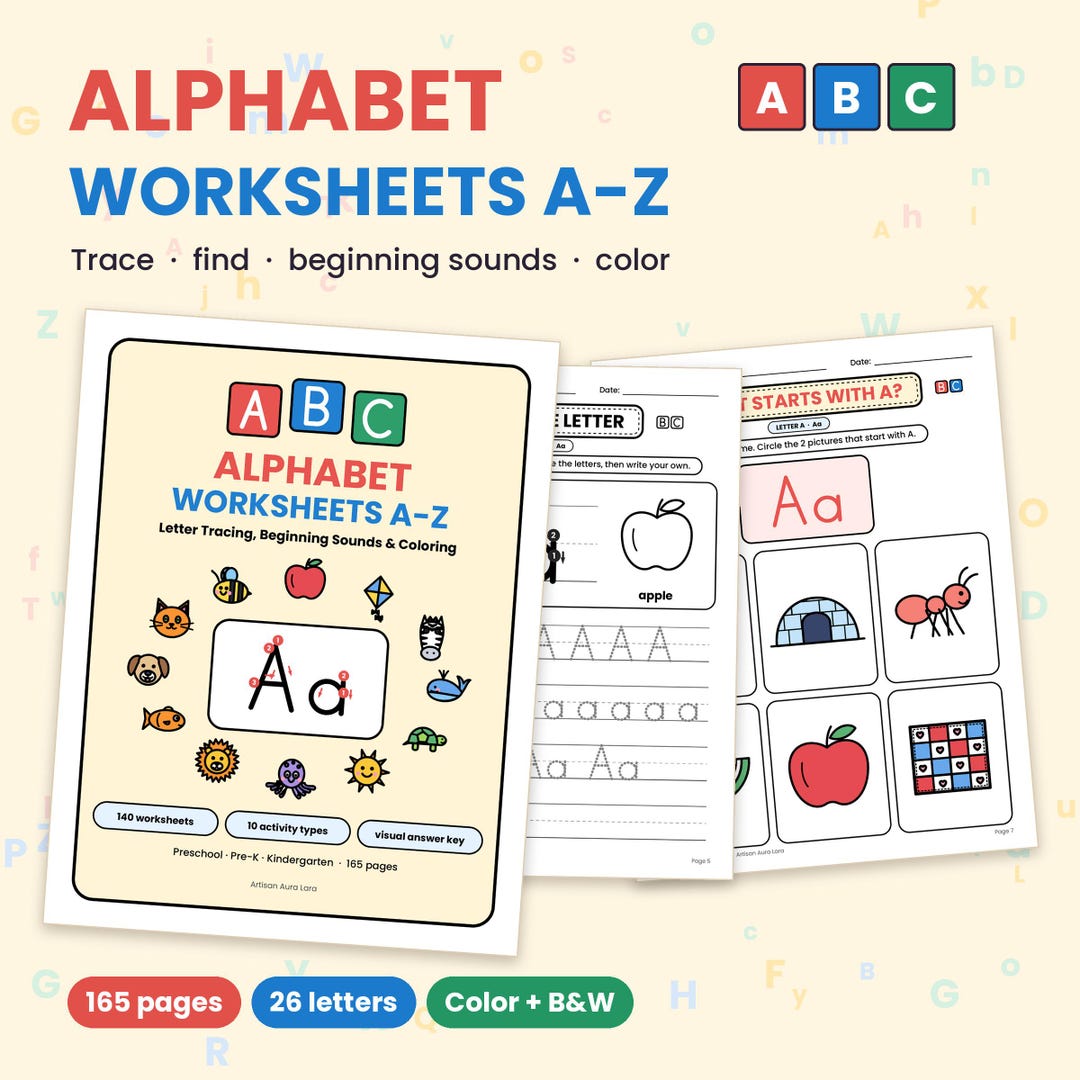
Alphabet Review Abc Worksheets typically include a variety of activities tailored to reinforce letter recognition and phonics skills. Here’s a closer look at some popular formats you might find:
Tracing Letters
One of the most effective ways to help preschoolers learn their letters is through tracing activities. Worksheets often provide dotted letters for children to trace, which aids in developing fine motor skills. Encourage students to say the letter aloud as they trace it to reinforce recognition and sound association.
Matching Upper and Lowercase Letters
Matching activities help children understand the connection between uppercase and lowercase letters. Worksheets might present two columns, one with uppercase letters and the other with their lowercase counterparts. This activity not only aids recognition but also introduces the concept of letter pairs.
Coloring Activities
Coloring is not only enjoyable for children but also enhances their focus and creativity. Alphabet worksheets often include images corresponding to letters (e.g., an apple for ‘A’) that children can color. This dual approach reinforces letter recognition while allowing for artistic expression.
Simple Word Formation
Some worksheets also introduce simple words related to the letters being reviewed. For instance, after practicing the letter ‘B’, children might see the word “bat” with a picture. This activity bridges letter recognition with phonics, preparing them for future reading.
Incorporating Worksheets Into Daily Learning
To maximize the benefits of Alphabet Review Abc Worksheets, consider incorporating them into a structured routine. Here’s a practical approach for teachers and parents:
Weekly Schedule
Rather than overwhelming children with too many activities at once, space the worksheets throughout the week. For example:
- Monday: Focus on tracing the letters ‘A’ and ‘B’.
- Tuesday: Match uppercase ‘A’ and ‘B’ with their lowercase counterparts.
- Wednesday: Engage in coloring activities related to those letters.
- Thursday: Introduce simple words that start with ‘A’ and ‘B’.
- Friday: Review the week’s activities through a fun game or group activity.
This structure not only reinforces the letters but also allows for repetition, which is crucial for memory retention.
Use of Rewards
To motivate children, consider implementing a reward system. After completing a set of worksheets, they could earn stickers or small prizes. This positive reinforcement encourages them to engage more fully with each activity.
Practical Tips for Effective Use
While using Alphabet Review Abc Worksheets, keep these practical tips in mind to enhance the learning experience:
- Print Quality: Use high-quality paper for printing to withstand repeated handling. If possible, print on cardstock, especially for coloring activities that may require more durability.
- Accessibility: Ensure that the worksheets are easily accessible for children. A dedicated folder or binder can help keep the materials organized.
- Interactive Sessions: Pair worksheet activities with interactive sessions, such as singing the alphabet song or playing alphabet games. This combination of auditory and visual learning can reinforce their skills.
- Parent Involvement: Encourage parents to engage with their children at home using these worksheets. Provide them with tips on how to support their child’s learning, emphasizing the importance of consistent practice.
Additional Resources for Alphabet Review
In addition to worksheets, consider complementing your alphabet review with various resources. Books, educational apps, and online games focused on letter recognition can further enhance learning. Here are a few ideas:
- Alphabet Books: Choose colorful alphabet books that encourage children to identify letters while enjoying a story.
- Online Games: Websites often have interactive games that reinforce letter recognition and phonics in a fun way.
- Flashcards: Use flashcards for quick review sessions, making learning dynamic and engaging.
By utilizing a variety of resources, children can experience a well-rounded approach to mastering the alphabet.
Using Alphabet Review Abc Worksheets Preschool effectively can make a significant difference in a child's early literacy development. By incorporating these worksheets into a structured routine, employing engaging activities, and utilizing various resources, you can create an enriching learning environment that prepares preschoolers for future success in reading and writing. Remember, the key is consistency and making learning enjoyable.