
Alphabet recognition is a foundational skill for young learners, crucial in helping them transition from pre-reading to reading. Utilizing Alphabet Recognition And Identification Worksheets can make this learning process both enjoyable and effective. These worksheets provide children with a structured way to identify and recognize letters, fostering confidence and literacy skills.
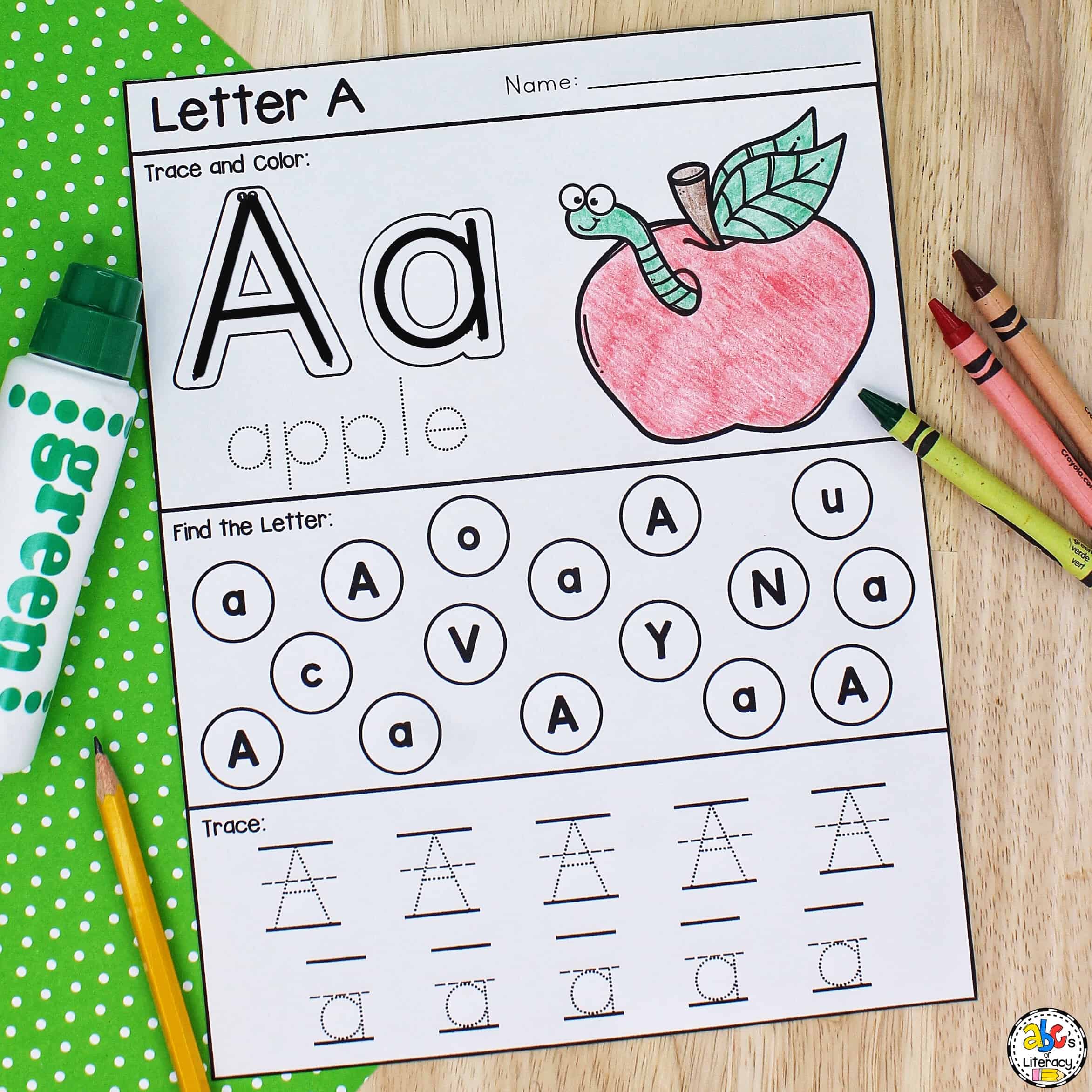
Understanding Alphabet Recognition
Alphabet recognition refers to the ability of a child to identify and name the letters of the alphabet, both in uppercase and lowercase forms. This skill typically develops in preschool and kindergarten, where children are introduced to letters through various activities. Recognizing letters helps children connect sounds with symbols, which is essential for reading and writing.
When choosing worksheets for this purpose, it’s important to consider activities that reinforce both recognition and identification. Look for worksheets that include a variety of exercises, such as tracing letters, matching uppercase to lowercase, and engaging in fun coloring activities that emphasize letter shapes.
Features of Effective Worksheets
Not all worksheets are created equal. Here are some key features to look for when selecting Alphabet Recognition And Identification Worksheets:
- Age Appropriateness: Ensure the worksheets are suitable for preschool to kindergarten-aged children (around ages 3 to 6). Activities should match their developmental stage and cognitive abilities.
- Variety of Activities: Worksheets that incorporate tracing, coloring, and matching can keep children engaged. Look for those that offer a mix of these activities to cater to different learning styles.
- Visual Appeal: Colorful and engaging designs can capture children’s attention. Worksheets with images related to letters (like animals or objects) can help reinforce learning.
- Clear Instructions: Worksheets should include simple and understandable instructions that guide both the child and the parent or teacher on how to complete the activities.
- Repetition for Mastery: Activities that encourage practice through repetition can help solidify letter recognition skills. Worksheets that can be used multiple times or have different variations can be particularly useful.
Integrating Worksheets Into Learning Sessions
Incorporating Alphabet Recognition And Identification Worksheets into your teaching routine can be straightforward. Here’s how to make the most out of these resources in a classroom or homeschool setting:
- Set a Routine: Integrate the worksheets into daily learning sessions. For example, dedicate a specific time each day to focus on letter recognition. This could be as simple as a 15-minute session where children work on a worksheet while you provide guidance and support.
- Use as a Supplement: Pair worksheets with hands-on activities like letter scavenger hunts or alphabet songs to make learning dynamic. For instance, after completing a worksheet, encourage children to find items around the house or classroom that start with the letters they just learned.
- Monitor Progress: Use the worksheets to assess children’s understanding over time. Collect completed worksheets to gauge their recognition skills and determine if further practice is needed. This can help in tailoring future lessons to meet their needs.
- Encourage Sharing: Have children share their completed worksheets with family members or classmates. This encourages discussion about letters and reinforces their learning through teaching.
- Make it Fun: Incorporate games and challenges based on the worksheets. For example, turn letter identification into a timed challenge where children race to identify letters or complete tasks on their worksheets.
Types of Activities to Include
To maximize the effectiveness of Alphabet Recognition And Identification Worksheets, consider including a range of activities:
- Tracing: Worksheets that allow children to trace letters can help develop fine motor skills while reinforcing letter shapes.
- Matching Games: Activities where children match uppercase letters with their lowercase counterparts can deepen their understanding of letter forms.
- Coloring Activities: Including characters or objects that begin with specific letters can make learning more engaging and visually stimulating.
- Letter Sorting: Worksheets that require children to sort letters into categories, such as vowels and consonants, can enhance their understanding of the alphabet’s structure.
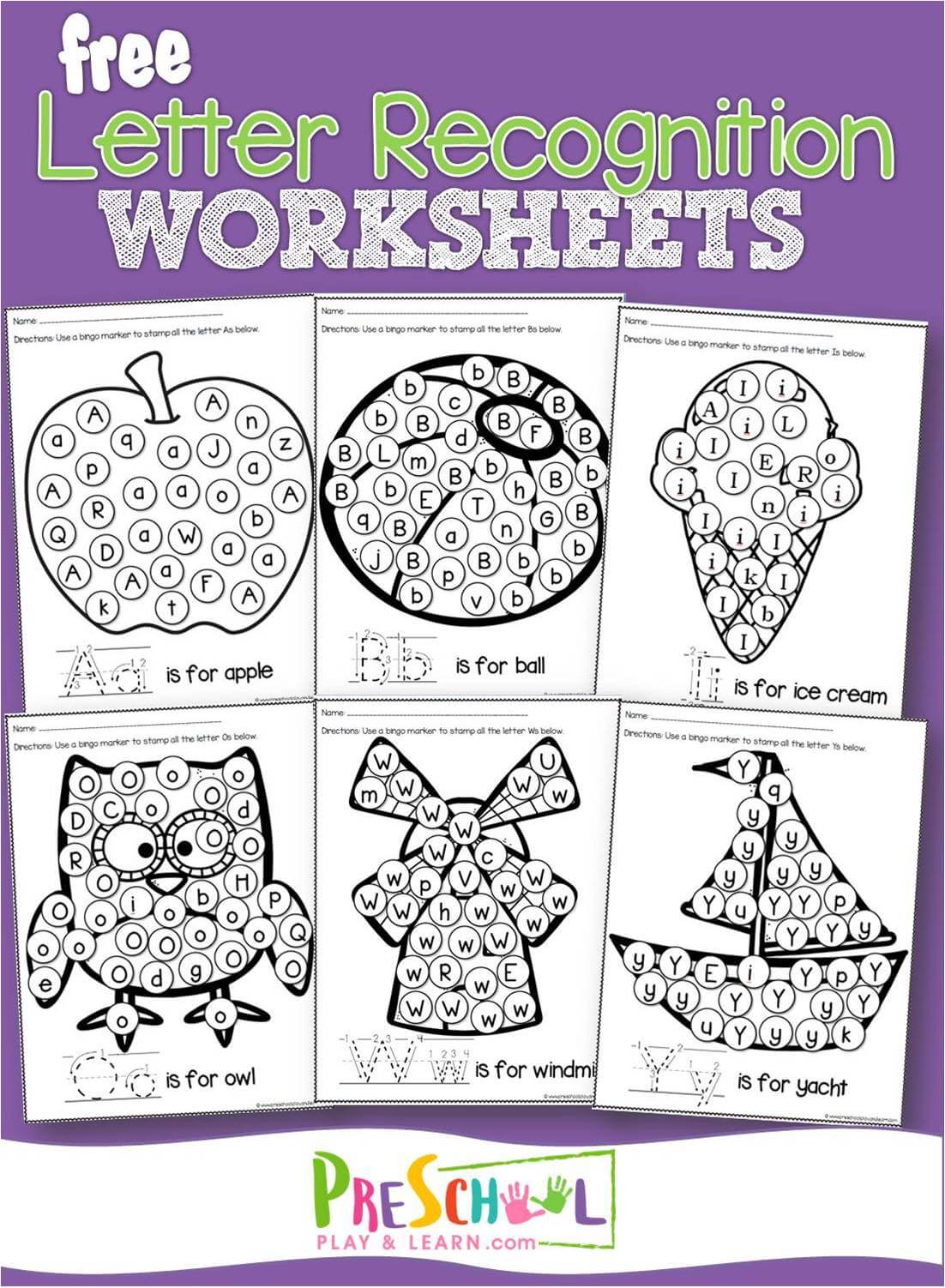
- Interactive Elements: Incorporate stickers or stamps that children can use to mark letters as they identify them. This tactile element can enhance engagement and retention.
Resources for Printable Worksheets
When looking for Alphabet Recognition And Identification Worksheets, there are plenty of resources available online. Many educational websites offer free or low-cost printable worksheets. Some popular platforms include:
- Teachers Pay Teachers: A marketplace where educators can buy and sell original teaching resources, including worksheets tailored for alphabet recognition.
- Education.com: This site offers a variety of printable worksheets specifically designed for early learners, covering a range of skills including letter recognition.
- K12Reader: Provides free worksheets that can be downloaded and printed, focusing on various literacy skills including alphabet recognition.
- Super Simple: This site offers a range of printable resources, including fun worksheets for teaching young children their letters through engaging designs.
Final Tips for Using Worksheets Effectively
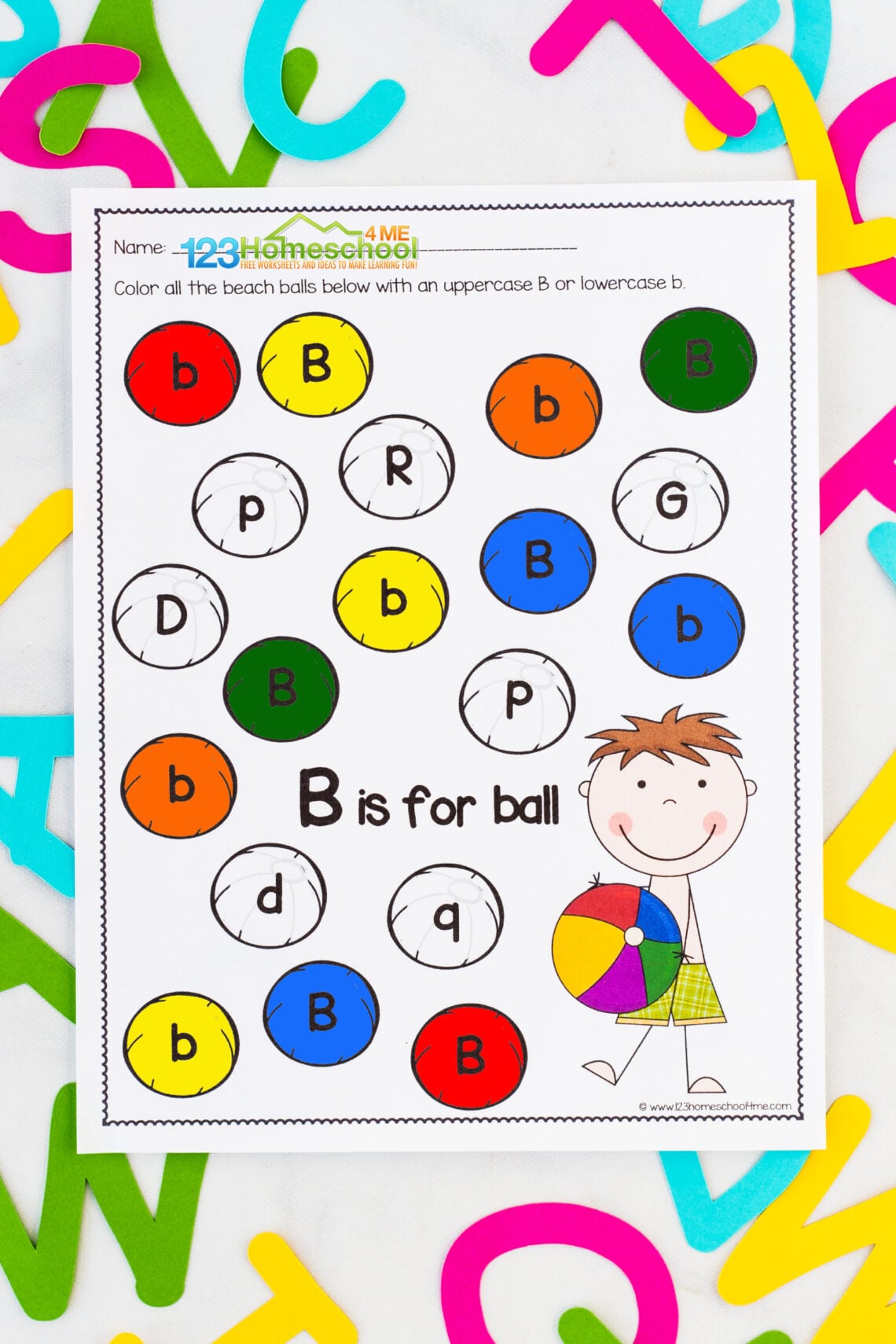
To ensure the best outcomes when using Alphabet Recognition And Identification Worksheets, consider the following tips:
- Laminating Worksheets: For repeated use, laminate the worksheets so children can use dry-erase markers to complete them multiple times.
- Incorporate Technology: If possible, use interactive apps or online resources that complement the worksheets. These can provide additional practice in a format children find exciting.
- Create a Portfolio: Keep a portfolio of children’s completed worksheets to track their progress over time and celebrate their achievements.
- Engage Parents: Share the worksheets with parents to encourage at-home practice. Provide them with tips on how to make learning fun and stress-free.
By selecting the right Alphabet Recognition And Identification Worksheets and integrating them thoughtfully into your teaching practice, you can help young learners develop essential literacy skills in an enjoyable and effective way.