
Teaching preschoolers the alphabet is a foundational skill that sets the stage for their future reading and writing abilities. Alphabet printing pages for preschoolers provide an engaging way to help young learners practice letter formation while also fostering their creativity. These pages are designed specifically for early learners, making them ideal for teachers, parents, and caregivers looking to reinforce literacy skills in a fun and interactive manner.
Understanding Alphabet Printing Pages
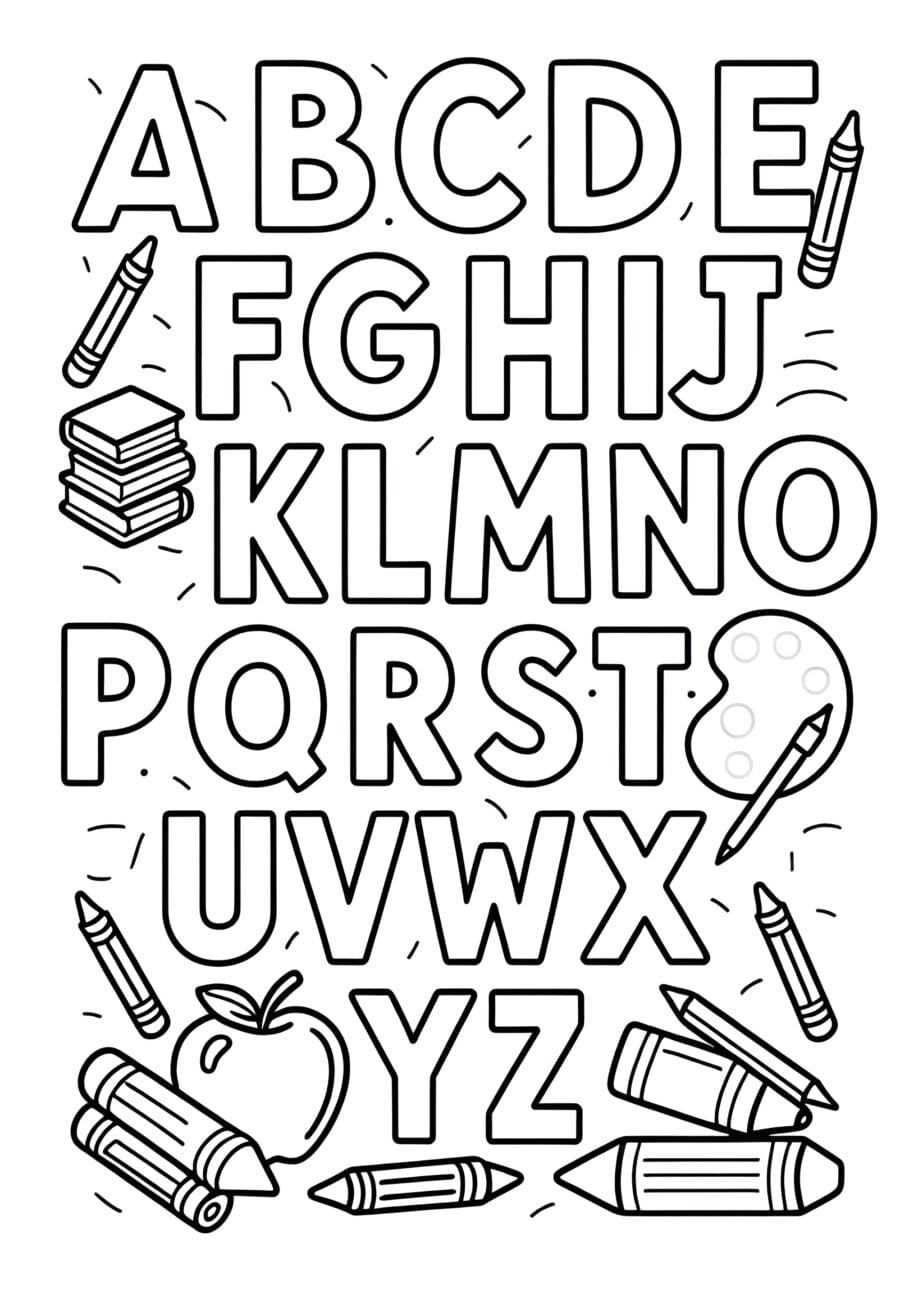
Alphabet printing pages are designed to help preschoolers learn to recognize and write letters from A to Z. Each page typically features a large letter in both uppercase and lowercase forms, often accompanied by images that start with that letter. This combination aids in letter recognition and phonetic awareness, which are crucial components of early literacy.
You’ll find that these pages usually have a simple, clear layout that makes them easy for young children to use. The letters are often outlined, allowing preschoolers to trace over them, which helps develop fine motor skills. Additionally, many pages include spaces for children to practice writing the letters independently.
Layout and Design Features
When selecting alphabet printing pages for preschoolers, pay attention to the layout and design features. A well-designed page will have:
- Large, clear letters: This ensures that children can easily identify the letters they are practicing.
- Guided tracing lines: These can help children learn how to form letters correctly, providing a visual reference.
- Illustrative images: Including pictures that relate to the letter being practiced can enhance memory retention. For example, an image of an apple for the letter “A”.
The use of bright colors and engaging visuals can also keep preschoolers interested and motivated while learning.
Progress Monitoring: What Mastery Looks Like
Monitoring progress is essential for understanding how well preschoolers are grasping the concepts of letter recognition and writing. Here are some indicators of mastery when using alphabet printing pages:
- Consistent Letter Formation: As children practice, they should begin to form letters more consistently and accurately. Look for improvements in both the size and shape of the letters they write.
- Speed of Completion: Over time, children should become more confident and quicker in completing the pages. If they are taking longer than usual or becoming frustrated, they may need additional practice or support.
- Recognition of Letters: After using the printing pages, engage children in identifying letters in their environment or in books. Their ability to recognize letters outside of the worksheet context is a strong indicator of mastery.
Practical Activities Using Alphabet Printing Pages
Incorporating alphabet printing pages into various activities can make learning more dynamic. Here are some practical ideas:
1. Tracing and Coloring
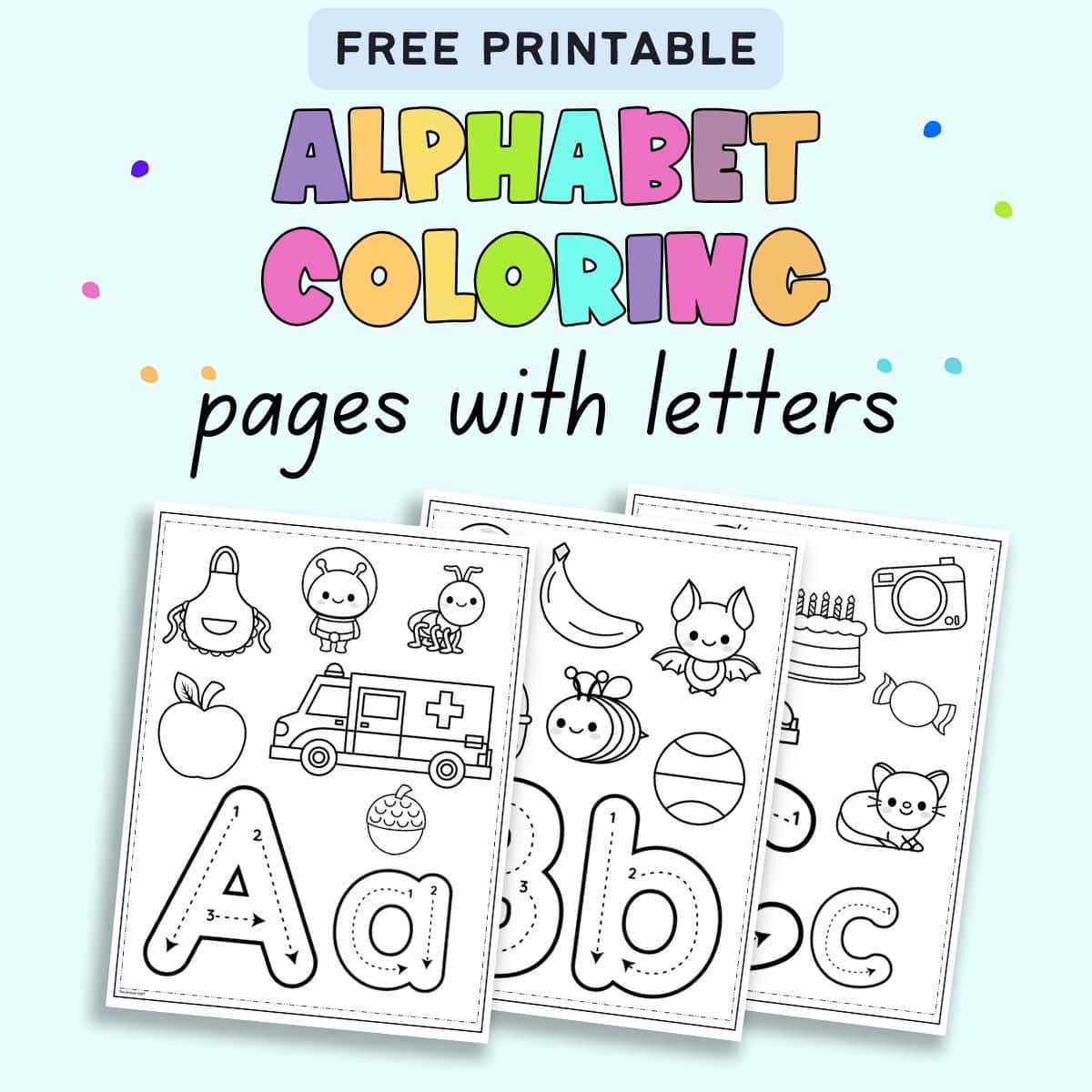
After having children trace the letters, encourage them to color in the corresponding pictures. This not only reinforces their learning but also enhances their fine motor skills. For instance, after tracing the letter “B,” they can color a picture of a balloon.
2. Letter Scavenger Hunt
Once children have practiced with the printing pages, take them on a letter scavenger hunt. Ask them to find objects around the classroom or home that start with the letter they just learned. This reinforces their understanding of letter sounds and connections to real-world items.
3. Create an Alphabet Book
Compile the completed printing pages into a personalized alphabet book. Each page can represent a letter, complete with illustrations and the child’s own writing. This serves as a wonderful keepsake and a reference tool for future learning.
Tips for Effective Use of Printing Pages
To maximize the effectiveness of alphabet printing pages for preschoolers, consider these tips:
- Use Quality Paper: Opt for thicker paper that can withstand repeated erasing or coloring. Cardstock is a good choice if you plan to laminate the pages for durability.
- Interactive Learning: Pair the printing pages with songs or rhymes that emphasize the alphabet. This multisensory approach can enhance engagement and retention.
- Frequent Practice: Regular practice is key. Short, daily sessions are often more effective than longer, less frequent ones.
Where to Find Printable Alphabet Pages
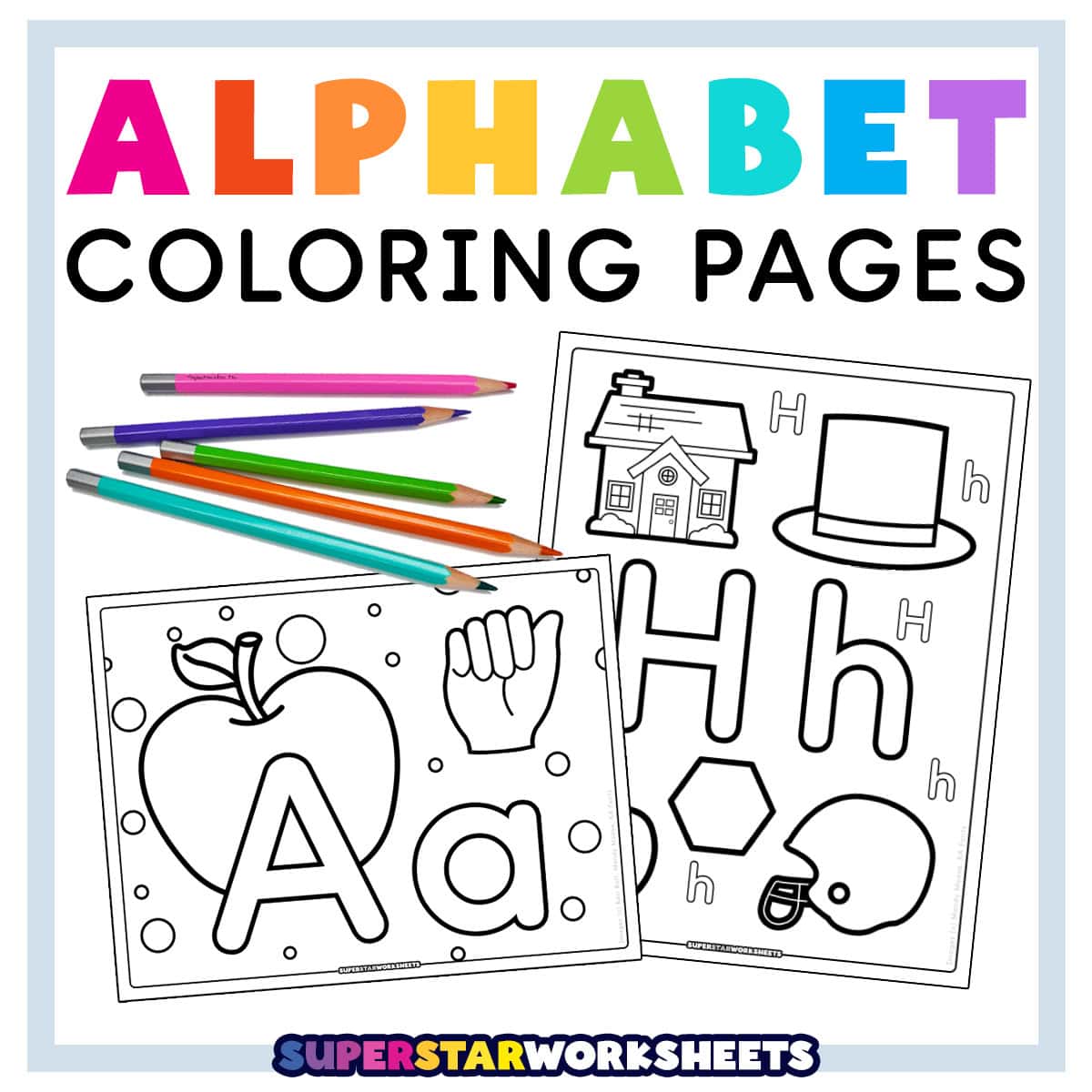
There are numerous resources online where you can find high-quality alphabet printing pages for preschoolers. Look for sites that specialize in educational materials, as they often provide a range of styles and designs. Make sure to choose resources that allow for easy downloading and printing, ensuring you can quickly access materials when needed.
When selecting resources, check for:
- Variety of Designs: Different styles can cater to various learning preferences. Some may prefer simple outlines, while others may enjoy more decorative versions.
- Format Compatibility: Ensure the pages are available in a PDF format, as this will maintain the integrity of the design when printed.