
In the quest to support early literacy, teachers and parents often seek resources that can effectively engage young learners. Alphabet Printables Free Uppercase And Lowercase offer a versatile way to help children recognize and write letters, enhancing their reading and writing skills. These printables can be utilized in various settings, from classrooms to homeschooling environments, making them a valuable tool for any educator or caregiver.
Understanding the Importance of Alphabet Recognition
Before delving into the specifics of using alphabet printables, it’s essential to understand why alphabet recognition is crucial for young learners. Mastery of the alphabet lays the foundation for reading and writing. Children typically begin learning the alphabet between the ages of 3 and 5, and this knowledge is vital for their literacy development.
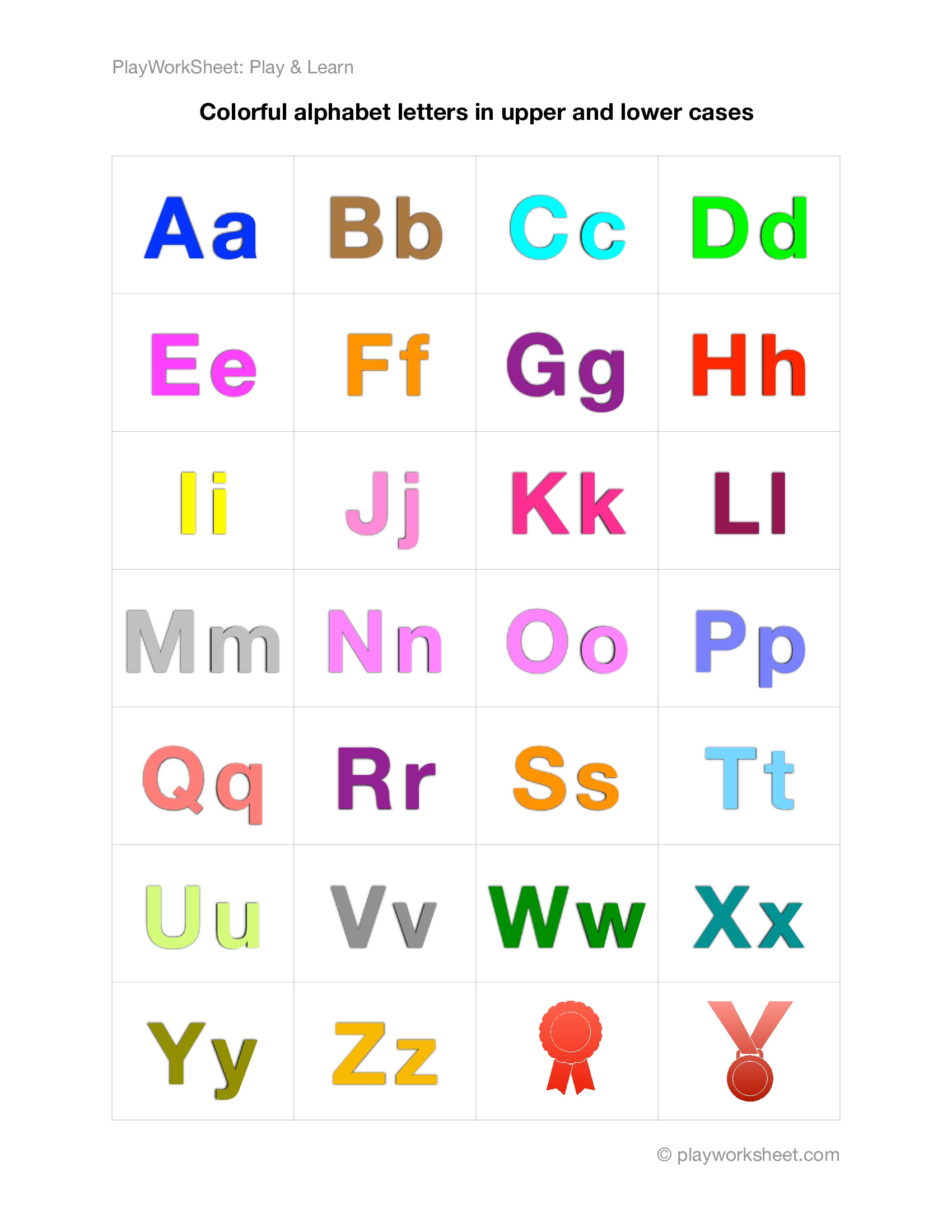
Using alphabet printables allows children to practice both uppercase and lowercase letters in a structured yet enjoyable manner. This dual focus not only helps them recognize letters but also aids in understanding the differences between uppercase and lowercase forms.
Types of Alphabet Printables Available
When searching for Alphabet Printables Free Uppercase And Lowercase, you might encounter various formats and styles. Here are some common types to consider:
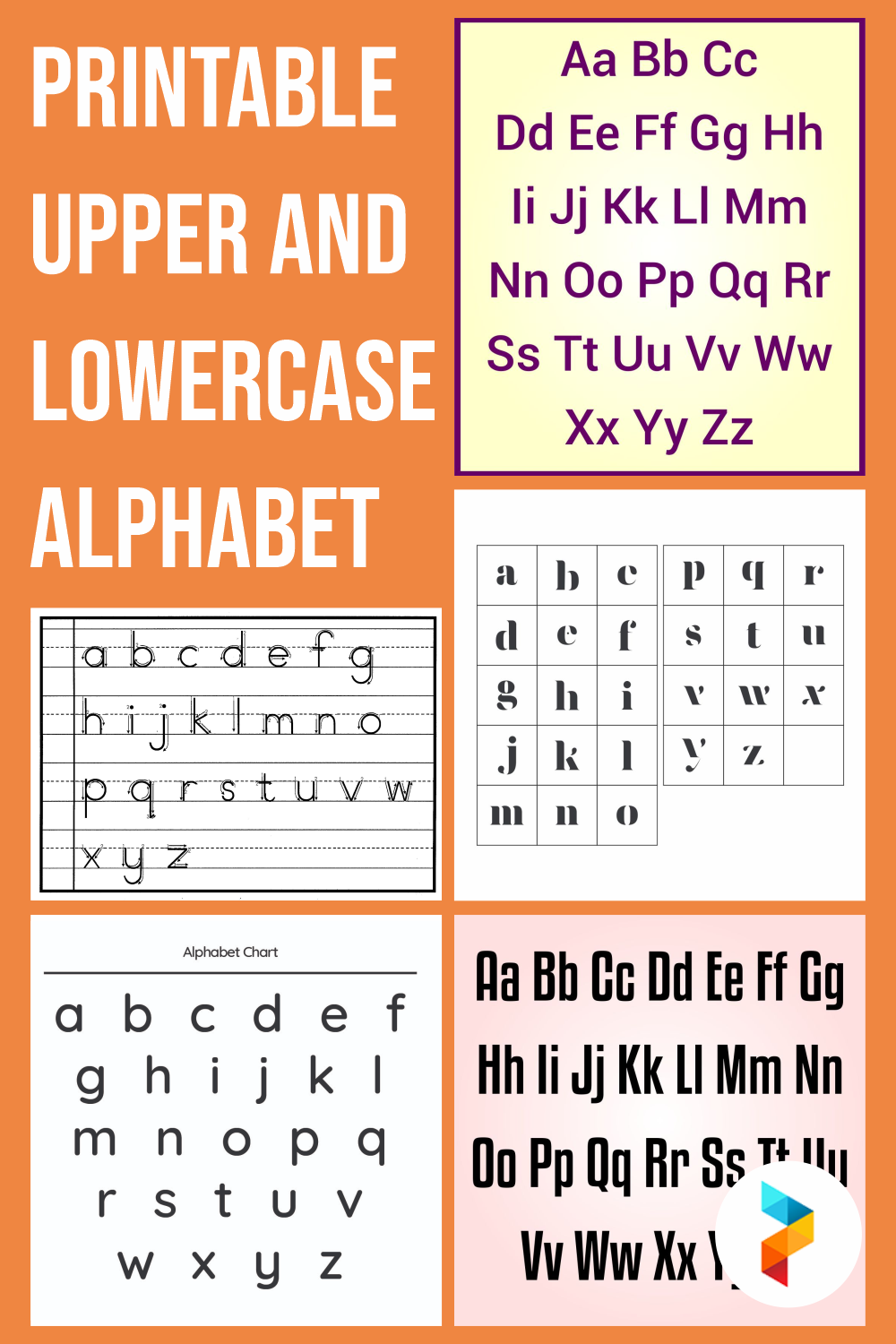
- Worksheets: These often include tracing activities, where children can practice writing letters while following dotted lines.
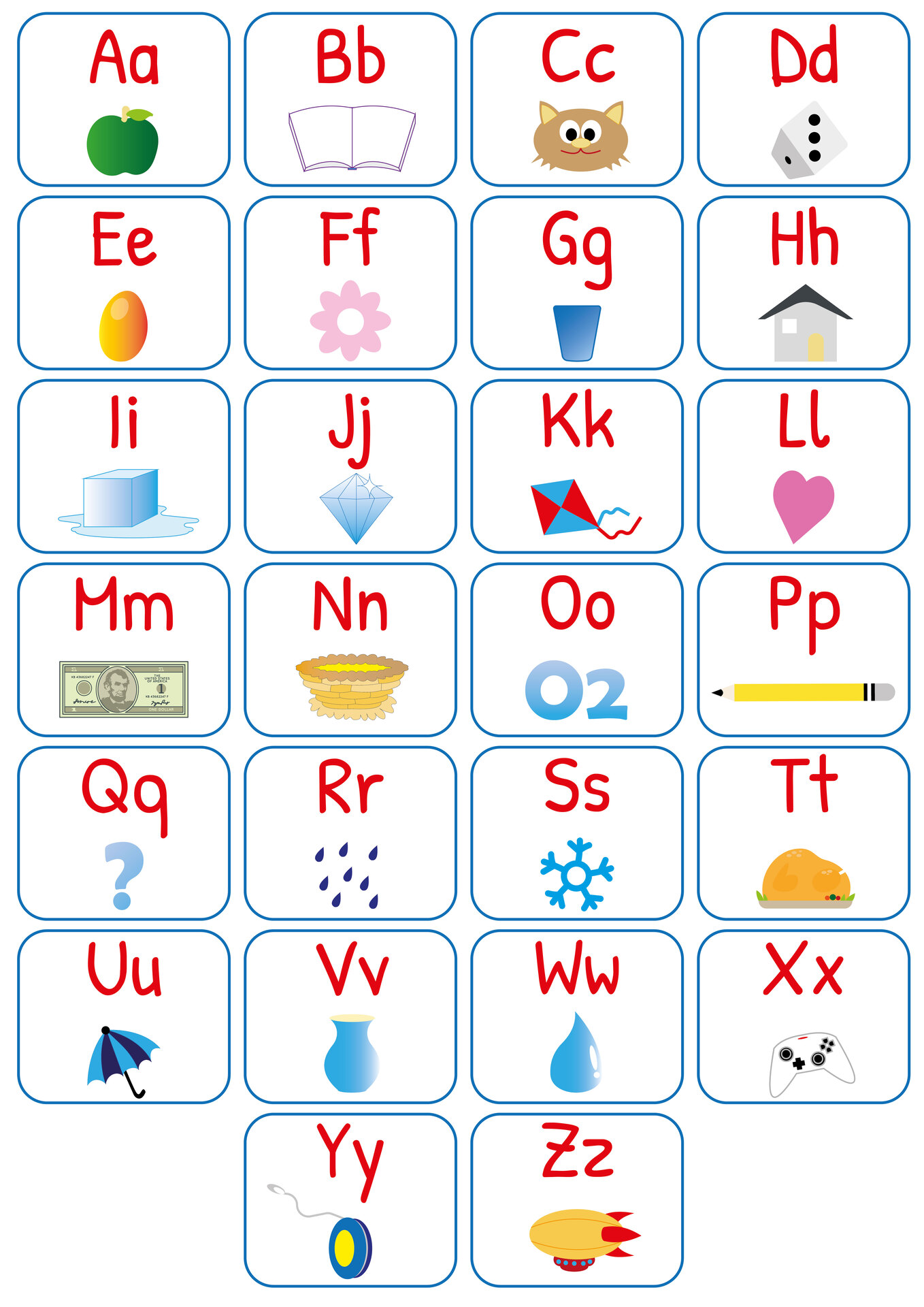
- Flashcards: Great for quick recognition drills, flashcards can help reinforce letter names and sounds.
- Coloring Pages: Engaging for younger children, these printables allow them to color letters while discussing the associated words (e.g., A for apple).
- Games and Activities: Some printables include activities like matching games or letter puzzles that make learning fun.
Choosing a mix of these types can cater to different learning styles and keep children engaged.
How to Use Alphabet Printables Effectively
Utilizing alphabet printables can be straightforward, but effective implementation can make a significant difference in a child’s learning experience. Here’s a step-by-step approach to using these resources:
- Select the Right Printables: Identify the specific skills you want to focus on. For instance, if your child struggles with lowercase letters, prioritize printables that emphasize this area.
- Set Up a Learning Environment: Create a designated space for learning. Ensure that it’s free from distractions, and have all necessary supplies on hand, such as colored pencils, crayons, or markers.
- Introduce the Letters: Before handing out the printables, introduce the letters. For example, display flashcards and discuss the letter names and sounds. This helps children connect the printables to the broader context of language.
- Engage with the Printables: Start with tracing worksheets. Encourage children to trace both uppercase and lowercase letters while saying the letter names out loud. This reinforces memory through auditory and kinesthetic learning.
- Incorporate Play: Use coloring pages or games to make the learning process enjoyable. For instance, after completing a worksheet, allow some time for coloring related images. This keeps the momentum going and makes learning feel less like a chore.
- Check for Understanding: As children work through the printables, monitor their progress. Look for signs of mastery, such as consistent letter formation and recognition. If they struggle, consider revisiting the basics or providing more targeted practice.
Creating a Routine With Alphabet Printables
Consistency is key when it comes to building literacy skills. Here’s how you can integrate alphabet printables into a daily routine:
- Daily Practice: Dedicate a small amount of time each day to letter practice. This could be as simple as completing one worksheet or reviewing flashcards for 10 minutes.
- Themed Weeks: Consider organizing your printables around themes. For instance, focus on a letter each week, incorporating it into various activities such as crafts or storytelling.
- Involve Family: Encourage siblings or family members to join in on the learning process. This can create a supportive learning environment and make practice more enjoyable.
Evaluating Progress With Alphabet Printables
To ensure the effectiveness of the alphabet printables, it’s essential to evaluate children’s progress regularly. Here are some methods to assess their understanding:
- Observation: Watch how children handle the printables. Are they able to identify letters quickly? Do they show improvement in their writing?
- Record Keeping: Keep a portfolio of their completed worksheets. This allows you to track progress over time and identify areas needing additional focus.
- Feedback: Encourage children to express what they enjoy about the printables and what they find challenging. Their feedback can guide you in choosing future resources.
Tips for Printing and Preparing Alphabet Printables
When preparing your alphabet printables for use, consider the following tips:
- Paper Choices: Use cardstock for durability, especially if the printables will be used frequently. For coloring pages, regular printer paper works well.
- Printer Settings: Ensure your printer is set to high quality to produce clear images and text. This is particularly important for tracing worksheets.
- Laminating Options: If you plan to reuse printables, consider laminating them. This allows for dry-erase markers to be used, making them suitable for multiple children.
By effectively using Alphabet Printables Free Uppercase And Lowercase, you can create a supportive and engaging learning environment that fosters literacy skills in young learners. Whether in a classroom or at home, these resources serve as a valuable tool in any educator’s or caregiver’s toolkit.