
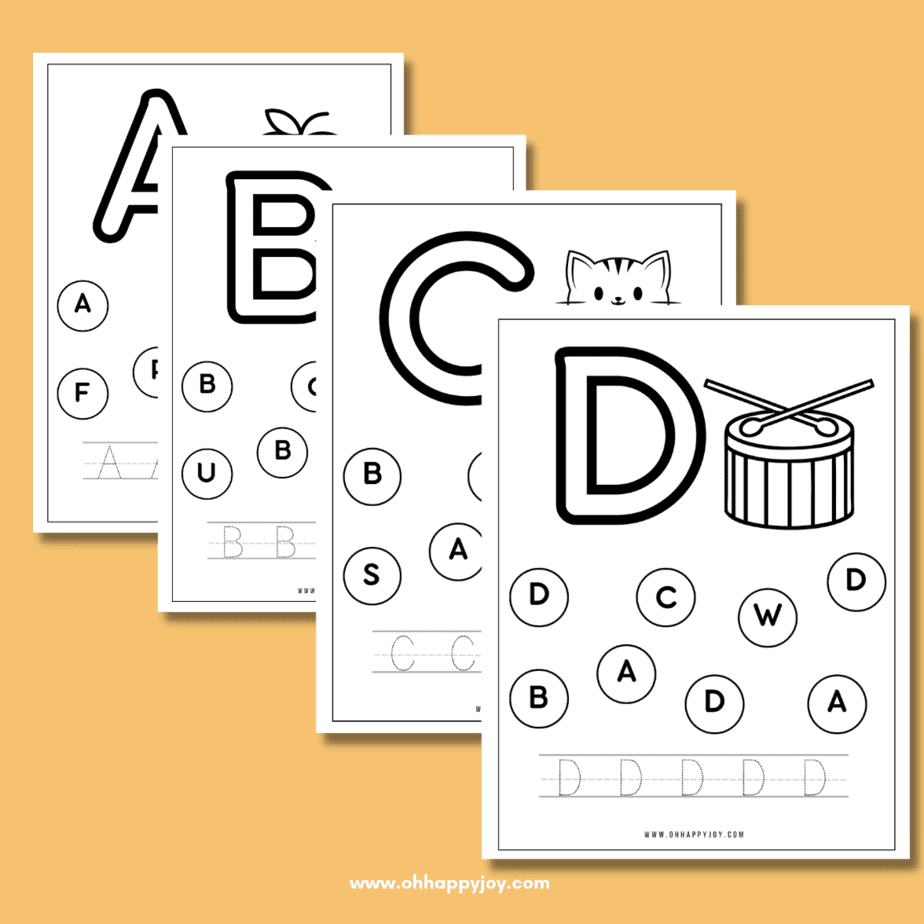
When it comes to teaching young children, especially two-year-olds, engaging and interactive resources are essential. Alphabet printables for 2 year olds can be a fantastic way to introduce letters and sounds in a fun, visually appealing manner. These resources often come in various formats, from worksheets and coloring pages to flashcards and activity sheets, allowing for a diverse approach to learning.
Choosing the Right Alphabet Printables
The first step is to select the right alphabet printables that will suit your teaching environment. Consider the following factors:
- Age Appropriateness: Ensure the resources are designed for toddlers. Look for colorful designs, simple letters, and engaging images that resonate with their interests.
- Variety of Formats: Choose a mix of worksheets, coloring pages, and flashcards. This variety keeps activities fresh and caters to different learning styles.
- Ease of Use: Look for printables that are easy to download and print. PDF formats are often the most reliable as they maintain formatting across different devices.
Downloading and Printing Your Resources
Once you’ve decided on the alphabet printables for 2 year olds, it’s time to download and print them. Here’s how to do it effectively:
- Download the Files: Click on the download link for your chosen printables. Most educational websites provide these in PDF format for easy access.
- Print Settings: Use standard letter size (8.5 x 11 inches) for most printables. If you’re using a home printer, portrait layout usually works best. For coloring pages, consider using cardstock; it holds up better against markers and crayons.
- Quality Check: Before printing a whole set, do a test print of one page to check colors and layout. This helps avoid wasting paper and ink.
Setting Up for Learning
Before introducing the alphabet printables to your little learners, setting up the environment is crucial. Here’s how to create an inviting learning space:
- Designate a Learning Area: Choose a quiet, comfortable place with good lighting. A small table or a cozy corner with cushions can work well.
- Gather Supplies: Equip the area with crayons, markers, scissors (for older toddlers), and glue. Having everything within reach keeps the activity flowing smoothly.
- Incorporate Routine: Establish a routine that includes a specific time for alphabet activities. Consistency helps reinforce learning.
Engaging Activities With Alphabet Printables
Now that you have your alphabet printables and a designated space, it’s time to engage your students. Here are a few activity ideas:
Alphabet Coloring Pages
Coloring is not just fun; it’s a great way to develop fine motor skills. Use alphabet coloring pages that feature letters alongside corresponding images (like A for Apple). This helps children connect letters with sounds and objects, reinforcing their learning.
Letter Matching Games
Create a simple matching game using flashcards. Print two sets of alphabet cards, one with uppercase and one with lowercase letters. Place them face down and have the children flip them over to find matching pairs. This enhances memory skills and letter recognition.
Letter Tracing Worksheets
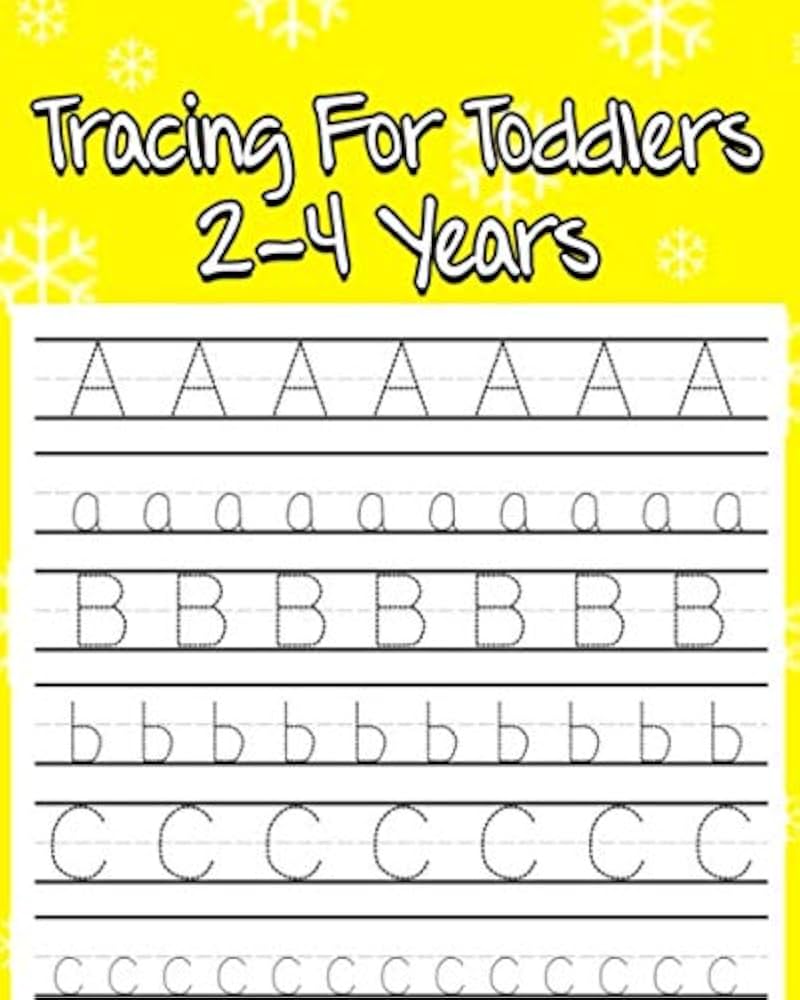
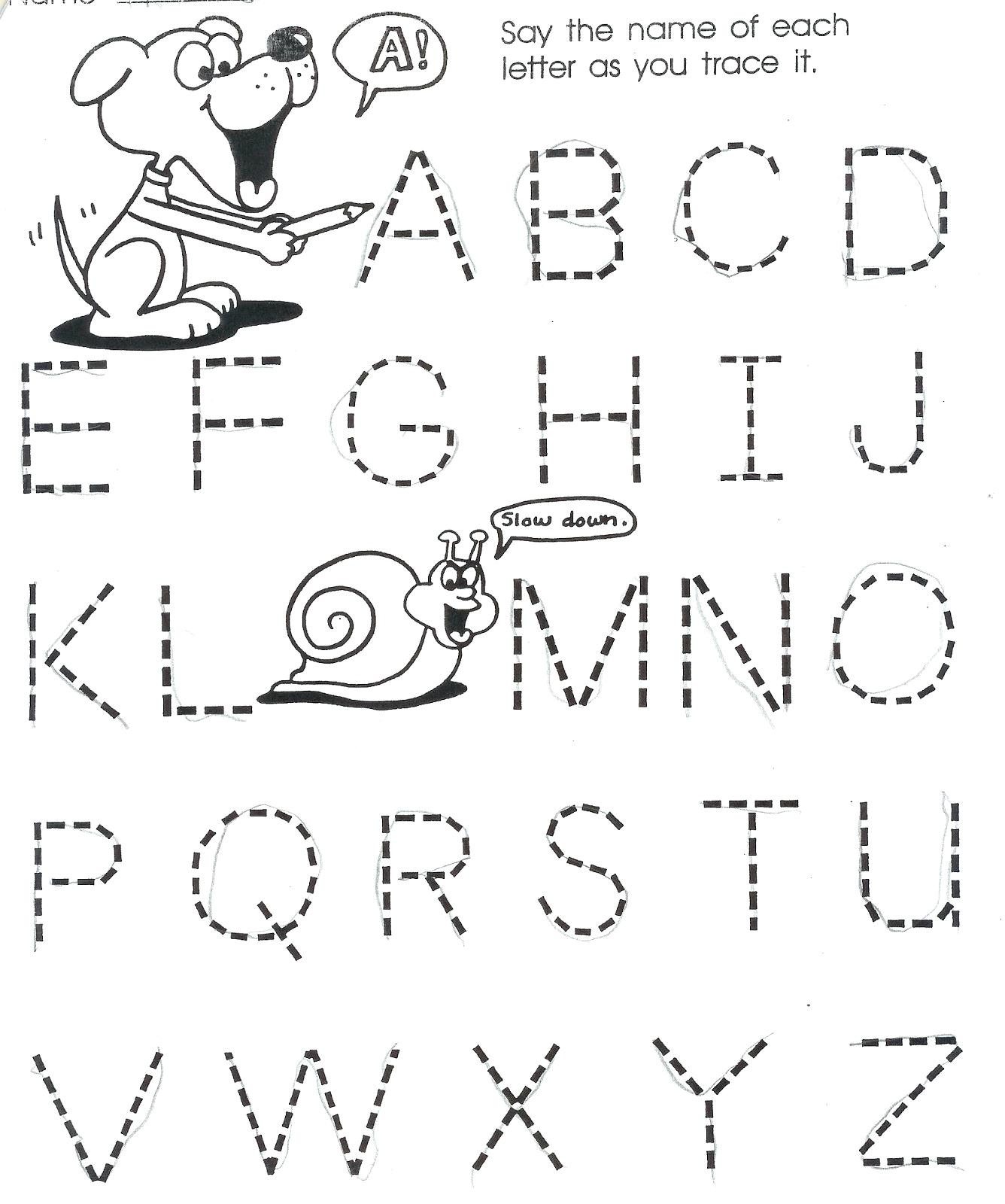
Use worksheets that allow children to trace letters. This activity helps develop writing skills and reinforces the shape of each letter. Encourage them to say the letter aloud as they trace, connecting sound with form.
Alphabet Scavenger Hunt
Turn learning into an adventure! Create a scavenger hunt where children find objects around the house or classroom that start with each letter of the alphabet. For example, they might find an “A” for apple or “B” for ball. This interactive approach makes learning tangible.
Spacing Activities Across the Week
To maximize retention, it’s beneficial to spread these activities over a week rather than cramming them into one session. Here’s a simple plan:
- Day 1: Introduce the letter “A” with a coloring page and a scavenger hunt.
- Day 2: Focus on the letter “B” with tracing worksheets and a matching game.
- Day 3: Review letters “A” and “B” using flashcards and simple songs.
- Day 4: Introduce the letter “C” with a fun coloring page and a craft project.
- Day 5: Review the week’s letters through an interactive game or activity.
This spaced repetition helps reinforce what they’ve learned, making it stick.
Encouraging Parental Involvement
Engaging parents can extend learning beyond the classroom. Here are ways to involve them:
- Send Home Printables: Provide parents with copies of the printables for continued practice at home.
- Weekly Updates: Share a brief newsletter or note highlighting what was covered during the week and suggesting simple at-home activities.
- Encourage Reading: Recommend books that focus on the alphabet. Reading together can significantly boost their literacy skills.
Ultimately, the goal is to create a fun, supportive environment where children can explore letters and sounds at their own pace.
In summary, using alphabet printables for 2 year olds provides a structured yet enjoyable approach to early literacy. By carefully selecting resources, establishing a dedicated learning space, and engaging children through varied activities, you can foster a love for letters that will set the foundation for their reading journey. One final tip: consider using a binder or folder to keep printables organized and accessible, making it easier to revisit activities throughout the year.