
In early childhood education, making letters come alive can be challenging. Children often struggle with letter recognition and phonetics. An effective solution is an Alphabet Print Out With Pictures, which pairs each letter with a corresponding image, making learning both fun and memorable. This resource helps reinforce letter sounds and recognition through visual aids, making it ideal for educators and parents alike.
Understanding the Importance of Visual Learning
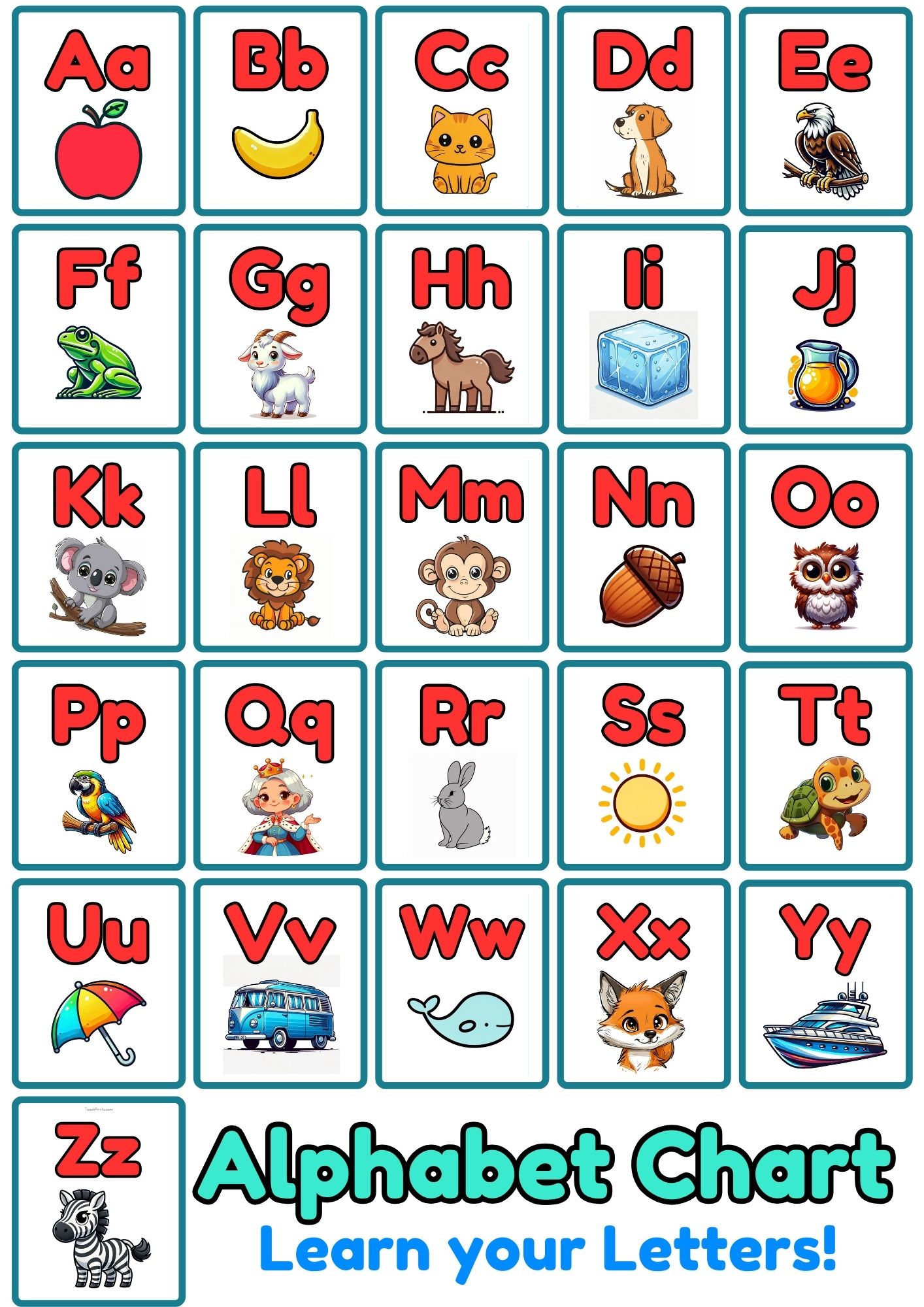
Children learn in various ways, but visual learning is particularly effective for young learners. By associating letters with familiar images, children can better grasp the concept of letters and their sounds. For instance, pairing the letter “A” with an apple helps them remember that “A” sounds like “apple.” This connection can significantly enhance their ability to recall letters and sounds during reading and writing exercises.
Age Appropriateness
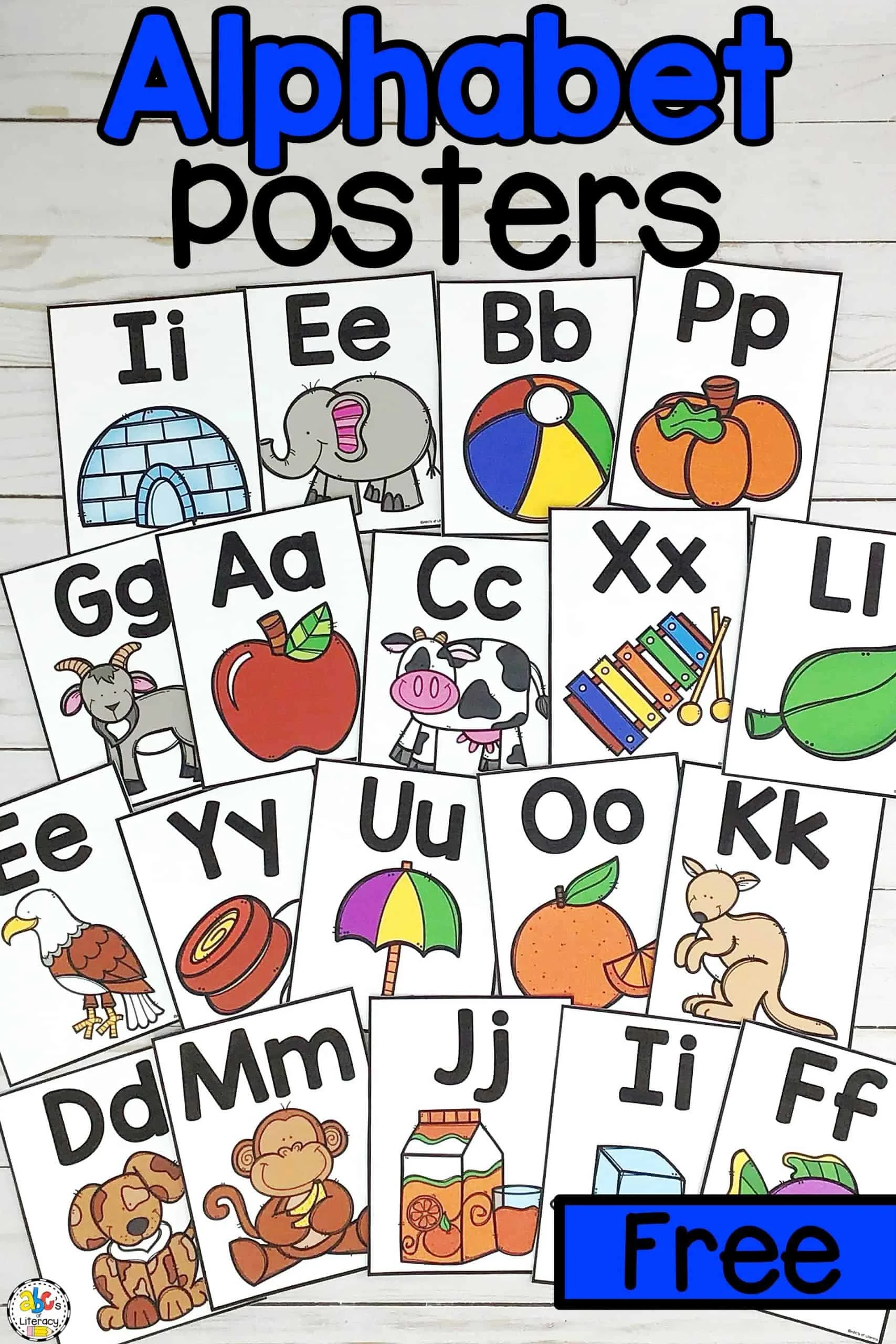
Alphabet printouts are suitable for preschoolers and kindergarteners, typically ages 3 to 6. At this stage, children are developing foundational literacy skills. Using resources that engage multiple senses can greatly improve their understanding and retention.
Choosing the Right Alphabet Print Out With Pictures
When selecting an alphabet printout, consider the following aspects to ensure it meets your teaching needs:
- Design: Look for printouts with bright colors and clear images. Simple designs help keep children focused on the letters.
- Image Quality: High-resolution images are essential for clarity. Children should be able to recognize the images easily.
- Format Options: Some printouts come in various formats, such as PDFs or editable documents. PDFs are often more reliable for printing without formatting issues.
Downloading and Printing Your Resource
Once you’ve chosen your desired Alphabet Print Out With Pictures, the next steps are straightforward. Here’s how to ensure a smooth process:
- Download the File: Make sure to download the file that suits your needs. A PDF format is usually best for preserving layout and quality.
- Print Settings: Set your printer to the best quality for images. Use portrait layout for standard letter-sized printouts, as this typically works best for most classrooms.
- Paper Choice: Consider printing on cardstock for durability, especially if you plan to use these in a classroom setting. Cardstock holds up better than regular printer paper and can withstand handling by little hands.
Setting Up for Classroom Use
Once printed, you can set up the Alphabet Print Out With Pictures in various ways to maximize its effectiveness in your teaching:
- Display: Hang the printouts on a classroom wall or bulletin board where children can see them regularly. This constant exposure helps reinforce learning.
- Interactive Activities: Use the printouts for games. For example, you can create a matching game where children pair letters to their corresponding images. This interactive approach makes learning engaging.
- Worksheets: Incorporate the printouts into worksheets. For instance, ask children to trace letters while saying the sound associated with the picture next to it.
Tracking Progress and Encouraging Engagement
As you implement the Alphabet Print Out With Pictures into your teaching, tracking progress becomes essential. Here are some practical methods to monitor children’s learning:
- Observation: Regularly observe how children interact with the printouts. Are they recognizing letters? Can they identify sounds?
- Feedback Sessions: Conduct short sessions where children can share what they’ve learned. This encourages verbal skills and reinforces their understanding.
- Progress Charts: Create charts to track each child’s progress. This visual representation can motivate children as they see their growth over time.
Additional Activities to Reinforce Learning
To further reinforce the concepts learned through the Alphabet Print Out With Pictures, consider integrating additional activities that complement the resource:
- Story Time: Read books that emphasize specific letters. Choose stories that include words starting with the letters you’re focusing on that week.
- Arts and Crafts: Have children create their own letters using various materials. They can use the printouts as templates to decorate in fun ways.
- Songs and Rhymes: Incorporate songs that focus on letters and sounds. Music can be a powerful tool in helping children remember information.
By diversifying the learning methods, you cater to different learning styles and keep children engaged.
Final Tips for Success
As you work with the Alphabet Print Out With Pictures, remember to be flexible and responsive to your students’ needs. Not every child learns at the same pace, and that’s okay. Adjust your strategies based on what works best for your classroom dynamics.
One practical tip is to keep a stash of extra printouts handy. If you notice a particular letter is challenging for several students, you can quickly provide additional resources for focused practice.
Creating a rich, supportive learning environment using tools like alphabet printouts can make a significant difference in young learners’ literacy journeys.