
Using an Alphabet Print Out For Toddlers can significantly enhance a child’s early literacy skills. This specific resource is tailored for young learners, providing them with a visually stimulating way to engage with letters. Unlike other resources, this printout incorporates playful designs that capture toddlers’ attention, making the learning process enjoyable.
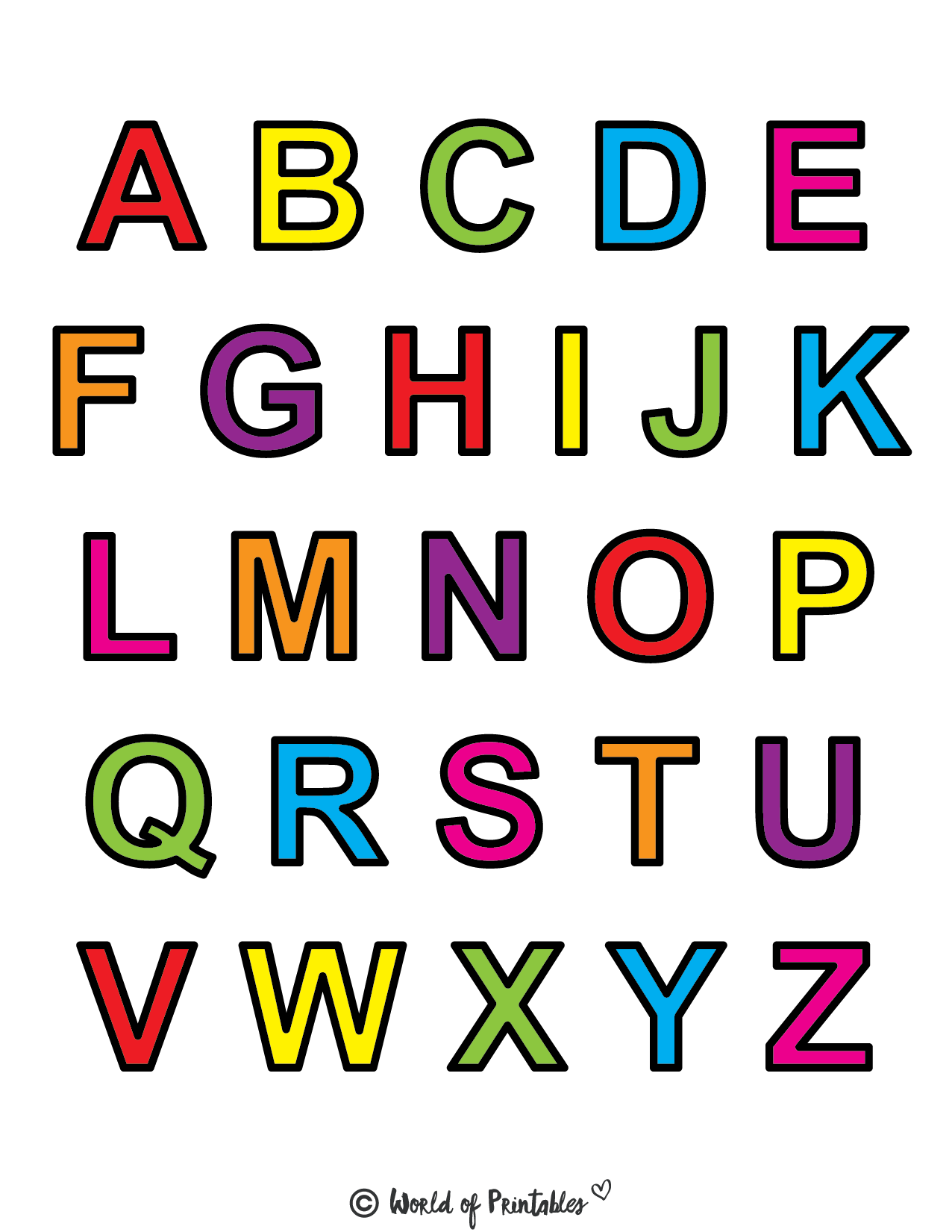
Understanding the Layout and Format
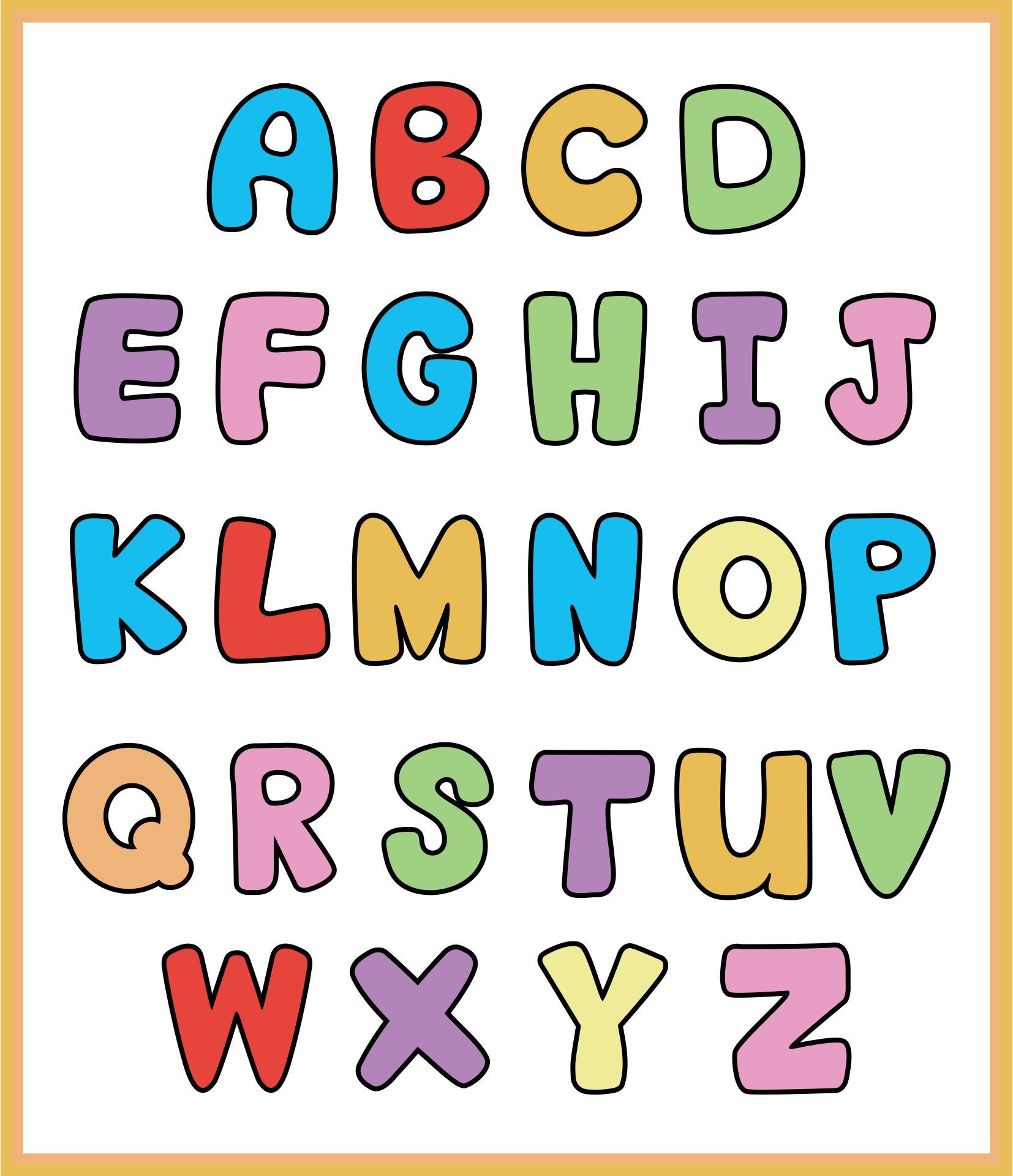
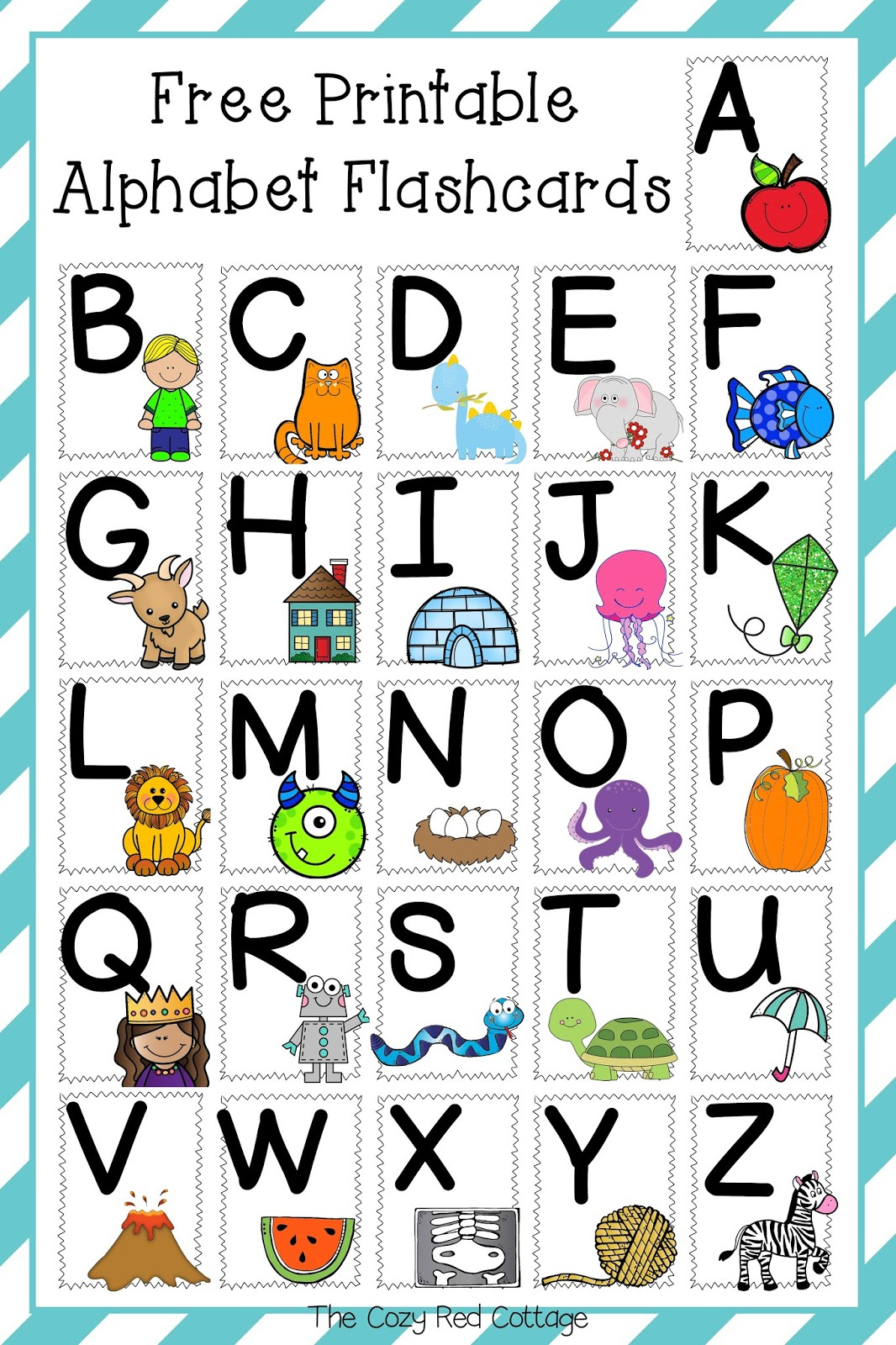
The layout of an Alphabet Print Out For Toddlers is crucial for effective learning. Typically, these printouts feature large, clear letters accompanied by corresponding images that represent words starting with each letter. For instance, the letter “A” might be paired with an apple, while “B” could showcase a balloon. This format helps children recognize letters and associates them with sounds and words, laying a solid foundation for reading.
The printouts are usually formatted in A4 or letter size, making them easy to print and handle. When printing, ensure your printer settings are set to “Fit to Page” to avoid any cropping. This keeps all the details intact, allowing the vibrant colors and images to stand out, which is essential for engaging toddlers.
The inclusion of colorful illustrations not only attracts children’s attention but also enhances their ability to remember the letters. Each letter’s design can be themed, integrating familiar objects and animals that children love. This thoughtful design choice means that children are not just learning letters; they are also connecting them to their world.
Activities to Enhance Learning
Utilizing the Alphabet Print Out For Toddlers goes beyond simple recognition exercises. Here are some activities to enhance the learning experience:
- Coloring Pages: Encourage toddlers to color the letters and images. This not only improves fine motor skills but also reinforces letter recognition. You can ask them to identify the letter and the corresponding word as they color.
- Letter Tracing: Provide a secondary printout where toddlers can trace the letters. Tracing helps in developing writing skills and can be done using crayons or markers. It’s a hands-on way to help them learn how to form each letter correctly.
- Matching Games: Cut out the letters and images and mix them up. Have toddlers match the letter with its corresponding picture. This activity combines visual and cognitive skills, reinforcing their understanding of the alphabet.
- Story Time: Use the printouts during storytime. As you read a book, point out letters and words that correspond to those on the printouts. This connection between spoken and written language is vital for literacy development.
- Alphabet Songs: Incorporate songs that correspond to the letters. Singing the alphabet or songs that mention words starting with each letter can make the learning process memorable and fun.
These activities not only make learning interactive but also cater to different learning styles. Some children may grasp concepts better through visual aids, while others may prefer hands-on activities or auditory learning via songs.
Checking Progress and Mastery
One of the essential aspects of using an Alphabet Print Out For Toddlers is monitoring progress. Here’s how to check if your little learners are mastering the alphabet:
- Observation: Watch how quickly they can identify letters. If they can recognize most letters without hesitation, they are likely grasping the concepts well. Observing their reactions to different letters can also provide insight into their interests and learning pace.
- Engagement Level: During activities, note their enthusiasm. Are they eager to color, trace, or match? High engagement indicates that they find the material appealing and are likely learning effectively. If they show signs of boredom, it might be time to introduce new activities or variations.
- Verbal Recognition: Ask them to name letters and corresponding words. This verbalization helps solidify their understanding. If they struggle with specific letters, consider revisiting those through additional activities, offering them more chances to practice.
- Written Work: If they are tracing or writing letters, assess their ability to form letters correctly. This skill develops over time, so be patient and provide constructive feedback. Celebrate small victories to keep them motivated.
- Games and Quizzes: Use simple games or quizzes to evaluate their knowledge. For example, you can have a “letter of the day” and ask them to find objects around the house or classroom that start with that letter.
Assessing progress allows you to tailor your approach to each child’s needs, ensuring that they receive the support necessary for their development.
Practical Tips for Using the Print Out
To maximize the effectiveness of the Alphabet Print Out For Toddlers, consider the following practical tips:
- Use Cardstock: Printing on cardstock can enhance durability, especially if toddlers will be handling the printouts frequently. It prevents tearing and allows for easy coloring without bleeding through. This choice is especially important for younger children who might be a bit rough with paper.
- Lamination: If you plan to reuse the printouts, laminating them can be a wise choice. This allows you to use dry-erase markers for tracing, making it easy to wipe clean for repeated use. It also helps to protect the printouts from spills or crumpling.
- Create a Learning Station: Designate a specific area at home or in the classroom for alphabet activities. Having a consistent space helps toddlers associate that area with learning, making them more likely to engage with the materials. Stock this area with various resources, including books, coloring supplies, and manipulatives.
- Incorporate Technology: If appropriate, use digital versions of the printouts on tablets or smartboards. Interactive features can make learning even more engaging, especially for tech-savvy toddlers. There are many apps that complement this learning style with games and quizzes.
- Encourage Parental Involvement: Share these printouts with parents so they can engage in learning at home. Provide tips for how they can reinforce these skills through everyday activities, like grocery shopping or playtime.
By implementing these tips, you can create a comprehensive learning environment that supports toddlers’ literacy development and keeps them excited about learning.