
Using Alphabet Print Out Coloring Pages can add a vibrant and engaging element to any learning environment. These resources are specifically designed to help children learn the alphabet while expressing their creativity through coloring. The unique layout and design choices within these printables can cater to various age groups, making them an excellent tool for both classrooms and home settings.
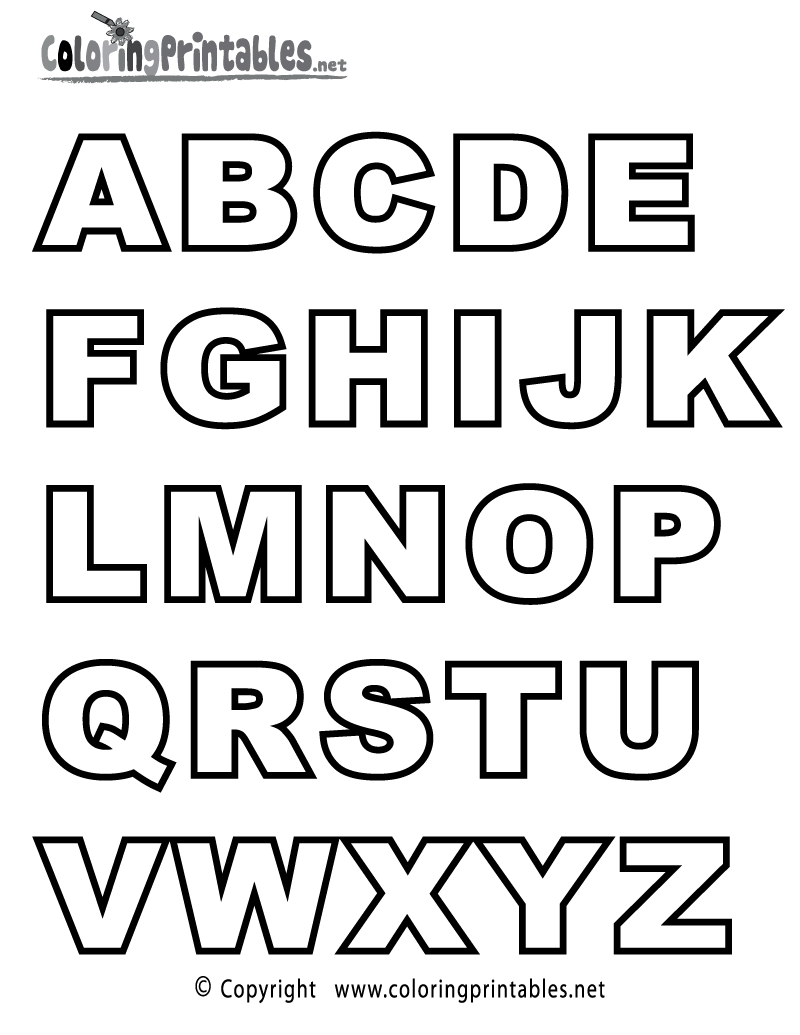
Why Use Alphabet Print Out Coloring Pages?
When it comes to teaching the alphabet, visual aids can significantly enhance learning. Alphabet Print Out Coloring Pages provide a hands-on approach that appeals to young learners, particularly preschoolers and kindergarteners. The act of coloring not only improves fine motor skills but also reinforces letter recognition and phonetic sounds.
These printables differ from standard worksheets; they combine academic learning with artistic expression. Children can color in letters, which helps them associate each letter with its shape and sound. It’s a practical and fun way to engage students, making learning feel less like a chore and more like play.
Layout and Design Features
The layout of Alphabet Print Out Coloring Pages is intentionally crafted to facilitate learning. Each page typically features a large letter at the center, surrounded by images or objects that begin with that letter. For example, the letter “A” may be accompanied by an apple or an alligator, creating a visual connection that aids memory retention.
Size and Format Choices
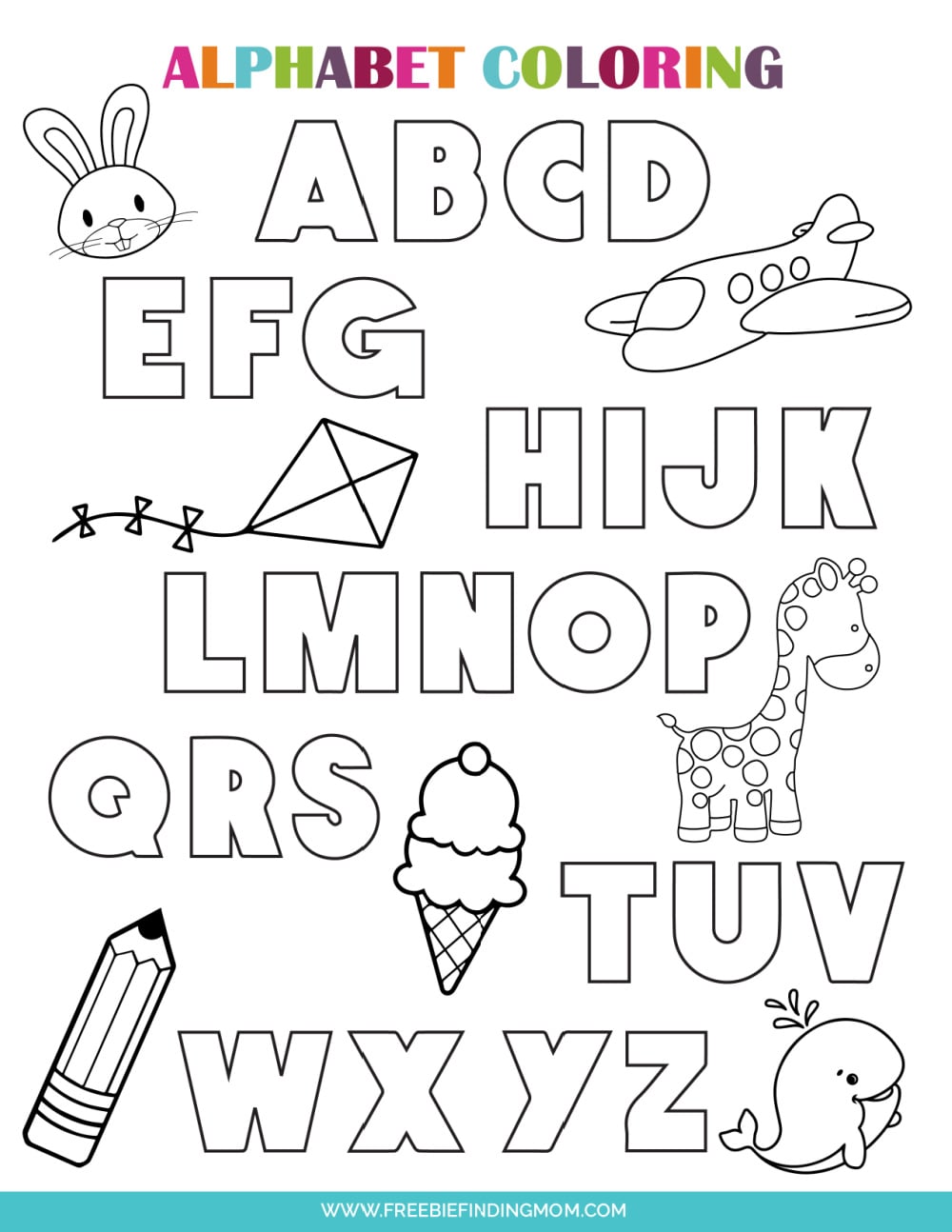
Most of these coloring pages are designed in standard letter sizes—8.5 x 11 inches—making them easy to print at home or in a classroom setting. The designs are usually simple yet engaging, ensuring that children are not overwhelmed. You can opt for portrait or landscape orientation based on your preference, but portrait tends to work better for most home printers.
Paper Type Recommendations
For the best results, consider using heavier paper, like cardstock, especially if you plan to laminate the pages afterward. This helps the pages withstand repeated use and allows for markers or paint without bleeding through. If you’re using crayons or colored pencils, standard printer paper will suffice.
Skill Development Through Coloring
Coloring isn’t just a fun activity; it serves several educational purposes. As children color the letters, they practice essential skills that go beyond just identifying letters.
- Fine Motor Skills: Holding crayons or markers helps develop hand-eye coordination and grip strength.
- Creativity: Children can choose colors and patterns, allowing for creative expression.
- Focus and Concentration: Completing a coloring page requires attention to detail, helping improve focus over time.
When observing children as they engage with Alphabet Print Out Coloring Pages, look for signs of mastery. Are they staying within the lines? Are they choosing colors thoughtfully? These indicators can help you assess whether they are grasping the concept of letters and sounds.
Incorporating Coloring Pages Into Your Curriculum
Integrating Alphabet Print Out Coloring Pages into your lesson plans can be straightforward and effective. Here are a few ideas to consider:
Thematic Learning
You can align coloring pages with themes you’re covering in class. For instance, if you’re teaching about animals, use the letter pages that feature animal names. This not only reinforces their learning of the alphabet but also expands their vocabulary.
Group Activities
Consider using these coloring pages in small group settings. This encourages collaboration among students. They can share coloring tools and discuss their choices, fostering social skills and teamwork.
Take-Home Assignments
Sending coloring pages home can also be beneficial. Parents can engage with their children in meaningful ways outside of school, reinforcing what they’ve learned in class. This creates continuity in learning and helps parents understand their child’s progress.
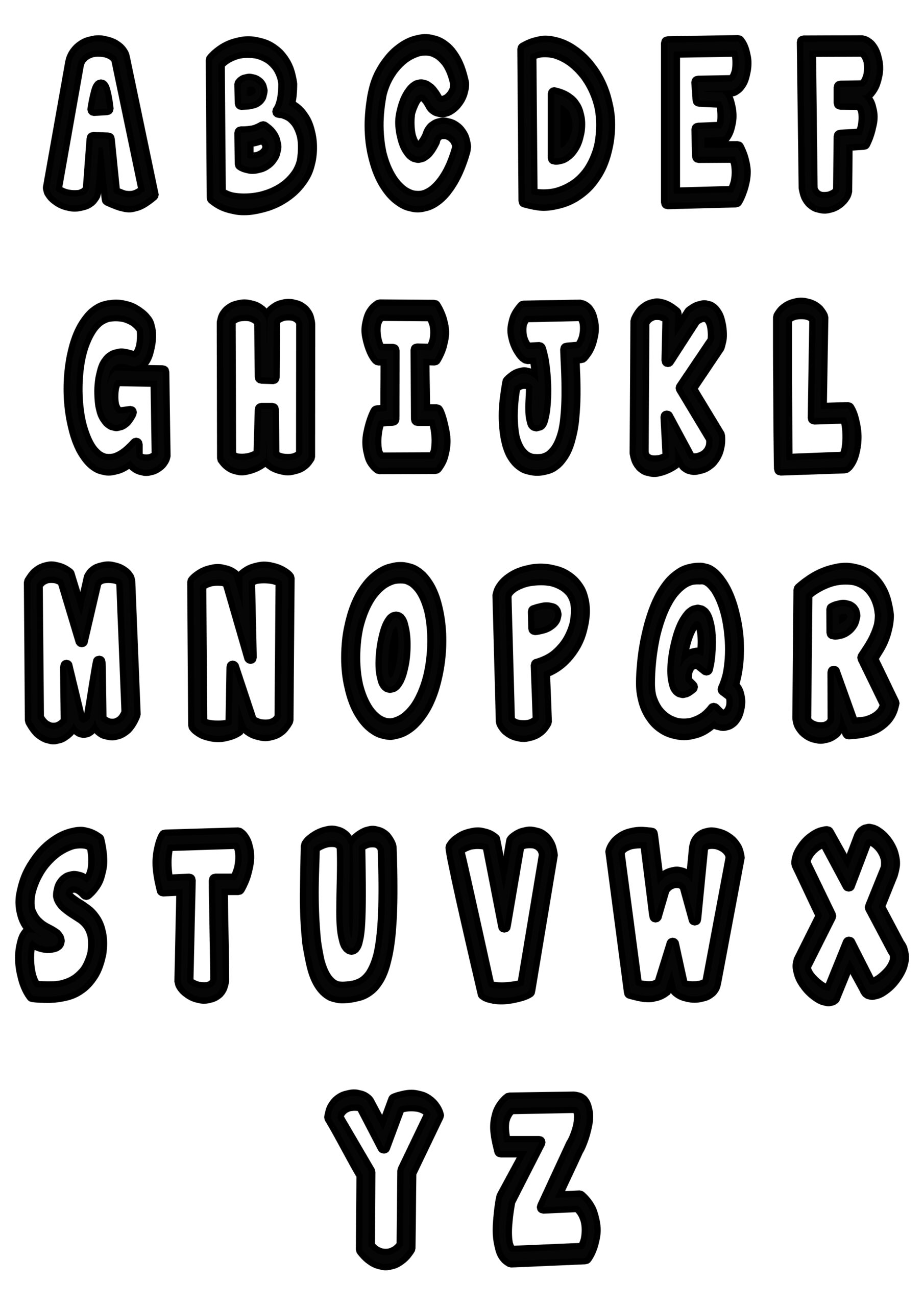
Downloading and Printing Tips
When you’re ready to download your Alphabet Print Out Coloring Pages, keep these tips in mind for the best results:
- File Format: Look for PDF files if available; they typically maintain formatting better than image files.
- Printer Settings: Use the “actual size” option in your printer settings to ensure the pages print at the correct dimensions.
- Test Print: Before printing a full set, do a test print on regular paper to check how it looks and feels.
Make sure your printer has enough ink, as vibrant colors can make a significant difference in how engaging the pages appear to young learners.