
Alphabet Print And Match Worksheets are an essential tool for enhancing early literacy skills among young learners. These worksheets encourage children to recognize and match letters, helping to build a strong foundation for reading and writing. Ideal for preschool and kindergarten levels, these resources can easily fit into any home or homeschool routine, making learning both effective and enjoyable.
Understanding the Importance of Letter Recognition
Letter recognition is a crucial step in a child’s literacy development. It involves the ability to identify letters and understand their sounds. Alphabet Print And Match Worksheets play a vital role in this process by providing a fun and interactive way for children to engage with letters. By using these worksheets, children can improve their recognition skills, which is essential for reading fluency.
Types of Alphabet Print And Match Worksheets
There are various types of Alphabet Print And Match Worksheets available, each designed to target specific skills and learning objectives. Here are some common formats:
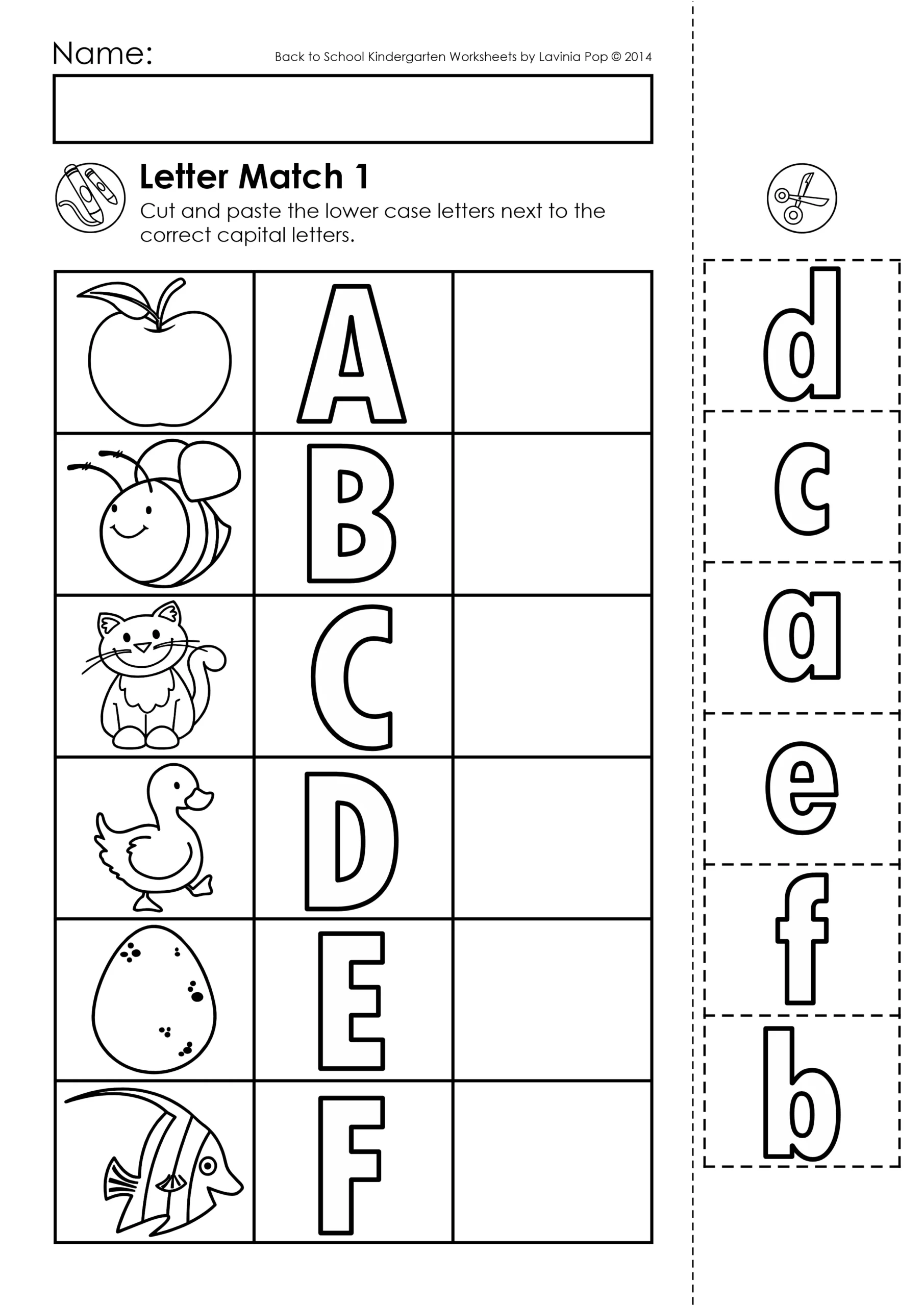
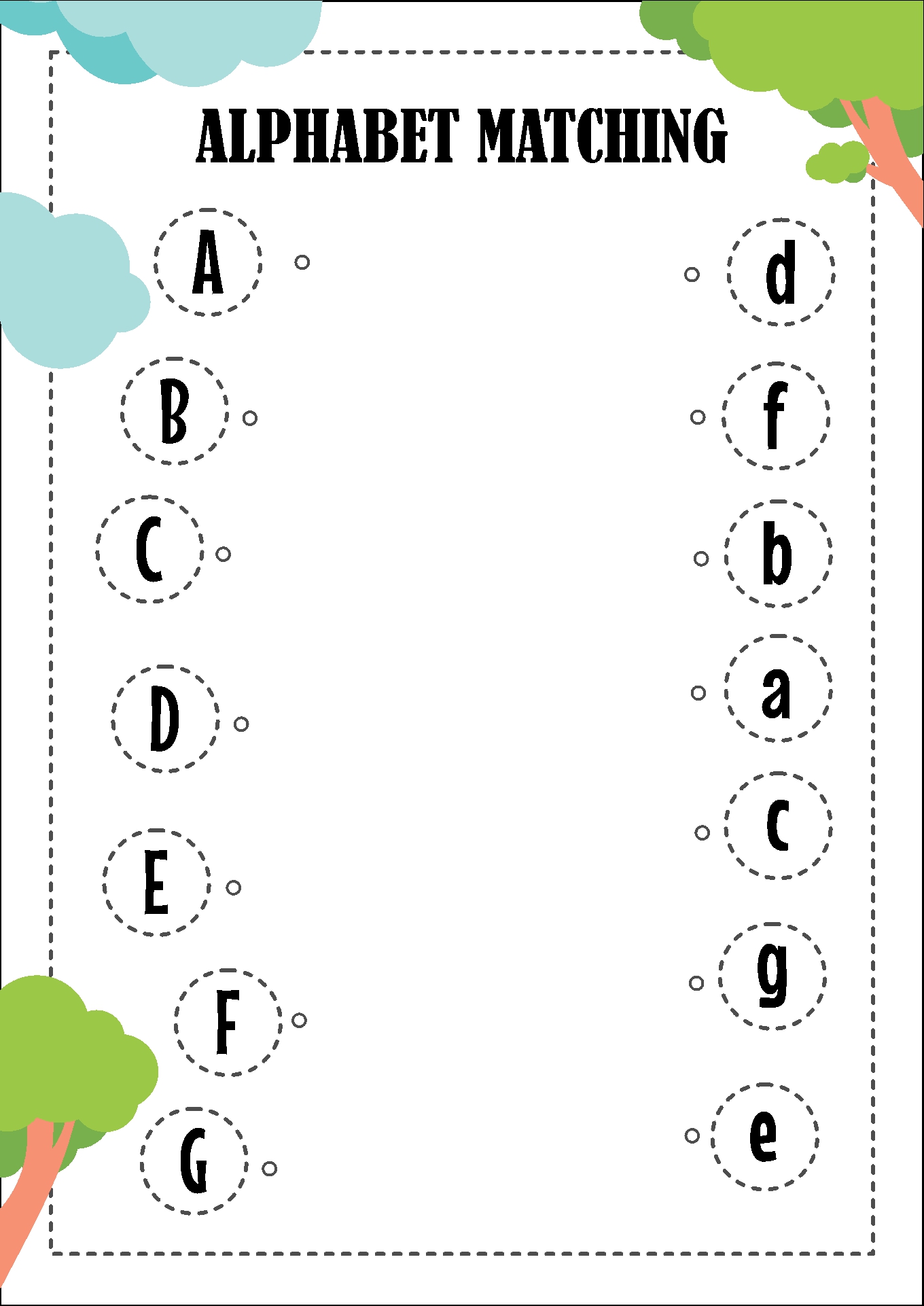
- Matching Uppercase and Lowercase Letters: These worksheets help children match uppercase letters with their lowercase counterparts. This skill is fundamental in developing writing habits.
- Letter Sound Association: Some worksheets include images alongside letters to help children connect sounds with their corresponding letters. This is particularly useful for phonetic development.
- Fill-in-the-Blank Activities: These worksheets prompt children to fill in missing letters in words. This not only reinforces letter recognition but also enhances spelling skills.
Selecting the right type of worksheet depends on the specific needs of the child and the learning objectives you have set.
How to Use Alphabet Print And Match Worksheets at Home
Incorporating Alphabet Print And Match Worksheets into your daily routine can be straightforward and enjoyable. Here are a few practical ways to use them effectively:
- Daily Learning Sessions: Dedicate a short time each day for focused learning. A 15-20 minute session can be effective, allowing children to gradually build their skills without feeling overwhelmed.
- Incorporate Play: Turn the activity into a game. For example, you can time how quickly a child can complete a worksheet or create a matching game with letters and objects around the house.
- Use as a Supplement: These worksheets can complement other learning activities. For instance, if you’re reading a book together, refer back to the letters and sounds in the story.
Tips for Printing and Preparing Worksheets
When preparing Alphabet Print And Match Worksheets for use, consider the following tips to enhance their usability:
- Paper Quality: Use cardstock for durability, especially if children will be using them multiple times. Cardstock can withstand repeated handling and is less likely to tear.
- Print Settings: Adjust your printer settings to ensure the worksheets are printed clearly. A portrait layout typically works best for worksheets, making them easier to read.
- Lamination: For worksheets that will be reused, consider laminating them. This allows you to use dry-erase markers for repeated practice, making the resource more versatile.
Engaging Activities to Pair With Worksheets
To maximize the learning experience, consider pairing Alphabet Print And Match Worksheets with other engaging activities. Here are some suggestions:
- Alphabet Songs: Singing the alphabet song can reinforce letter recognition and make learning more fun. Incorporate movements to reinforce each letter.
- Craft Projects: Create crafts that involve letters, such as making letter collages or decorating letters with materials like stickers or glitter.
- Outdoor Learning: Use sidewalk chalk to write letters outside. Children can match letters they see on worksheets with those they create in a fun outdoor setting.
Customizing Worksheets for Individual Needs
Every child learns at their own pace, so it’s important to customize worksheets to fit individual learning needs. Here are ways to tailor the worksheets:
- Adjust Difficulty Levels: For children who grasp the basics quickly, introduce more challenging worksheets that require them to match letters in words or sentences.
- Personalization: Include the child’s name or favorite characters in the worksheets to make them more relatable and exciting.
- Use Visual Aids: Incorporate images that represent the letters being matched. This can help visual learners associate letters with sounds more effectively.
Resources for Downloading Alphabet Print And Match Worksheets
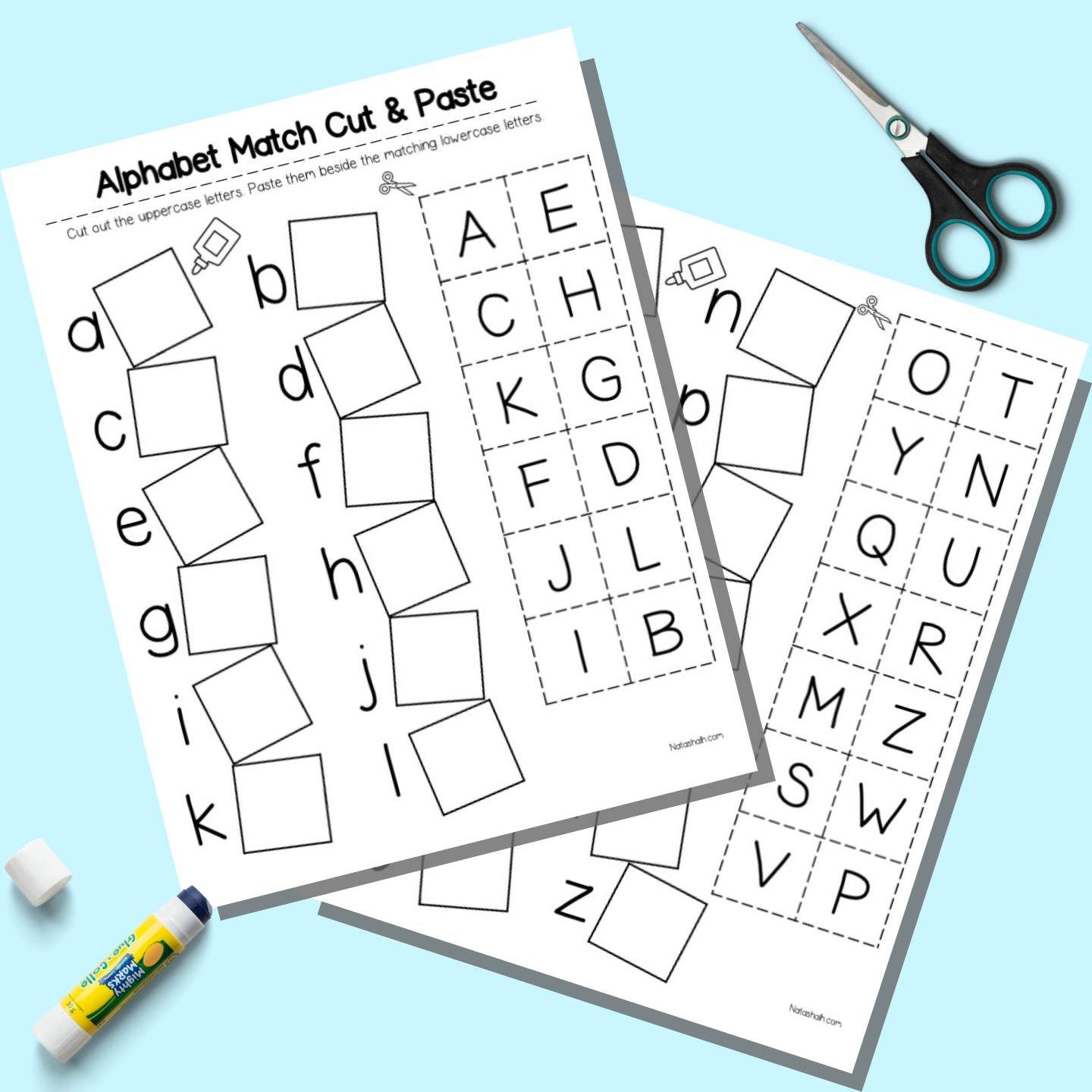
Finding quality Alphabet Print And Match Worksheets online is relatively easy. Several websites offer free or low-cost printable resources. Look for platforms that offer:
- Variety: A wide selection of worksheets targeting different skills and levels.
- Download Options: Ensure that the worksheets come in PDF format for easy printing without formatting issues.
- User Reviews: Check for reviews or ratings from other teachers or parents to gauge the effectiveness of the worksheets.