
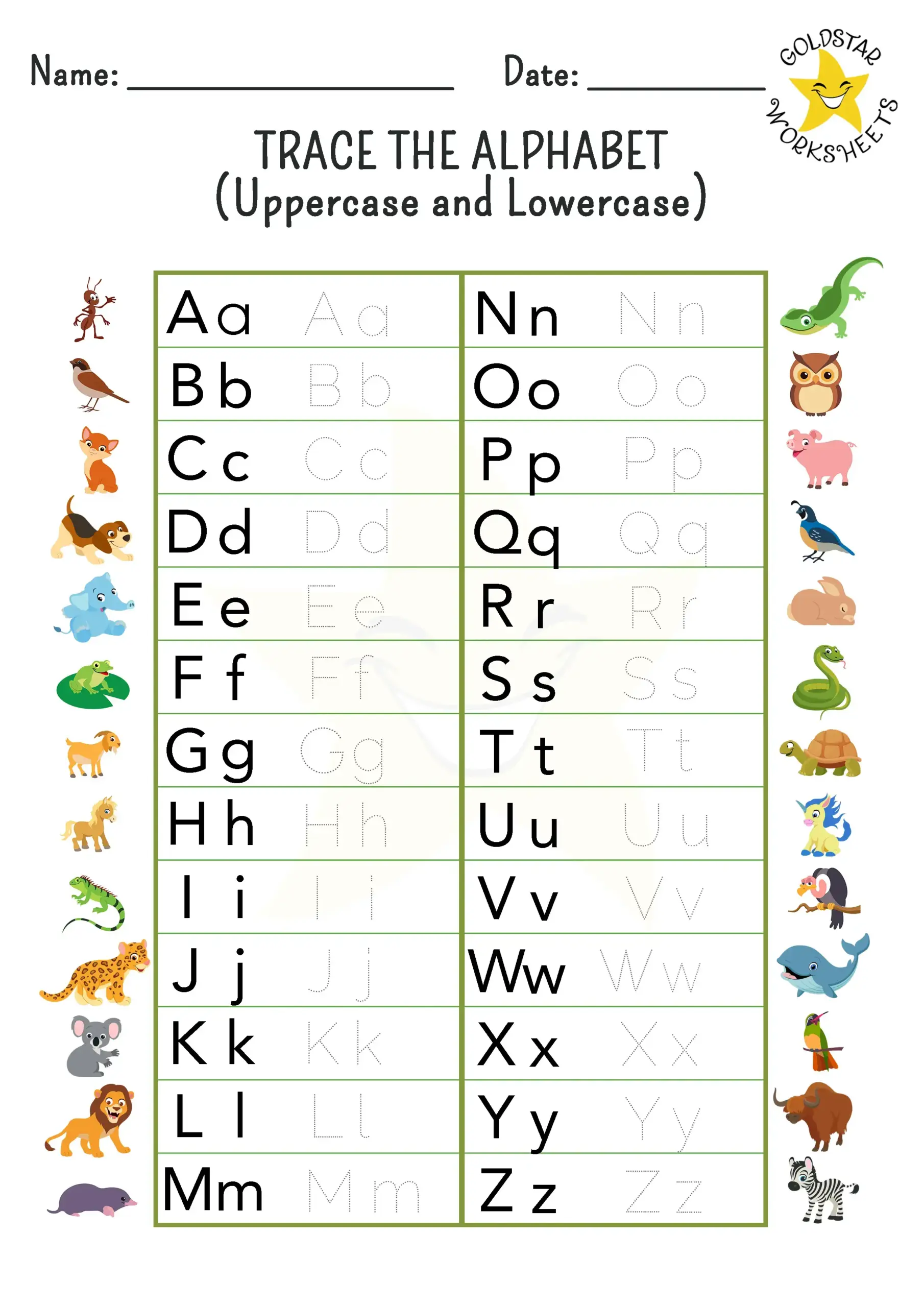
When teaching young children, nothing is more rewarding than watching their excitement as they learn new skills. Alphabet Pratice Sheets For Kindergarten are an excellent resource for parents and educators to help children master their letters in a fun and engaging way. These sheets typically come in a variety of styles, featuring colorful illustrations and interactive activities that keep children motivated.
Choosing the Right Alphabet Practice Sheets
The first step in using alphabet practice sheets is selecting the right ones. Look for sheets that cater to the specific needs and learning styles of your child or students. Here are a few factors to consider:
- Age Appropriateness: Ensure the sheets are suitable for kindergarteners, focusing on their developmental stage. They should be visually appealing and not overwhelming.
- Variety of Activities: Choose sheets that offer different types of exercises, such as tracing, coloring, and matching. This variety keeps children engaged.
- Theme and Design: Kids often respond well to themed sheets. Choose sheets that incorporate animals, nature, or their favorite characters to make learning more relatable.
Downloading and Printing the Sheets
Once you’ve selected the appropriate alphabet practice sheets, the next step is to download and print them. Here’s how to ensure a smooth process:
- File Format: Most practice sheets will be available in PDF format. PDFs are great because they maintain the layout and design no matter what device you use to open them.
- Printer Settings: For best results, set your printer to use standard letter-sized paper (8.5 x 11 inches). Use portrait orientation for most practice sheets. If your printer supports it, printing on cardstock can make the sheets more durable, especially if you plan to laminate them.
- Quality Check: Before printing multiple copies, do a test print to ensure the colors are vibrant and everything is aligned correctly. Adjust print settings if necessary.
Setting Up for Success
After printing, it’s time to set up your space for effective learning. Here are some tips to create a conducive environment:
- Designate a Learning Area: Choose a quiet spot in your home where your child can focus. Make it inviting with colorful decorations and comfortable seating.
- Organize Materials: Keep all necessary materials handy, including crayons, markers, and pencils. Consider using a caddy or a bin to keep everything organized and within reach.
- Establish a Routine: Consistency is key. Set aside specific times each day or week for practicing the alphabet. This helps children know what to expect and builds a habit.
Engaging With the Practice Sheets
Now comes the fun part! Engaging with the alphabet practice sheets can be done in a variety of ways:
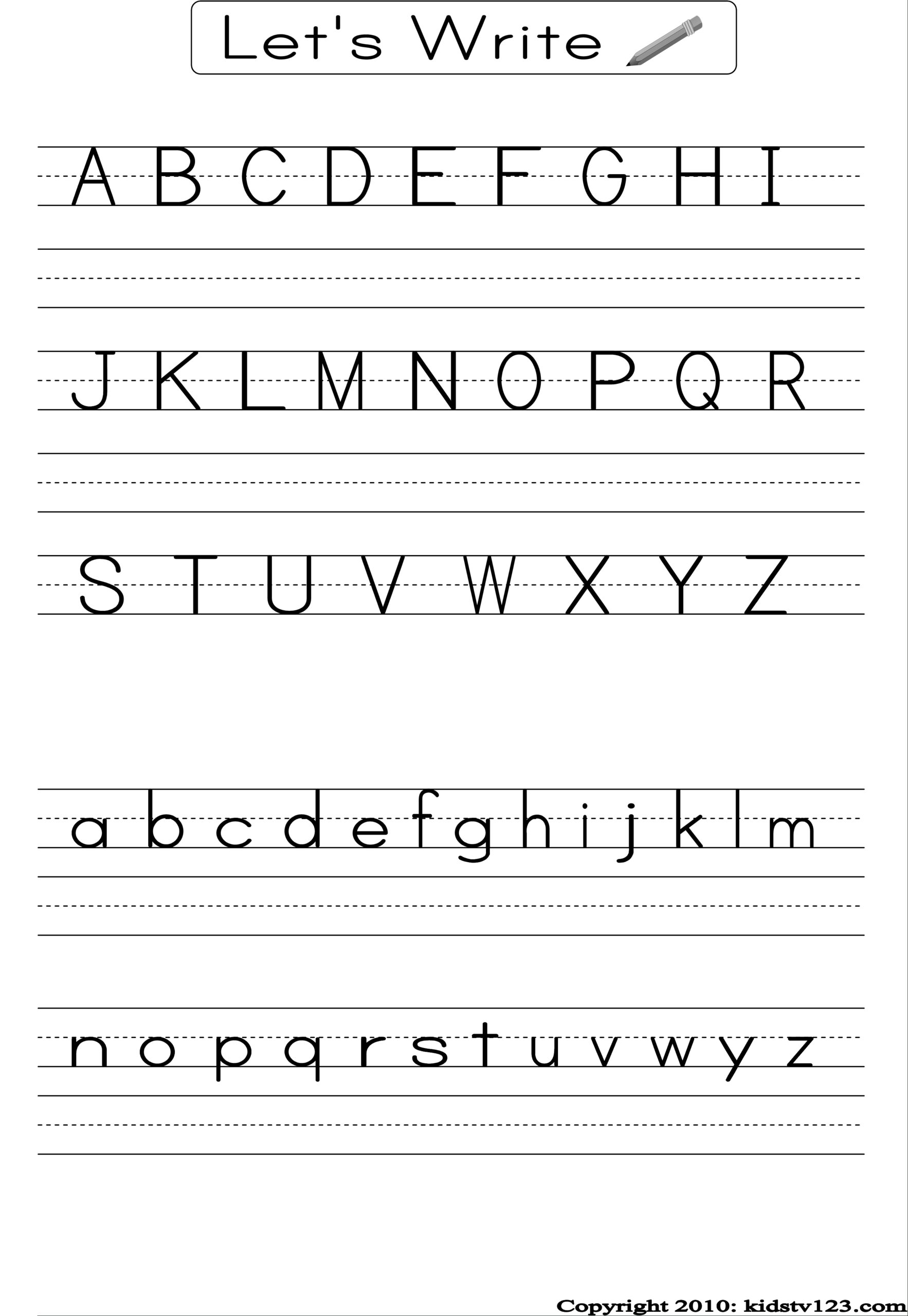
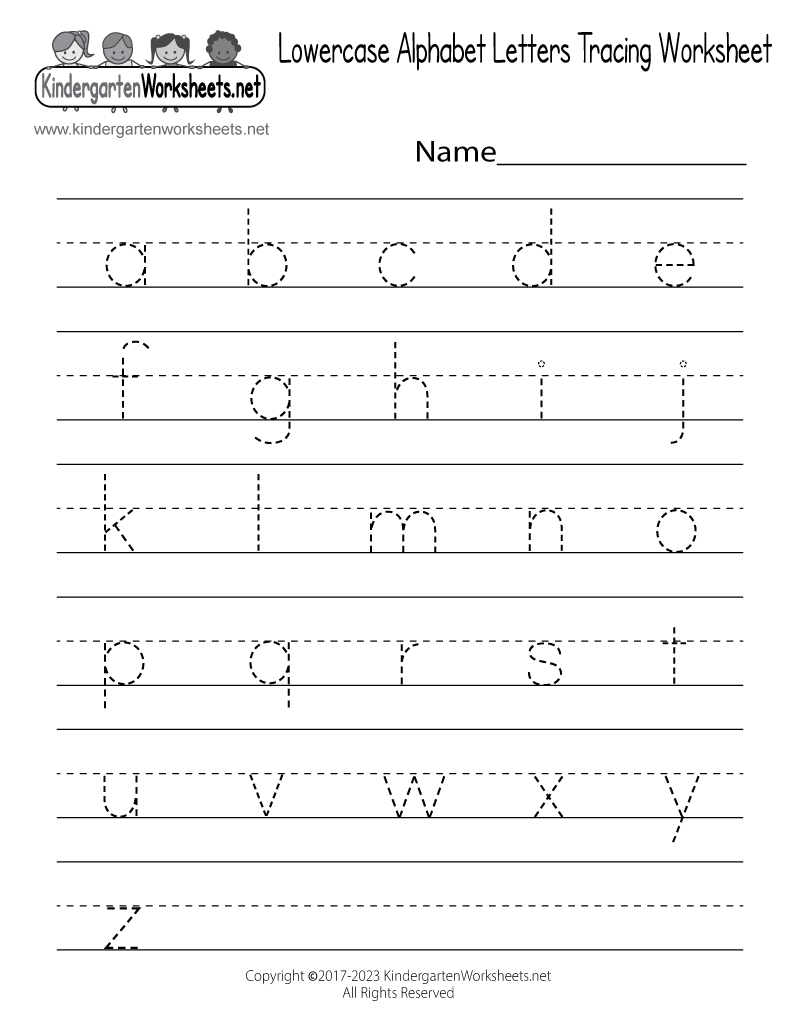
- Tracing Letters: Encourage your child to trace both uppercase and lowercase letters. This helps with fine motor skills and letter recognition. You can guide them on how to hold a pencil or crayon correctly.
- Coloring Activities: Many practice sheets include pictures related to the letters. Ask your child to color these pictures while saying the corresponding letter out loud. This reinforces their learning through visual and auditory means.
- Interactive Games: Turn sheet activities into games. For example, if a sheet has a matching exercise, time your child to see how quickly they can match letters to pictures. This adds an element of fun and competition.
Reinforcing Learning at Home
To further reinforce what your child learns from the alphabet practice sheets, incorporate these additional activities into your routine:
- Alphabet Songs: Sing along to popular alphabet songs. Music helps with memorization and makes learning enjoyable.
- Letter Scavenger Hunt: Create a scavenger hunt around your home or yard, where children find objects that start with specific letters. This encourages them to think about letters in their everyday environment.
- Story Time: Choose books that emphasize letters and sounds. Reading together not only improves literacy skills but also strengthens your bond.
Evaluating Progress and Next Steps
As your child engages with the alphabet practice sheets, it’s important to evaluate their progress. Here are some signs to look for:
- Letter Recognition: Can your child identify letters when asked? This is a clear sign they are absorbing the material.
- Writing Skills: Observe their ability to write letters independently. You might start with tracing and gradually transition to freehand writing.
- Engagement Level: Are they excited about the activities? If they seem disinterested, it might be time to switch to different sheets or methods.
If your child is progressing well, consider introducing more advanced activities such as simple words or phonics games.
Making learning interactive and fun is essential for young children. With the right Alphabet Pratice Sheets For Kindergarten, you can create a rich learning experience that fosters a love for letters and reading. Remember to adjust your approach based on each child’s unique learning style and pace.
One practical tip to remember is that incorporating everyday items, like fridge magnets with letters, can further enhance your child’s familiarity with the alphabet in a playful way.