
It’s a sunny Tuesday afternoon when Ms. Thompson gathers her preschool class for some fun, hands-on learning. Today, she’s excited to introduce her students to the Alphabet Practice Sheets Each Letter Preschool. These sheets are designed to help children practice letter recognition and formation in a playful and engaging way. With these resources, Ms. Thompson knows her students will not only learn but also enjoy the process.
The Importance of Letter Practice in Early Education
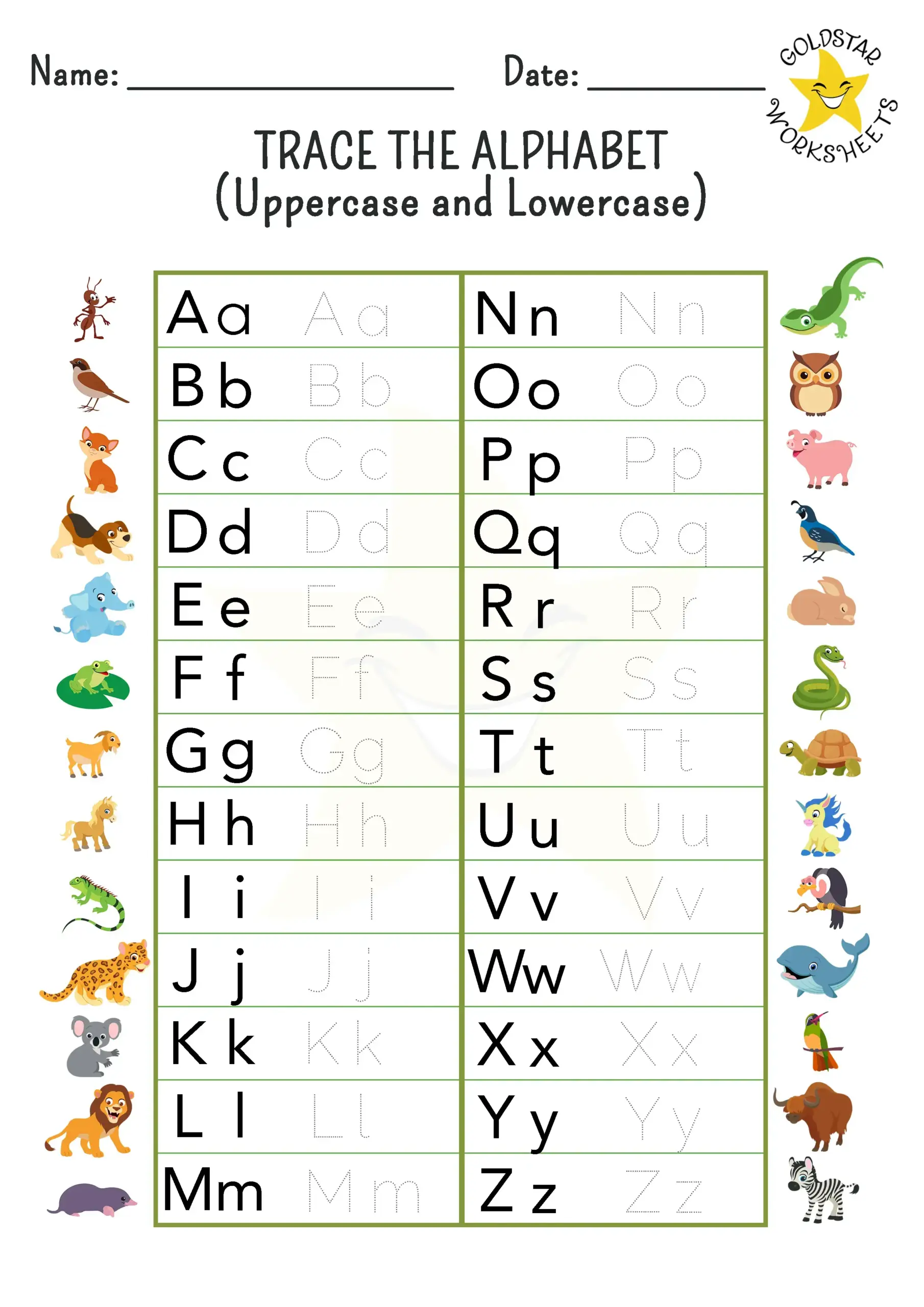
Understanding the alphabet is a crucial foundation for literacy. Preschoolers benefit significantly from engaging with letters through various activities. Using well-structured practice sheets allows children to familiarize themselves with both uppercase and lowercase letters while developing their fine motor skills.
These Alphabet Practice Sheets Each Letter Preschool are more than just worksheets; they are tools that can ignite a child’s interest in reading and writing. When children interact with letters through tracing, coloring, and matching activities, they create stronger neural connections that support their learning journey.
Setting Up Your Alphabet Practice Sheets
To get started with the Alphabet Practice Sheets Each Letter Preschool, you’ll want to create a conducive learning environment. Here are some practical steps to ensure smooth usage:
- Gather Supplies: Print the practice sheets on standard A4 or letter-sized paper. Cardstock is a good option if you plan to reuse them or laminate for durability.
- Choose a Space: Set up a comfortable workspace with good lighting. A table where children can sit side by side encourages collaboration and sharing.
- Organize Materials: Have colored pencils, crayons, or markers ready. These will make the practice sheets more interactive and enjoyable for the children.
Engaging Activities With Alphabet Practice Sheets
Once you have your materials ready, you can incorporate various activities using the Alphabet Practice Sheets Each Letter Preschool. Here are some engaging ideas:
Tracing and Writing Letters
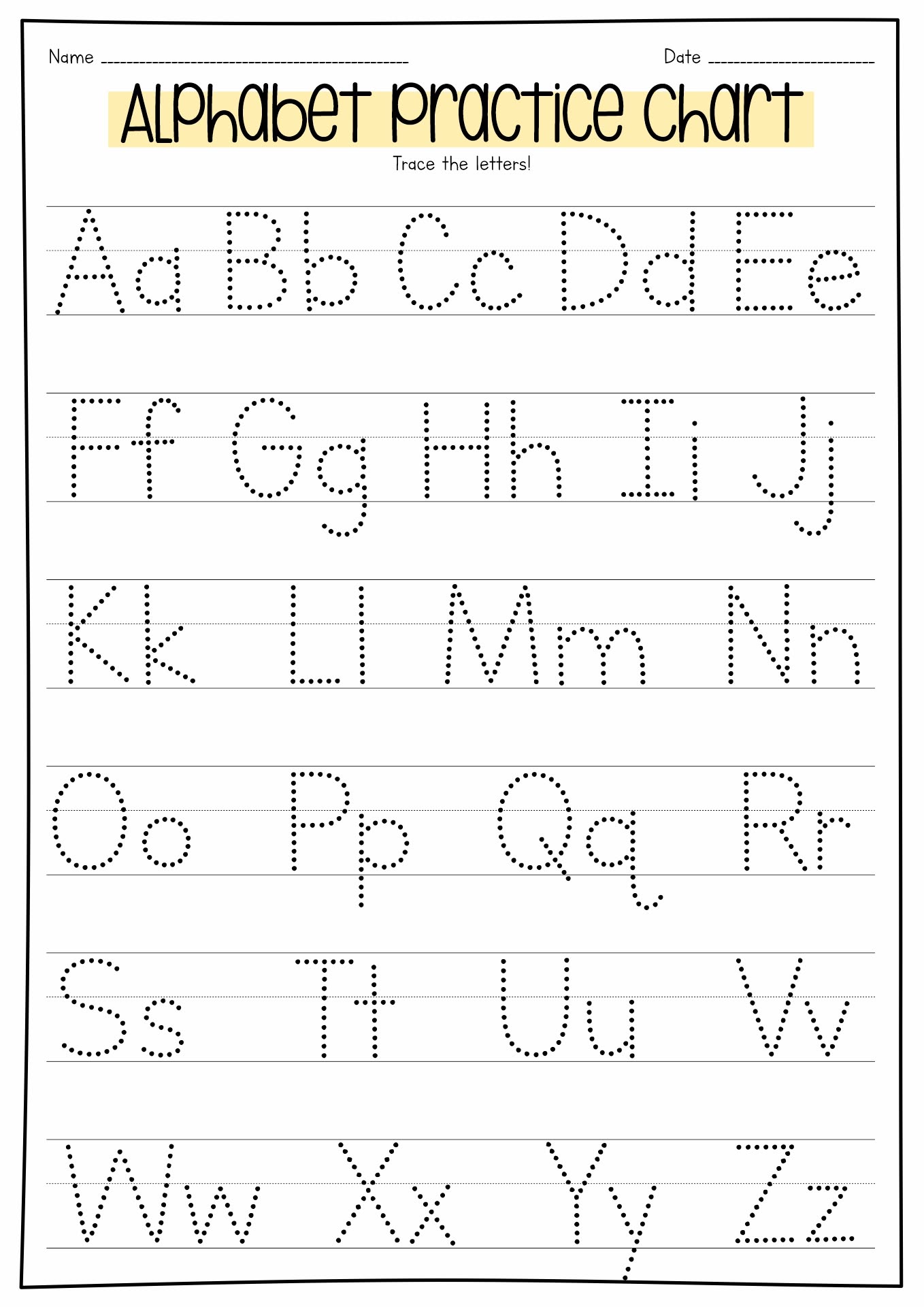
Start with tracing activities. Children can use different colors for tracing upper and lower case letters. This not only reinforces letter shapes but also helps them practice their writing skills.
- Tip: Encourage students to say the letter sounds as they trace. This reinforces phonemic awareness.
Coloring Activities
Next, introduce coloring activities that accompany each letter. For example, if the letter is “A,” children can color pictures of apples and alligators. This multi-sensory approach helps solidify their understanding of the letters.
Matching Games
Create matching games where children can match letters with pictures or words that begin with that letter. This can be done using the practice sheets or additional printable resources.
Storytime Integration
Incorporate storytime by reading books that focus on the alphabet. After reading, use the practice sheets to reinforce the letters discussed in the story. This integration of reading and writing enhances comprehension and retention.
Adaptations for Different Learning Styles
Every child learns differently. Here are ways to adapt the Alphabet Practice Sheets Each Letter Preschool for various learning styles:
- Visual Learners: Use colorful images and graphics on the sheets. This will help them associate letters with familiar objects.
- Kinesthetic Learners: Allow children to use playdough to form letters before tracing them. This tactile experience can make learning more memorable.
- Auditory Learners: Incorporate songs or chants that include the alphabet. While practicing with the sheets, singing along can create a fun atmosphere.
Monitoring Progress With Practice Sheets
Tracking progress is essential when using the Alphabet Practice Sheets Each Letter Preschool. Here are some tips on how to effectively monitor development:
- Regular Check-ins: Schedule brief one-on-one sessions with each child to assess their letter recognition and writing skills. This can be done weekly or bi-weekly.
- Create a Portfolio: Keep a portfolio of completed sheets to show progress over time. This not only motivates the children but also provides a tangible record for parents.
- Involve Parents: Encourage parents to engage with the practice sheets at home. This can help reinforce learning and make it a family activity.
Incorporating Technology
In today’s digital age, technology can also play a role in letter practice. Here are some ways to integrate tech into your lessons:
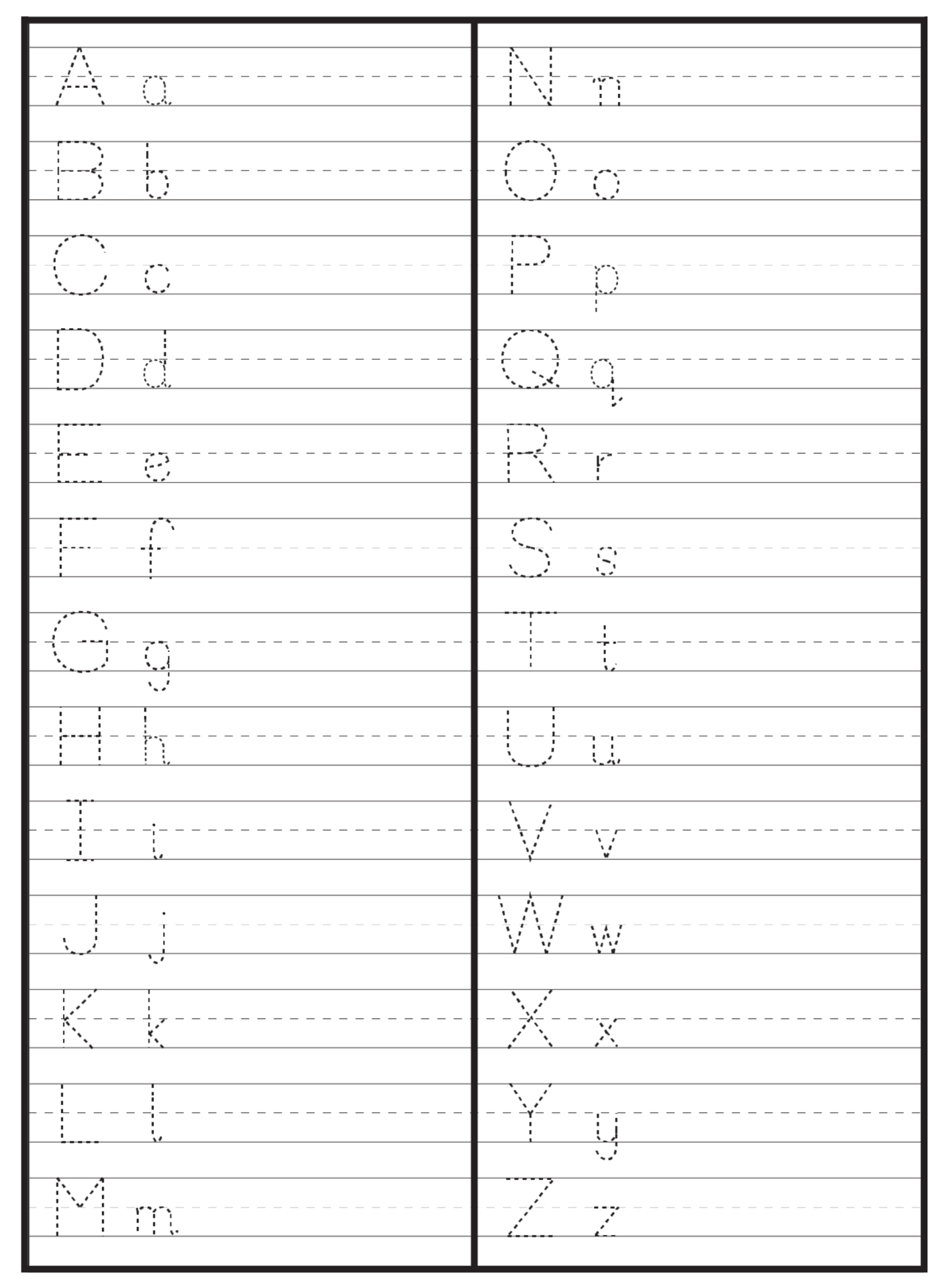
- Digital Worksheets: Consider offering digital versions of the Alphabet Practice Sheets Each Letter Preschool. This allows children to practice on tablets or computers, providing flexibility in learning.
- Educational Apps: Recommend educational apps that focus on letter recognition and phonics. Many apps offer interactive games that can complement the practice sheets.