
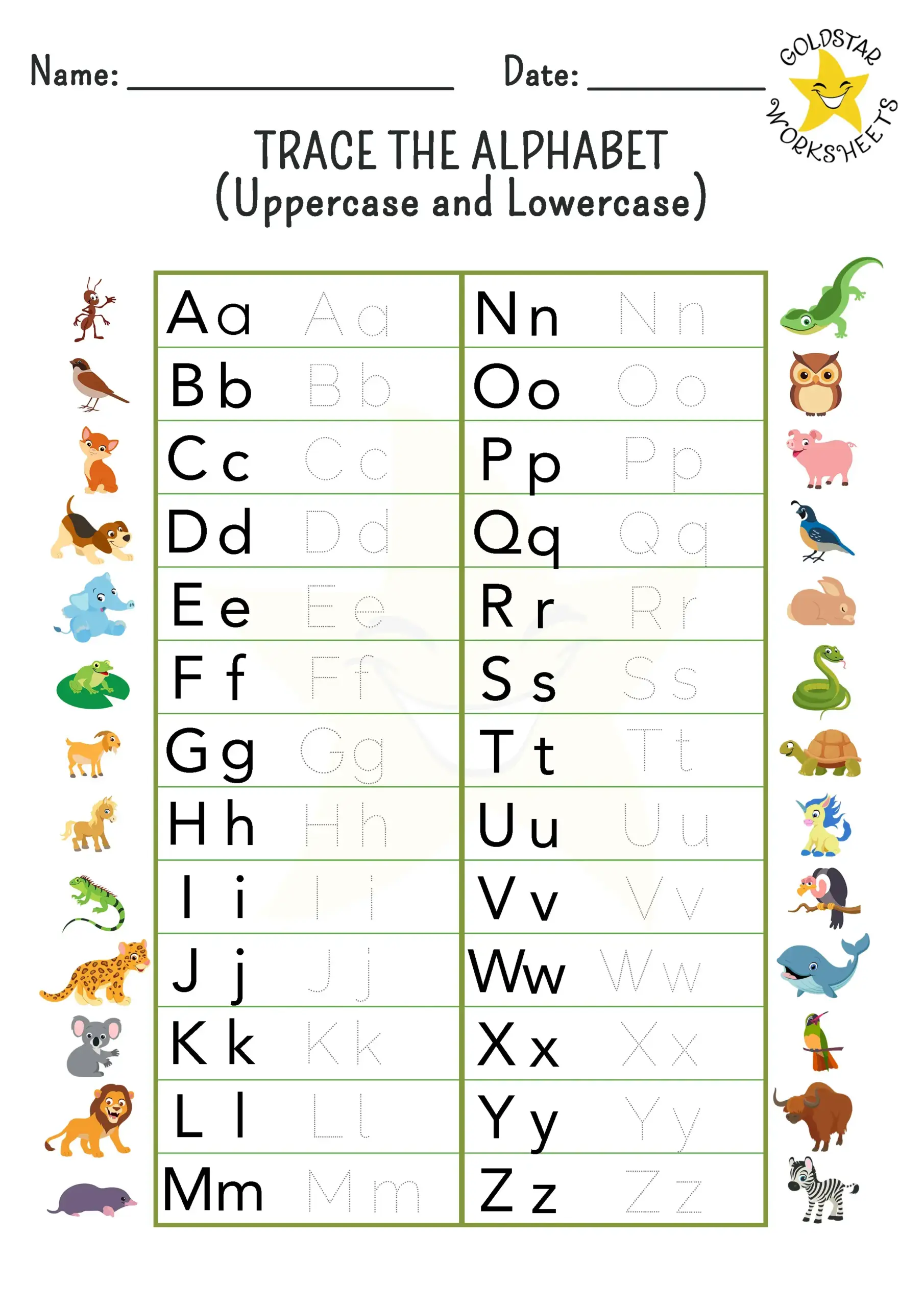
Alphabet practice pages for kindergarten provide an essential tool for developing early literacy skills in young children. These pages are designed to help children recognize, trace, and write letters, which is foundational for reading and writing. Using these resources can significantly enhance your teaching strategies, whether in a classroom or a homeschooling environment.
Importance of Alphabet Practice
Introducing the alphabet to kindergarteners is crucial for their language development. Alphabet practice pages allow children to engage with letters through various activities, enhancing their understanding of letter shapes and sounds. Regular practice helps solidify their knowledge, making it easier for them to transition into reading and writing.
Benefits of Using Printable Alphabet Practice Pages
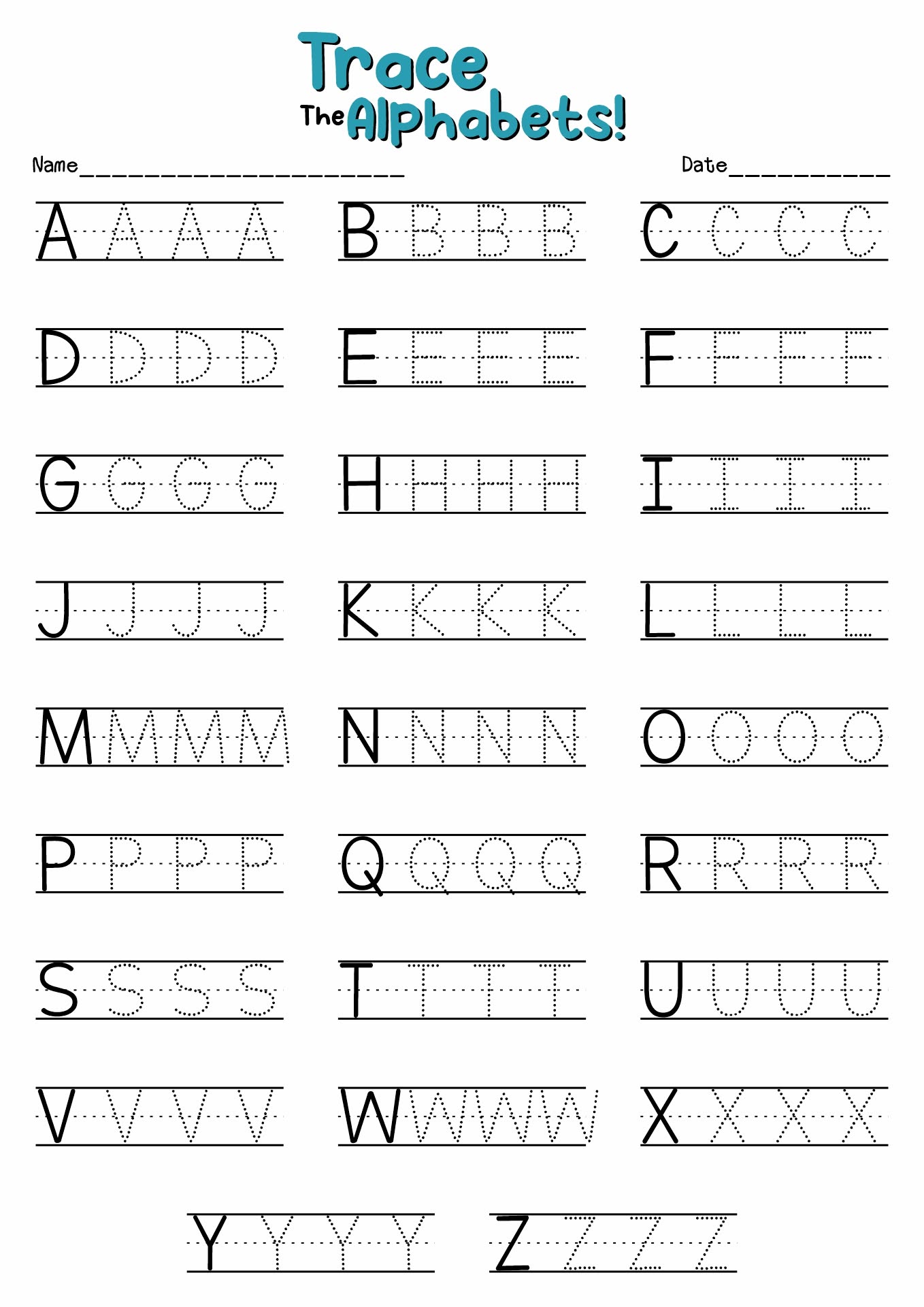
- Repetition for Mastery: Repeated exposure to letters aids memory retention. Children benefit from practicing letters multiple times across different days rather than cramming all activities into one session. This spaced repetition reinforces their learning.
- Variety of Activities: Alphabet practice pages often include diverse exercises, such as tracing, coloring, and matching. This variety keeps children engaged and caters to different learning styles.
- Easy Integration into Daily Routines: These pages can be easily incorporated into daily lessons or homework. They can be used for quick reviews or in-depth practice sessions, depending on the child’s needs.
- Flexible Printing Options: With printable resources, teachers and parents can choose to print only what they need. This reduces waste and allows for customization based on individual learning paces.
Choosing the Right Alphabet Practice Pages
When selecting alphabet practice pages for kindergarten, consider the following factors:
Age Appropriateness
Ensure that the practice pages are suitable for kindergarten-aged children, typically ages 5 to 6. Look for resources that provide clear instructions and are visually appealing to this age group.
Skill Level
Choose pages that match the skill level of your students. Some children may require basic tracing activities, while others might be ready for more complex tasks, such as writing words that start with specific letters.
Layout and Design
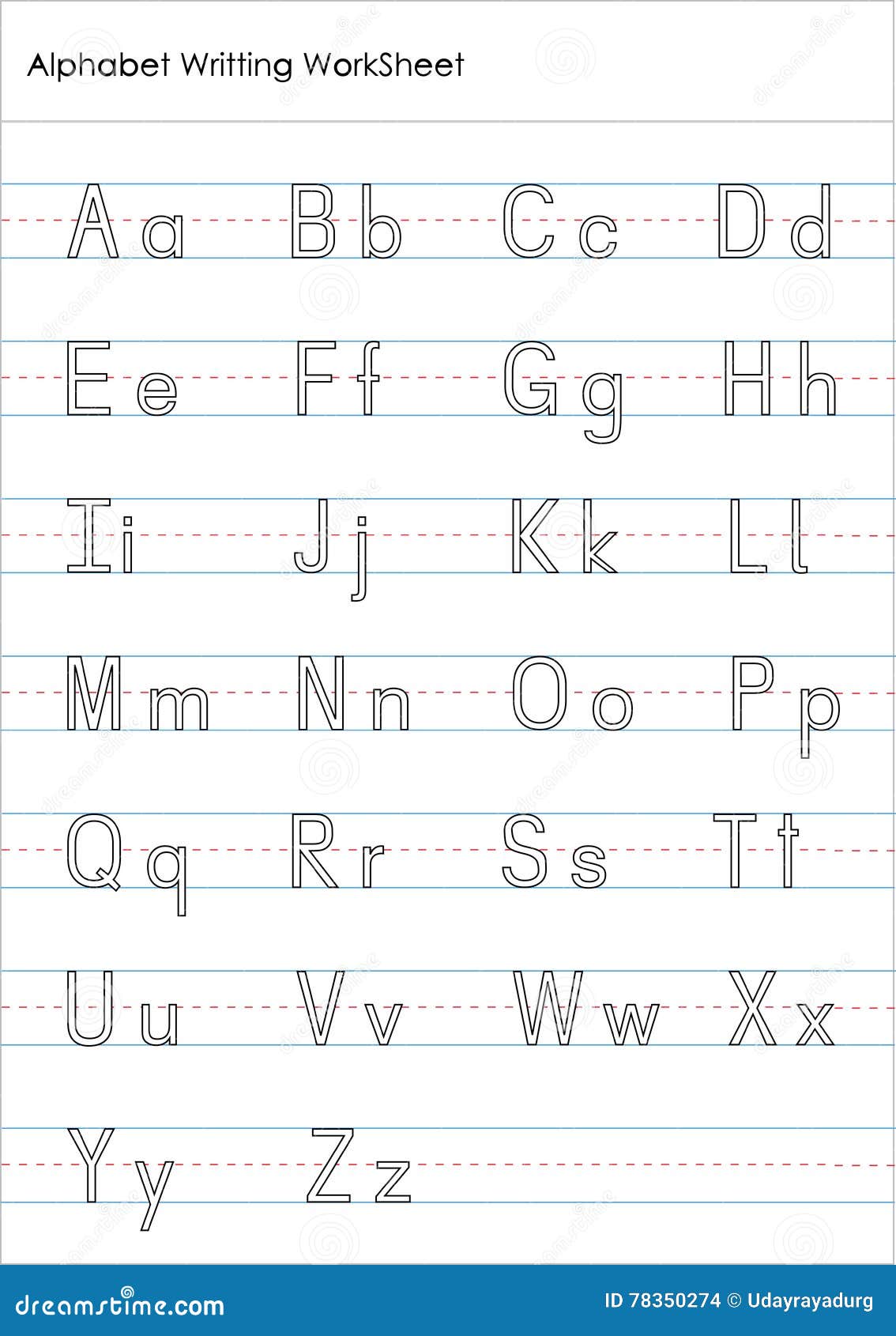
A well-designed practice page should be easy to understand and use. Look for resources that feature large letters for tracing and ample space for children to practice writing. Portrait layout tends to work better for most home printers, and using a larger font size can help young learners focus.
Effective Use of Alphabet Practice Pages
Utilizing alphabet practice pages effectively involves more than just handing them out. Here are some strategies to make the most of these resources:
Schedule Regular Practice Sessions
Instead of overwhelming children with extensive activities, schedule short, regular practice sessions throughout the week. Aim for about 15-20 minutes per session. This approach allows children to absorb information gradually and reduces frustration.
Incorporate Other Learning Tools
Combine alphabet practice pages with other learning tools such as flashcards, songs, and games. For instance, after completing a practice page, you might sing the alphabet song or play a letter recognition game to reinforce the lesson.
Monitor Progress
Keep track of each child’s progress by collecting their completed practice pages. This can help identify areas where they may need additional support or practice. Regular feedback can motivate children and help them stay engaged.
Where to Find Quality Alphabet Practice Pages
There are numerous sources for high-quality printable alphabet practice pages. Look for websites dedicated to educational resources, as they often provide a variety of templates and worksheets. Some key features to consider when selecting a source include:
- Download Options: Ensure the pages are available in PDF format for easy printing. This format avoids reformatting issues that image files sometimes have.
- Customization: Some resources allow for editable templates, enabling you to tailor the practice pages to fit specific learning objectives or preferences.
- User Reviews: Check feedback from other teachers or parents to gauge the effectiveness and quality of the materials. Resources with positive reviews are often more reliable.
Tips for Enhancing the Learning Experience
To make alphabet practice more engaging, consider these tips:
Use Colorful Materials
Children are more likely to stay engaged with colorful and visually appealing practice pages. Look for resources that incorporate fun designs and illustrations.
Encourage Creativity
Allow children to personalize their practice pages by adding drawings or stickers. This can make the learning experience more enjoyable and memorable.
Provide Positive Reinforcement
Use positive feedback to encourage children as they practice their letters. Simple praise or small rewards can motivate them to continue working on their skills.