
Children often struggle with letter recognition and phonetics, which are foundational skills for reading and writing. Alphabet Pictures To Print Out provide a visual and interactive way to reinforce these essential concepts. By incorporating these resources into your teaching plan, you can create a more engaging learning environment that caters to various learning styles. guide you through selecting, downloading, printing, and effectively using alphabet pictures in your classroom or at home.
Understanding the Importance of Alphabet Pictures
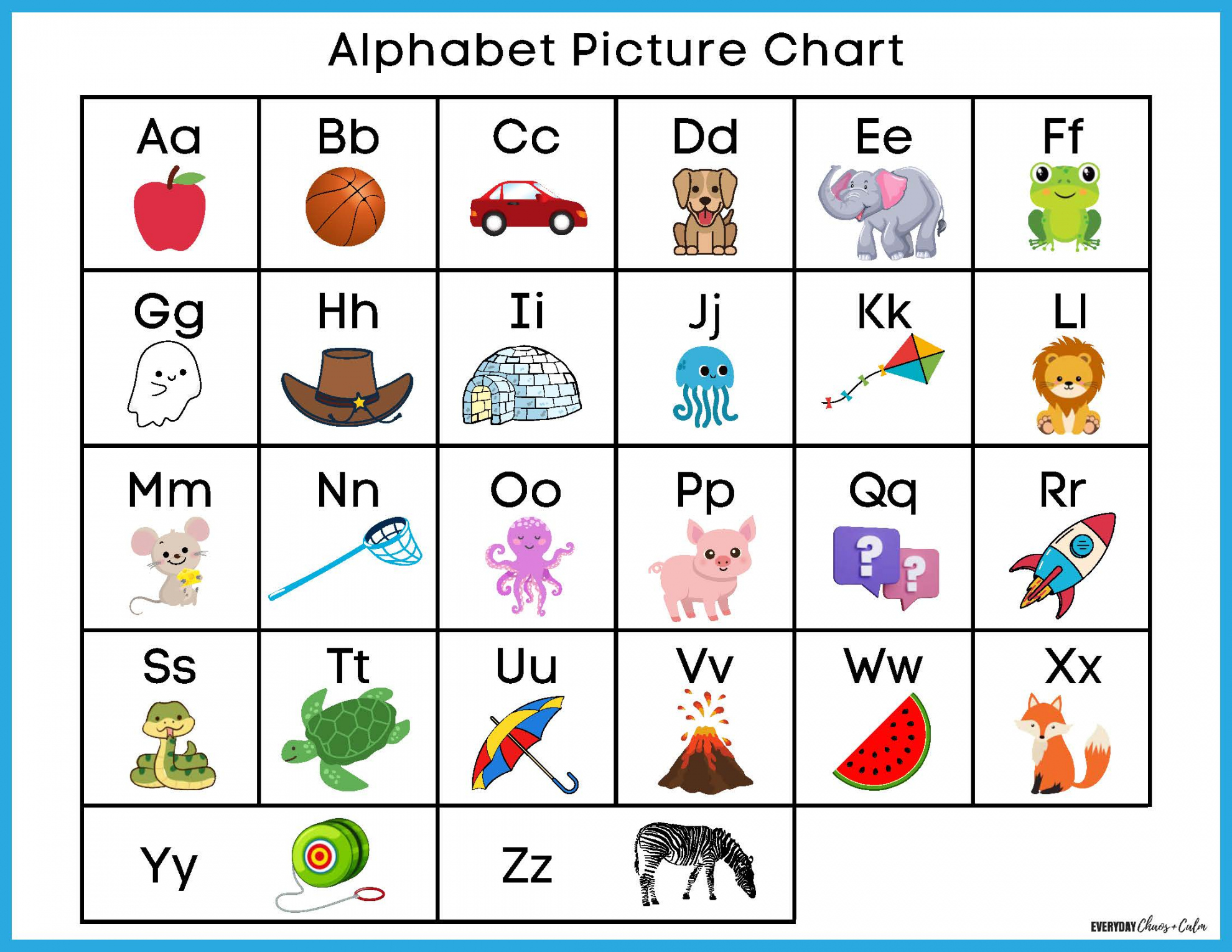
Alphabet pictures serve as a bridge between visual learning and literacy. Each letter is represented by an image that corresponds to its phonetic sound. For example, the letter “A” is often illustrated with an apple. This connection helps children associate letters with words, enhancing their vocabulary and reading skills.
Using alphabet pictures can be particularly beneficial for preschool and kindergarten students, typically aged 3 to 6. At this stage, children are developing their language skills and need engaging materials to maintain their interest. Alphabet pictures make learning fun and interactive, allowing children to visualize letters and their sounds in a meaningful context.
Choosing the Right Alphabet Pictures
When selecting alphabet pictures to print out, consider the following factors:
- Age Appropriateness: Ensure the images resonate with your students’ age group. For younger children, colorful and simple illustrations work best.
- Cultural Relevance: Choose images that reflect the diversity of your students’ backgrounds. This inclusivity can enhance engagement and understanding.
- Clarity and Detail: Opt for pictures that are clear and easily recognizable. Avoid overly complex images that may confuse young learners.
You can find numerous resources online that offer free or low-cost printable alphabet pictures. Websites dedicated to educational materials often have a variety of options to choose from, ensuring you can find the perfect fit for your classroom needs.
Downloading and Printing Alphabet Pictures
Once you have selected the alphabet pictures you want to use, the next step is to download and print them. Here’s a simple workflow:
- Find a Reliable Source: Look for reputable educational websites that offer printable resources. Make sure to check user reviews or ratings to ensure the quality of the downloads.
- Select Your Pictures: Browse through the available options and select the images you want. You might want to pick a handful of letters to start with, rather than the entire alphabet, to avoid overwhelming your students.
- Download the Files: Click on the download button. Most sites will provide the images in PDF format, which is preferable for printing as it maintains the quality of the images.
- Print Settings: Before printing, adjust your printer settings. Portrait layout usually works best for individual letters. If you plan to laminate the pictures for durability, consider using cardstock paper.
- Test Print: Always do a test print first to ensure that the colors and sizes are as expected. Make any necessary adjustments in your printer settings.
By following these steps, you can ensure a smooth printing experience and high-quality resources for your students.
Setting Up for Use in the Classroom
Once you have your alphabet pictures printed, it’s time to set them up for use in your classroom. Here are some practical ways to incorporate them into your teaching:
- Letter of the Day: Choose one letter to focus on each day. Display the corresponding picture prominently to engage students. Encourage them to share words that start with that letter.
- Interactive Activities: Use the pictures in various activities. For example, you can create a matching game where students match the letter to its corresponding picture.
- Art Projects: Have students color or decorate the alphabet pictures. This hands-on activity reinforces their learning while allowing for creativity.
- Word Wall: Create a word wall featuring the alphabet pictures. As children learn new words, they can add them to the wall, providing a visual reference as they progress.
These methods not only reinforce letter recognition but also promote fine motor skills and creativity.
Enhancing Learning With Supplementary Activities
To maximize the effectiveness of alphabet pictures, consider pairing them with supplementary activities that enhance learning. Here are a few ideas:
- Storytime Integration: Read a story that features words starting with the letter of the day. Afterward, display the corresponding alphabet picture and discuss the words.
- Phonics Games: Incorporate phonics games that use the alphabet pictures. For example, you can create a bingo game where students cover the pictures as you call out the letters or words.
- Digital Resources: Use technology to complement your printable resources. Interactive apps and online games can reinforce letter recognition and phonics skills in a fun way.
By integrating these activities, you create a holistic learning experience that caters to various learning styles and keeps students engaged.