
Incorporating art into learning can significantly boost children’s engagement and retention. Alphabet pictures to print and color are a fantastic resource for teachers and parents alike, providing a creative way for children to learn their ABCs while enjoying the process. These printable coloring pages not only enhance letter recognition but also encourage fine motor skills and creativity. Here’s how you can effectively use these resources in a classroom or home setting.
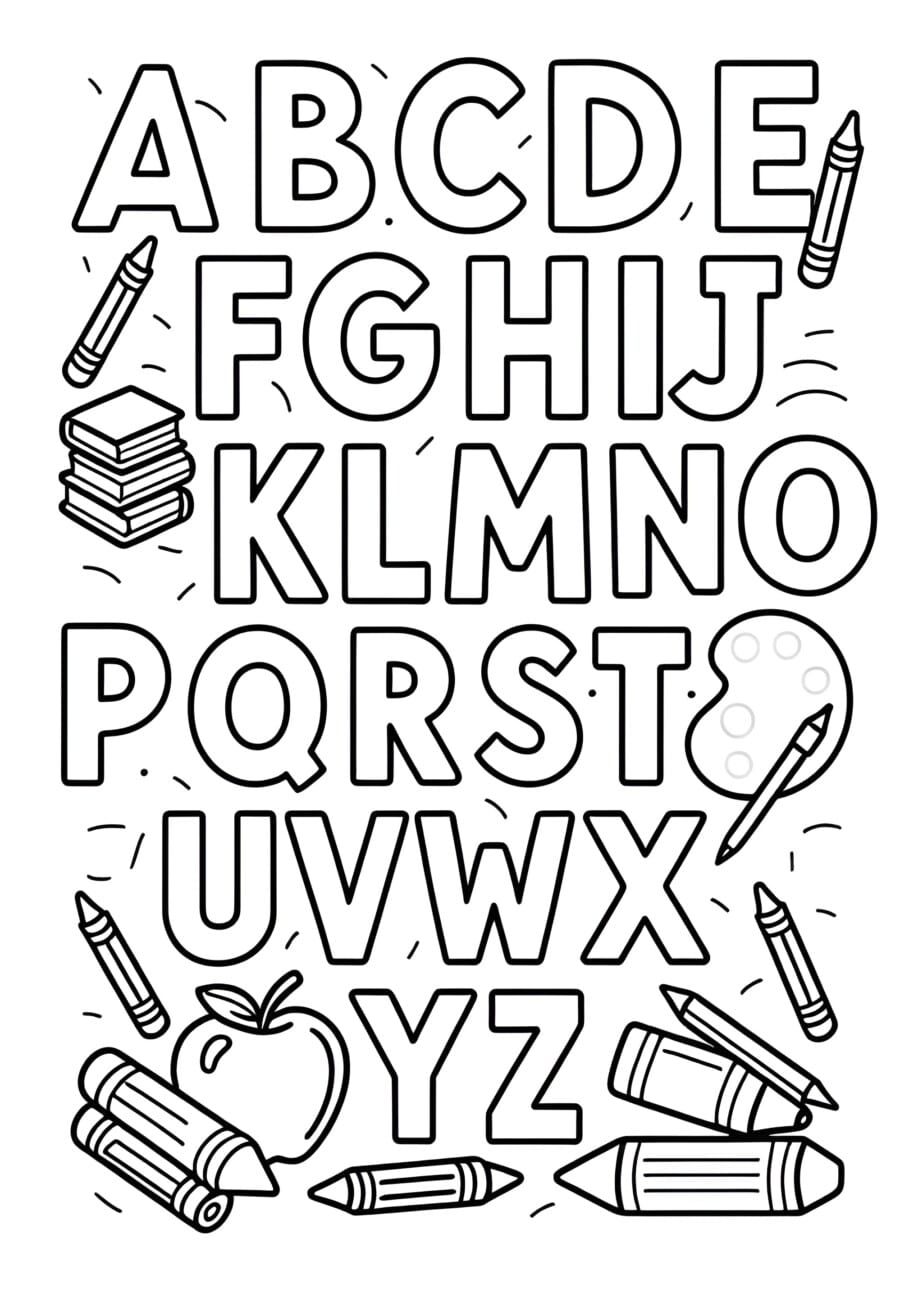
Understanding the Benefits of Using Alphabet Pictures
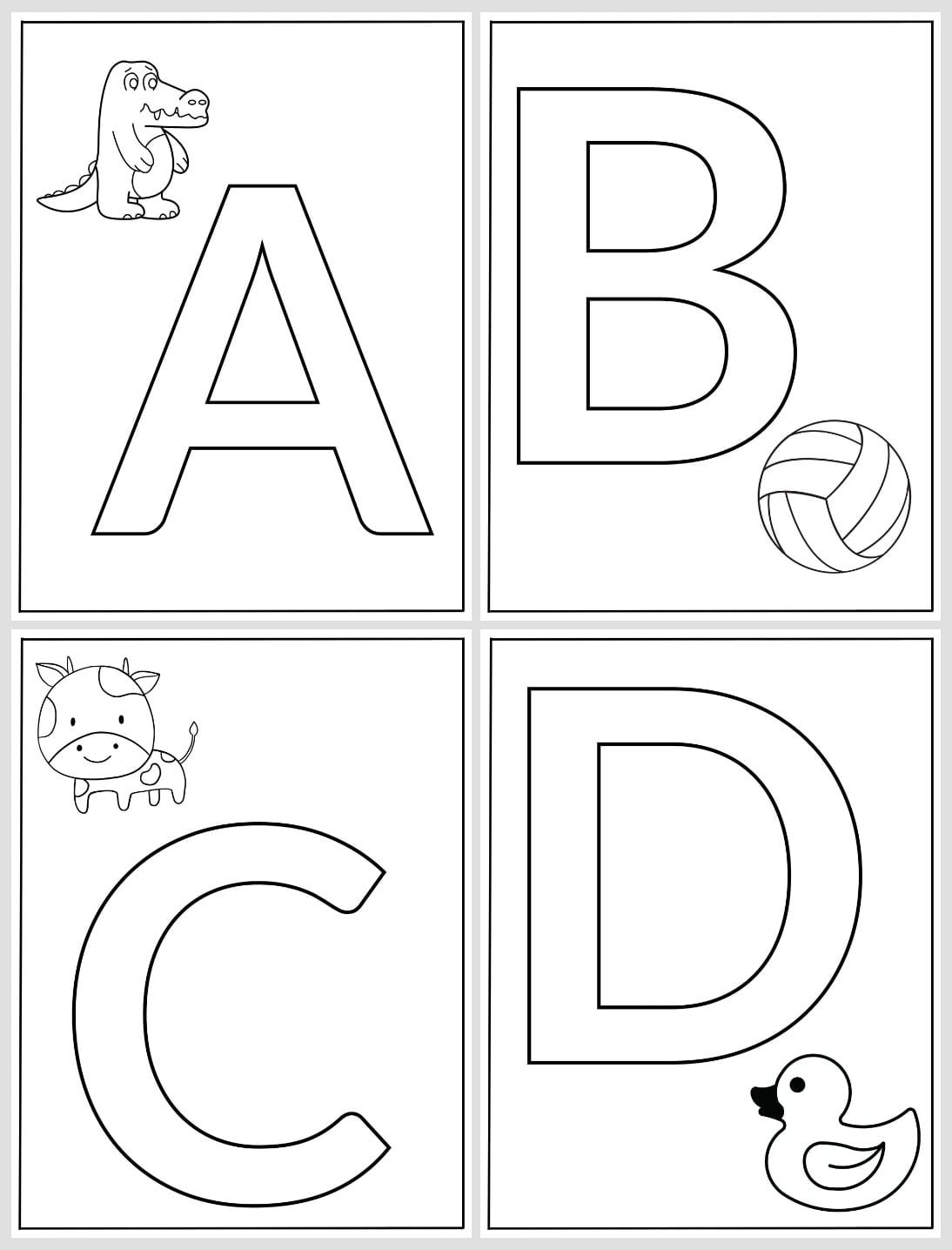
Using alphabet pictures to print and color brings several educational benefits. First, they help solidify letter recognition. When children associate letters with corresponding images, they can better remember their shapes and sounds. For instance, coloring a picture of an apple while learning the letter “A” reinforces the connection between the letter and its phonetic sound.
Additionally, these activities foster creativity. Children express themselves through colors and designs, which is crucial for cognitive development. As they color, they also practice their fine motor skills, improving their grip and control, which are essential for writing later on.
How to Integrate Coloring Pages Into Lessons
Incorporating alphabet pictures into your lesson plans can be seamless. Here are a few practical ideas:
- Daily Alphabet Review: Start each day with an alphabet picture. For younger students, spend a few minutes discussing the letter and its sound. Follow this with a coloring session. This can be a calming way to begin the day.
- Themed Activities: Pair coloring pages with thematic units. For example, if your theme is animals, use pictures of animals that start with the letters you’re teaching. This contextual learning helps solidify knowledge.
- Homework Assignments: Send alphabet coloring pages home as homework. This gives parents an opportunity to engage with their children in educational activities, reinforcing learning outside the classroom.
- Letter of the Week: Focus on one letter each week. Provide corresponding pictures to color that reinforce vocabulary around that letter. For instance, for the letter “B,” use pictures of a ball, bear, and butterfly.
Choosing the Right Printable Resources
When selecting alphabet pictures to print and color, consider the following:
- Age Appropriateness: Ensure the complexity of the images matches the age group you’re teaching. Younger children benefit from simple outlines, while older kids might enjoy more detailed designs.
- Printable Format: Look for high-quality PDFs that print well on standard paper sizes, such as 8.5″ x 11″. This ensures clarity and ease of use. PDFs are generally easier to work with since they maintain formatting across devices.
- Variety of Images: Choose resources that offer a range of images for each letter. This variety keeps children engaged and allows for different learning styles.
- Coloring Materials: Encourage the use of various coloring materials, such as crayons, colored pencils, or even watercolors, depending on the paper quality. Cardstock is ideal if you plan to laminate the pages for future use.
Engaging Children With Coloring Techniques
To make coloring activities even more engaging, consider these techniques:
- Color Challenges: Introduce challenges like “color the letter with your favorite color” or “use only warm colors.” This encourages creative thinking and decision-making.
- Story Integration: After coloring, ask children to create a short story about the picture they colored. This encourages verbal skills and imagination.
- Group Projects: Have students work together on a large poster where they can color and decorate letters as a team. This fosters collaboration and social skills.
- Display Finished Work: Create a classroom display of the colored pages. This gives children a sense of pride and accomplishment, reinforcing their efforts in learning.
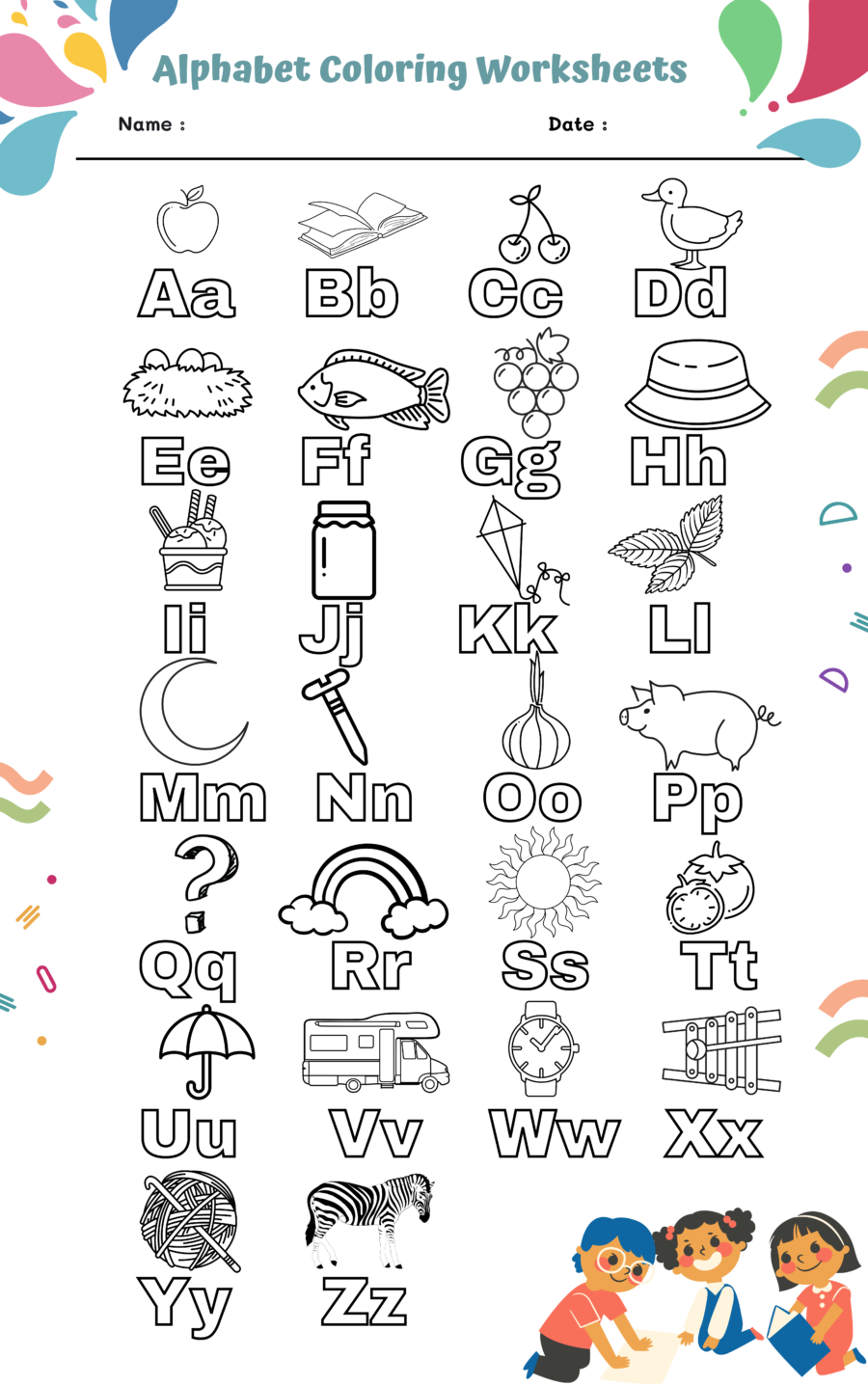
Tips for Printing and Preparing Alphabet Pictures
Here are some practical tips for printing and preparing alphabet pictures to print and color:
- Use Quality Paper: For best results, use heavier paper such as cardstock. This prevents bleeding through if children use markers or watercolors.
- Check Printer Settings: Ensure your printer settings are optimized for color quality. Most printers have a setting specifically for photo printing, which can enhance the clarity of the images.
- Print Multiple Copies: Kids often want to try different color schemes. Printing several copies allows them to experiment without feeling limited.
- Organize by Letter: Create a binder or folder for the alphabet pictures, organized by letter. This makes it easy to find the resources you need quickly.
- Include Instructions: If sending home as homework, consider including brief instructions for parents on how to best use the coloring pages to support learning.
Using alphabet pictures to print and color is more than just a fun activity; it’s a powerful educational tool that fosters learning in a playful way. By thoughtfully integrating these resources into your teaching strategy, you can create an engaging and effective learning environment.
So, gather your coloring supplies, print those pages, and watch as your students thrive in their alphabet adventures!