
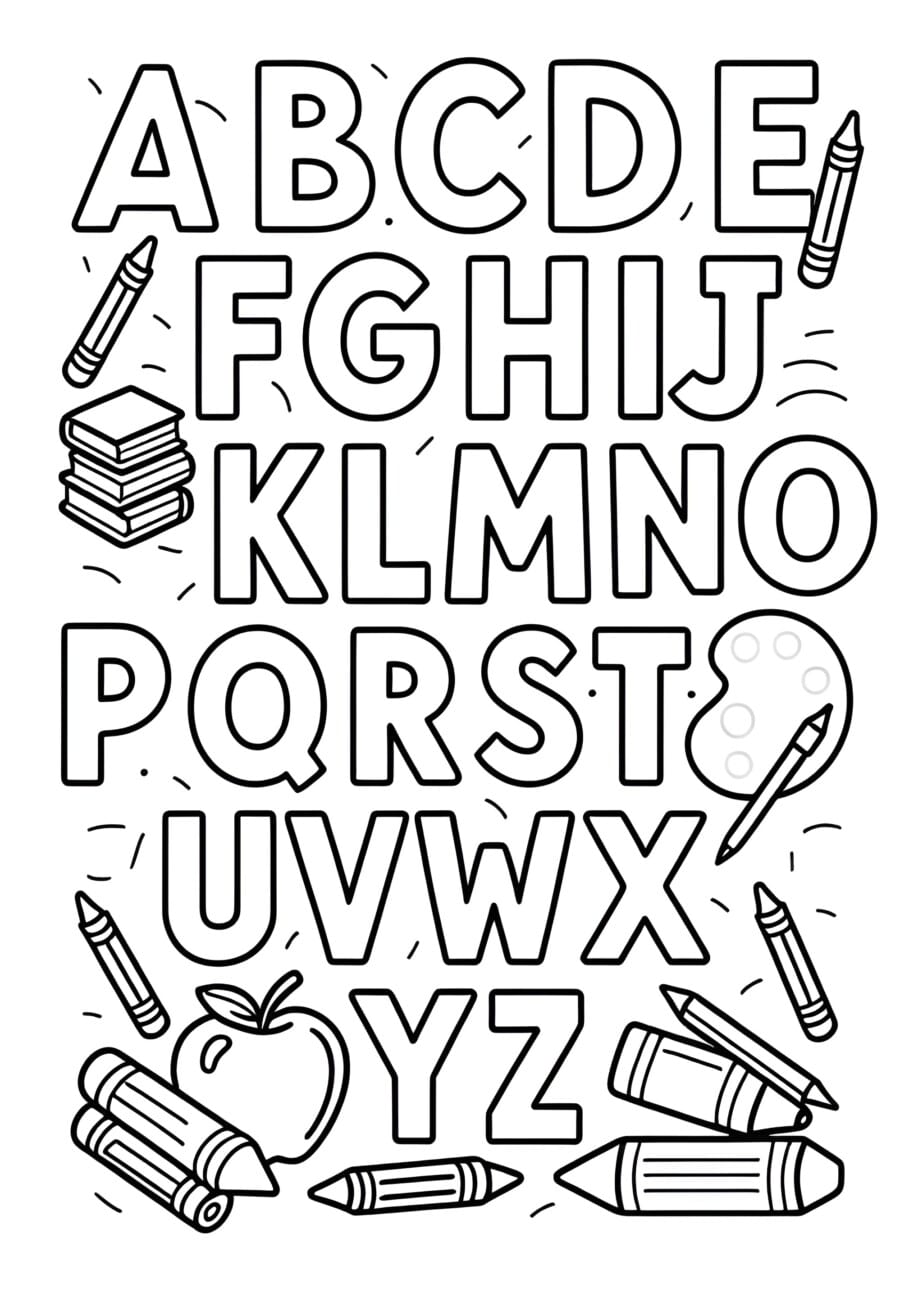
In a vibrant classroom, a teacher named Ms. Johnson watches as her students eagerly gather around their art station. Today, they’re not just learning letters; they’re bringing them to life with vibrant hues. Alphabet Pictures for Kids to Color are the perfect blend of education and creativity, allowing children to engage with the alphabet in a hands-on way. This resource not only enhances their fine motor skills but also fosters a love for learning through art.
Understanding the Importance of Coloring in Early Education
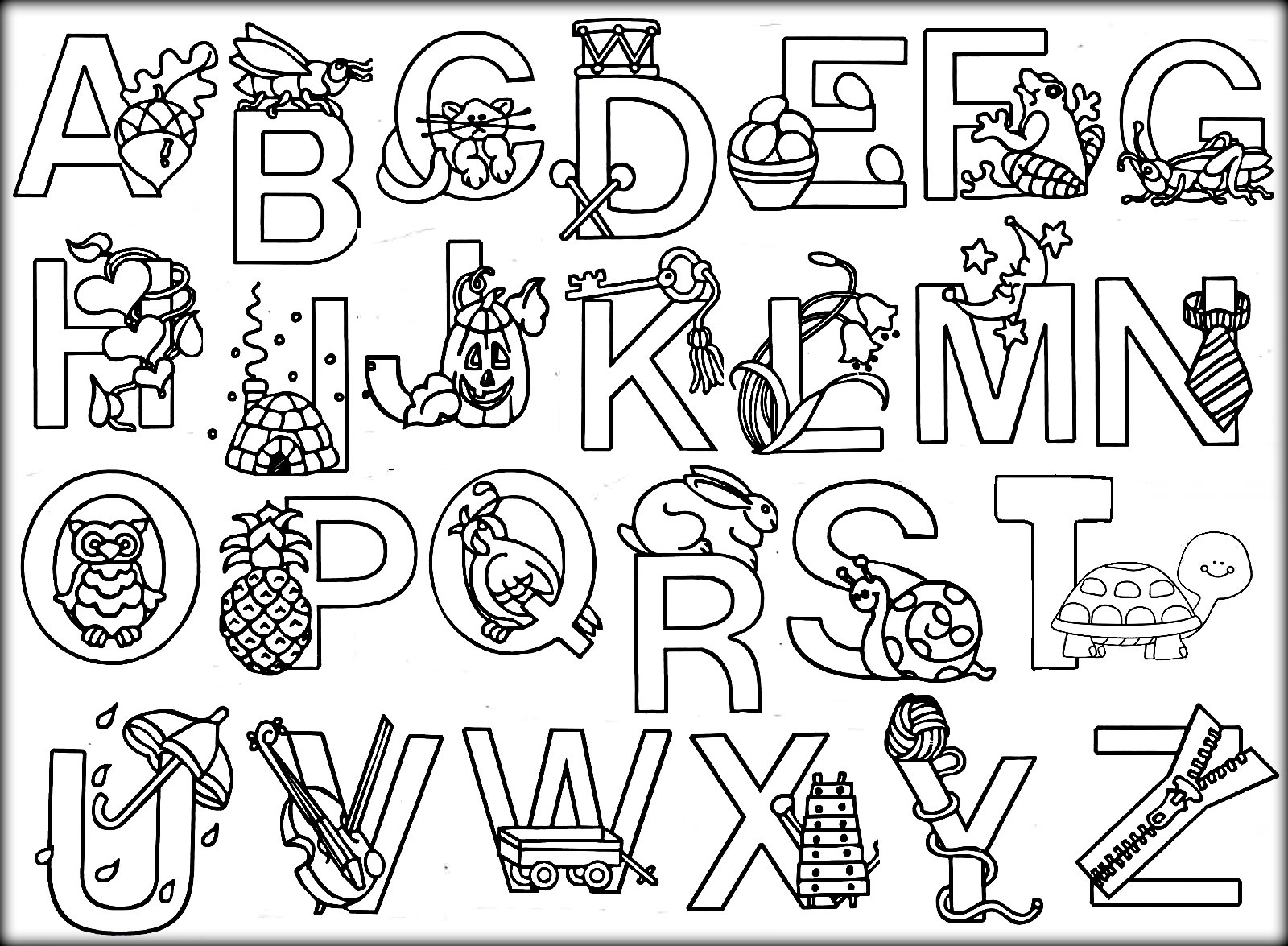
Coloring is more than just a fun activity; it plays a crucial role in early childhood development. When children color, they improve their hand-eye coordination and fine motor skills, which are essential for writing later on. Engaging with Alphabet Pictures for Kids to Color provides a dual benefit: they learn their letters while honing their artistic abilities.
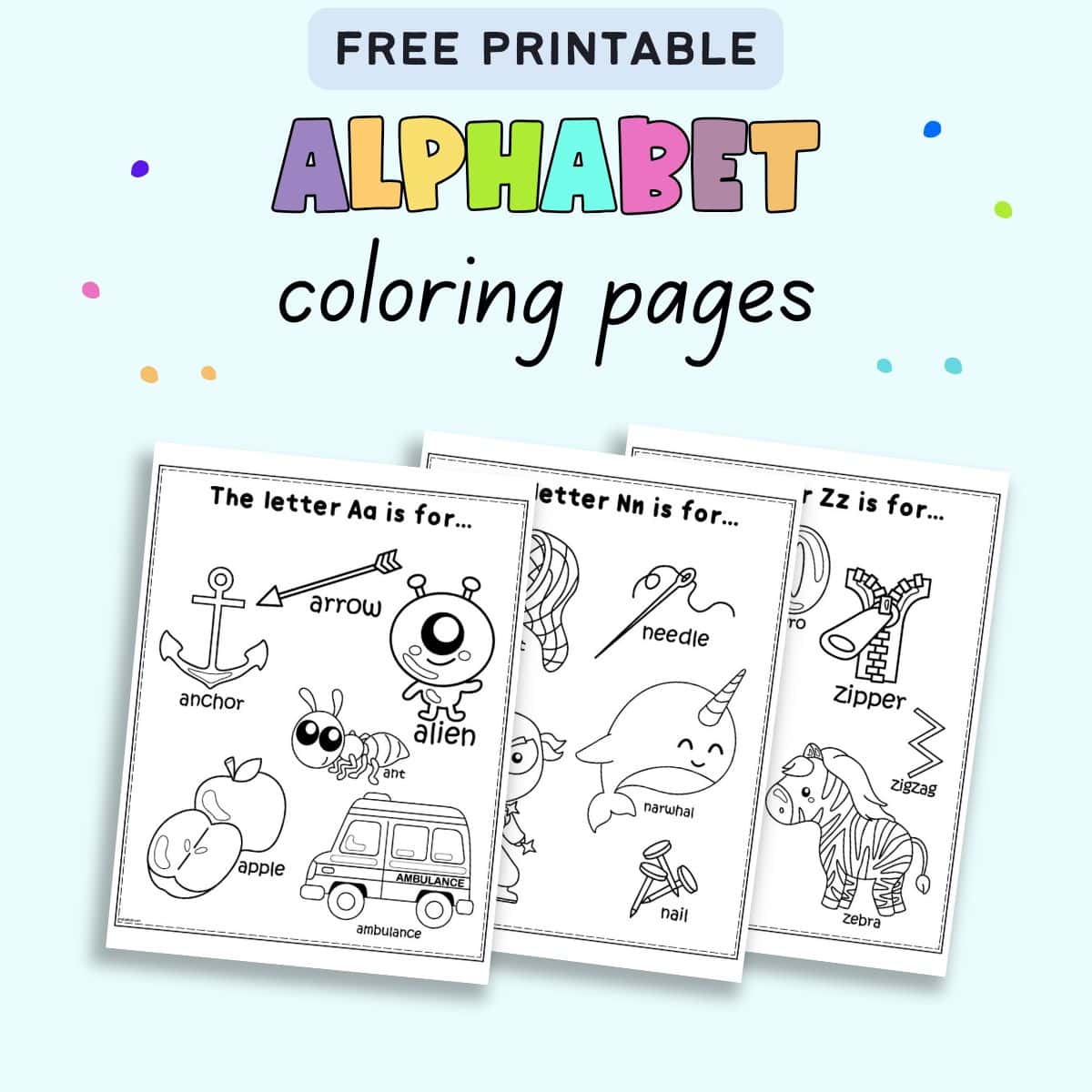
Incorporating these coloring pages into your lesson plans is straightforward. You can use them as a warm-up activity to introduce new letters or as a calming end-of-day task. The key is to emphasize the connection between the letters and the pictures they represent. For example, a picture of an apple for the letter “A” makes the learning experience memorable.
Practical Ways to Use Alphabet Pictures for Kids to Color
Using these coloring pages can be simplified into various engaging activities. Here are some practical tips for incorporating Alphabet Pictures for Kids to Color into your teaching routine:
- Daily Letter Focus: Choose one letter each day of the week. Begin with a short lesson on the letter’s sound and shape. Then, have the students color corresponding pictures. This routine reinforces their learning.
- Art Stations: Set up an art station in your classroom or home where children can freely choose which Alphabet Pictures to color. This encourages creativity and choice, making learning more enjoyable.
- Coloring Contests: Organize friendly competitions where students can showcase their artistic skills. This could be themed around holidays or specific letters, like “B is for Bunny” during spring.
- Story Time Integration: After coloring, read a story that features the letters or words they’ve colored. This reinforces vocabulary and comprehension skills.
- Family Involvement: Send home a coloring page for parents to engage with their children. This not only reinforces learning but also strengthens the home-school connection.
Selecting the Right Resources
When choosing Alphabet Pictures for Kids to Color, consider the age group you’re working with. For preschoolers, opt for simpler images with bold outlines that are easy to color. As children progress into kindergarten and beyond, you can introduce more complex images that require greater attention to detail.
Ensure that the coloring pages are printed on suitable paper. Using cardstock can provide a sturdier base for young artists, especially if they are using markers or watercolors. For a more eco-friendly option, consider printing on recycled paper.
Tracking Progress and Skills Development
To help track your students’ progress in learning their letters, consider creating a simple chart. Each time they complete an Alphabet Picture, mark it on the chart. This not only motivates them but also allows you to visually see their progress over time.
You can also encourage students to share their colored pictures with the class. This not only builds confidence but also fosters a sense of community as children appreciate each other’s work.
Creating a Weekly Coloring Schedule
To maximize the benefits of using Alphabet Pictures for Kids to Color, establish a coloring schedule throughout the week. Here’s a sample outline:
- Monday: Introduce the letter of the week (e.g., “A”). Discuss its sound and related words. Provide an apple coloring page.
- Tuesday: Focus on the letter “B” with a picture of a balloon. Encourage students to explore different colors.
- Wednesday: Letter “C” day with a cat picture. Discuss the characteristics of cats while coloring.
- Thursday: Introduce “D” with a dog picture. Have students share their favorite dog breeds.
- Friday: Review the week’s letters and allow students to color any of the pictures they enjoyed most.
This schedule not only helps in reinforcing the letters but also keeps the students excited about what they will learn next.
Tips for Enhancing the Coloring Experience
To make the coloring experience even more rewarding, here are a few tips:
- Use quality coloring supplies: Provide a variety of coloring tools such as crayons, colored pencils, and markers. Each medium offers a different experience and can spark creativity.
- Create a quiet space: Ensure that the coloring area is calm and free from distractions. This helps children focus on their task and enhances their creativity.
- Encourage storytelling: After coloring, have students tell a story about their picture. This helps develop their verbal skills and imagination.
- Display their artwork: Create a gallery wall in your classroom or home to showcase their colored pictures. This not only boosts their confidence but also creates a sense of pride in their work.
By integrating these strategies into your classroom or home activities, you can create a rich learning environment that fosters both literacy and creativity.
Encourage your students to look at the world of colors and letters. Start by downloading a set of Alphabet Pictures for Kids to Color today, and watch as they flourish in their learning journey!