
Using Alphabet Out Of Order Worksheets is a fantastic way to help children learn the correct sequence of letters in the alphabet. These worksheets can be particularly beneficial for preschool and early elementary students who are just beginning to grasp the basics of letter recognition and order. By engaging in this activity, students can develop essential skills that will serve as a foundation for their literacy journey.
Understanding the Importance of Alphabet Order
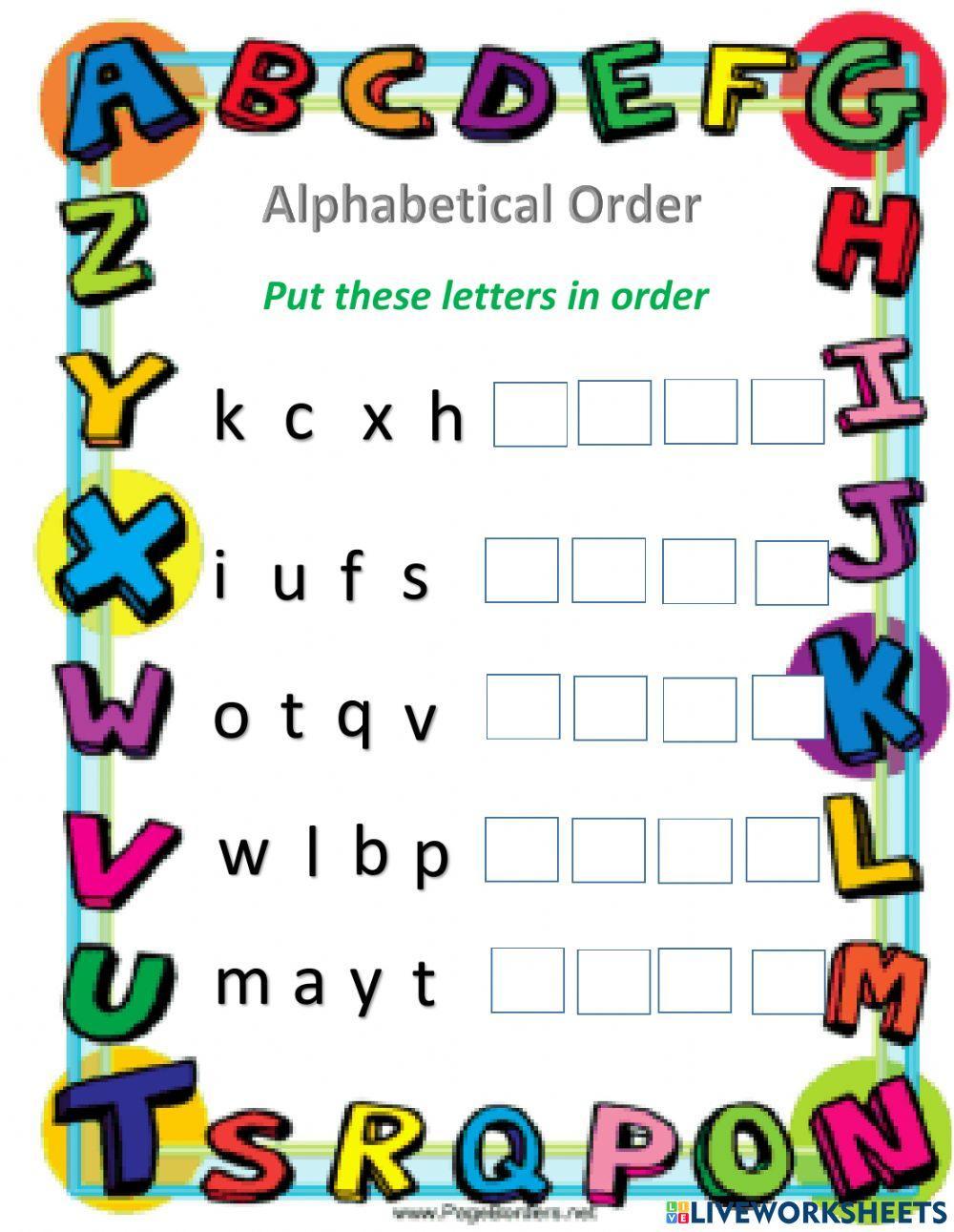
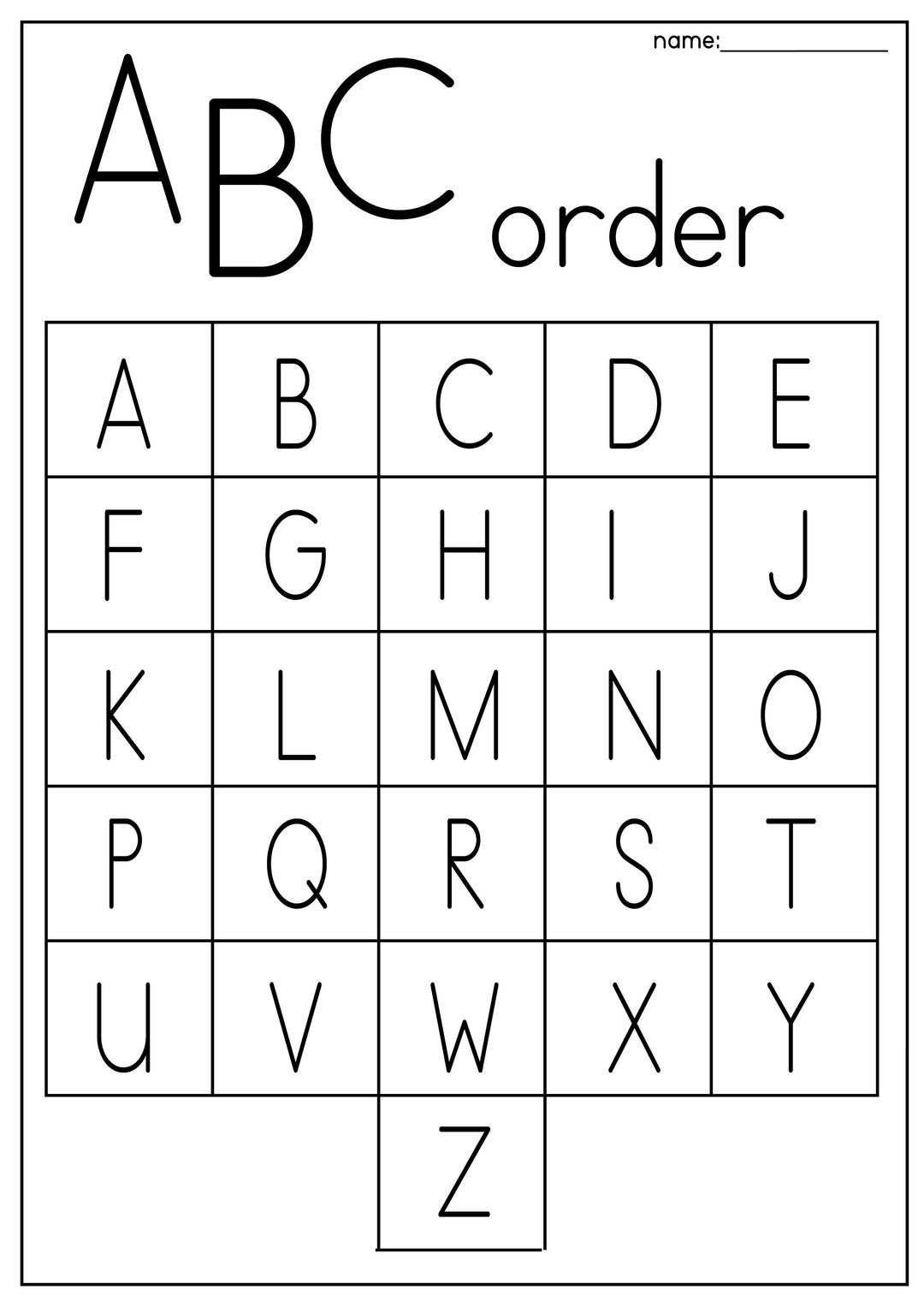
Alphabet order is a fundamental concept in early childhood education. Children need to learn the sequence of letters to understand how words are formed and how to use them in writing and reading. Alphabet Out Of Order Worksheets specifically target this area by presenting letters in a scrambled format, prompting students to reorganize them into their correct sequence.
This exercise not only reinforces letter recognition but also enhances fine motor skills as students write or trace the letters. Teachers can incorporate these worksheets into their lesson plans to create a more interactive and engaging learning environment.
How to Use Alphabet Out Of Order Worksheets in the Classroom
Integrating Alphabet Out Of Order Worksheets into your teaching routine is straightforward. Here are some practical steps to get started:
- Select the Right Worksheets: Choose worksheets that are age-appropriate, typically aimed at children in preschool through first grade. Ensure that the worksheets contain clear, large letters that are easy for young learners to recognize and manipulate.
- Introduce the Activity: Start by explaining the concept of alphabetical order. You might say something like, “Today, we’re going to play a game with letters! Some letters are mixed up, and we need to put them back in the correct order.”
- Demonstrate: Show students an example of a scrambled set of letters and how to rearrange them. You might use a whiteboard or projector to illustrate the process, making it visually engaging.
- Hands-On Practice: Distribute the Alphabet Out Of Order Worksheets and allow students to work on them individually or in pairs. Encourage them to say the letters aloud as they write them in order, reinforcing auditory learning alongside visual recognition.
- Review Together: After completing the worksheets, gather the class and review the answers. This can be done as a group activity where students share what they learned, and you can correct any mistakes in real-time.
This method not only reinforces the lesson but also builds confidence as children share their work with their peers.
Adapting Worksheets for Different Learning Styles
Every child learns differently, so it’s essential to adapt your approach to meet various learning styles. Here are some tips for customization:
- Visual Learners: Incorporate colorful worksheets with images related to the letters. For example, pairing letters with pictures of objects that start with those letters can enhance recognition and retention.
- Kinesthetic Learners: For students who learn best through movement, consider using physical letter cards. Have them physically arrange the cards in order before completing the worksheet. This tactile experience can solidify their understanding of letter order.
- Auditory Learners: Use songs or rhymes that focus on the alphabet. Singing the alphabet song before the activity can help reinforce the order of the letters in a fun way.
By recognizing the diverse ways children learn, you can create a more inclusive classroom environment that maximizes engagement and retention.
Benefits of Using Printable Worksheets at Home
Alphabet Out Of Order Worksheets aren’t just for the classroom; they can also be a valuable resource for homeschooling or supplemental practice at home. Here are some benefits of using these worksheets in a home setting:
- Flexibility: Parents can choose when and how to use the worksheets based on their child’s daily schedule or learning pace. This ensures that learning can happen at the most suitable times.
- Focused Learning: Parents can tailor the worksheets to address specific areas where their child may need more support. This focused approach can lead to more effective learning outcomes.
- Engagement: Worksheets can be used as part of fun learning games. For instance, parents might create a race to see who can complete the worksheet the fastest while ensuring accuracy.
- Immediate Feedback: Parents can provide instant feedback, helping to correct mistakes and reinforce learning on the spot, which is crucial for young learners.
- Resource Availability: Printable worksheets are readily available online, making it easy for parents to find and download new materials as needed without having to create them from scratch.
Additional Activities to Reinforce Alphabet Learning
To complement the use of Alphabet Out Of Order Worksheets, consider integrating additional activities that reinforce letter order and recognition:
- Alphabet Games: Engage students with games like “Alphabet Bingo” or “Letter Scavenger Hunt” where they find objects around the classroom or home that start with each letter.
- Crafting Letters: Have students create letters using playdough or cut-out paper. This hands-on approach can bring a tactile element to their learning.
- Story Time: Incorporate alphabet-themed books during story time. Discuss the order of letters as they appear in the text, reinforcing the concept in a narrative context.
- Alphabet Songs: Continue using songs and rhymes to reinforce learning. Music is a powerful tool for memory retention, especially in young children.
These activities can be easily adapted for both classroom and home settings, making learning fun and dynamic.
By using Alphabet Out Of Order Worksheets effectively, you can significantly enhance your students’ understanding of letter sequencing. This foundational skill is vital for their literacy development. Next time you plan your lessons, consider how these worksheets can fit into your educational strategy and watch as your students gain confidence in their alphabet knowledge. A simple tip: print the worksheets on cardstock for durability, especially if they’ll be used multiple times!