
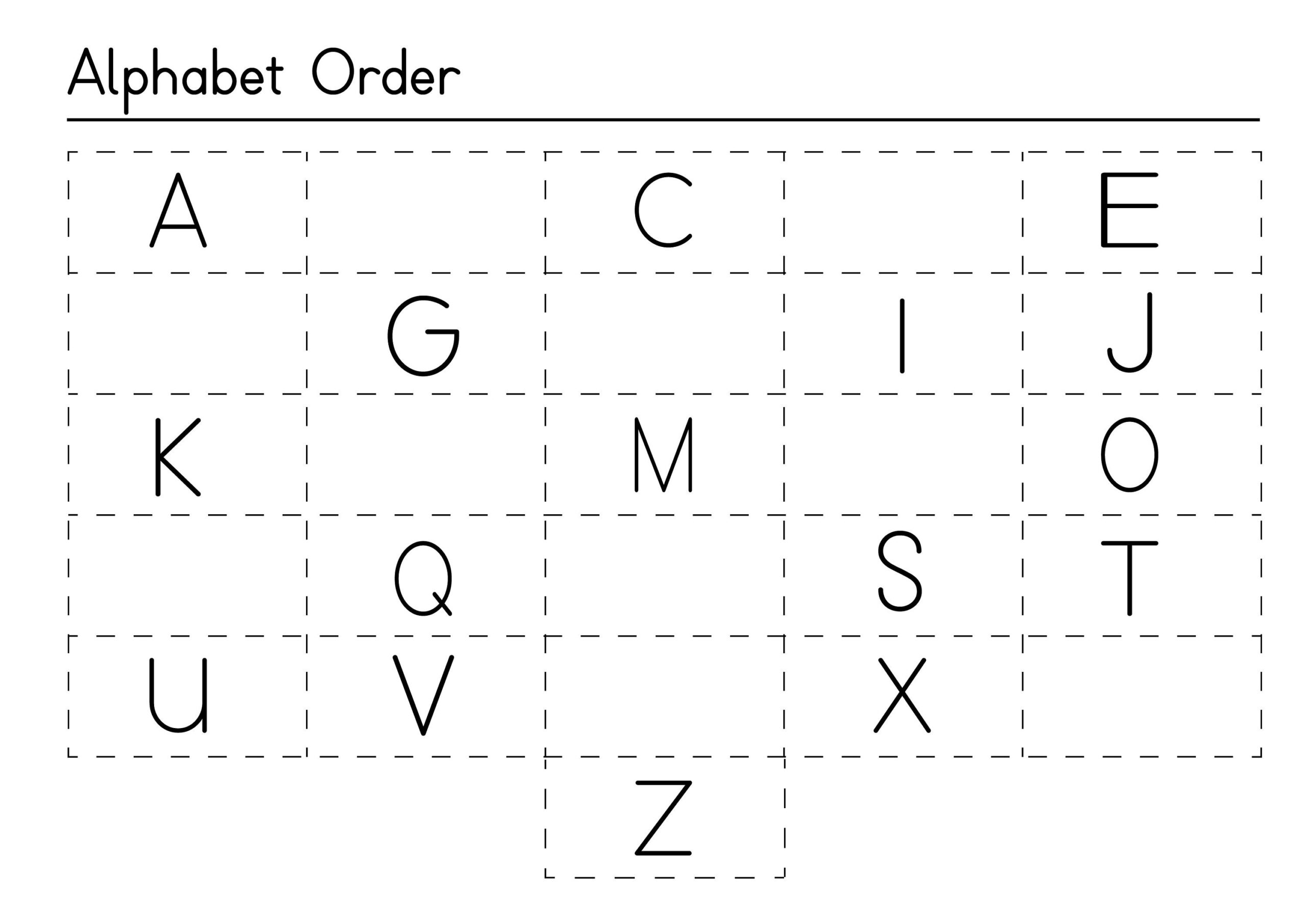
Teaching young children the alphabet is a foundational skill in early education, yet many teachers struggle to find effective tools that engage students while reinforcing learning. Alphabet Order Worksheets For Kindergarten can be a useful option. These worksheets not only help children learn to recognize letters, but they also teach them how to arrange letters in the correct order, which is essential for reading and writing.
Understanding the Importance of Alphabet Order
Before diving into the worksheets, it’s essential to understand why teaching alphabet order matters. Children who grasp the sequence of letters are better equipped to develop literacy skills. Recognizing the order of letters helps them decode words, spell correctly, and eventually read fluently.
This skill is vital for kindergarteners who are just starting their educational journey. By using worksheets specifically designed for this purpose, you can create a structured and engaging learning experience that supports their development.
Choosing the Right Alphabet Order Worksheets
When selecting Alphabet Order Worksheets For Kindergarten, consider a few key elements:
- Age Appropriateness: Ensure the worksheets are designed for kindergarteners, featuring simple designs and engaging activities that capture their interest.
- Variety of Activities: Look for worksheets that include a mix of tasks, such as tracing letters, filling in blanks, and matching letters to pictures. This variety keeps learning fun and caters to different learning styles.
- Visual Appeal: Bright colors and playful images help maintain young learners’ attention. Worksheets should be visually stimulating without being overwhelming.
Downloading and Printing Your Worksheets
Once you’ve chosen the appropriate worksheets, the next step is downloading and printing them. Here’s how to make this process smooth:
- Download the Worksheets: Click on the download link provided on the resource website. Make sure to save the file in a location you can easily access later.
- Check Format: Most worksheets will be in PDF format, which is ideal for printing. PDFs preserve layout and design elements that other formats may alter.
- Print Settings: Adjust your printer settings before printing. Use portrait orientation for most worksheets, and if you have the option, select the “fit to page” setting to ensure nothing gets cut off.
Setting Up the Worksheets for Use
Now that you have your worksheets printed, it’s time to set them up for use in the classroom or at home. Here are practical tips to consider:
- Create a Learning Space: Designate a specific area where children can comfortably work on their worksheets. This could be a table in the classroom or a quiet corner at home.
- Gather Supplies: Provide children with crayons, markers, or pencils to complete their worksheets. If you want them to practice writing, consider providing lined paper or a writing tablet.
- Instructions: Before starting, explain to the children what they will be doing. Use simple language and demonstrate an example if necessary. For instance, show them how to trace a letter and then write it on their own.
Using Alphabet Order Worksheets in Practice
Now that everything is set up, you’re ready to begin using the worksheets. Here’s how to facilitate the learning process effectively:
- Start with Guided Practice: Initially, work through a worksheet together as a class or with your child. This approach helps them understand the task and gives them a chance to ask questions.
- Encourage Independent Work: Once they grasp the concept, let them complete the worksheets independently. This fosters confidence and reinforces their learning.
- Monitor Progress: As they work, circulate around the room or check in with your child to offer support and encouragement. This will help you identify any areas where they might struggle.
Incorporating Fun Activities
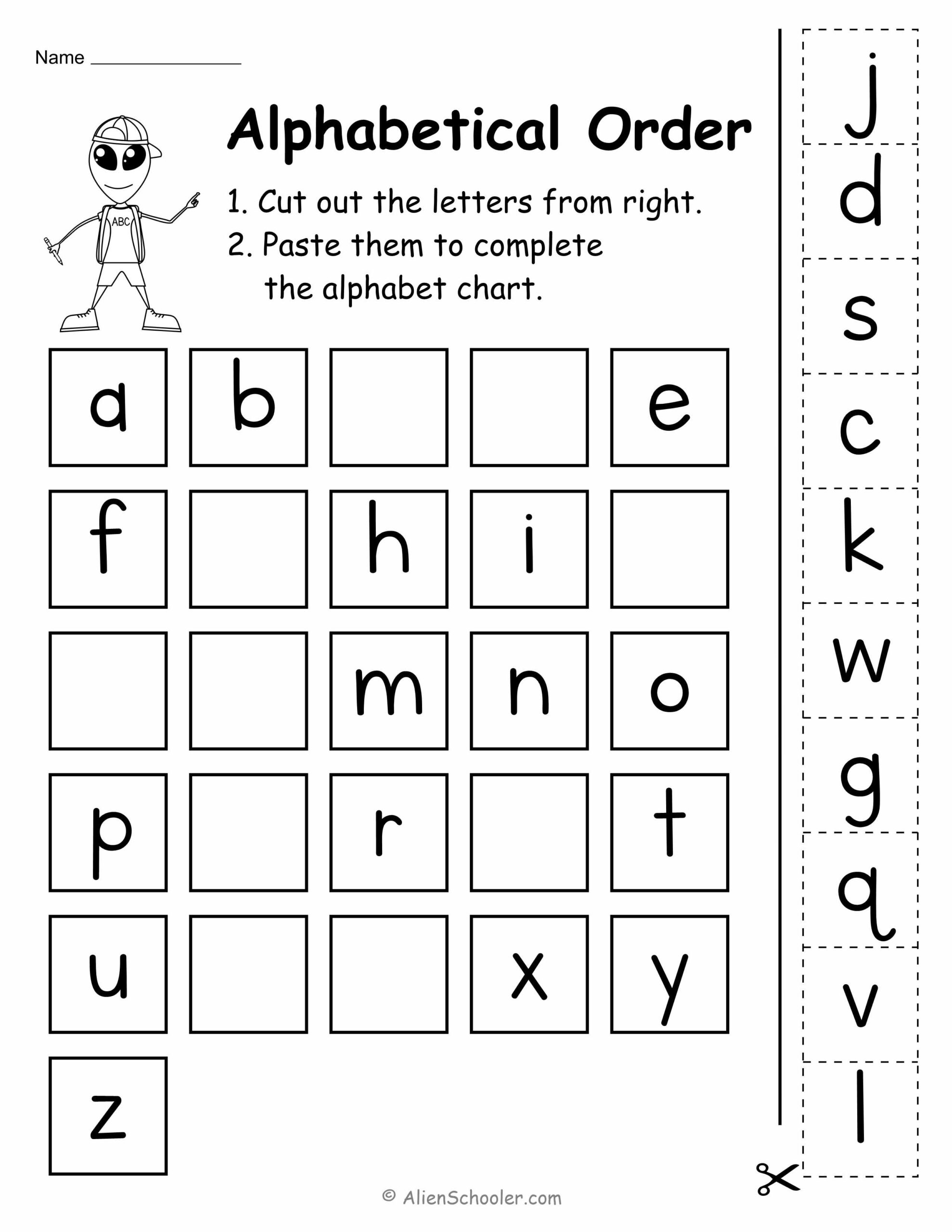
To keep the learning experience engaging, consider integrating fun activities alongside the worksheets. Here are a few ideas:
- Alphabet Games: Play games like “I Spy” where children find letters around the classroom or home. This reinforces their understanding of letter order in a playful manner.
- Songs and Rhymes: Use songs that teach the alphabet. Children often remember melodies better than facts, making this a great way to reinforce learning.
- Interactive Letter Crafts: Have children create their own alphabet books. They can decorate each page with pictures and words that start with each letter, further solidifying their understanding.
Tracking Progress
As with any educational activity, tracking progress is key. Here are some ways to do this effectively:
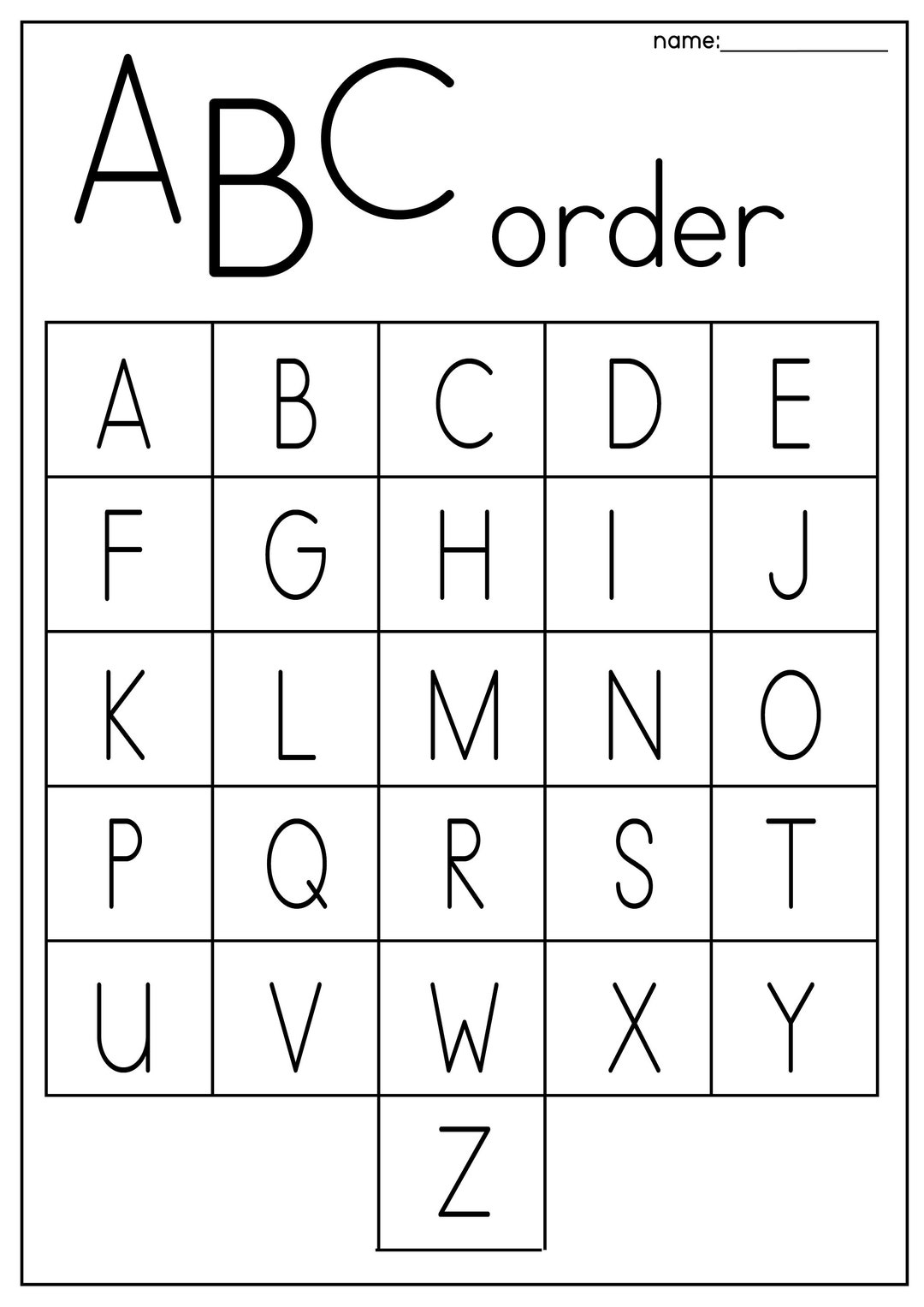
- Check Completed Worksheets: After children finish their worksheets, review them to see how well they understood the concepts. Look for correct letter order and neatness.
- Set Goals: Establish achievable goals for each child. For example, aim for them to complete a certain number of worksheets each week or improve their accuracy in letter recognition.
- Provide Feedback: Offer constructive feedback on their work. Celebrate their successes, and gently guide them on areas that need improvement.
By using these strategies, you can ensure that your students or children are not only learning the alphabet order but are also excited about the process. Alphabet Order Worksheets For Kindergarten can be a significant tool in achieving this goal, making learning both effective and enjoyable.
To get started today, download a set of engaging worksheets and prepare to watch your young learners thrive!