
Using Alphabet Match Upper And Lowercase Worksheets can provide a fun and engaging way for young learners to connect the dots between uppercase and lowercase letters. These worksheets are tailored for early childhood education, typically suited for preschool to kindergarten students aged 4 to 6. They serve as a practical resource for teachers and parents looking to reinforce letter recognition and improve writing skills.
Understanding the Layout of the Worksheets
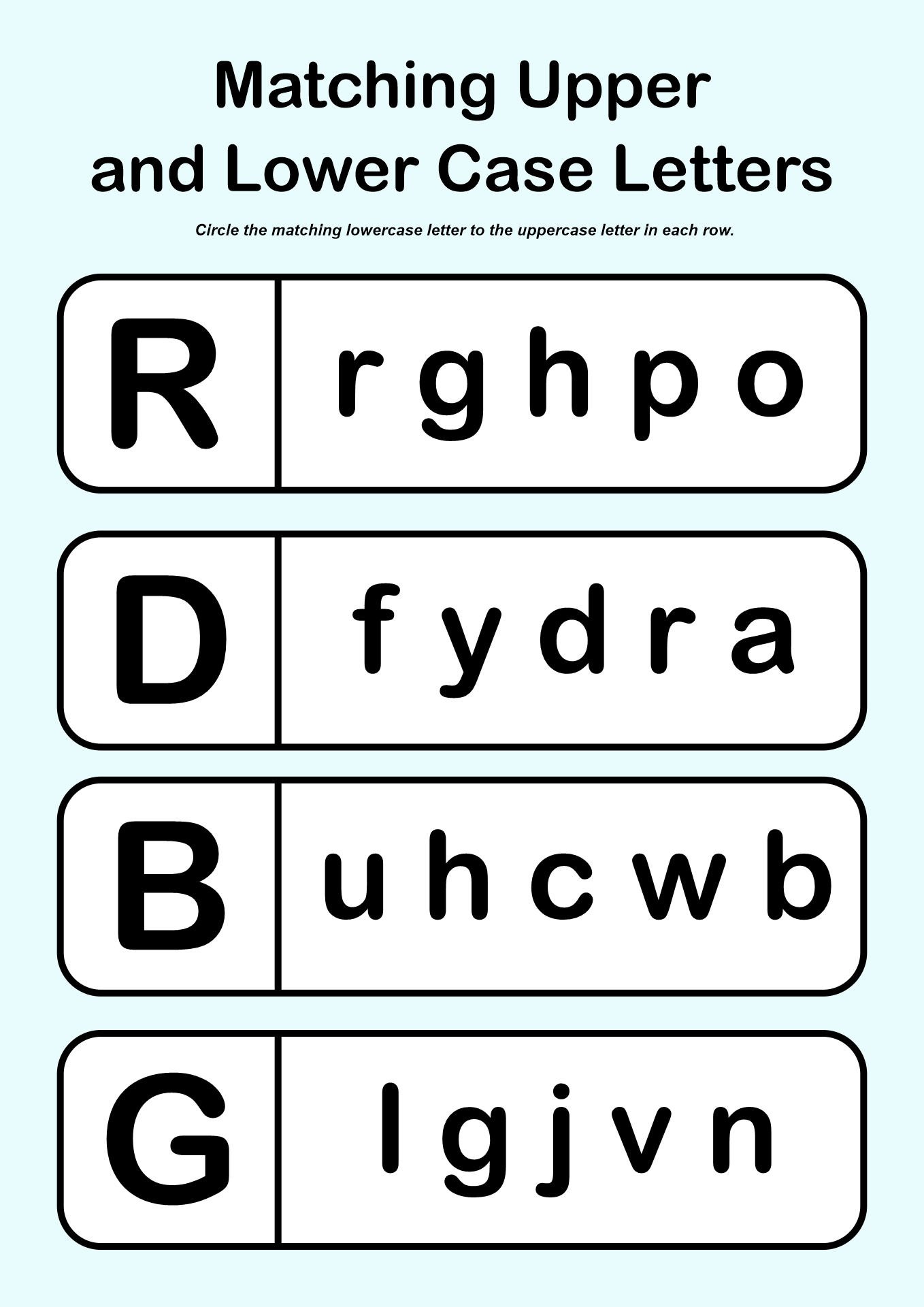
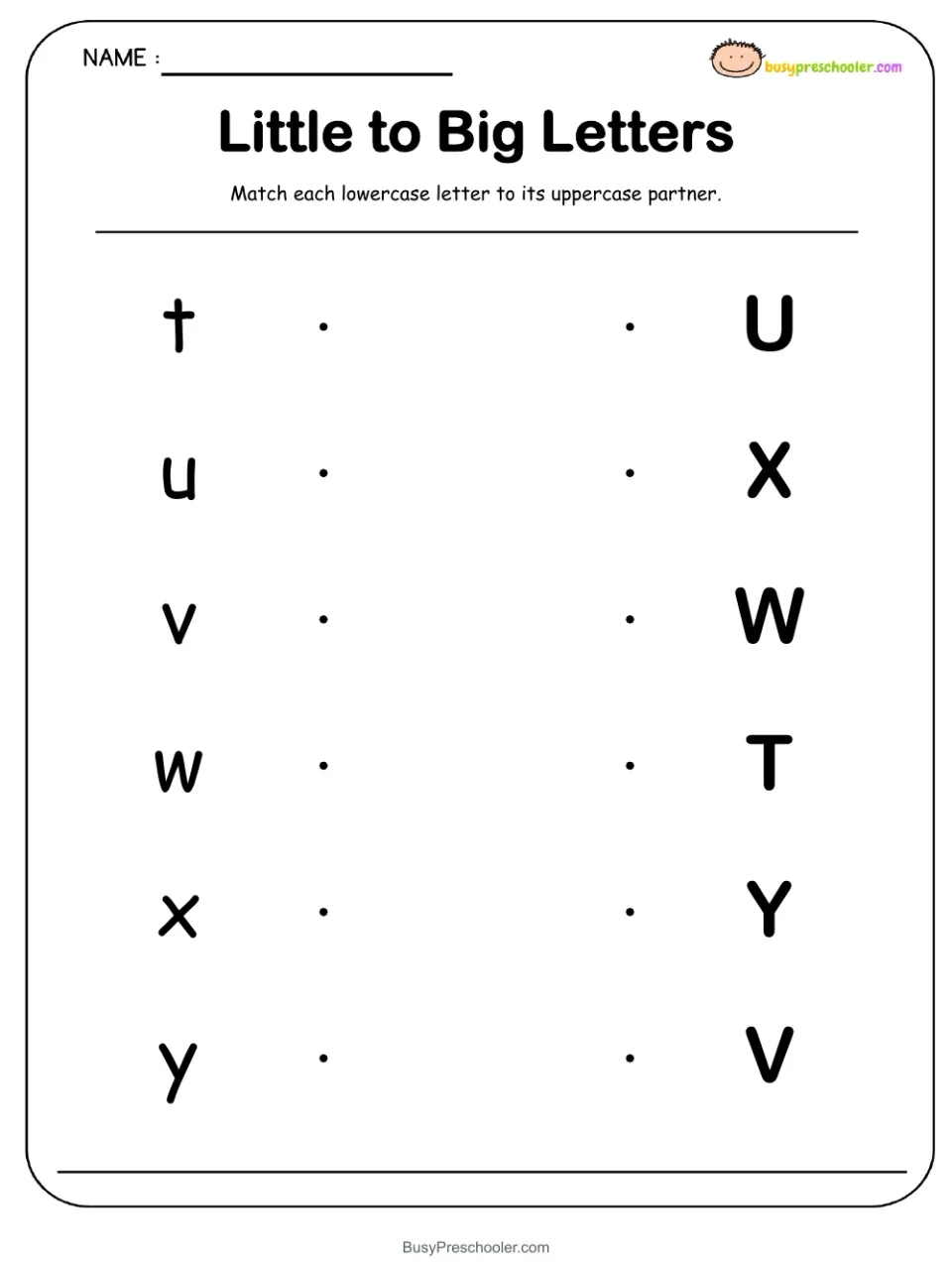
The design of the Alphabet Match Upper And Lowercase Worksheets is intentional and user-friendly. Each worksheet typically features a grid format, where uppercase letters are presented on one side and their corresponding lowercase counterparts on the other. This visual layout helps children easily match the two forms of each letter, making the learning process straightforward.
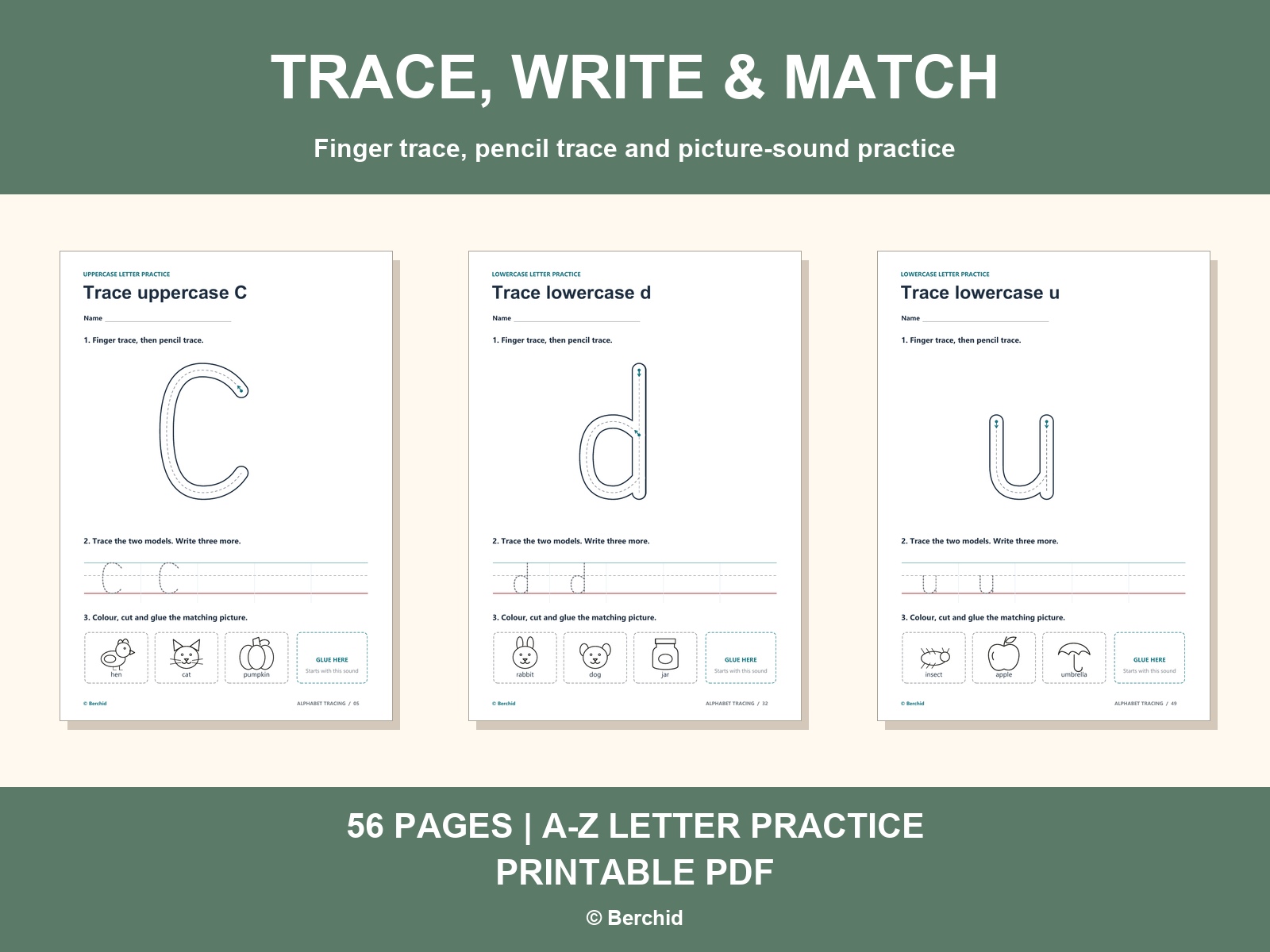
In addition to the basic matching activity, many worksheets include colorful illustrations or themed backgrounds that can captivate a child’s interest. For instance, you might find animals or objects associated with specific letters, enhancing the visual appeal and aiding in memory retention. This thoughtful design choice not only makes the activity engaging but also helps in associating letters with familiar concepts.
How to Use the Worksheets in Different Settings
Classroom Implementation
In a classroom setting, these worksheets can be utilized in various ways. Here’s how you might incorporate them into your lesson plans:
- Group Activities: Distribute the worksheets among small groups of students. This encourages collaboration and discussion as they work together to match the letters.
- Individual Practice: For students who need more focused practice, you can assign the worksheets as independent work. This allows you to monitor their progress and provide assistance where necessary.
- Warm-Up Exercises: Start your literacy lesson by having students complete a worksheet. This can serve as a great introduction to the day’s topic and activate prior knowledge.
Homeschooling Applications
For homeschooling parents, these worksheets can be an essential part of your curriculum. Here are some tips for using them effectively:
- Daily Practice: Incorporate a worksheet into your daily routine. Consistency helps reinforce learning, and these brief activities can easily fit into a busy schedule.
- Thematic Learning: Pair the worksheets with stories or activities related to the letters being learned. For example, if the letter “A” is the focus, read a book that highlights words starting with “A” before completing the worksheet.
- Creative Extensions: After matching the letters, encourage your child to practice writing both the uppercase and lowercase forms. This reinforces the learning and builds fine motor skills.
Tips for Effective Use of Alphabet Match Worksheets
To maximize the benefits of using Alphabet Match Upper And Lowercase Worksheets, consider the following strategies:
- Use Quality Paper: Print the worksheets on cardstock rather than standard printer paper. This helps them withstand handling, especially if you’re using them multiple times or in a classroom setting.
- Incorporate Color: If possible, print in color. The vibrant hues can engage children more effectively than black and white.
- Provide Feedback: As children complete the worksheets, offer positive reinforcement and constructive feedback. Acknowledge their efforts and correct mistakes gently to foster a positive learning environment.
Different Variations and Themes
To keep the learning fresh and engaging, you can find Alphabet Match Upper And Lowercase Worksheets with various themes. Some examples include:
- Seasonal Themes: Worksheets featuring seasonal illustrations, such as pumpkins for fall or snowflakes for winter, can be a delightful way to celebrate the time of year while learning.
- Animal Themes: Incorporating animals can help children relate to the letters they are learning. For example, “B” for “Bear” or “C” for “Cat” can enhance their vocabulary alongside letter recognition.
- Holiday Themes: Worksheets themed around holidays like Halloween or Valentine’s Day can make learning festive and fun.
These thematic variations not only break the monotony but also connect learning to broader contexts, making it more meaningful.