
A well-designed Alphabet Lower Case And Capital Practice Worksheet can be an invaluable tool for teaching young learners the essential skills of writing both upper and lower case letters. This resource typically comes in a printable format, making it easy for educators and parents to distribute and utilize in various settings. The worksheet often features a clean layout with ample space for students to practice their penmanship, ensuring clarity and focus on letter formation.
Understanding the Worksheet Format
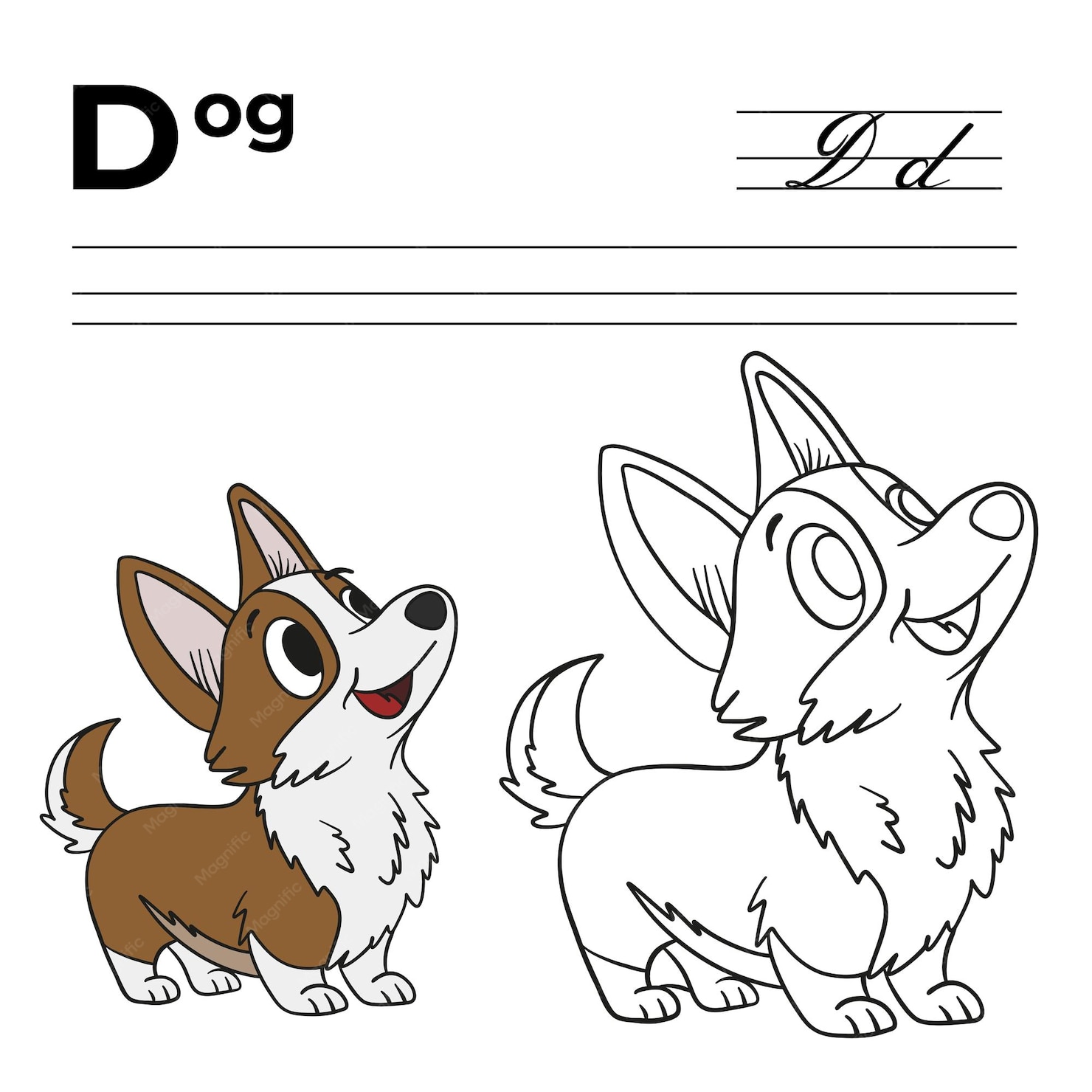
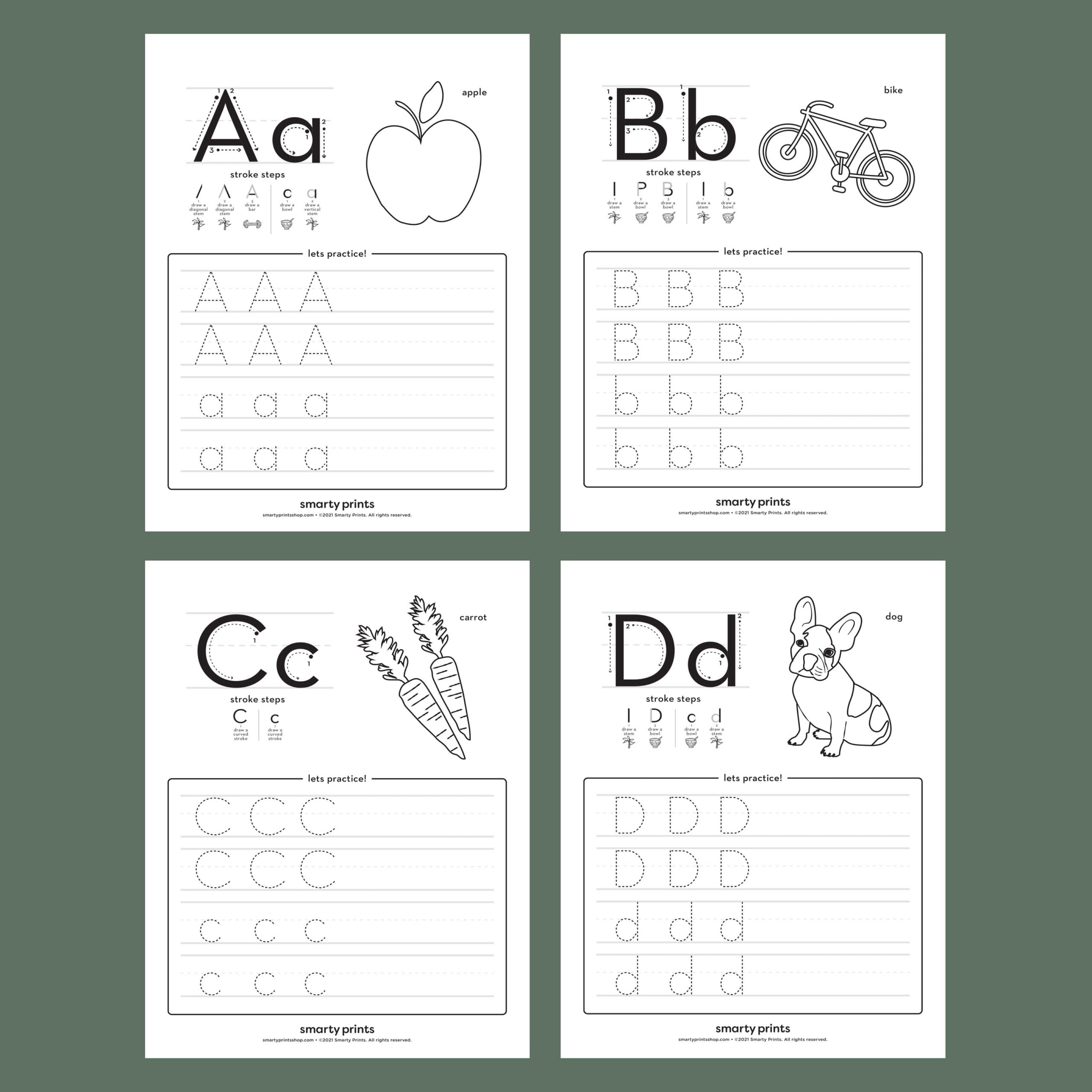
The layout of an Alphabet Lower Case And Capital Practice Worksheet is critical to its effectiveness. Most worksheets will present both upper and lower case letters side by side, allowing students to see the correlation between the two forms. This design choice is particularly beneficial for early learners who need to understand how each letter appears in different contexts.
Usually, the worksheet is organized into sections, with each letter having a designated space for tracing and a separate area for freehand writing. This dual approach encourages muscle memory and reinforces proper letter formation. The worksheet may also include visual aids, such as images or illustrations, that correspond with each letter, further enhancing the learning experience.
Age Appropriateness and Usage Context
Typically aimed at preschool and early elementary students, the Alphabet Lower Case And Capital Practice Worksheet is suitable for children aged 4 to 7 years. At this stage, children are often beginning to develop their writing skills and need a structured format to practice. The worksheet can be used in various contexts, including classrooms, homeschooling environments, or even as a supplemental resource for parents looking to reinforce literacy skills at home.
For classroom settings, teachers can integrate these worksheets into daily lesson plans, allowing students to practice during designated writing time. In homeschooling situations, parents can utilize the worksheets as part of a broader curriculum focused on literacy development. Combining these worksheets with interactive activities, such as reading aloud or letter recognition games, can further support skill acquisition.
Benefits of Repeated Practice
Repeated practice is vital when it comes to mastering handwriting. By encouraging students to work through the Alphabet Lower Case And Capital Practice Worksheet over several days or weeks, educators can help reinforce their learning. Spacing out practice sessions allows children to retain information better and build confidence in their writing abilities.
For instance, dedicating a few minutes each day to practice can lead to significant improvements over time. You might consider setting aside specific days for focusing on particular letters, or rotating between upper and lower case letters throughout the week. This structured approach not only keeps students engaged but also promotes a sense of accomplishment as they see their progress.
Tips for Effective Implementation
When using the Alphabet Lower Case And Capital Practice Worksheet, there are several practical tips to keep in mind:
- Paper Quality: For best results, print the worksheets on high-quality paper. This will ensure that the ink does not bleed and that the worksheets can withstand multiple uses.
- Printer Settings: Adjusting printer settings to use a draft mode can save ink while still producing clear text, especially for worksheets designed for short-term use.
- Use of Colored Pencils or Markers: Encourage students to use colored pencils or markers for tracing letters. This can make the practice more engaging and fun, helping to maintain interest.
- Feedback and Correction: Provide immediate feedback when students complete their worksheets. Highlighting areas for improvement can foster a growth mindset and encourage children to take pride in their work.
Variations and Customization
While the standard Alphabet Lower Case And Capital Practice Worksheet is effective, there are numerous ways to customize it to cater to individual student needs. For example:
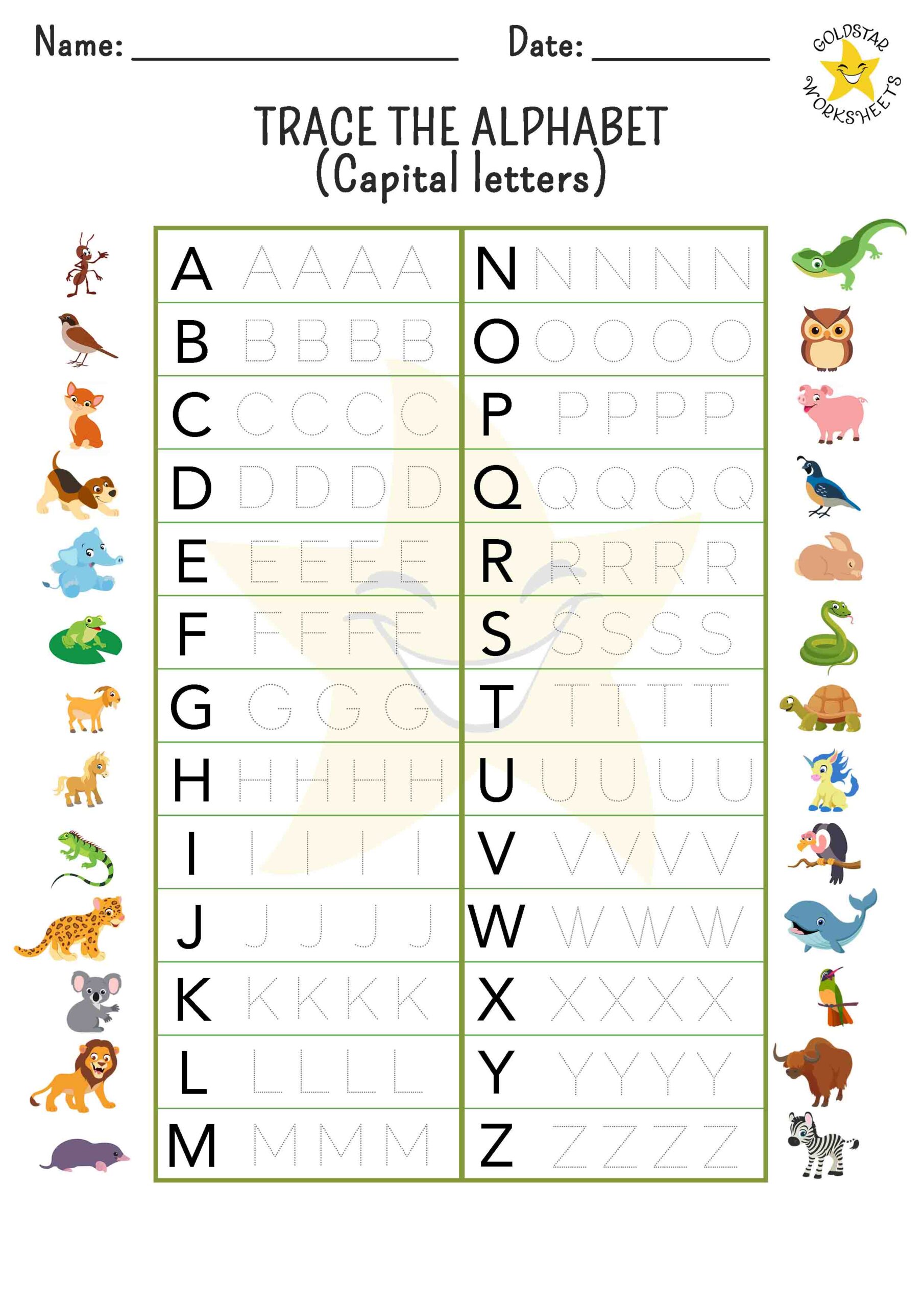
- Adding Visuals: Including images or themed illustrations can make the worksheets more appealing and relevant to students’ interests. For instance, associating letters with animals or objects can enhance memory retention.
- Incorporating Spelling: As students progress, integrating simple spelling words that utilize the letters being practiced can provide context and reinforce learning.
- Different Formats: Some worksheets may come in portrait or landscape orientations. Portrait layouts generally work better for most home printers, while landscape formats can provide more space for larger letters.
The flexibility of the Alphabet Lower Case And Capital Practice Worksheet allows it to be tailored to fit various educational needs and preferences, ensuring maximum engagement and effectiveness.