
The Alphabet Letters Writing Worksheets Free Template offers a unique resource for educators looking to enhance their students’ writing skills. Unlike many other worksheets, this template is specifically designed for young learners, focusing on letter formation, recognition, and writing practice. The structured layout and user-friendly design make it an ideal choice for both classroom and home use, ensuring that students can practice their writing in an engaging way.
Understanding the Template Design
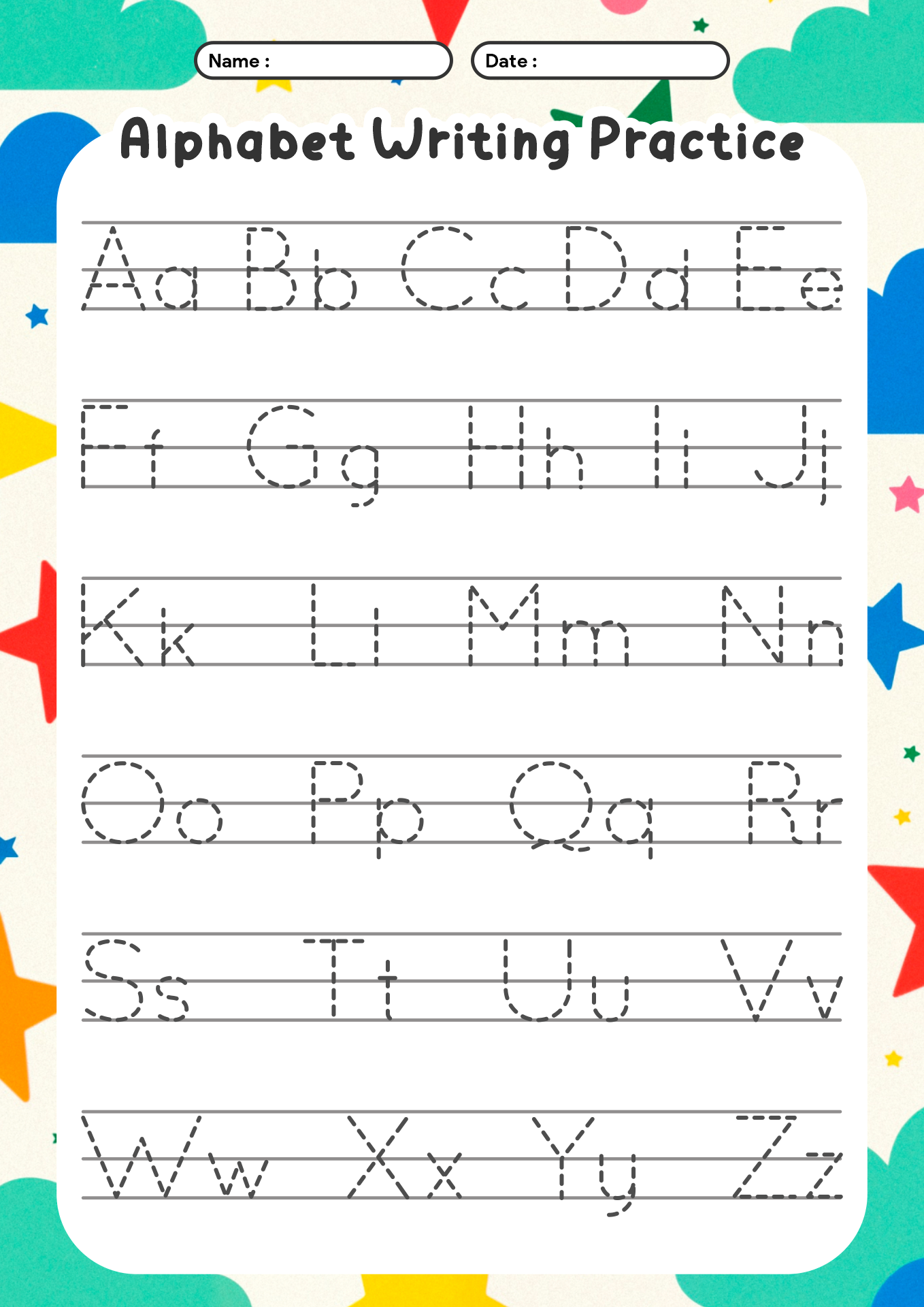
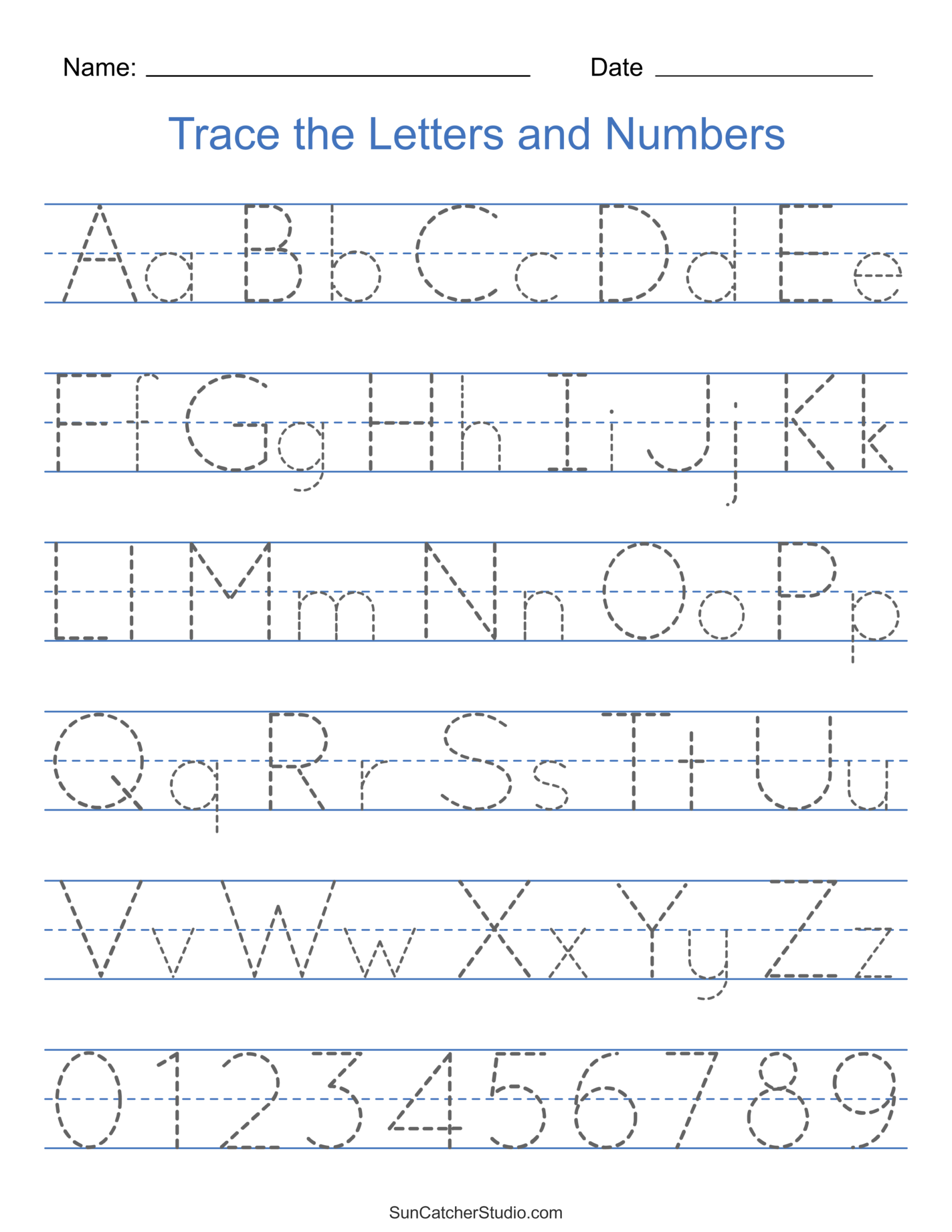
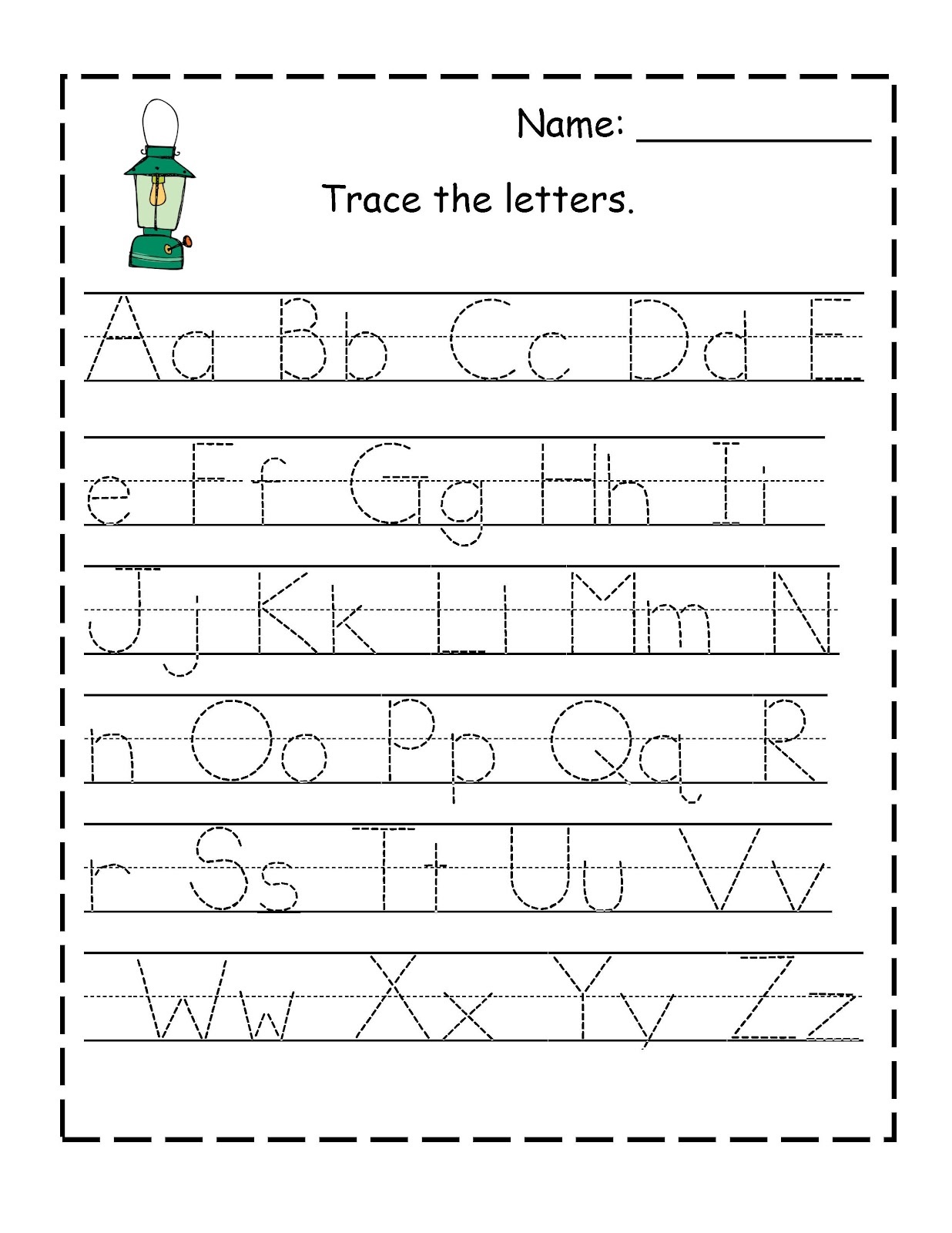
The Alphabet Letters Writing Worksheets Free Template is thoughtfully designed to cater to the needs of early learners, typically in preschool or kindergarten. Each worksheet features a clear, large font that helps children distinguish between letters and understand their shapes. The layout generally includes a space for the uppercase letter, followed by a space for the lowercase letter, allowing students to practice both forms side by side.
You’ll notice that the worksheets often include dotted lines or guides to help students trace the letters. This tracing feature is crucial for developing fine motor skills and hand-eye coordination, which are essential at this learning stage.
Additionally, the worksheets might include illustrations or images that correspond with the letters, such as an apple for “A” or a ball for “B.” This visual association helps reinforce letter recognition and makes the learning experience more enjoyable.
Printing and Preparation Tips
When preparing to print the Alphabet Letters Writing Worksheets Free Template, consider the following tips:
- Paper Size: Standard letter size (8.5 x 11 inches) is suitable for most home printers and classroom settings. This size is easy to handle and fits well into folders or binders.
- Print Quality: Use a high-quality print setting to ensure that the letters are crisp and clear. This is particularly important for the dotted lines, as clarity will aid in tracing.
- Bulk Printing: If you’re printing for an entire class, consider printing multiple copies on a single sheet. You can adjust your print settings to fit two or four worksheets per page, making it easier to manage resources.
- Cardstock vs. Regular Paper: For worksheets intended for repetitive use, such as when practicing letter writing multiple times, cardstock is advisable. It holds up better to wear and can be laminated for additional durability.
Classroom Implementation Strategies
Integrating the Alphabet Letters Writing Worksheets Free Template into your curriculum can be straightforward and effective. Here are some strategies to consider:
- Daily Practice: Incorporate a short daily writing practice using these worksheets. Set aside 10-15 minutes each day for students to focus on a single letter, allowing them to gain confidence in their writing skills.
- Themed Activities: Pair the worksheets with themed activities. For example, when introducing the letter “C,” you could have a day dedicated to “C” words, where students can write words like “cat” or “cake” in addition to tracing the letter.
- Peer Review: Encourage students to share their completed worksheets with a partner. This not only boosts confidence but also allows for peer learning, as they can help each other with letter formation.
- Feedback Loop: Provide feedback on their worksheets. Focus on positive reinforcement, highlighting neat handwriting or correct letter formation.
Enhancing Learning With Additional Resources
While the Alphabet Letters Writing Worksheets Free Template is an excellent tool, you can enhance your students’ learning experience by integrating additional resources:
- Flashcards: Use flashcards featuring the same letters to reinforce recognition. This can be especially helpful for students who may struggle with writing but excel in visual learning.
- Interactive Games: Incorporate games that involve letter recognition and formation, such as letter scavenger hunts or matching games that pair letters with corresponding images.
- Art Projects: Encourage creativity by having students create an art project based on the letters they are learning. For instance, they could decorate a large letter “B” with pictures of objects that start with “B.”
These supplementary activities not only diversify the learning experience but also cater to different learning styles, ensuring all students can engage meaningfully with the material.