
Teaching young students the alphabet is a crucial step in their literacy development, especially in Grade 1. Alphabet Letters Worksheets Grade 1 are designed to help children recognize, trace, and write letters, reinforcing their understanding of both uppercase and lowercase forms. These worksheets serve as a practical tool for teachers and parents to facilitate learning at home or in the classroom.
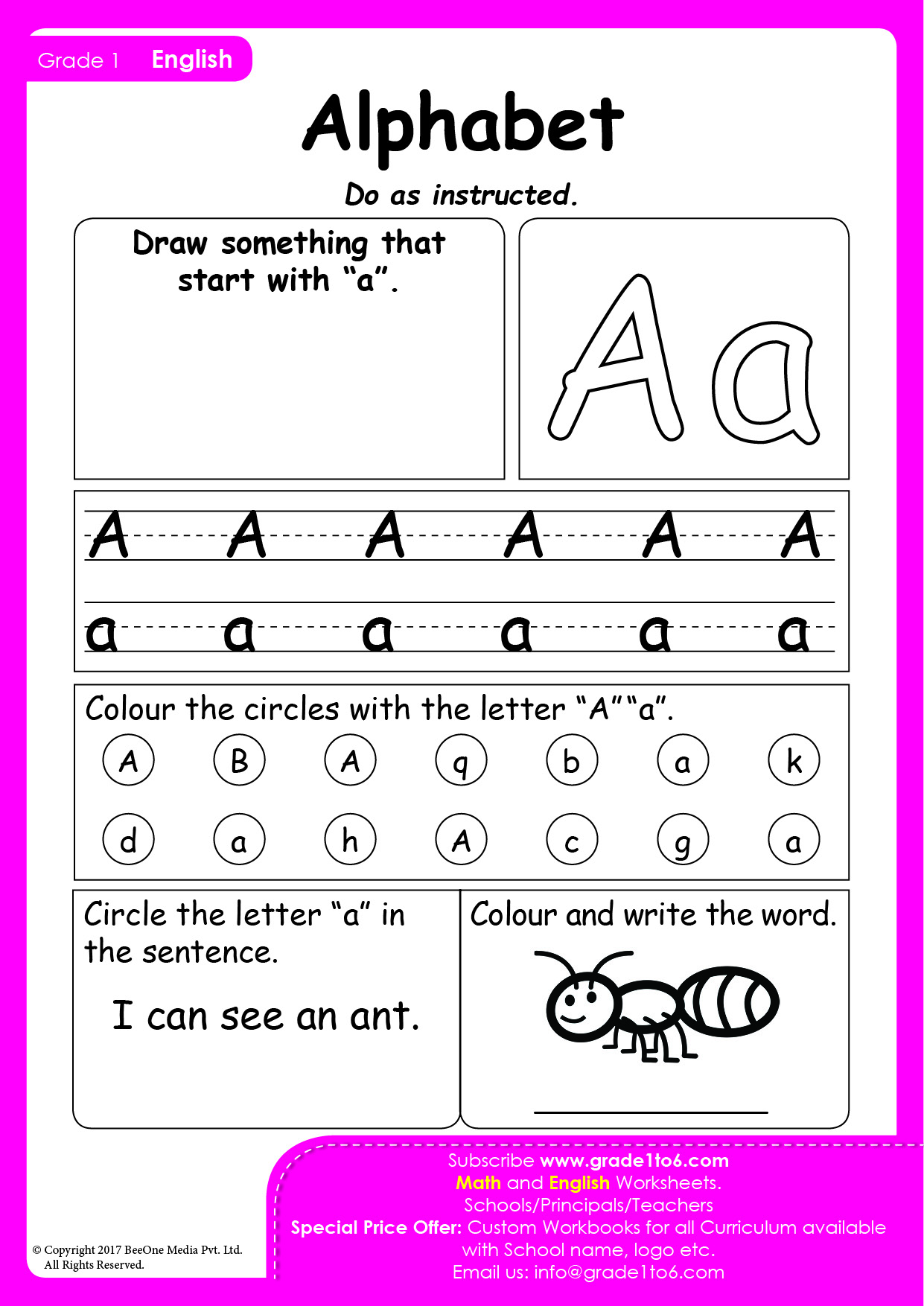
Understanding the Importance of Alphabet Worksheets
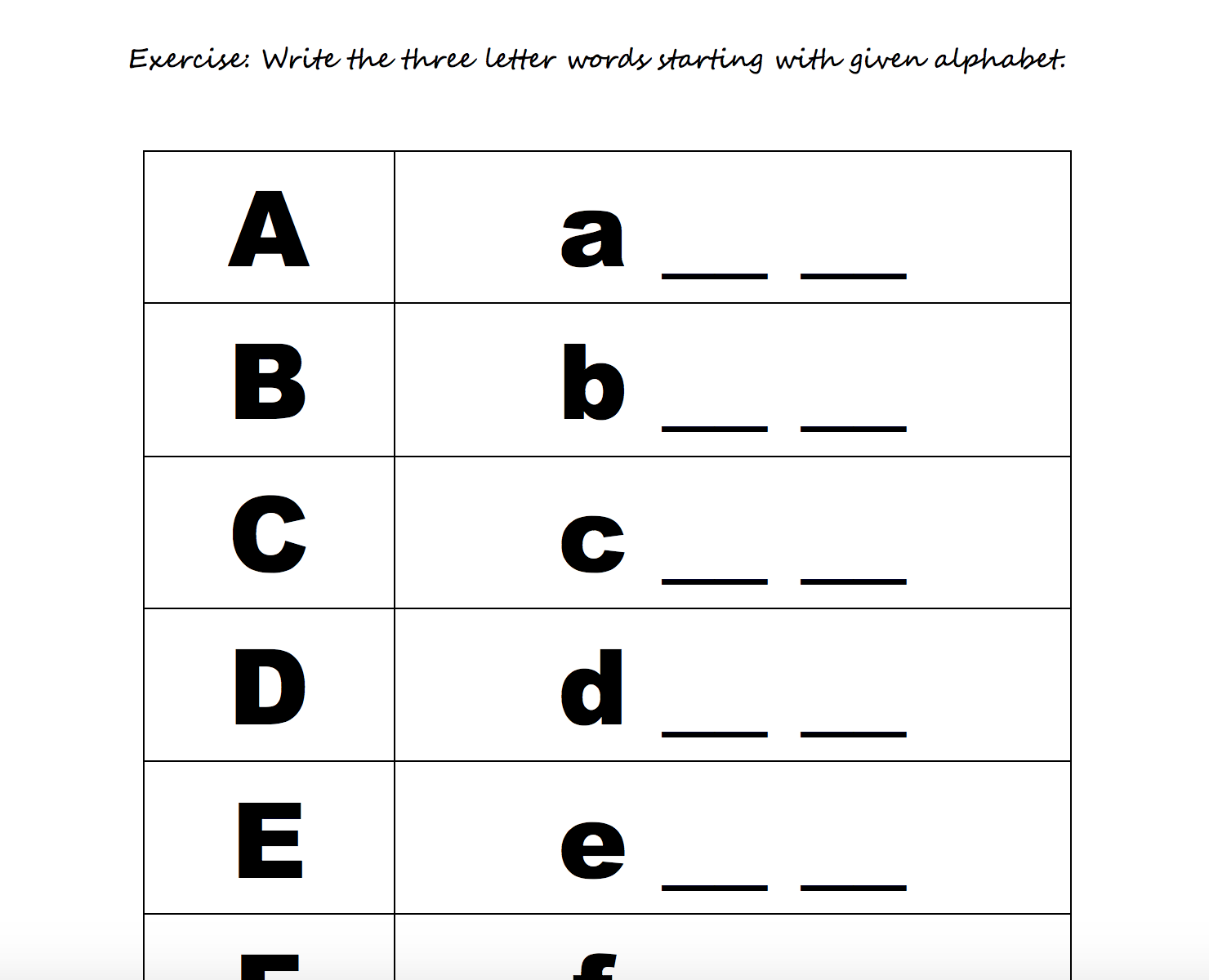
Alphabet worksheets are essential for Grade 1 students as they lay the foundation for reading and writing. By engaging with these resources, children can improve their letter recognition skills, develop fine motor skills through tracing, and gain confidence in their writing abilities. Worksheets can also serve as a fun, interactive way to learn, making the process enjoyable for young learners.
When selecting worksheets, it’s important to consider various activities that cater to different learning styles. For example, some children may benefit from visual aids, while others might thrive with hands-on activities. Finding a balance between the two can enhance the overall learning experience.
Types of Alphabet Letters Worksheets
There are various types of Alphabet Letters Worksheets Grade 1 that you can incorporate into your lessons. Here are a few common types:
- Tracing Worksheets: These worksheets typically provide dotted letters for students to trace. This helps them practice their handwriting while reinforcing letter shapes.
- Letter Recognition Worksheets: These worksheets focus on identifying letters amid a mix of other letters or pictures. Activities may include circling or coloring specific letters.
- Matching Worksheets: Some worksheets require students to match letters with corresponding pictures, reinforcing the connection between letters and their sounds.
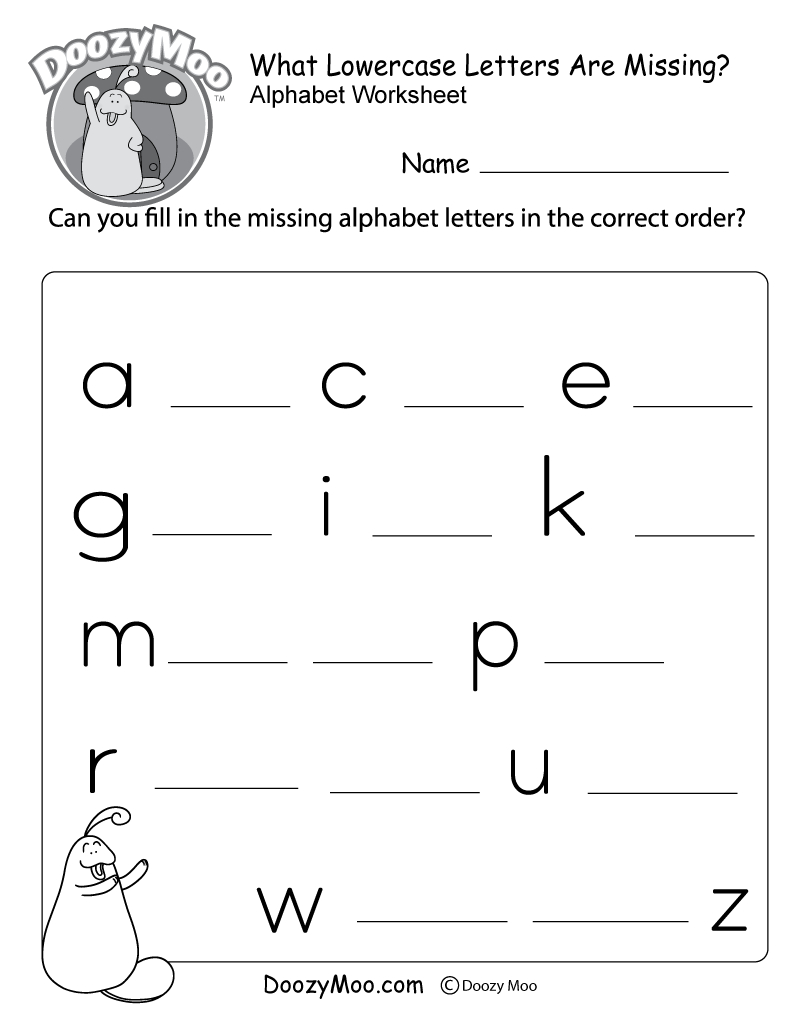
- Fill-in-the-Blank Worksheets: These worksheets often present sentences with missing letters, allowing students to practice spelling and letter recognition in context.
Each type of worksheet can be easily adapted to fit the needs of your classroom or homeschool setting, ensuring that every child is engaged in their learning process.
How to Use Alphabet Worksheets Effectively
Using Alphabet Letters Worksheets Grade 1 effectively involves more than just handing them out. Here are some practical tips to enhance their use:
- Print in Bulk: If you’re teaching a full class, consider printing multiple copies of the same worksheet. This saves time and ensures all students have the necessary materials. A standard letter-size (8.5″ x 11″) paper works best for most worksheets.
- Mix and Match Activities: To keep students engaged, mix different types of worksheets throughout the week. For example, combine tracing worksheets with matching activities to reinforce learning without causing boredom.
- Incorporate Interactive Elements: Use physical objects, like letter blocks or flashcards, alongside the worksheets. This hands-on approach can help reinforce the concepts being taught.
- Review and Assess: Take time to go through the worksheets with the students. This can be done as a class or in small groups. Reviewing their work helps clarify misunderstandings and provides an opportunity for immediate feedback.
- Consider Homework Assignments: Sending worksheets home can help reinforce what is learned in class. Ensure that they are engaging and not overwhelming, as this can discourage students.
Customizing Worksheets for Different Learners
Every student learns at their own pace, and it’s important to adapt worksheets to meet individual needs. Here are a few strategies to customize Alphabet Letters Worksheets Grade 1 for varied learning styles:
- Provide Visual Supports: For students who struggle with letter recognition, add images or symbols that correspond with each letter. For example, A for apple or B for ball. This visual reinforcement can aid memory retention.
- Use Different Fonts: Some worksheets may use a cursive font, while others use print. Expose students to various styles, but focus primarily on the font they will be using for handwriting.
- Adjust Difficulty Levels: Make modifications to worksheets for students who require extra support. For instance, reduce the number of letters in a tracing worksheet for beginners while providing advanced learners with a challenge, such as writing short words.
- Include Multi-Sensory Activities: Consider incorporating activities that involve different senses, like sandpaper letters for tactile learners or singing the alphabet song for auditory learners. These methods can reinforce learning through diverse experiences.
Finding Quality Printable Resources
When searching for Alphabet Letters Worksheets Grade 1, it’s important to choose quality resources. Here are some tips for finding effective worksheets:
- Check for Relevance: Make sure the worksheets align with current educational standards and are age-appropriate for Grade 1 learners.
- Look for Variety: Choose resources that offer a mix of activities to cater to different learning styles and keep students engaged.
- Ensure Printability: Opt for PDF versions of worksheets when possible. PDFs typically maintain formatting better than image files, ensuring that the worksheets print correctly without any issues.
- Review User Feedback: If you’re using online resources, check for user reviews and ratings. Feedback from other teachers or parents can provide insight into the effectiveness of the worksheets.
Practical Considerations for Teachers and Parents
As a teacher or parent, you’ll want to consider how to effectively implement Alphabet Letters Worksheets Grade 1 in your teaching strategy. Here are some practical points:
- Set a Routine: Establish a set time each day for alphabet practice. Consistency helps reinforce learning and builds a habit.
- Use a Reward System: Implement a reward system to motivate students. Simple rewards, like stickers or extra playtime, can encourage children to complete their worksheets.
- Involve Parents: Encourage parents to participate in their child’s learning by sending home worksheets for practice. Provide parents with tips on how to help their children with the worksheets.
- Monitor Progress: Keep track of student progress by collecting and reviewing completed worksheets. This will help you identify areas where students may need additional support.
By incorporating these strategies, you can create a rich learning environment that helps students master the alphabet and lays the groundwork for future literacy skills.
For immediate use, consider downloading a few Alphabet Letters Worksheets Grade 1 that suit your classroom needs and print them out for your students. Using these resources effectively can make a significant difference in your students’ learning journey.