
Children in kindergarten are often introduced to the alphabet through various engaging activities. One effective resource for this purpose is the Alphabet Letters Worksheet For Kinder. This worksheet can help reinforce letter recognition, phonetics, and early literacy skills while providing a hands-on learning experience. Below, you’ll find practical instructions on how to use this worksheet effectively in your educational setting.
Understanding the Purpose of the Alphabet Letters Worksheet
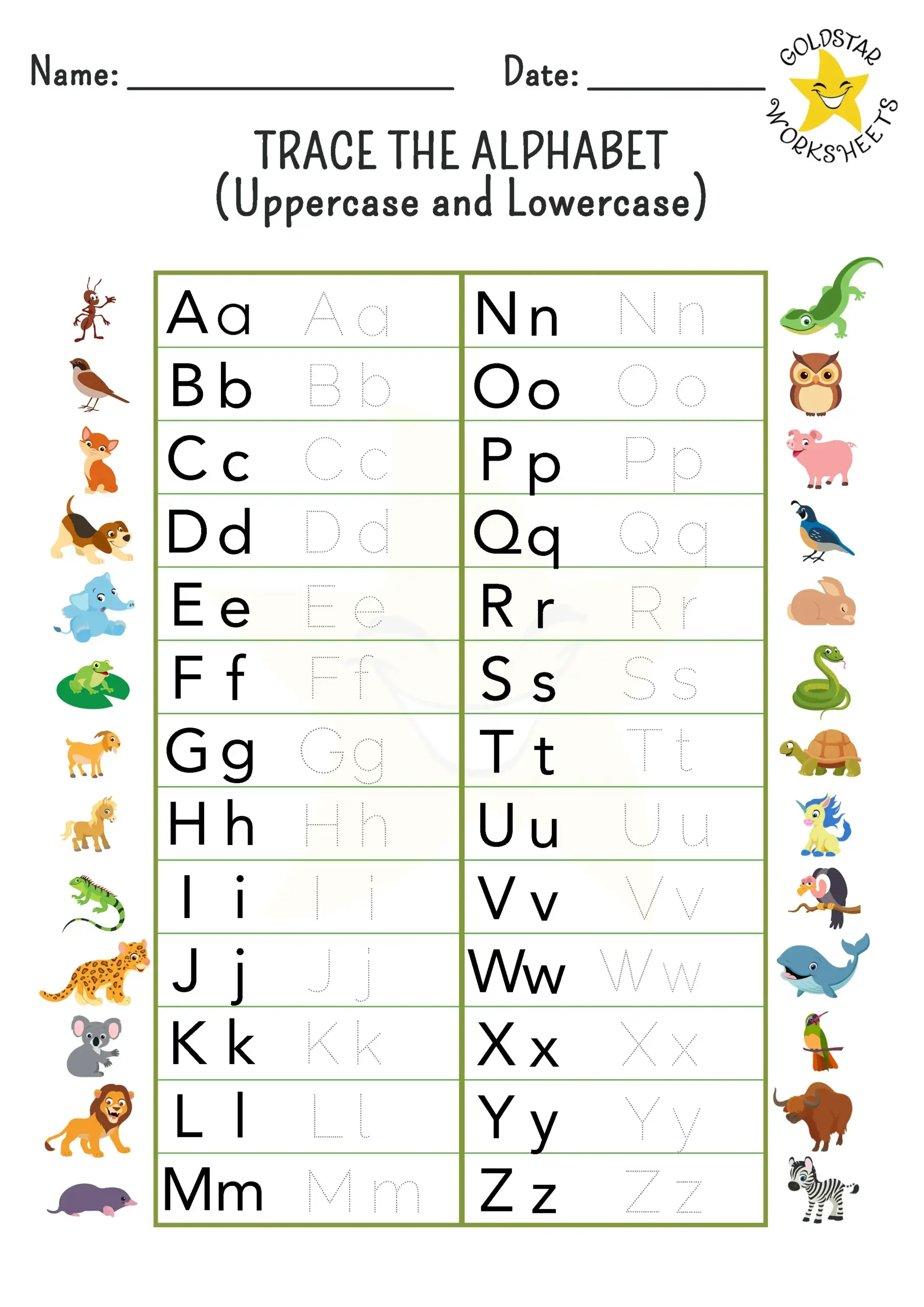
The Alphabet Letters Worksheet For Kinder is designed to help young learners recognize and write letters of the alphabet. This resource typically includes both uppercase and lowercase letters, making it ideal for children just starting their literacy journey. It’s suitable for students aged 4 to 6, aligning perfectly with kindergarten curriculums.
The primary goal of the worksheet is to familiarize children with the letters of the alphabet through various engaging tasks. These may include tracing letters, identifying objects that begin with specific letters, or coloring activities that reinforce letter recognition. Utilizing this worksheet can lead to improved phonemic awareness and spelling skills.
Preparing to Use the Worksheet
Before diving into the activities, take some time to prepare the worksheet for your students. Here are some steps to ensure a smooth experience:
- Download the Worksheet: Ensure you have the correct version of the Alphabet Letters Worksheet For Kinder. Typically, these are available in PDF format for easy printing.
- Print Options: Use standard letter-sized paper (8.5 x 11 inches) for printing. If you plan on using the worksheets multiple times, consider printing on cardstock for durability.
- Choose Your Print Settings: For best results, set your printer to the best quality. Portrait layout is often preferred for worksheets to maximize space.
- Gather Supplies: Have necessary supplies ready, such as crayons, markers, or colored pencils for any coloring activities. If the worksheet includes tracing elements, ensure you have pencils or crayons available.
Engaging Activities With the Worksheet
Once you have the worksheet prepared, you can incorporate various activities that enhance learning. Here are some practical suggestions:
1. Tracing Letters
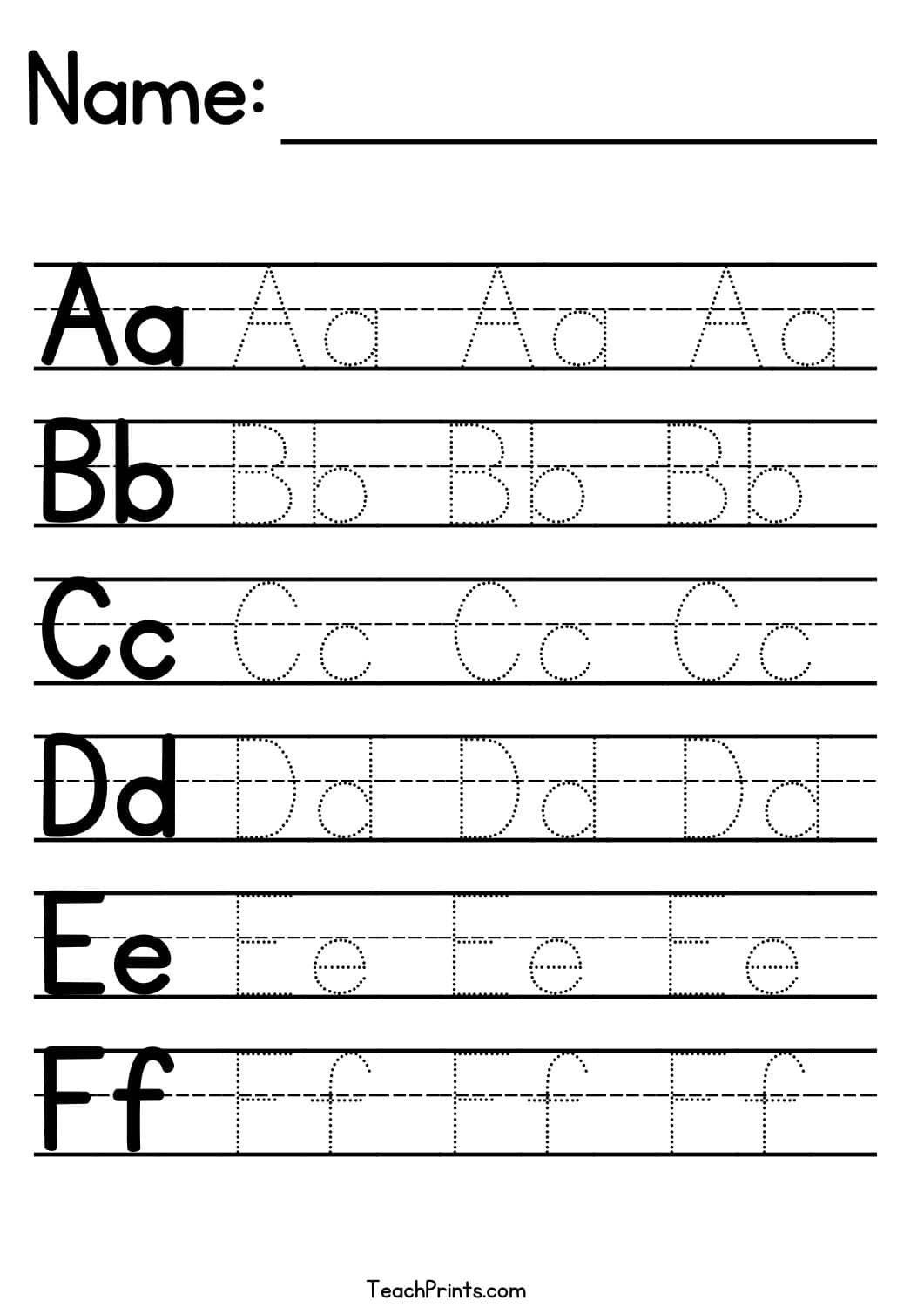
Start with tracing exercises where children can practice writing both uppercase and lowercase letters. Encourage them to say the letter sounds as they trace, reinforcing phonetic awareness. You might say, “As you trace the letter ‘A,’ say ‘A’ like in ‘apple.’”
2. Letter Recognition Games
Transform the worksheet into a game by pointing out letters and asking students to find items in the classroom that start with that letter. For example, ask, “Can you find something that starts with the letter ‘B’?” This not only reinforces recognition but also engages them in their environment.
3. Coloring Activities
If the worksheet includes pictures or letters to color, encourage creative expression. You can ask questions related to the images, such as “What color should we use for the letter ‘C’ that stands for ‘cat’?” This adds a fun twist to the learning process.
4. Interactive Learning
To promote interaction, pair students and have them quiz each other on letter sounds. One student can point to a letter, and the other can say the sound and a word that begins with that letter. This peer interaction fosters communication skills and reinforces learning.
Adapting the Worksheet for Different Learning Styles
Every child learns differently, and it’s essential to adapt your approach based on individual needs. Here are some tips:
- Visual Learners: Use colorful markers and highlighters to make the worksheet visually appealing. Encourage these learners to create a colorful alphabet chart to hang in the classroom.
- Auditory Learners: Incorporate songs and rhymes about the alphabet. For example, sing the alphabet song while tracing letters, emphasizing the sound of each letter.
- Kinesthetic Learners: Integrate movement by having students stand and form letters with their bodies or use playdough to mold letters. This tactile approach can strengthen their understanding.
Evaluating Progress
To assess how well students are grasping the concepts, consider the following methods:
- Observe Participation: Pay attention to how engaged students are during activities. Are they eager to participate, or do they seem disinterested?
- Review Completed Worksheets: Take time to review each child’s completed worksheet. Look for correct letter formation and whether they understand the phonetic sounds associated with each letter.
- Conduct Informal Assessments: Use quick assessments like flashcards to test letter recognition and sounds. This can help identify areas where additional support may be needed.
Additional Resources for Teachers
In addition to the Alphabet Letters Worksheet For Kinder, you can enhance your teaching toolkit with other resources:
- Interactive Alphabet Games: Consider digital resources or apps that focus on alphabet learning through interactive play.
- Storybooks: Reading alphabet-themed storybooks can reinforce letter recognition and sounds in a narrative context.
- Visual Aids: Use alphabet posters or charts to create a print-rich environment that encourages letter recognition.