
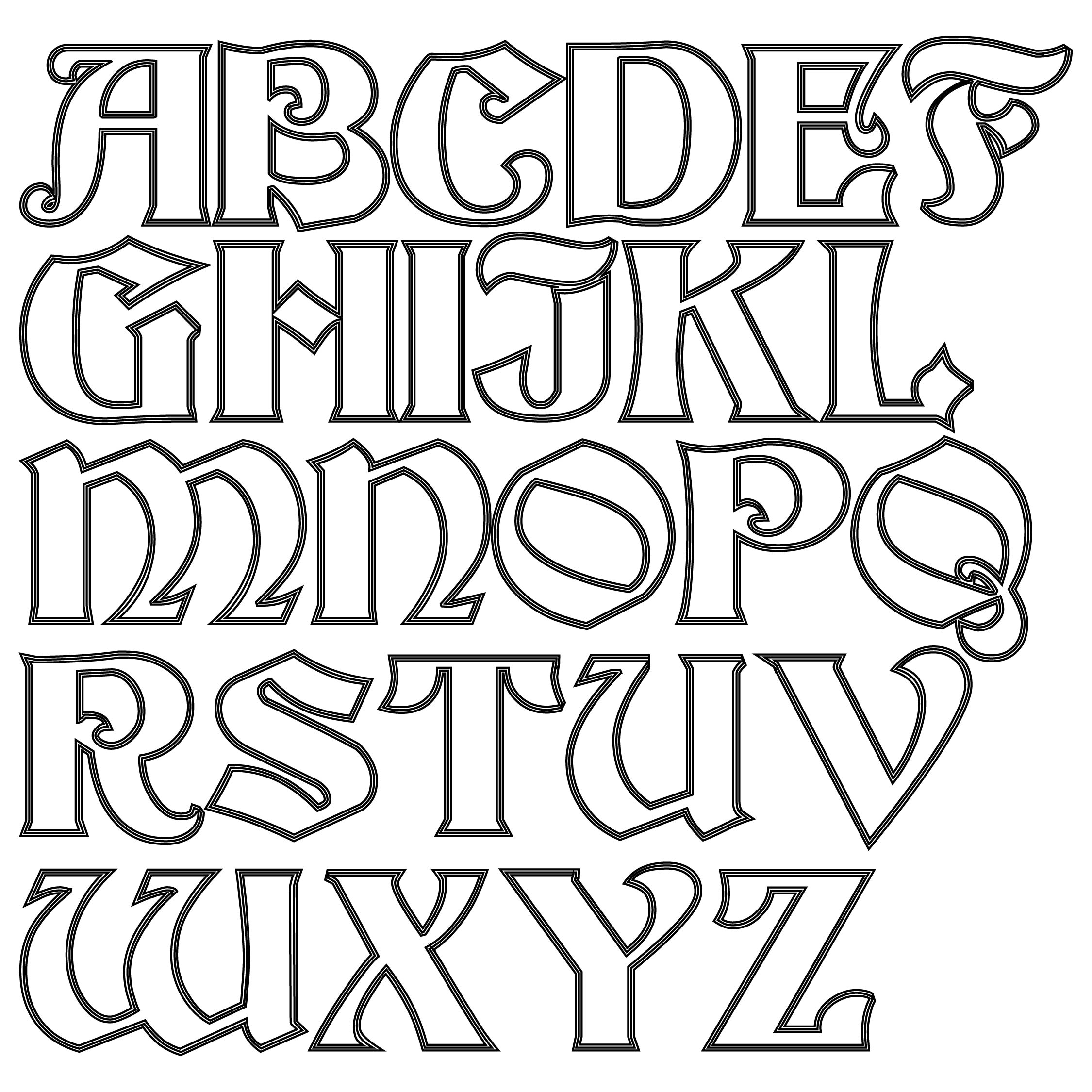
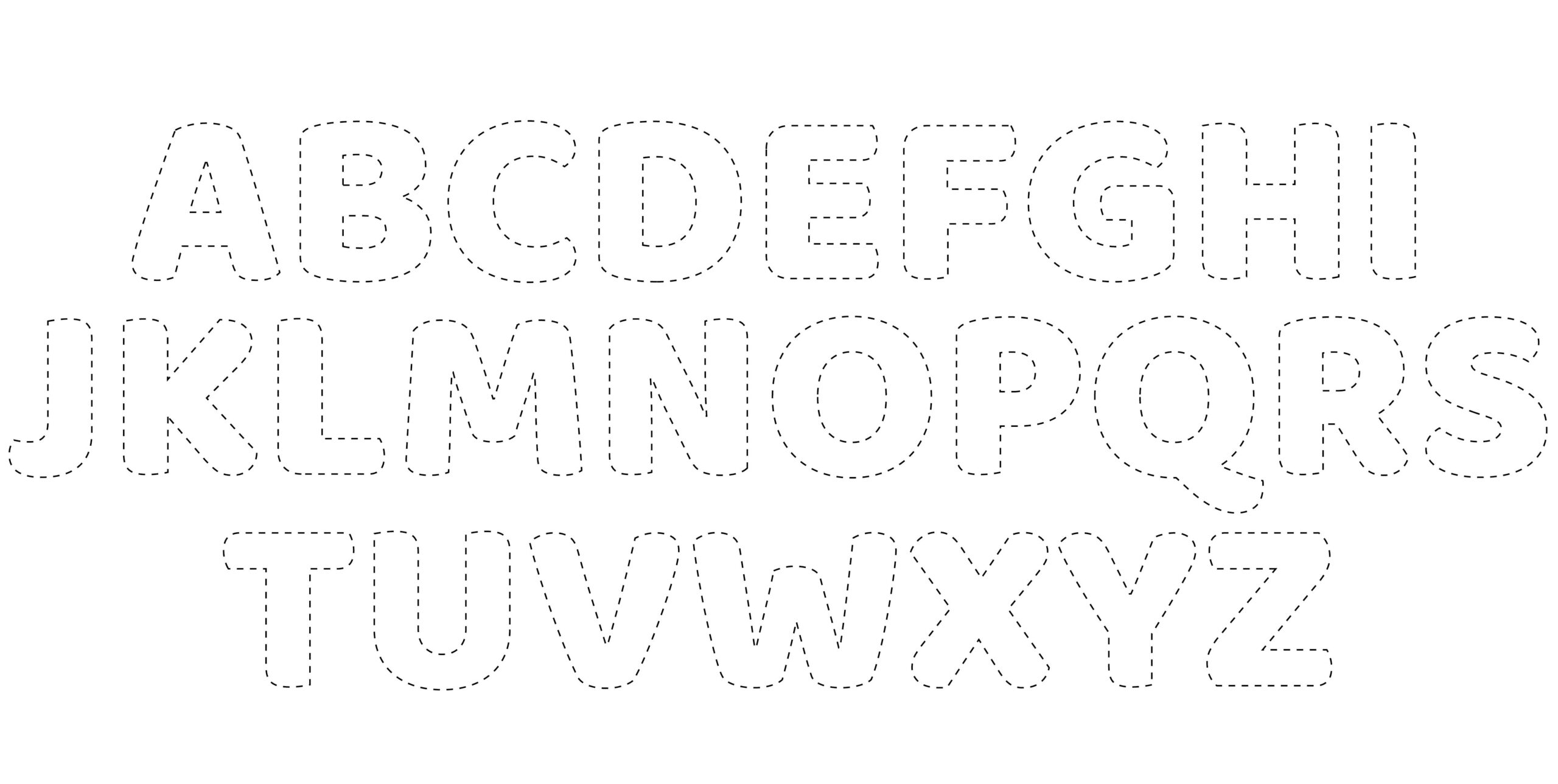
In a bustling classroom, Ms. Baker watched as her students eagerly gathered around her table, scissors in hand, ready to create. Today, they were working on a fun project using alphabet letters to print and cut out easy. This resource not only sparks creativity but also reinforces letter recognition and fine motor skills. For teachers and parents alike, incorporating printable alphabet letters into lessons or home activities can be both effective and enjoyable.
Understanding the Importance of Alphabet Recognition
Alphabet recognition is a foundational skill that children must develop in their early years. Recognizing letters helps pave the way for reading and writing. By providing children with hands-on activities that involve cutting out letters, you can enhance their learning experience. The tactile nature of cutting and manipulating letters helps reinforce their shapes and sounds, making the learning process more engaging.
Choosing the Right Printable Letters
When it comes to selecting alphabet letters to print and cut out easy, you’ll want to consider a few key factors:
- Readability: Choose fonts that are clear and easy to read. Sans-serif fonts, such as Arial or Comic Sans, are often a great choice for early learners.
- Size: Ensure the letters are large enough for little hands to cut out easily but not so large that they take up too much space on the page.
- Variety: Offering both uppercase and lowercase letters allows for versatile learning opportunities. Children can practice matching and identifying different letter cases.
Activities Using Printed Alphabet Letters
Once you’ve downloaded and printed the alphabet letters, the fun can really begin. Here are a few practical activities you can implement in the classroom or at home:
Letter Matching Game
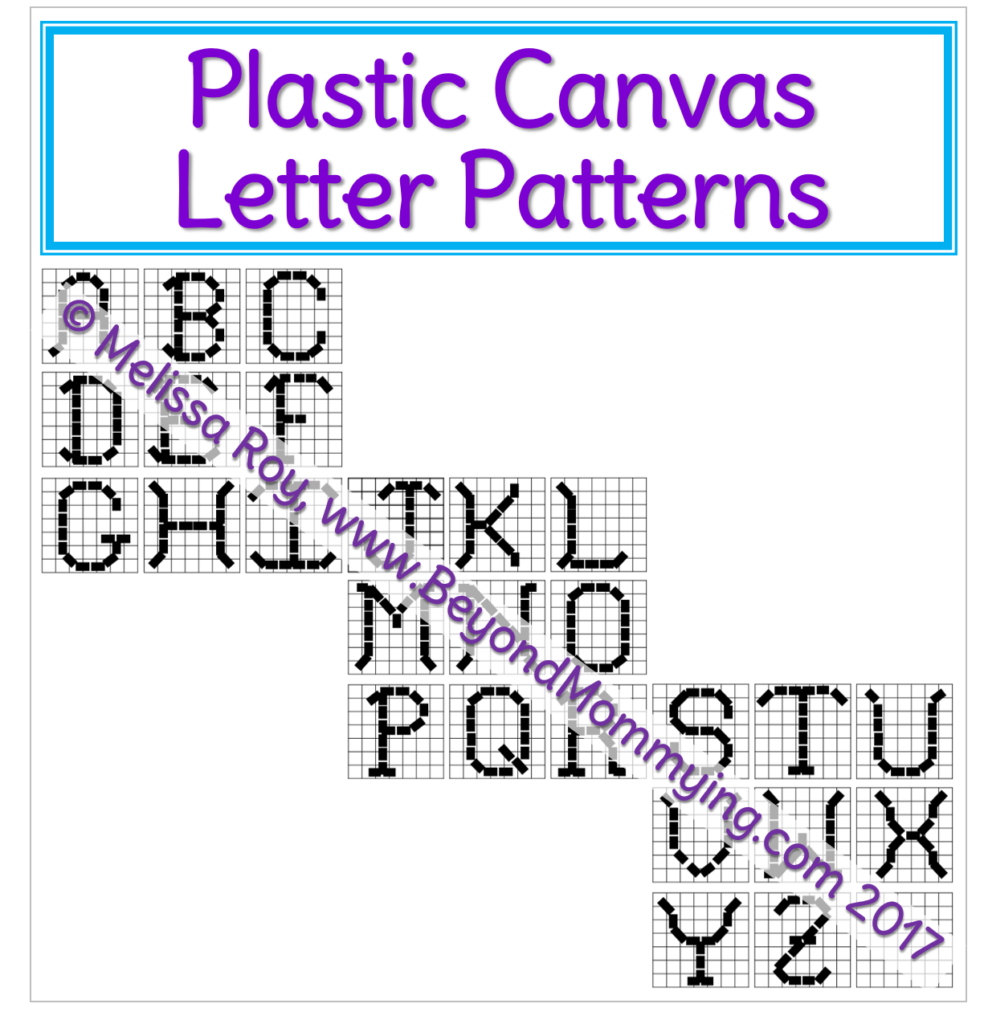
Print two sets of letters and cut them out. Spread them out on a table and ask children to match uppercase letters with their lowercase counterparts. This helps reinforce letter recognition and is a great group activity.
Create a Name Banner
Have each child cut out the letters of their name and assemble them into a banner. They can decorate the letters with colors, stickers, or drawings, making it a personalized project that boosts their self-esteem and ownership of their learning.
Alphabet Art
Encourage creativity by letting children decorate their cut-out letters. They can use crayons, markers, or even collage materials like magazine cutouts. This activity not only reinforces letter recognition but also allows for artistic expression.
Setting Up for Success
To ensure a smooth experience when using alphabet letters to print and cut out easy, consider the following tips:
- Paper Choice: Use cardstock for durability, especially if the letters will be handled multiple times. If you plan to laminate them, regular printer paper works too.
- Printing Settings: For best results, set your printer to high-quality print settings. This helps the letters come out crisp and clear.
- Cutting Tools: Provide safety scissors for younger children, ensuring they can cut the letters without frustration. For older children, regular scissors can help develop their cutting skills further.
Spacing Out Learning
Instead of cramming all activities into one session, try spreading them out over a week. This approach not only helps reinforce learning but also allows children to absorb the material better. Here’s a simple schedule:
- Day 1: Print and cut out the letters.
- Day 2: Engage in the letter matching game.
- Day 3: Create the name banner.
- Day 4: Explore alphabet art.
- Day 5: Review with a fun quiz or game that involves identifying the letters.
This method of spaced repetition helps solidify their understanding and keeps the learning process fresh and engaging.
Additional Resources
If you’re looking for more ways to incorporate alphabet letters into your teaching, consider pairing them with other resources. Worksheets that focus on letter sounds, phonics games, and even interactive online activities can complement your printable letters. Many websites offer free downloadable materials that can enhance your teaching toolkit.
Final Tips for Effective Use
One of the simplest yet most effective tips for using these alphabet letters is to integrate them into daily routines. Encourage children to spot letters in their environment, whether it’s on signs, packaging, or in books. This reinforces their learning outside of the classroom and helps them understand the practical application of their skills.
For immediate action, print a set of both uppercase and lowercase alphabet letters today and prepare for a week of engaging activities that will bolster letter recognition and fine motor skills among your students or children.