
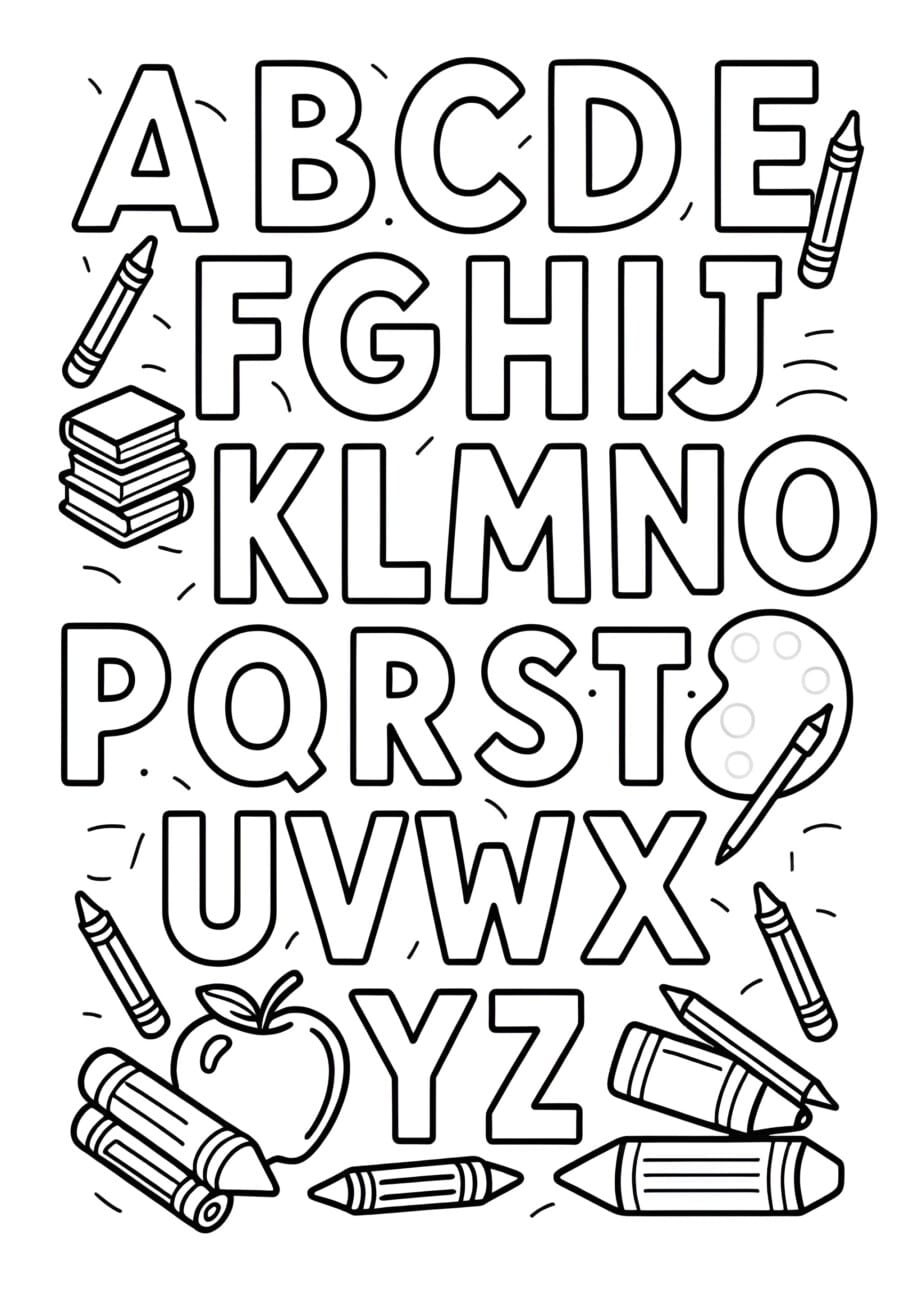
Engaging young learners can be a challenge, especially when it comes to reinforcing foundational skills like letter recognition. Alphabet letters to coloring pages serve as a fantastic resource to make learning fun. These printable coloring pages not only help children recognize letters but also allow them to express their creativity. This guide will outline how to effectively choose, download, print, and utilize these resources in both classroom and home settings.
Understanding the Benefits of Alphabet Letters to Coloring Pages
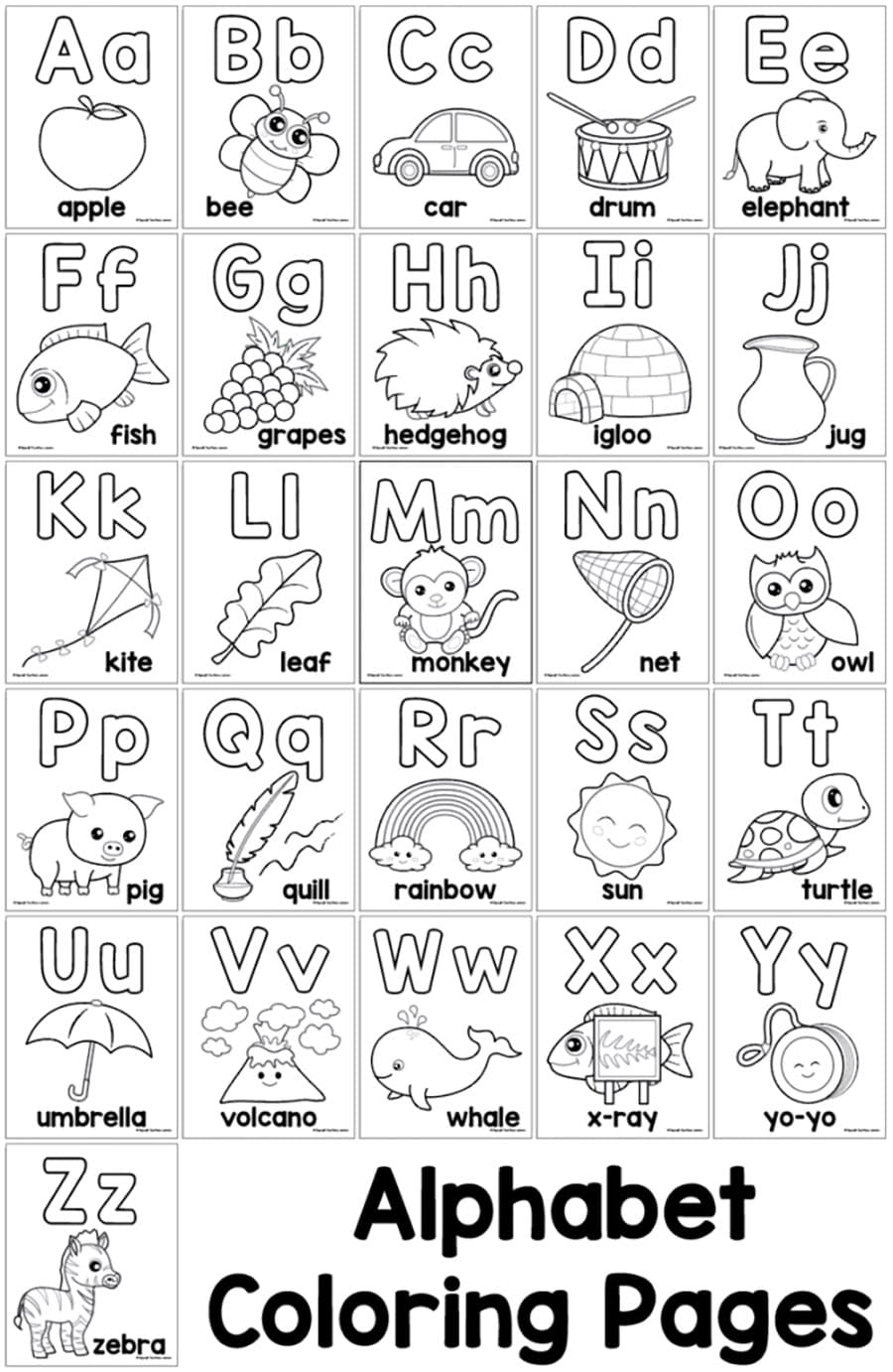
Coloring pages that feature alphabet letters provide several key benefits for early learners. They not only enhance fine motor skills but also improve letter recognition and phonemic awareness. When children color, they develop hand-eye coordination and strengthen the muscles in their hands, which is crucial for writing later on.
Additionally, these resources can be tailored to fit various educational goals. For example, teachers can use them to introduce a new letter or reinforce one that has already been taught. This flexibility makes them suitable for both classroom settings and homeschooling environments.
How to Choose the Right Alphabet Letters to Coloring Pages
When selecting alphabet letters to coloring pages, consider the following factors:
- Age Appropriateness: Ensure the complexity of the designs matches the age of the children. Younger children may benefit from simpler, larger letters, while older kids can handle more intricate designs.
- Educational Goals: Identify what you want the children to learn. Are you focusing on letter recognition, phonics, or perhaps even vocabulary? Choose pages that align with these objectives.
- Theme and Engagement: Look for coloring pages that incorporate themes your students enjoy, such as animals, space, or holidays. Engaging themes can increase motivation and make learning more enjoyable.
- Quality of Print: Opt for high-resolution images that will print clearly. Poor quality images can lead to frustration, especially for younger children still mastering their coloring skills.
Downloading and Printing the Coloring Pages
Once you’ve selected the appropriate alphabet letters to coloring pages, the next step is downloading and printing them. Here’s a step-by-step process:
- Find a Reliable Source: Use a reputable website that offers high-quality printable coloring pages. Make sure to check reviews or ratings if available.
- Check File Format: Most coloring pages are available in PDF format, which is preferred as it maintains the original design and prints correctly. Avoid image formats like JPEG or PNG which may not scale well.
- Download the Pages: Click the download button and save the files to a designated folder on your device. This makes it easier to locate them later.
- Print Settings: When printing, ensure that your printer settings are adjusted for the best quality. Use portrait orientation for letter-sized pages. If you plan to laminate them for repeated use, print on cardstock for durability.
- Bulk Printing: For classroom use, print multiple copies of the same page to accommodate all students. This can save time and ensure that everyone has the same resources.
Setting Up the Coloring Pages for Use
After printing, it’s essential to prepare the coloring pages for use. Here’s how to go about it:
- Organize by Letter: Sort the pages by letter. This allows for easy access when you’re teaching specific letters.
- Create a Folder: Use a binder or folder to keep the pages organized. Label sections for each letter or theme for quick reference.
- Introduce the Activity: Before handing out the pages, explain the activity. Discuss the letter, its sound, and any words that start with that letter. This contextualizes the activity and reinforces learning.
- Provide Supplies: Make sure students have access to various coloring materials like crayons, markers, or colored pencils. This choice allows them to express their creativity.
Incorporating Alphabet Letters to Coloring Pages Into Lessons
Integrating coloring pages into lessons can enhance the educational experience. Here are some practical ways to do this:
- Letter of the Day: Designate a letter of the day and have students color the corresponding page. Follow this with a discussion on words that begin with that letter.
- Group Activities: Divide students into small groups and assign each group a different letter. After coloring, have them share their pages and discuss the letter.
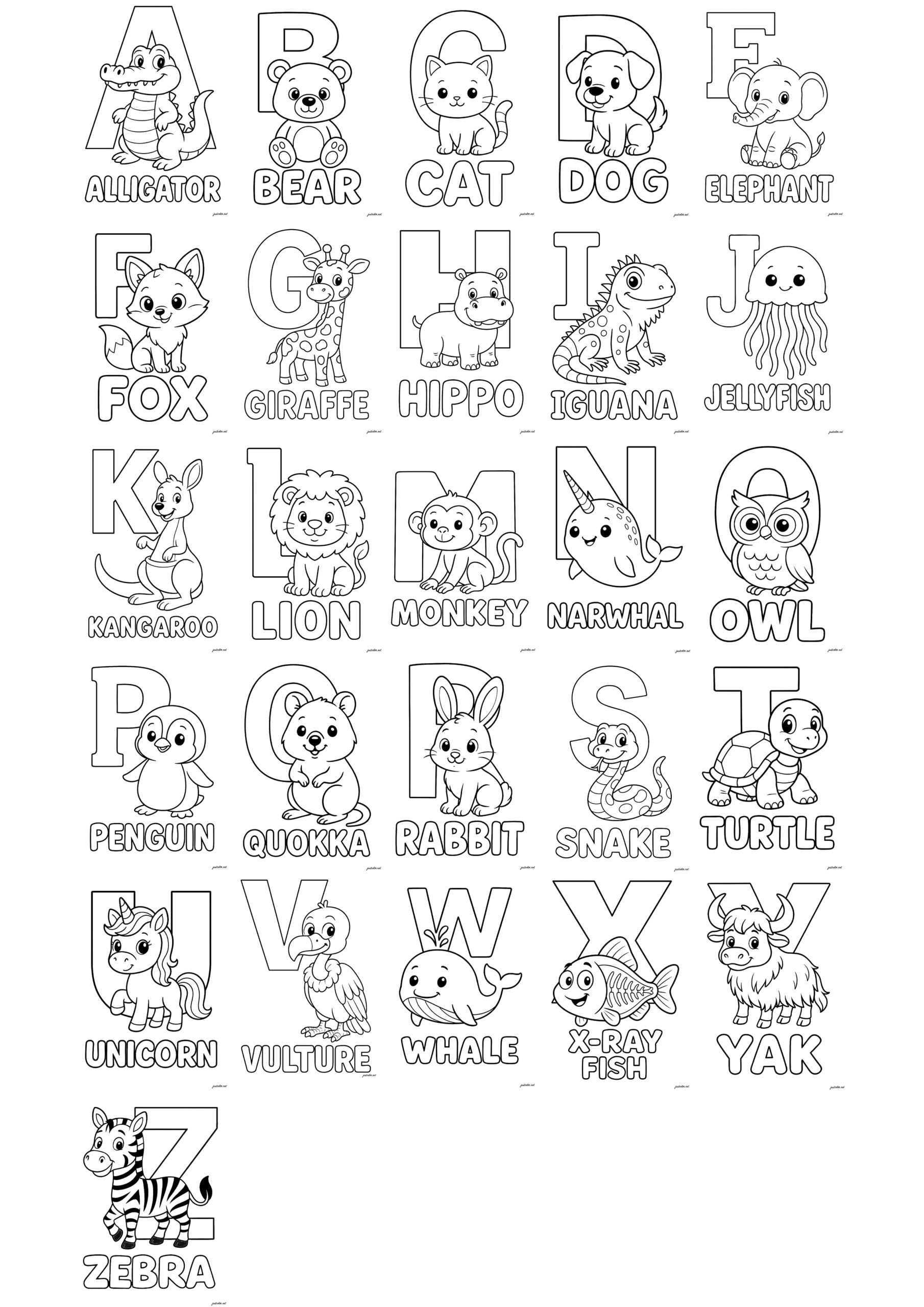
- Themed Units: Incorporate coloring pages into themed units. For example, during a unit on animals, use pages that feature animal names starting with the letters they are learning.
- Take-Home Assignments: Send coloring pages home for extra practice. This allows parents to engage with their children’s learning process.
- Display Completed Work: Create a bulletin board to showcase students’ completed coloring pages. This reinforces pride in their work and can motivate them to engage more deeply with their learning.
Tips for Effective Use of Alphabet Letters to Coloring Pages
To maximize the effectiveness of alphabet letters to coloring pages, consider these practical tips:
- Use Lamination: If you plan to reuse coloring pages, laminate them. This allows students to use dry-erase markers and color them repeatedly without wasting paper.
- Incorporate Movement: Combine the coloring activity with a physical aspect. For instance, students can hop to the letter they colored and say words that start with that letter.
- Assess Understanding: After the coloring activity, ask students to share what they learned about the letter. This reinforces their understanding and provides insight into their learning process.
- Encourage Creativity: Allow students to add their own drawings or decorations to the coloring pages. This fosters creativity and makes the activity more personal.
- Provide Feedback: After the activity, give positive feedback on their work. This builds confidence and encourages them to engage in future activities.
Using alphabet letters to coloring pages creatively can transform letter learning into an enjoyable experience. By choosing the right pages, organizing effectively, and integrating them into lessons, teachers and parents can enhance young learners’ skills in a fun and engaging way. Start by exploring available resources today, and watch as children develop a love for letters and learning.