
Creating a vibrant and engaging learning environment is essential for young children, especially when it comes to mastering the alphabet. Printable resources like Alphabet Letters To Color And Print are invaluable tools for teachers and parents alike. These resources not only encourage creativity but also enhance motor skills and letter recognition. Let’s explore how to effectively utilize these printable letters in your classroom or home.
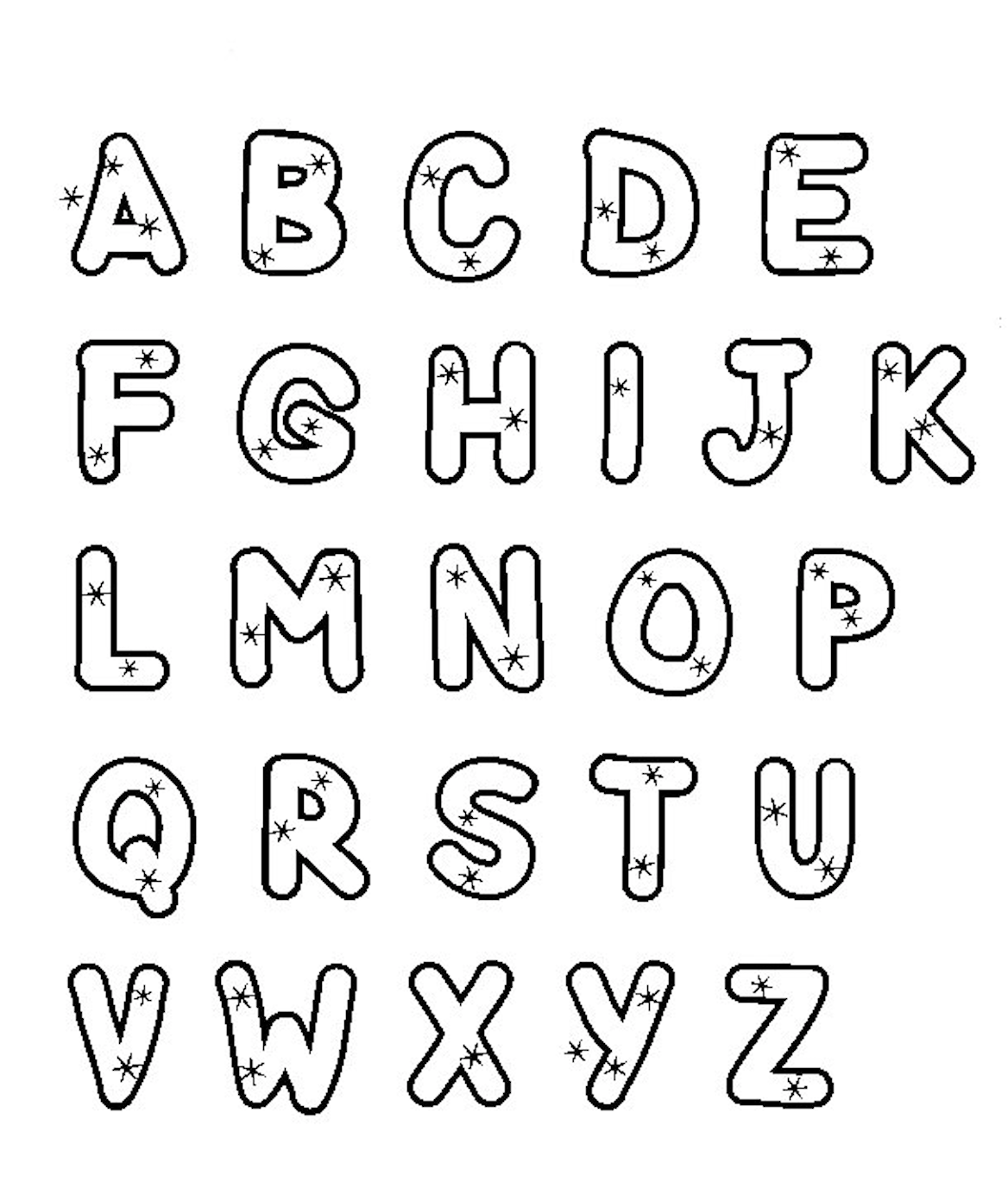
Choosing the Right Alphabet Letters to Color and Print
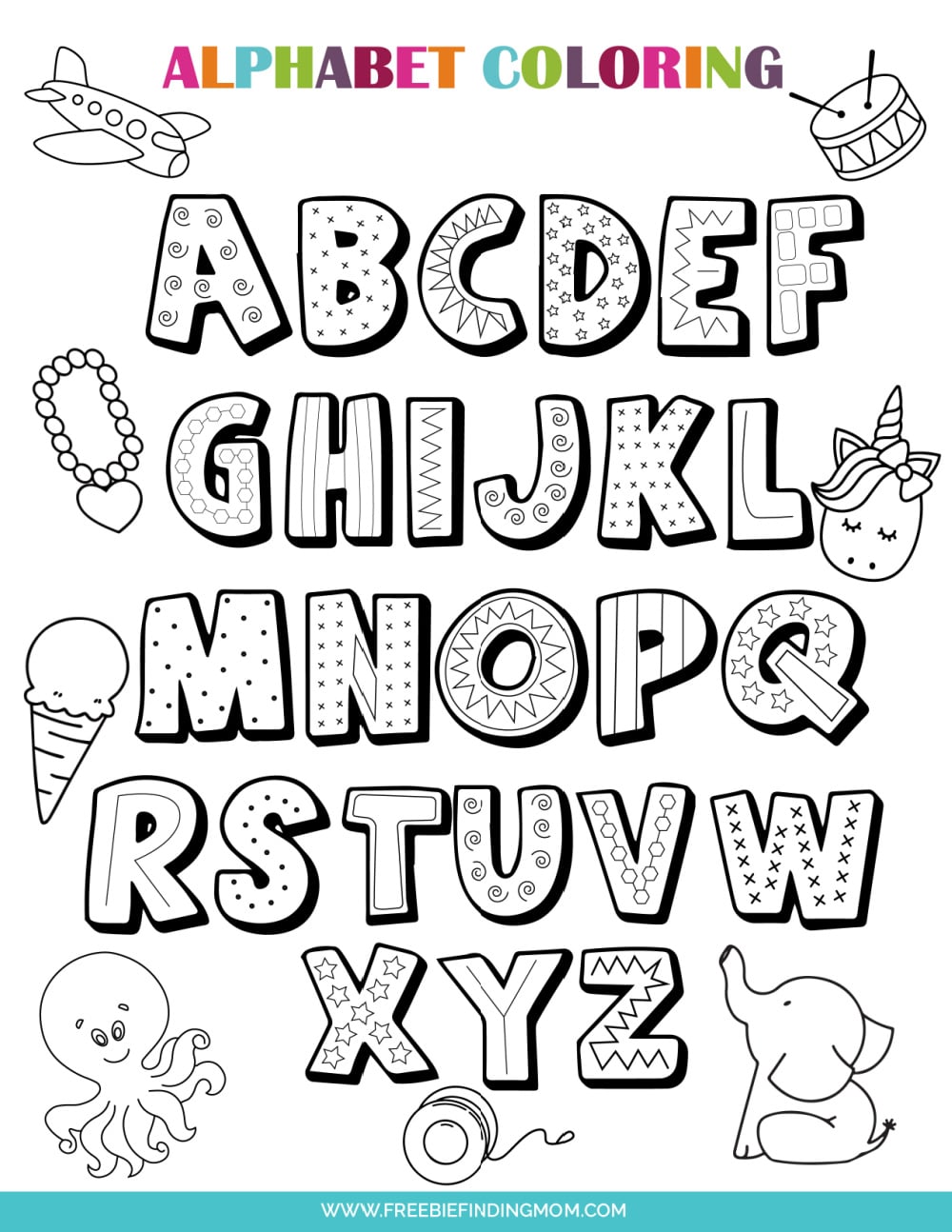
When selecting the alphabet letters to color and print, consider your target age group. Typically, these resources are best suited for preschool to early elementary students (ages 3-7). Look for letters that feature bold outlines, making them easy for young children to color. Additionally, some resources may offer various styles, such as uppercase, lowercase, or even decorative fonts. Choose a style that fits your educational goals and the preferences of your students.
Another key factor is the file format. Most printable alphabet letters will be available as PDFs, which are ideal for printing without losing quality. Ensure that the letters are designed for standard paper sizes, such as 8.5 x 11 inches, to make printing hassle-free.
Downloading and Printing Your Alphabet Letters
Once you’ve chosen the alphabet letters to color and print, the next step is to download them. Follow these simple steps:
- Click on the download link for your chosen resource.
- Save the PDF file to your computer or device.
- Open the file in a PDF viewer. Ensure your printer settings are configured correctly.
- Select the option to print. For best results, use portrait orientation and standard quality settings.
- If you are using colored paper or cardstock, adjust your printer settings accordingly to enhance the printing quality.
Using cardstock is a smart choice if you plan to laminate the letters for durability, especially if they will be used frequently in a classroom setting. Remember, allowing children to color their letters will engage them more effectively, so consider printing several copies for repeated use.
Setting Up for Letter Coloring Activities
Creating a dedicated space for coloring activities can make a significant difference in how children interact with the letters. Here are some tips for setting up:
- Create a Coloring Station: Set up a table with plenty of space for children to work. Ensure that all necessary materials are within reach, including crayons, colored pencils, markers, and scissors for those who may want to cut out their letters after coloring.
- Organize by Letter: If possible, organize the letters by their starting sounds or colors. This can facilitate a fun matching game where children find objects that start with each letter they color.
- Include Examples: Display examples of colored letters around the coloring station. This not only inspires creativity but also reinforces learning as children see visual representations of the letters in various colors.
Incorporating Repetition for Effective Learning
Repetition is crucial when teaching young children. Alphabet letters to color and print can be used in various activities throughout the week to reinforce letter recognition and phonics. Here’s a suggested weekly structure:
- Day 1: Introduce the letter of the week. Provide worksheets featuring that letter for coloring and tracing.
- Day 2: Engage in a scavenger hunt around the classroom or home for items that start with the letter.
- Day 3: Allow children to create a letter collage using colored letters and pictures of items that begin with that letter.
- Day 4: Encourage storytelling using words that start with the letter.
- Day 5: Review the letter by having children present their colored letters and share something they learned.
This structured approach not only makes learning fun but also helps solidify their understanding of the alphabet.
Using Alphabet Letters for Diverse Learning Activities
The versatility of alphabet letters to color and print extends beyond simple coloring. Here are several creative ways to utilize these resources in your teaching:
- Flashcards: After coloring, you can cut out the letters and use them as flashcards. This is a great way to test recognition and pronunciation.
- Craft Projects: Incorporate the letters into various craft projects. Children can glue their colored letters onto a poster board to create a colorful alphabet chart.
- Games: Use the letters for educational games. For example, create a bingo game where children can mark off letters as they are called out.
- Storytime: Integrate the letters into storytime by selecting books that emphasize the letter of the week.
By utilizing these colorful resources in diverse activities, you create a rich learning environment that caters to various learning styles.
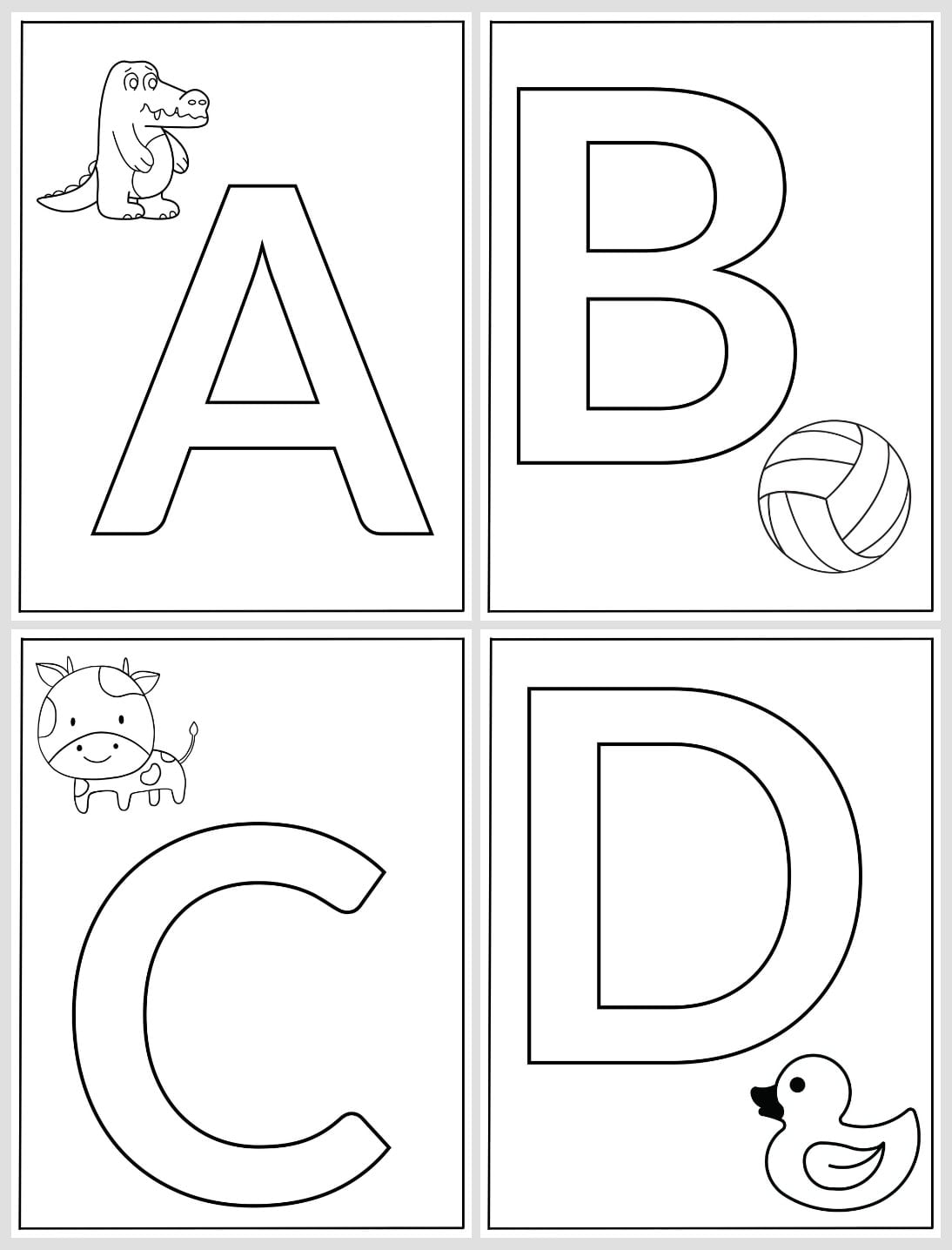
Final Tips for Successful Use of Alphabet Letters
To ensure that your use of alphabet letters to color and print is as effective as possible, keep these final tips in mind:
- Encourage Creativity: Allow children to use non-traditional coloring materials, such as glitter or stickers, to personalize their letters.
- Display Their Work: Create a “Wall of Letters” where children can display their completed letters. This boosts their confidence and showcases their hard work.
- Incorporate Technology: If you have access to tablets, consider using digital coloring apps that allow children to color letters electronically.
By following these steps and tips, you can create an engaging and educational experience with alphabet letters to color and print. The aim is not just to teach children their letters but to foster a love for learning through creativity and play.