
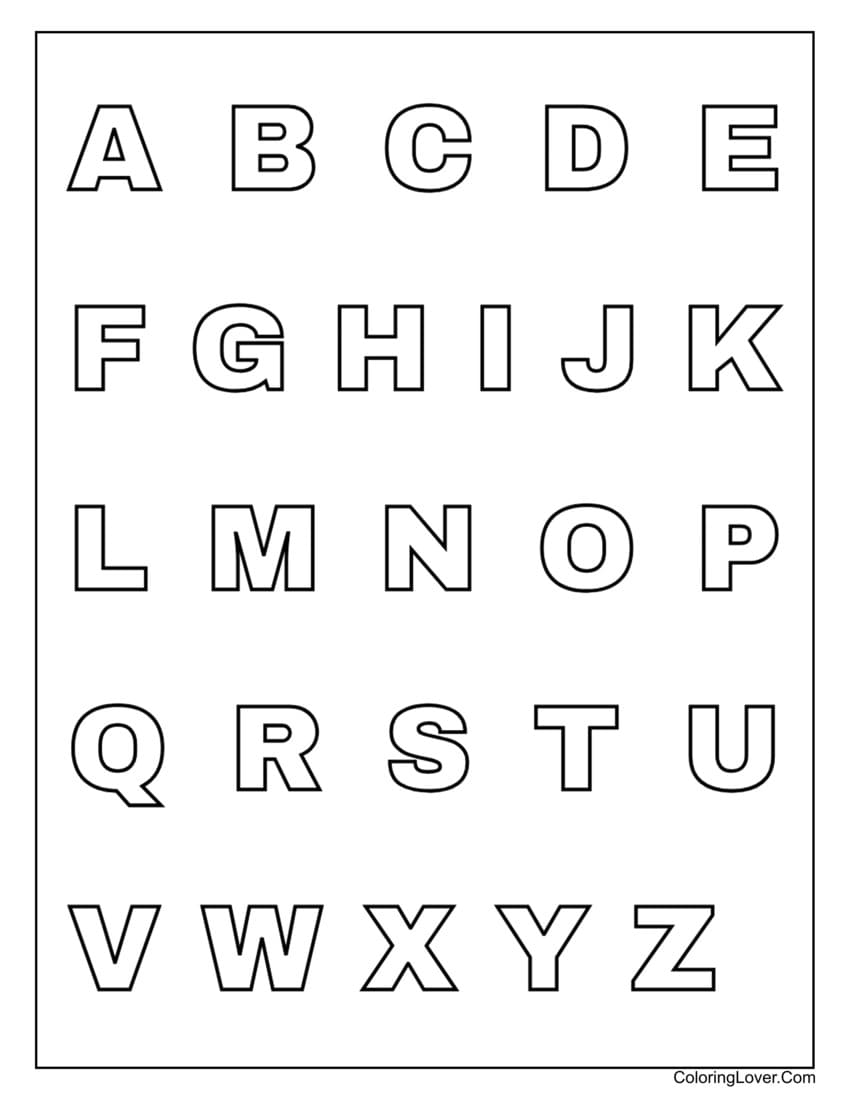
Using Alphabet Letters Coloring Pages Without Pictures can enhance the learning experience for young children. These resources are typically designed in standard letter sizes, often formatted to fit on an 8.5 x 11-inch sheet of paper. Teachers and parents can easily download and print these pages, allowing children to express their creativity while developing their letter recognition and writing skills.
Understanding the Resource Layout
The layout of Alphabet Letters Coloring Pages Without Pictures is straightforward and user-friendly. Each page typically features a large, outlined letter, allowing ample space for children to color. The absence of pictures encourages kids to focus on the letter itself, sparking their imagination about what the letter can represent. This design choice supports independent practice, as children can work on the pages without needing much supervision.
When printing, you might consider using a lightweight cardstock, which holds up well during coloring and can withstand repeated handling. A portrait layout is often preferred for these pages since it allows for easy viewing and handling by small hands. Additionally, ensure your printer settings are adjusted for the best quality output; standard print settings usually work well.
How to Use the Coloring Pages in Different Settings
Classroom Activities
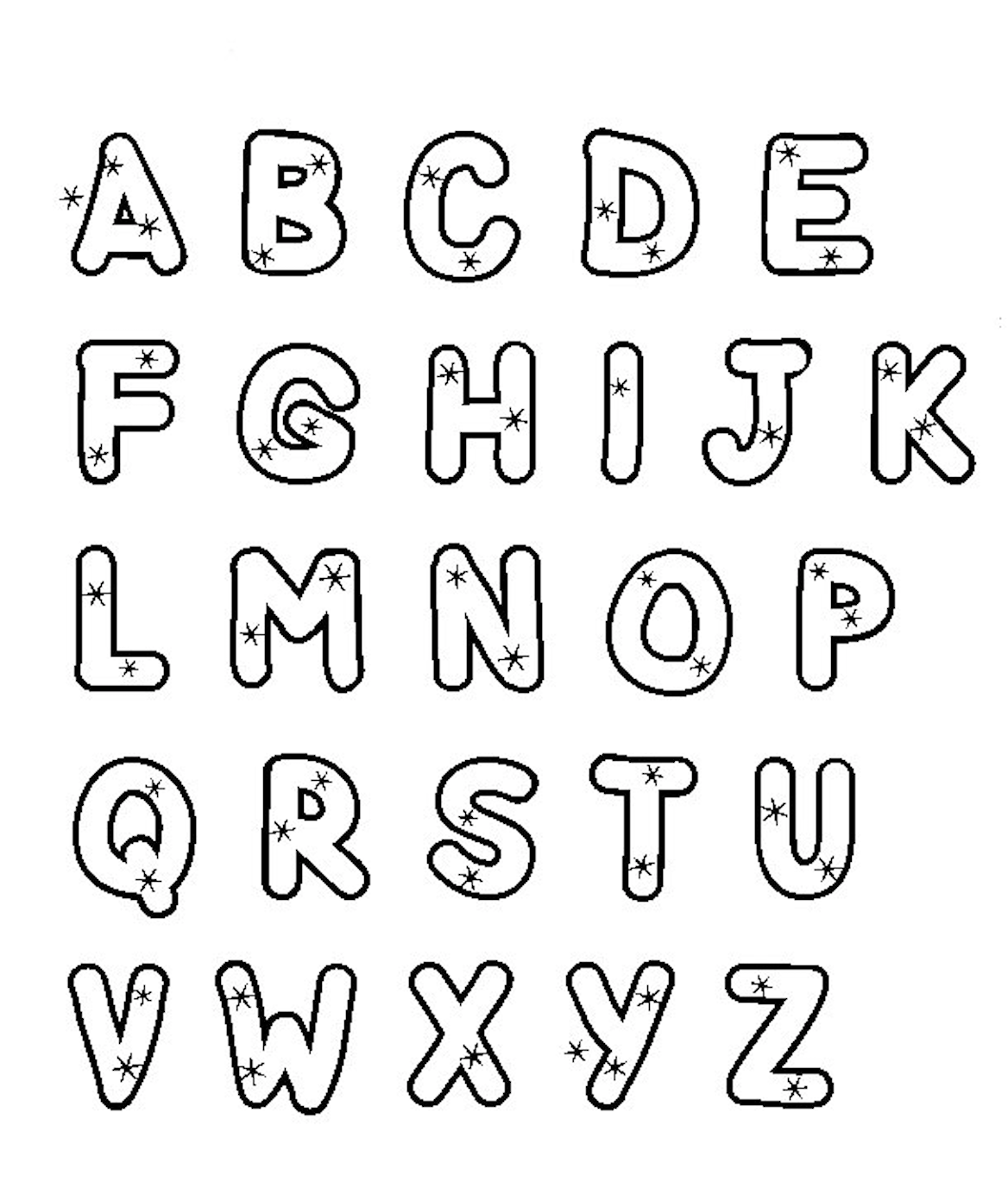
In a classroom setting, Alphabet Letters Coloring Pages Without Pictures can be integrated into various activities. For instance, they can serve as a warm-up exercise at the beginning of a literacy lesson. Teachers can ask students to color a specific letter that corresponds with words being discussed, reinforcing the connection between letters and sounds.
These pages can also be used during centers or stations, where students can rotate between different activities. One center could focus on coloring letters, while another could involve letter tracing or crafting letters from materials like clay or playdough. This cross-modal approach helps reinforce learning in a fun, engaging way.
Homeschooling and At-Home Learning
For homeschooling parents, these coloring pages can be a valuable resource to include in your lesson plans. They can help create a structured learning environment at home. Parents can set aside specific times for these activities, allowing for focused learning that fits into the daily routine.
Using the Alphabet Letters Coloring Pages Without Pictures as part of a broader curriculum can enhance literacy skills. For example, after coloring a letter, parents can introduce words that start with that letter, further reinforcing recognition and phonetic skills.
Transitioning Between Activities
An effective way to use these coloring pages is to transition between different learning activities. For instance, after a phonics lesson, children can color the corresponding letters as a way to reinforce what they just learned. This helps solidify their understanding and provides a tactile experience that complements auditory and visual learning.
Encouraging Creativity and Individual Expression
One of the primary benefits of Alphabet Letters Coloring Pages Without Pictures is that they encourage creativity and individual expression. Children can choose their colors and designs, allowing them to personalize their work. This aspect of creativity is crucial, as it fosters a sense of ownership and pride in their learning process.
You can enhance this creativity by introducing themes or challenges. For example, you might ask children to color the letter “A” in colors they associate with apples, or the letter “B” in colors that remind them of the beach. These prompts can stimulate their imagination while reinforcing letter recognition.
Incorporating Additional Learning Elements
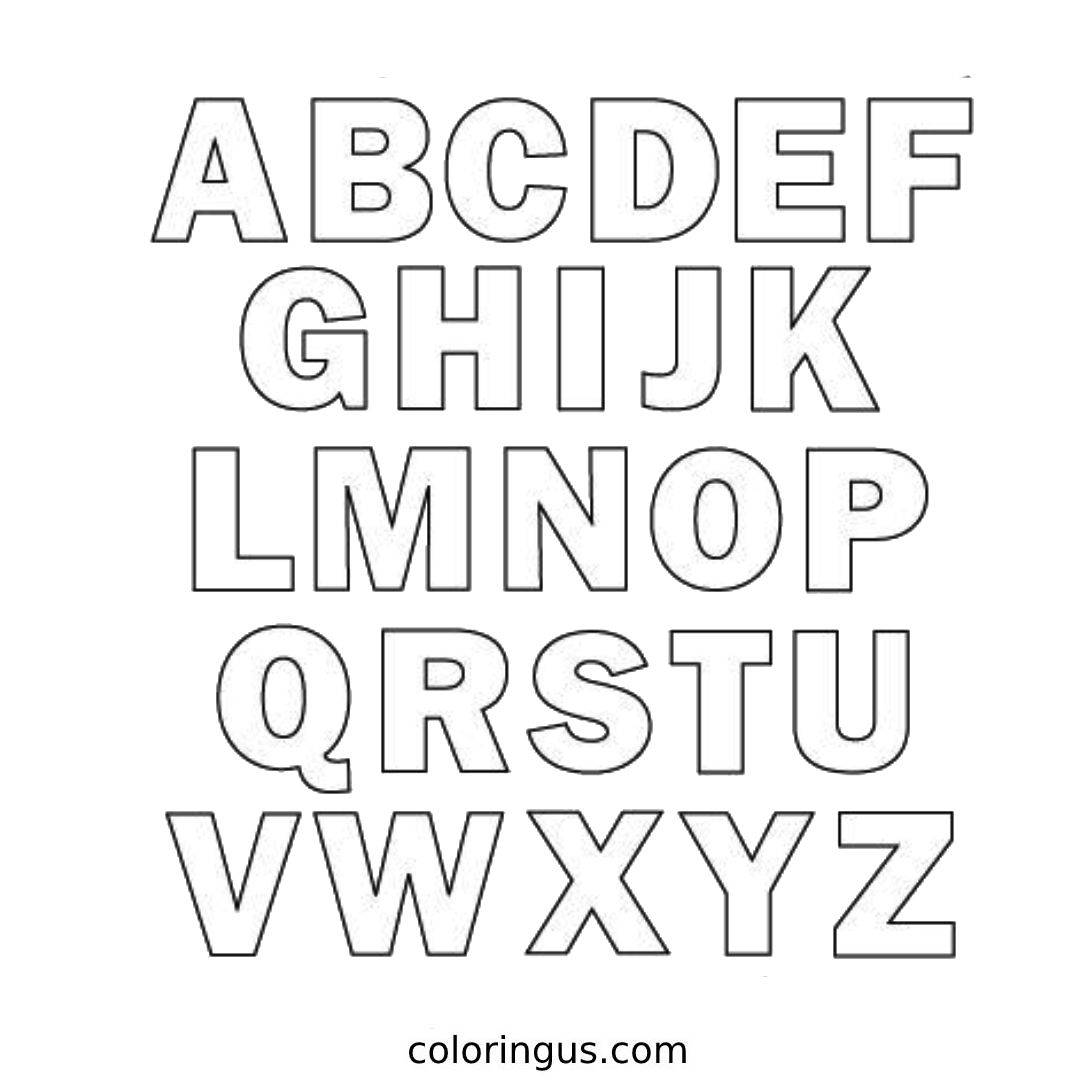
While the primary focus is on letter recognition, you can incorporate additional learning elements into the coloring pages. For instance, after coloring a letter, ask questions related to that letter. What words start with it? Can they think of a sentence using that word? This kind of questioning encourages critical thinking and language development.
You might also consider integrating simple math concepts. For example, after completing a letter, children could count the number of letters in a word that starts with that letter. This connection between literacy and numeracy reinforces comprehensive learning.