
The joy of coloring can transform learning into a delightful experience, especially when it comes to the alphabet. Alphabet Letters Coloring Pages Pretty are designed to help children engage with letters in a fun and artistic way. These resources are not just about coloring; they provide an excellent opportunity for early learners to recognize letters, improve their fine motor skills, and express their creativity. Let’s explore how to make the most of these printable coloring pages in your home or homeschool environment.
Choosing the Right Alphabet Letters Coloring Pages
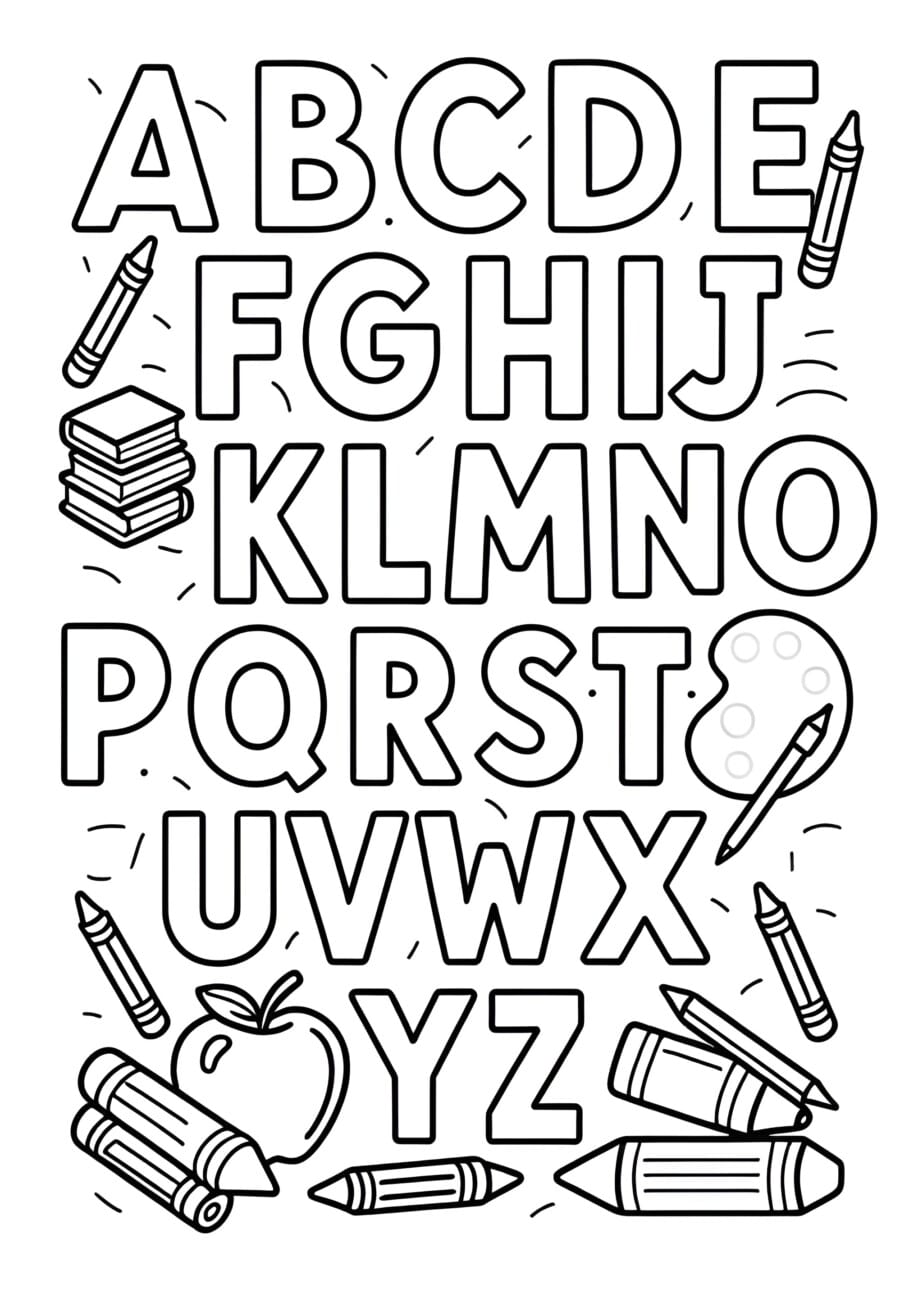
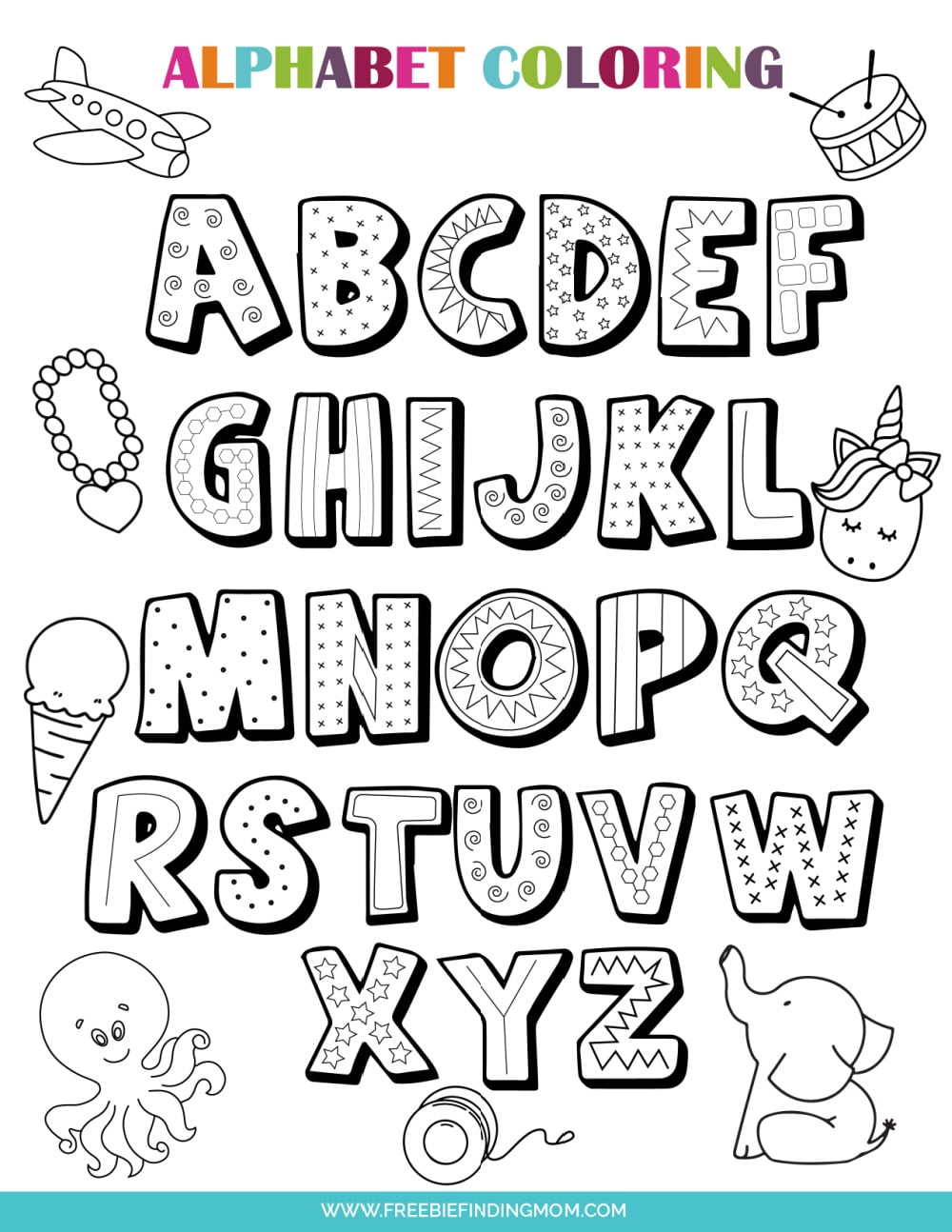
When selecting Alphabet Letters Coloring Pages Pretty, consider the age and interests of your child. For preschoolers and kindergarteners, pages that feature large, bold letters with fun designs are ideal. These designs can include animals, nature, or whimsical patterns that make the letters come alive.
You can find various themes such as seasonal designs (like pumpkins for fall or flowers for spring) that can keep the learning fresh and exciting. Choose pages that not only feature the letters but also incorporate elements that resonate with your child’s interests. This way, they’ll be more engaged and willing to spend time coloring.
Downloading and Printing Your Coloring Pages
Once you’ve selected the coloring pages, downloading and printing them is a breeze. Most printable resources come in PDF format, which is perfect for maintaining print quality. Here are a few tips for getting the best results:
- Paper Type: Use standard printer paper for casual coloring sessions. If you want to preserve the artwork or plan to display it, consider using cardstock. This thicker paper holds up better to coloring tools and can be laminated for durability.
- Print Settings: Set your printer to print in portrait mode for most coloring pages, as this layout typically suits the designs best. Ensure that your printer settings are optimized for color printing to bring the designs to life.
- Size Matters: Most coloring pages are designed to fit standard letter-size paper (8.5 x 11 inches). However, you can adjust the print settings if you want smaller or larger pages to suit your child’s preferences.
Setting Up a Coloring Station
Creating a dedicated coloring station can enhance the experience. Here’s how to set up a fun and inviting space:
- Materials: Gather a variety of coloring tools such as crayons, markers, colored pencils, and gel pens. Each tool offers a unique coloring experience, so having options can keep things interesting.
- Table Space: Choose a small table or desk where your child can comfortably work. Ensure there’s enough light to avoid straining their eyes while coloring.
- Organization: Use a small caddy or organizer to keep the coloring tools within reach. This helps your child develop good habits of cleaning up after themselves and encourages independence.
- Inspiration Board: Create a space where finished coloring pages can be displayed. It could be a wall, a bulletin board, or even a fridge magnet setup. This not only celebrates their work but also motivates them to continue coloring.
Engaging Activities With Coloring Pages
Coloring is not just about filling in spaces; it can be integrated into various learning activities. Here are some engaging ideas to enhance the experience:
Alphabet Recognition Games
After your child has colored a letter, turn it into a game by asking them to identify words that start with that letter. For example, after coloring the letter “B,” prompt them to think of words like “ball,” “bat,” or “butterfly.” This reinforces letter sounds and vocabulary.
Storytelling Sessions
Use the colored pages as a springboard for storytelling. Have your child create a short story involving the characters or objects associated with the letters they’ve colored. This exercise fosters creativity and language development.
Art and Craft Projects
Once a letter is colored, you can use it as part of a larger craft project. For example, after coloring the letter “A,” your child can create an apple collage using cut-out apple shapes. This hands-on activity combines art with learning and makes for a fun afternoon.
Tips for Maximizing the Learning Experience
Here are some additional tips to ensure your child gets the most out of their coloring experience:
- Encourage Creativity: Allow your child to use colors freely and express their creativity. There are no wrong choices in art, and this freedom can boost confidence and decision-making skills.
- Discuss Colors and Shapes: While coloring, engage your child in discussions about colors, shapes, and patterns. This promotes critical thinking and helps them develop language skills.
- Incorporate Movement: After coloring, take a break and incorporate some physical activity. You could play a quick alphabet scavenger hunt around the house, finding items that start with the letters they just colored.
- Reflect on the Work: After completing a coloring page, sit down with your child and discuss what they enjoyed about the process. This reflection can help them articulate their thoughts and feelings about their work.
Where to Find Printable Alphabet Letters Coloring Pages Pretty
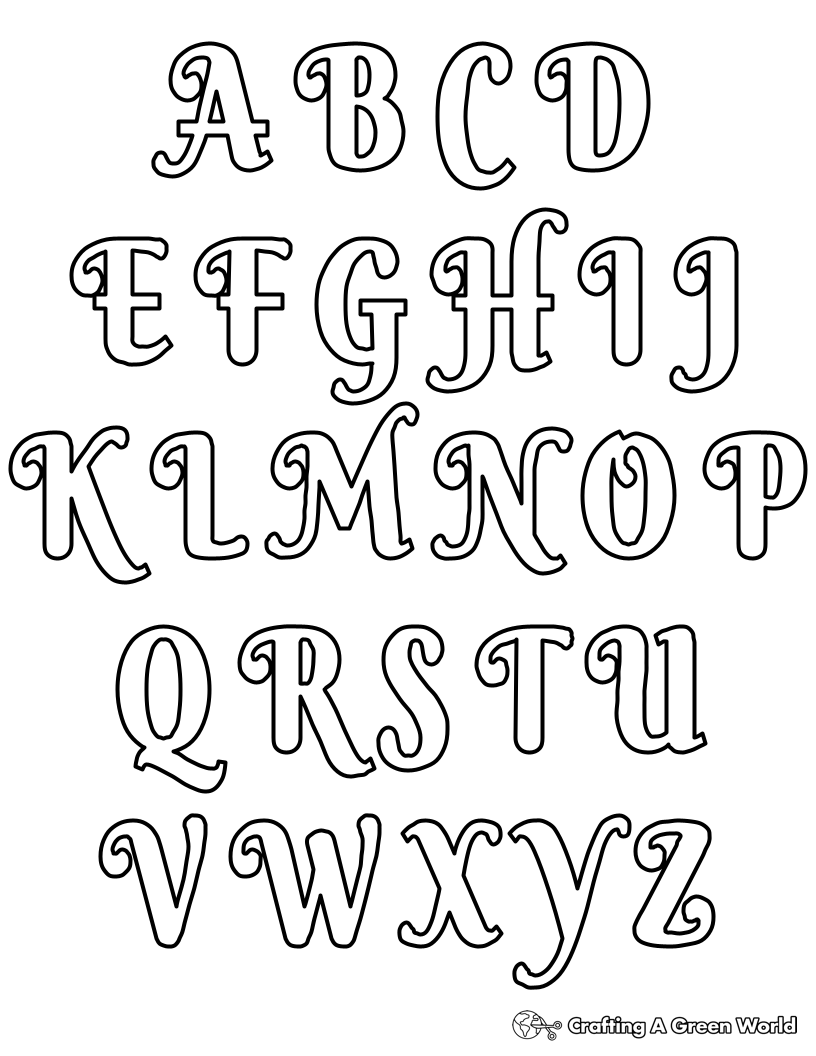
There are numerous online resources where you can find high-quality, printable coloring pages for free or at a low cost. Websites dedicated to educational materials often have a section for coloring pages, specifically designed for learning the alphabet.
Look for sites that offer easy downloads without the need for complicated sign-ups. Ensure that the pages are printable in high resolution to maintain clarity when printed.