
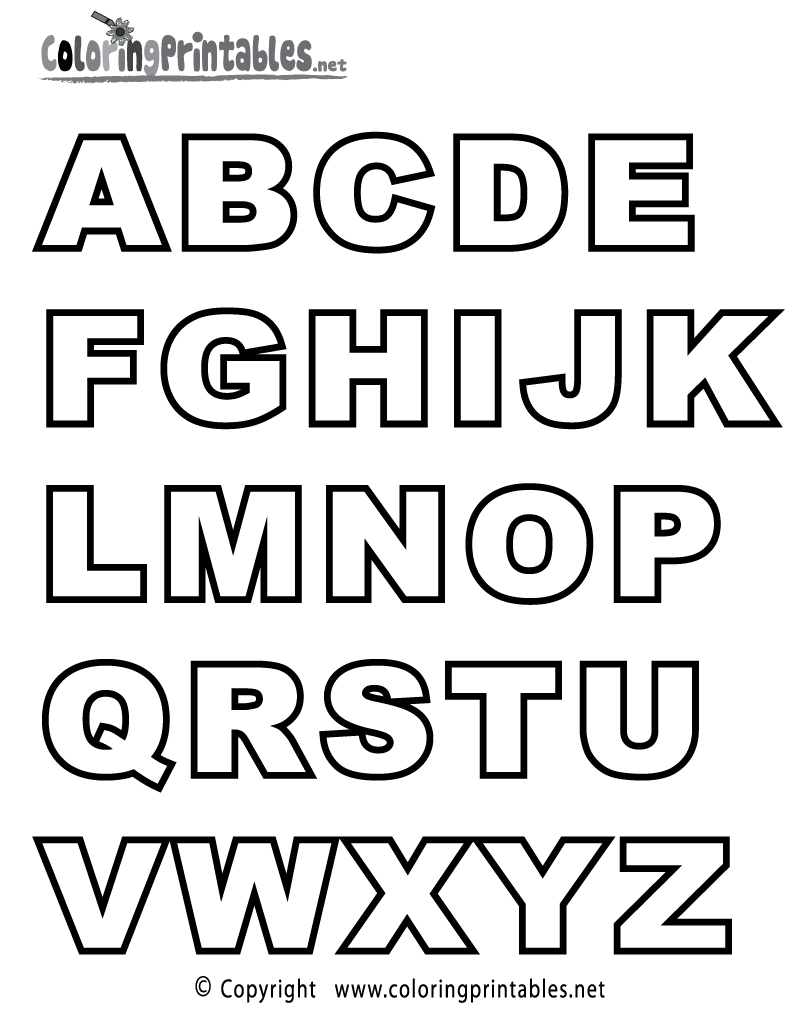
The printable resource “Alphabet Letter To Colour In” serves as an engaging tool for children to enhance their letter recognition and fine motor skills. Typically formatted as a single-page PDF, each sheet features a large letter of the alphabet accompanied by images or patterns that encourage children to color them in. This activity not only makes learning fun but also allows for creativity and expression, making it a valuable addition to any educator’s or parent’s toolkit.
Understanding the Importance of Coloring Activities
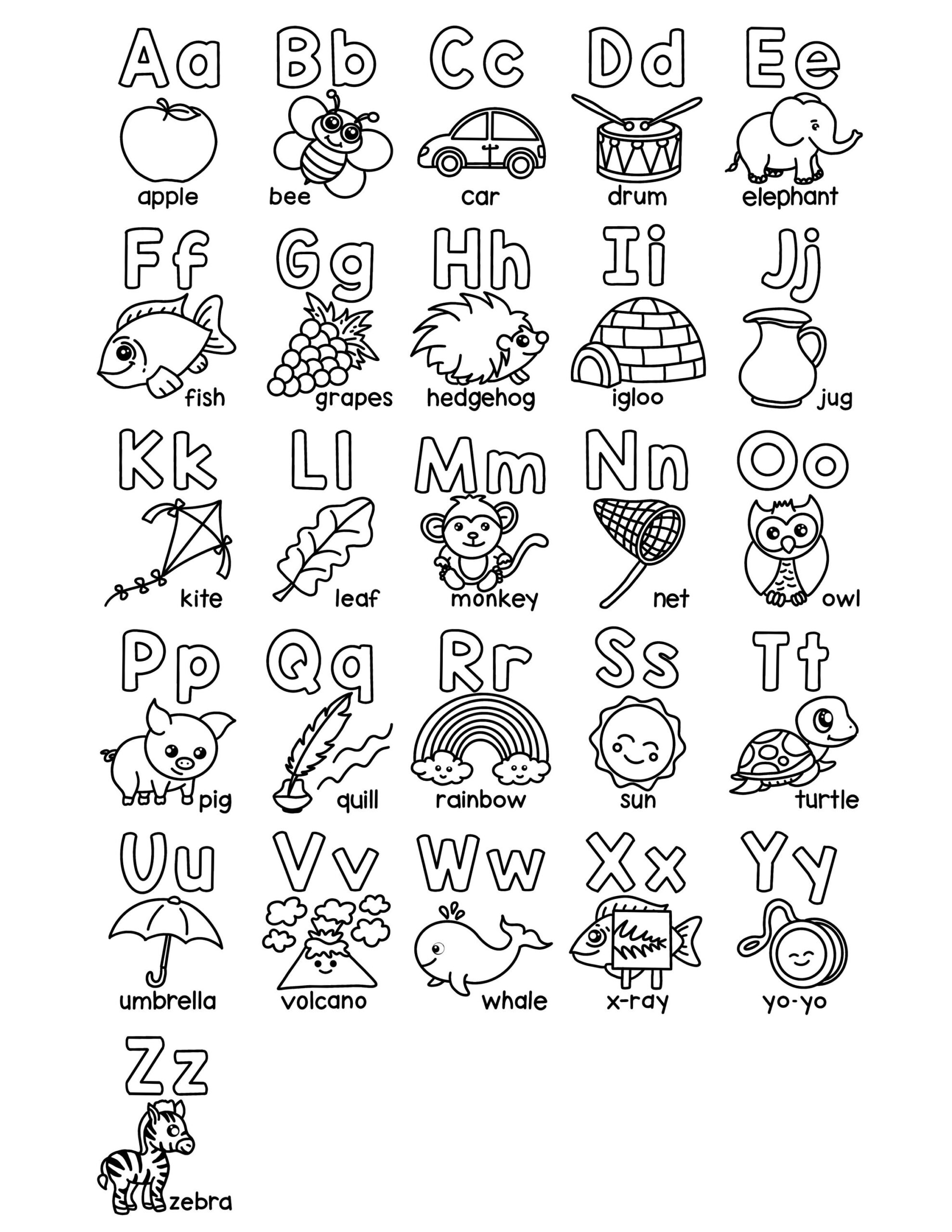
Coloring is a fundamental activity for young learners, particularly in preschool and early elementary grades. It promotes hand-eye coordination, improves fine motor skills, and helps with focus and concentration. When children engage in coloring the alphabet, they are not just having fun; they are also reinforcing their understanding of letters and their sounds. This dual focus on creativity and learning makes resources like the Alphabet Letter To Colour In particularly effective in both classroom and home settings.
Layout and Design Features
The layout of the Alphabet Letter To Colour In sheets is designed with simplicity and usability in mind. Typically, each sheet features:
- A large, bold letter in the center, making it easy for children to recognize and focus on.
- Surrounding images or patterns related to that letter, which provide context and encourage thematic coloring. For example, the letter “A” might be accompanied by an apple or an alligator.
- Clear outlines that allow for easy coloring, ensuring that children can stay within the lines as they practice their skills.
This straightforward design is beneficial for parents and teachers alike, as it allows for easy printing and immediate use. Portrait layout is often preferred for these sheets, as it fits standard printer settings and is easy to manage for little hands.
Age Appropriateness and Use Cases
The Alphabet Letter To Colour In sheets are ideally suited for children aged 3 to 7 years. In a preschool or kindergarten setting, these sheets can be integrated into daily activities, allowing children to color during free time or as part of a structured lesson focused on letter recognition. For homeschoolers, these resources can fit into a regular afternoon routine without the need for extensive lesson planning.
Not only can these sheets be used for individual coloring activities, but they can also serve as a collaborative project. Parents or teachers can encourage children to work together, discussing the letters and sharing coloring techniques. This interaction fosters social skills while reinforcing educational content.
Practical Tips for Implementation
When incorporating the Alphabet Letter To Colour In sheets into your educational routine, consider the following practical tips:
- Paper Type: Use heavier cardstock for printing. This type of paper holds up better to coloring and can withstand erasing if needed. If possible, laminate the sheets after printing for durability, especially if they will be reused.
- Coloring Tools: Provide a variety of coloring tools, such as crayons, colored pencils, and markers. Each tool offers different textures and effects, making the coloring experience more engaging.
- Discussion Prompts: While children color, ask questions about the letter and the images associated with it. For instance, “What sound does this letter make?” or “Can you think of any other words that start with this letter?” This enhances the learning experience and promotes critical thinking.
Where to Find Printable Resources
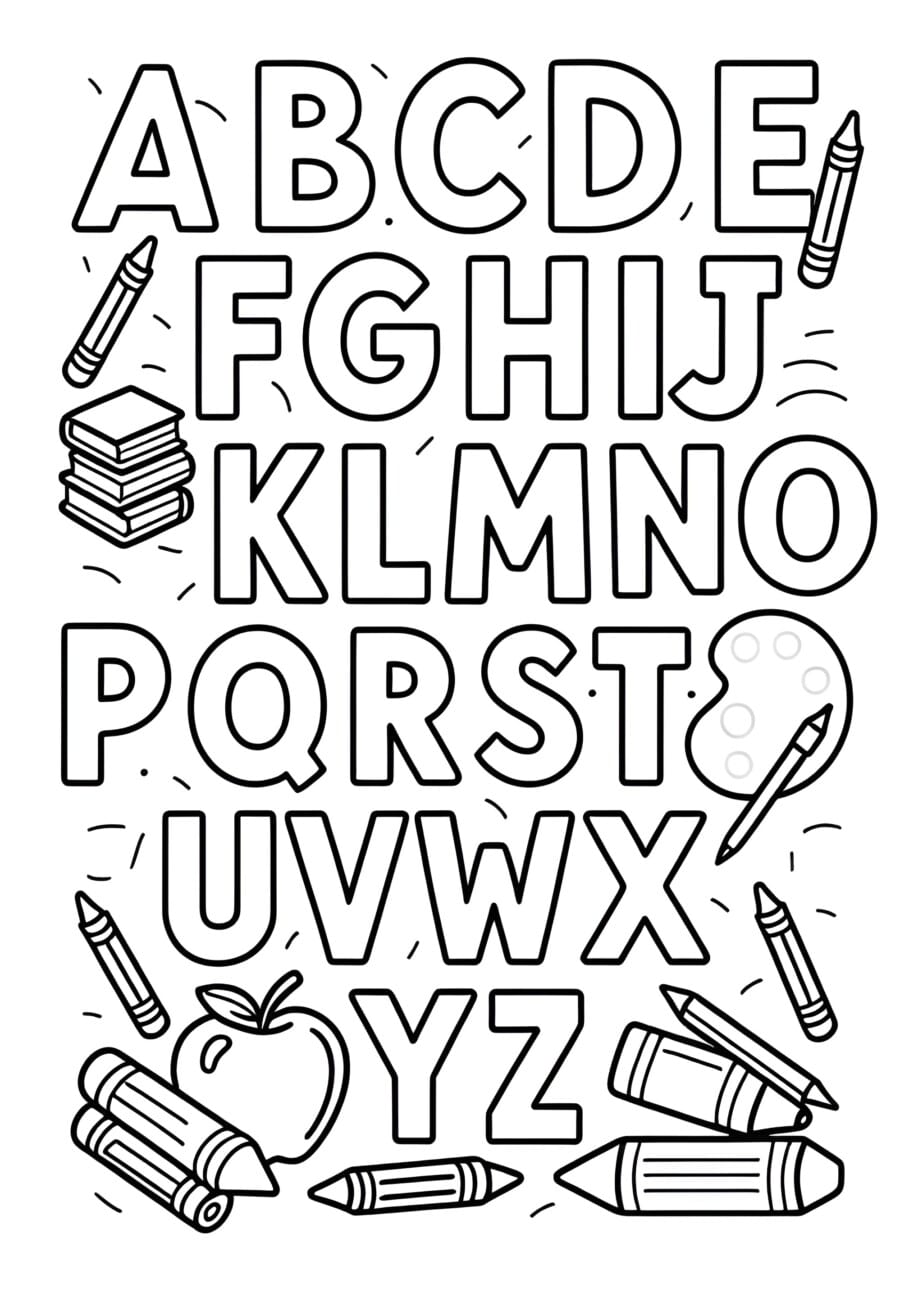
Printable resources for Alphabet Letter To Colour In can be found on a variety of educational websites. Many sites offer free downloads, while others might charge a nominal fee for premium designs. When selecting resources, look for those that provide high-quality PDFs to ensure clear printing. Check for user reviews or recommendations to find the best options.
Additionally, consider customizing the sheets. Some platforms allow users to create personalized coloring sheets, where you can input specific letters or themes that align with your teaching goals. This level of flexibility can enhance the educational impact of the materials.