
Creating engaging learning materials for young learners can be a challenge, but the Alphabet Letter Mini Books In Color Printout can simplify that task. These mini books are designed to help children learn the alphabet in a fun and interactive way. They can be used in classrooms or at home, making them versatile resources for teachers and parents alike.
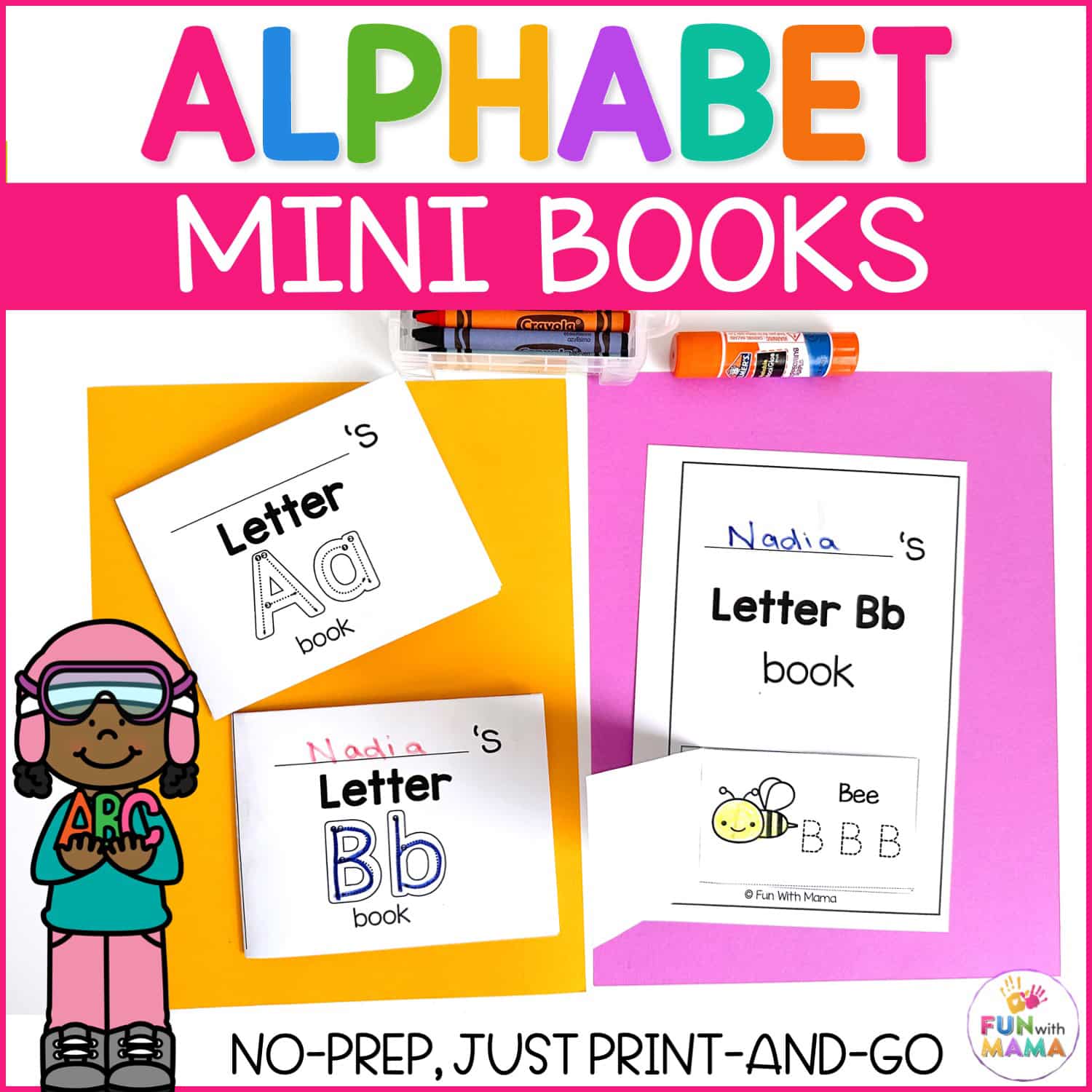
What Are Alphabet Letter Mini Books?
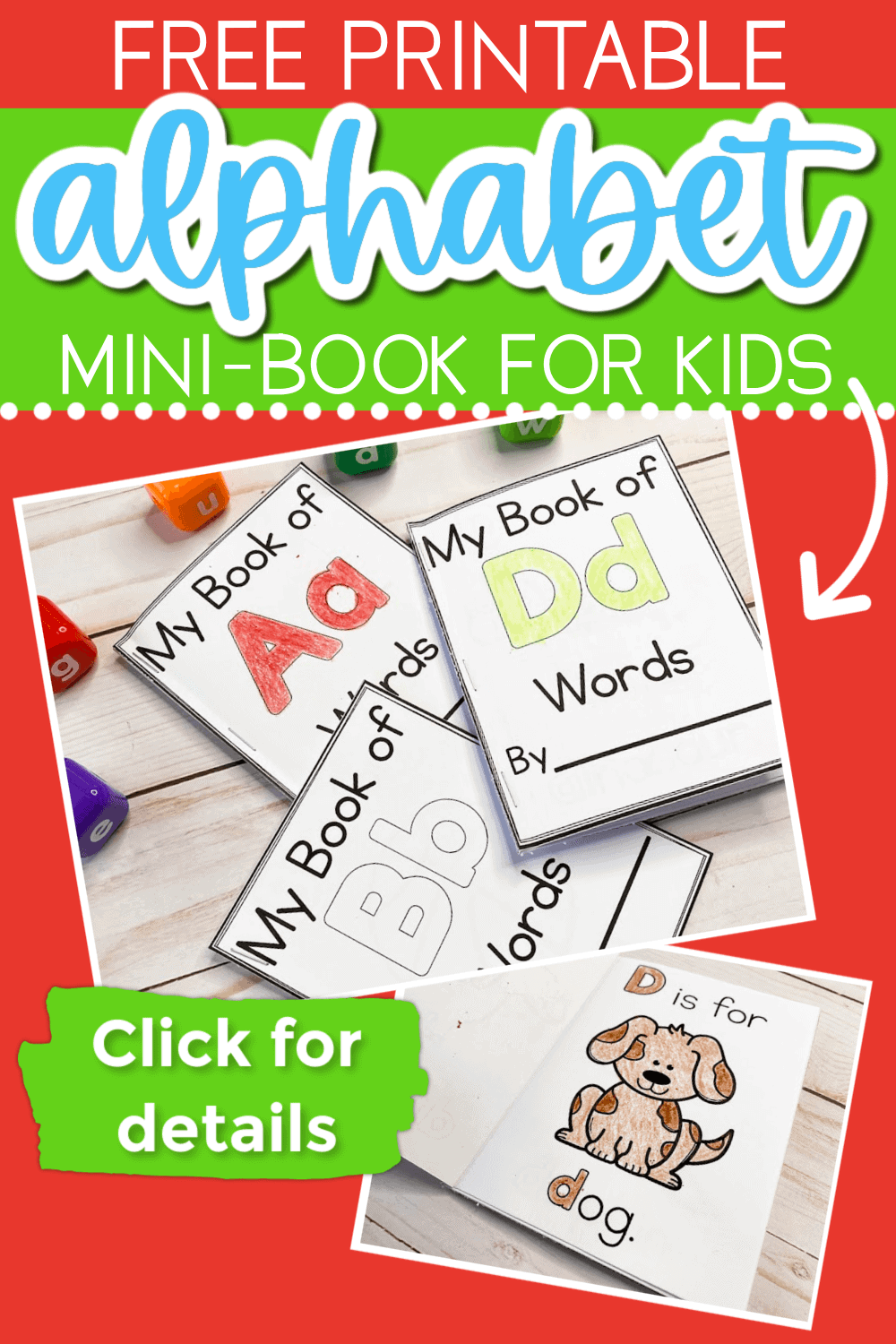
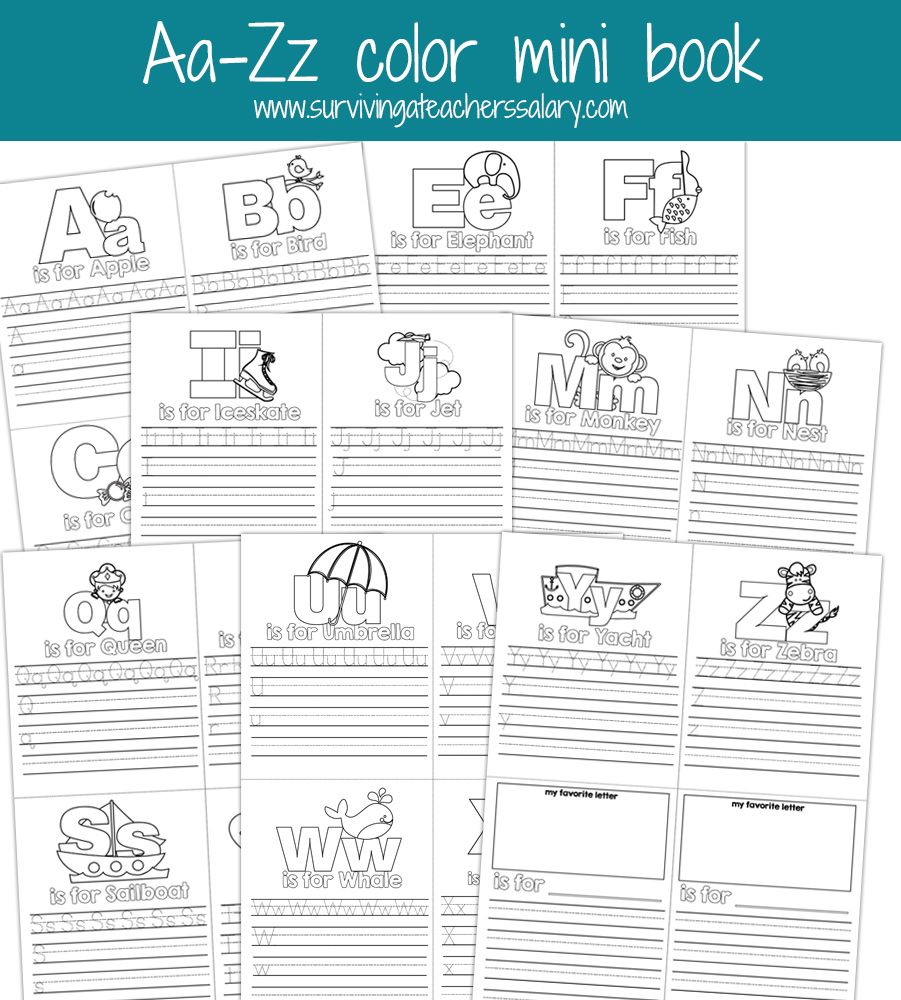
Alphabet Letter Mini Books are small, printable books that focus on each letter of the alphabet. Each mini book typically features a letter, an illustration related to that letter, and a corresponding word. For example, the mini book for the letter “A” might include an apple illustration with the word “apple” printed below it. These resources are particularly effective for preschool and kindergarten students, typically ranging from ages 3 to 6.
Why Use Alphabet Letter Mini Books?
Using Alphabet Letter Mini Books offers several benefits. First, they provide a hands-on approach to learning that can keep children engaged. When kids can physically hold a book and flip through the pages, they often feel more connected to the learning material.
Second, these mini books can help reinforce letter recognition and phonetic sounds. As children read through each book, they can practice saying the letters and the words associated with them. This repetition is crucial for early literacy development.
Lastly, the colorful illustrations make learning visually appealing, which can help maintain a child’s interest and enthusiasm for learning.
How to Print and Prepare the Mini Books
When you’re ready to use the Alphabet Letter Mini Books In Color Printout, here are some practical steps to ensure the best results:
- Choose the Right Paper: For durability, consider using cardstock instead of regular printer paper. Cardstock holds up better to handling, especially if the books will be used frequently.
- Select Print Settings: Most home printers work well with standard letter-sized paper (8.5 x 11 inches). Ensure your printer is set to print in color for the best results. If you have a choice, use portrait orientation for a better fit.
- Download the Resource: Make sure you have a reliable and accessible version of the printout. Often, these resources are available in PDF format, which can help avoid any reformatting issues that may arise with image files.
- Cut and Assemble: After printing, cut out the mini books along the designated lines. Fold the cutouts in half to create the book shape. You can staple the spine for added durability or simply use a paper clip.
- Optional Lamination: If you want the books to last even longer, consider laminating each mini book. Lamination can protect against tears and spills, making them more suitable for classroom environments.
Using the Mini Books in the Classroom
Implementing Alphabet Letter Mini Books in your teaching can be straightforward. Here are a few practical ways to use them effectively:
- Story Time: Gather the children and read through the mini books together. Encourage them to sound out the letters and repeat the words after you. This group activity can foster a sense of community and shared learning.
- Individual Practice: Give each child their own set of mini books. Allow them to explore the books independently. As they engage with the material, circulate around the room to offer support and encouragement.
- Art Activities: After reading the books, you can extend the lesson by having children draw their own pictures related to the letters. For example, after discussing the letter “B,” they might draw a butterfly or a ball.
- Assessment: Use the mini books as informal assessment tools. As children read through the books, you can gauge their understanding of letter recognition and pronunciation. If a child struggles with a specific letter, you can provide additional resources or practice activities.
Tips for At-Home Learning
For parents looking to enhance their child’s learning experience at home, these mini books can be incredibly useful. Here’s how to make the most of them:
- Daily Reading Routine: Incorporate the mini books into your daily reading routine. Spend a few minutes each day reading through a different letter book. This consistency will help reinforce learning.
- Interactive Learning: Turn reading sessions into interactive experiences. Ask your child questions about the illustrations or the words. For example, “What sound does the letter ‘C’ make?” or “Can you think of another word that starts with ‘C’?”
- Create a Learning Corner: Designate a specific area in your home for learning activities. This can be a small table with the mini books, coloring materials, and other educational resources. A dedicated space can help your child focus and engage more effectively.
- Incorporate Games: Use the mini books as part of games. For example, you could play a matching game where your child matches pictures from the mini books to objects around the house.
Monitoring Progress
As children engage with the Alphabet Letter Mini Books, it’s essential to monitor their progress. Here are some indicators that can help you determine if they have mastered the material:
- Letter Recognition: Can your child identify each letter when prompted? If they can consistently name letters without hesitation, that’s a good sign of mastery.
- Phonetic Sounds: Pay attention to whether your child can produce the correct sounds for each letter. This skill is crucial for developing reading readiness.
- Vocabulary Usage: Observe if your child can use the words associated with each letter in their speech. For instance, if they can use “cat” in a sentence after reading the letter “C” book, it shows they are making connections.
- Engagement Level: Note your child’s enthusiasm when using the mini books. If they appear excited and eager to learn, that’s a positive indicator of engagement.