
The challenge of keeping young learners engaged while developing their literacy skills is something many teachers and parents face. The Alphabet Letter Hunt Story Worksheet is a fantastic resource that combines storytelling with letter recognition, making learning both fun and interactive. This worksheet not only helps children identify letters but also encourages creativity and comprehension through storytelling.
Understanding the Alphabet Letter Hunt Story Worksheet
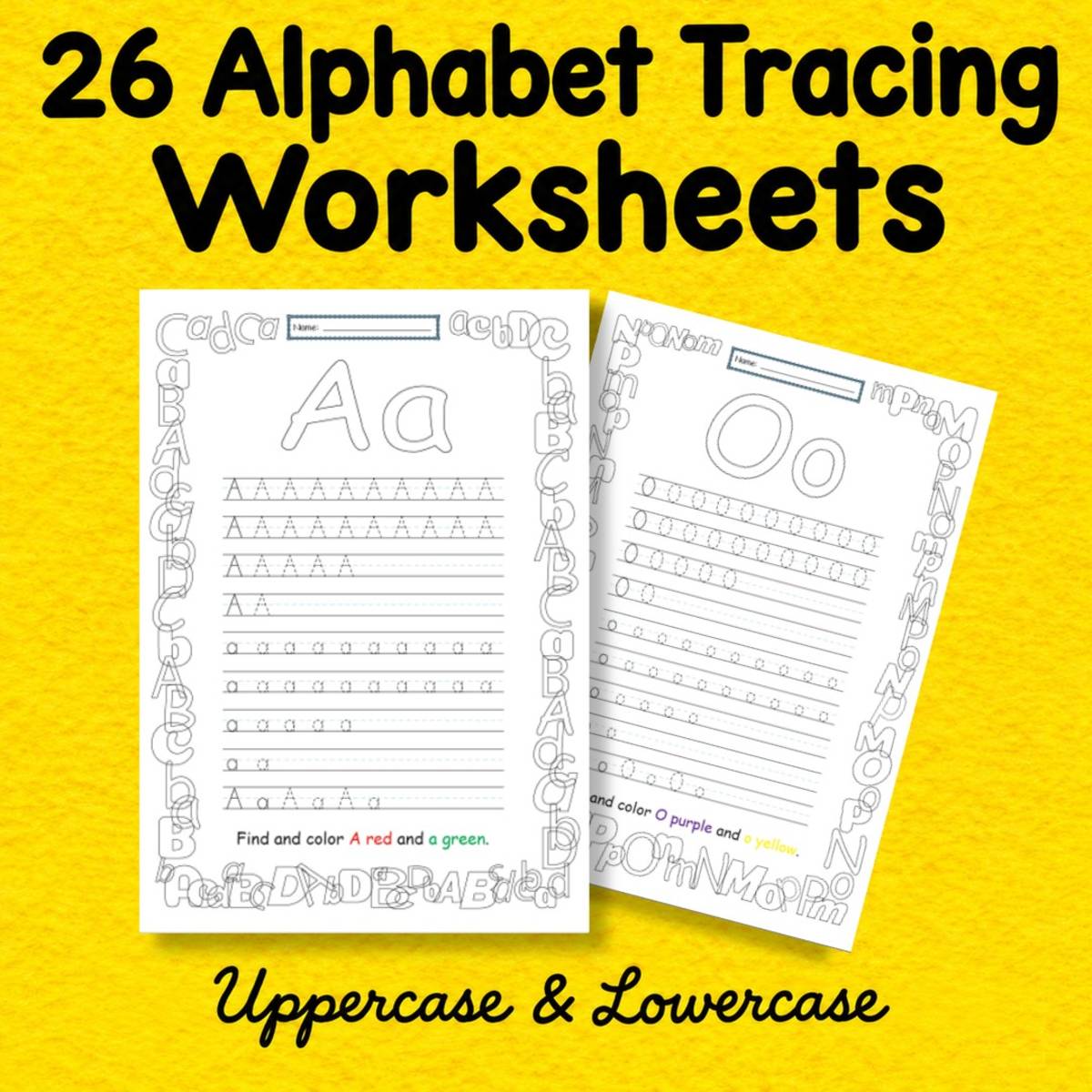
The Alphabet Letter Hunt Story Worksheet is designed for preschool and early elementary students, typically ranging from ages 4 to 7. This resource features prompts that guide children to identify letters while creating their unique stories. It’s a versatile tool, perfect for home or homeschool environments, allowing for flexible use in a relaxed setting.
Key Features of the Worksheet
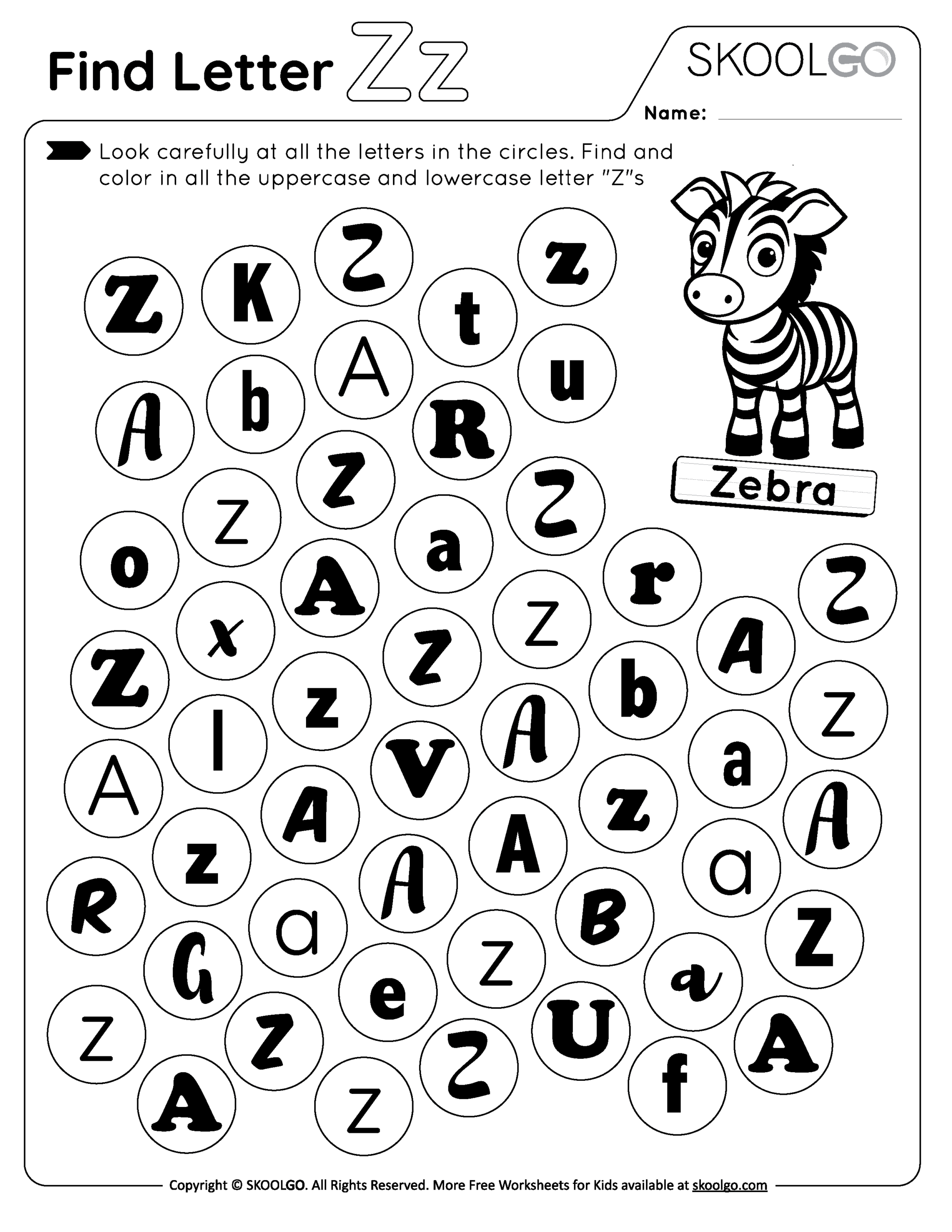
- Interactive Learning: Children search for letters within the context of a story, making the activity dynamic and engaging.
- Creativity Encouraged: Students can illustrate their stories, fostering creativity alongside literacy skills.
- Letter Recognition: The worksheet focuses on letter identification, vital for early reading skills.
- Adaptable for Various Levels: While primarily aimed at younger learners, it can be adjusted for different skill levels by varying the complexity of the story prompts.
Downloading and Printing the Worksheet
Getting started with the Alphabet Letter Hunt Story Worksheet is straightforward. Here’s how to access and prepare it for use:
- Choose the Resource: Visit the printable-resource website where the worksheet is available. Look for the section dedicated to worksheets for literacy.
- Download the Worksheet: Click on the download link for the Alphabet Letter Hunt Story Worksheet. It will typically be in PDF format, ensuring that the layout remains intact when printed.
- Print Settings: For best results, set your printer to use portrait layout. Most home printers handle standard letter size (8.5 x 11 inches) well, so use this size for clarity.
- Paper Choice: Consider using cardstock if you plan to laminate the worksheet for repeated use. This will help it withstand wear and tear, especially in a busy home environment.
Setting Up for Success
Once you have your worksheet printed, it’s time to set up the activity. Here’s how to create an inviting learning atmosphere:
- Gather Supplies: In addition to the worksheet, have colored pencils or crayons available for the illustration part of the activity. This encourages children to express their ideas visually.
- Create a Comfortable Space: Find a quiet spot where your child can focus. A small table with good lighting works well.
- Explain the Activity: Go over the worksheet with your child. Explain that they will be hunting for letters and then using those letters to create a story. This sets clear expectations and sparks interest.
Engaging With the Worksheet
Now that everything is set up, it’s time to look at the activity. Here’s how to guide your child through the Alphabet Letter Hunt Story Worksheet:
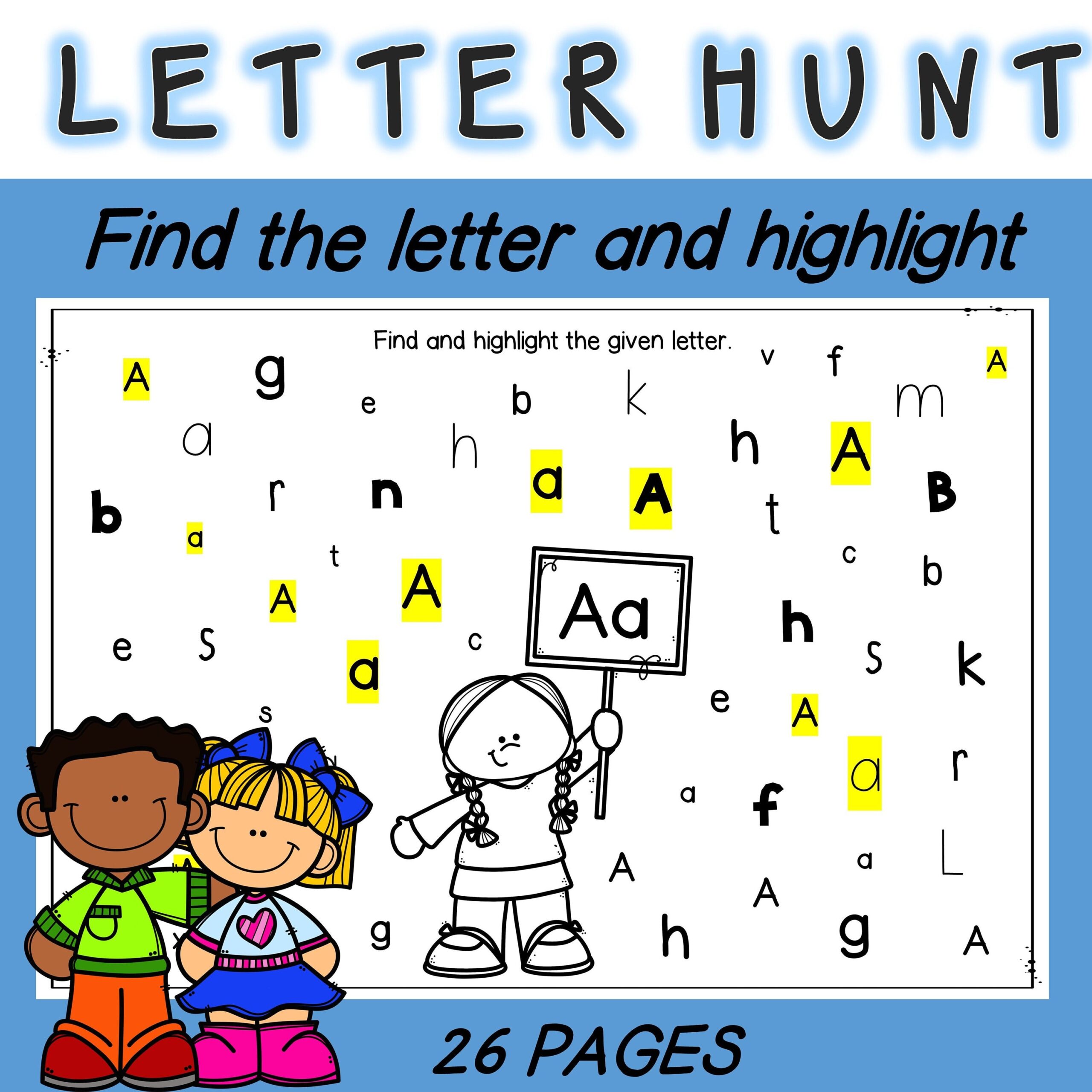
- Letter Hunt: Begin by asking your child to find specific letters on the worksheet. Encourage them to say the letter names aloud as they find them. This reinforces their recognition skills.
- Story Creation: After identifying the letters, prompt your child to think of words that start with those letters. For example, if they find the letter ‘B’, they might come up with ‘ball’ or ‘bird’.
- Writing and Illustrating: Allow your child to write a short story using the words they’ve created. If they’re not yet confident writers, you can assist by writing down their ideas. Encourage them to illustrate their story, adding an extra layer of engagement.
- Sharing the Story: Once completed, have your child read their story to you or to a sibling. This practice builds confidence and reinforces their understanding of letter-sound relationships.
Extending the Learning Experience
To maximize the benefits of the Alphabet Letter Hunt Story Worksheet, consider these additional activities:
- Letter Scavenger Hunt: Take the theme outside by having a letter scavenger hunt around the house or yard. Ask your child to find objects that start with the letters they’ve identified.
- Story Time: Incorporate storytime into your routine. Read books that emphasize letters or stories that feature characters whose names start with the letters your child has chosen.
- Create a Letter Book: Use additional worksheets to create a personalized letter book. Each page can focus on a different letter, with your child drawing and writing about words that start with that letter.
Tips for Success
- Be Patient: Every child learns at their own pace. Celebrate small victories to keep your child motivated.
- Use Everyday Experiences: Incorporate letter recognition into daily life. Point out letters on signs, menus, and labels during outings.
- Revisit the Worksheet: Don’t hesitate to print multiple copies of the worksheet for repeated use. Different stories can be created each time.
The Alphabet Letter Hunt Story Worksheet is more than just a piece of paper; it’s a gateway to a world of literacy and creativity. By effectively using this resource, you can create a rich learning experience that fosters both letter recognition and storytelling skills. Take the time to engage with your child using this worksheet, and watch their literacy skills flourish. Remember, fostering a love for learning starts with fun and engaging activities.