
As the afternoon sun streams through the window, Sarah, a dedicated homeschool mom, sits with her five-year-old son, Timmy, at the kitchen table. With crayons scattered about, they’re ready to tackle the day’s learning activity: handwriting practice. Today, they’re focusing on Alphabet Letter Formation Worksheets Free, a resource that promises to make learning letters both fun and educational.
Using Alphabet Letter Formation Worksheets Free, you can guide young learners in developing their handwriting skills without overwhelming them. These worksheets are specifically designed to help children understand how to form letters correctly, providing a structured yet flexible way to practice. In this article, I’ll share practical tips on how to effectively use these worksheets in a home or homeschool setting.
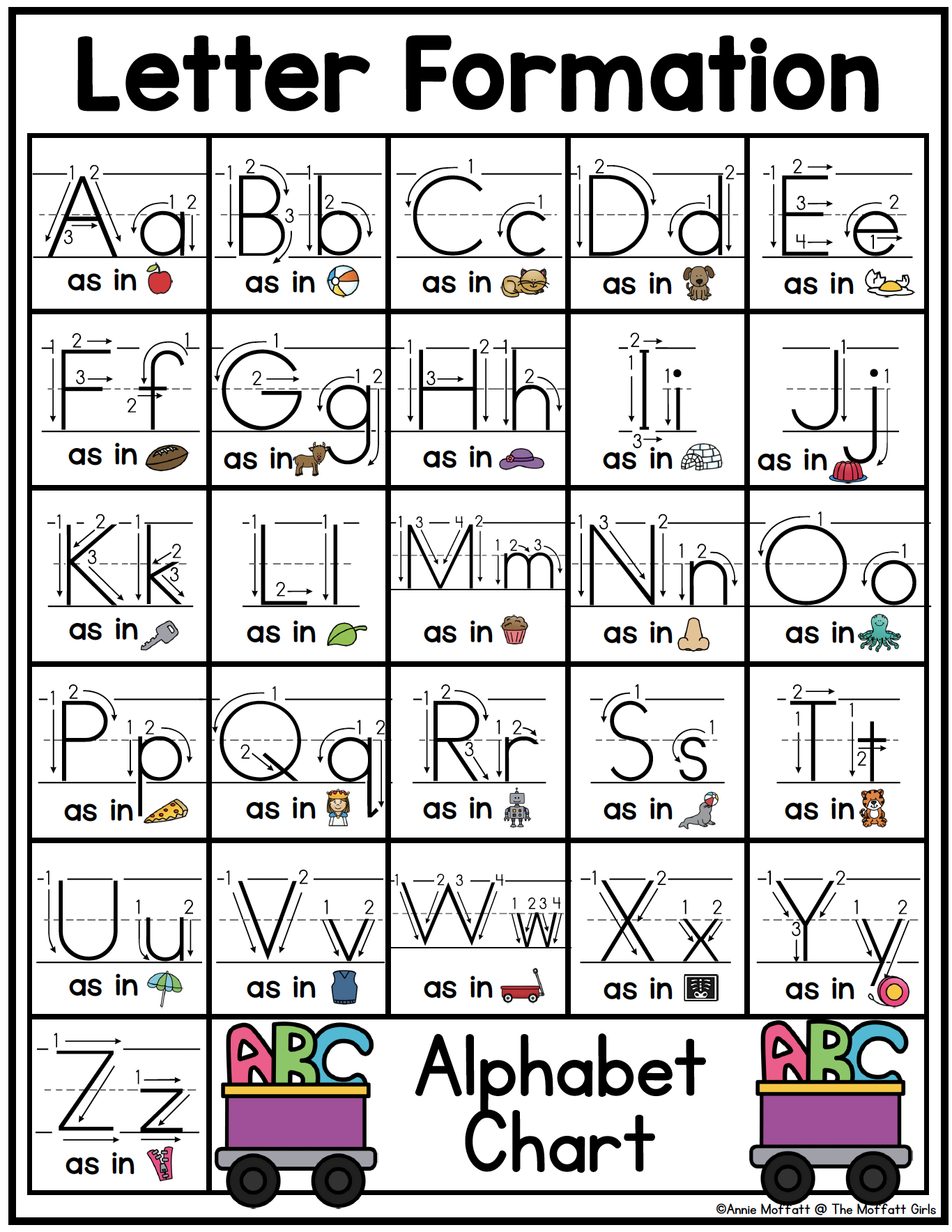
Understanding the Importance of Letter Formation
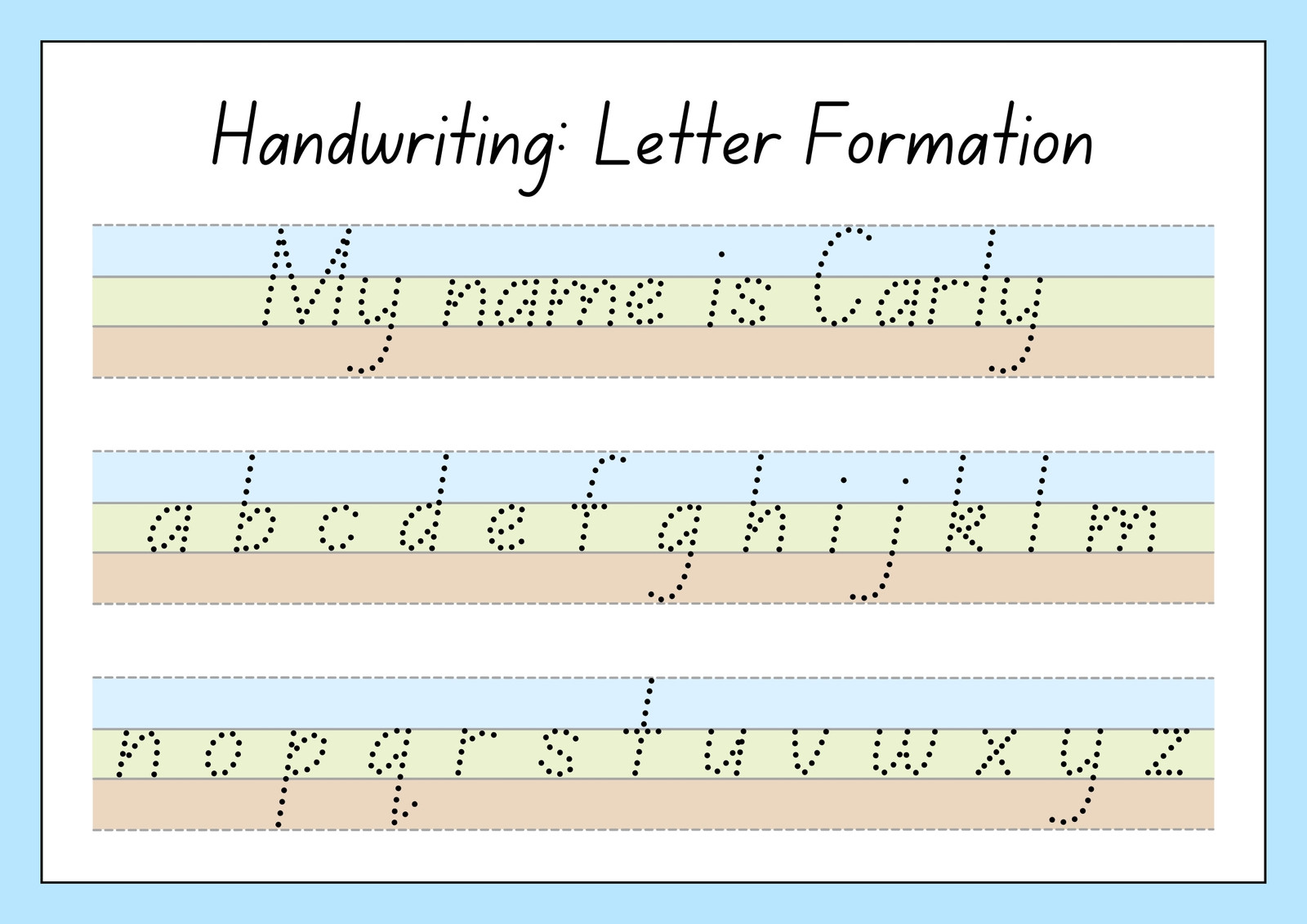
Letter formation is a foundational skill that lays the groundwork for successful writing. When children learn to form letters correctly, they not only improve their handwriting but also enhance their overall literacy skills. Poor letter formation can lead to frustration and difficulties in writing later on. By using Alphabet Letter Formation Worksheets Free, you’re giving your child the tools they need to succeed.
These worksheets typically feature both uppercase and lowercase letters, allowing children to practice each letter multiple times. This repetition is key for muscle memory, which is essential for developing fluent writing skills. As a parent or teacher, you can easily incorporate these worksheets into your daily routine, ensuring that letter formation becomes a regular part of your child’s learning.
How to Use Alphabet Letter Formation Worksheets
Using the worksheets is straightforward, but here are some practical tips to maximize their effectiveness:
- Set Up a Comfortable Workspace: Arrange a quiet and well-lit area where your child can focus. A table or desk works best, with all necessary supplies within reach—pencils, crayons, and the worksheets themselves.
- Incorporate Fun Activities: To keep your child engaged, try pairing the worksheets with fun activities. For instance, after practicing a few letters, you can encourage your child to draw pictures that start with those letters. This not only reinforces the letters but also builds creativity.
- Use Different Writing Tools: Encourage your child to experiment with various writing tools. Using crayons, markers, or even finger painting can make the practice more exciting. Different tools can also help with the development of fine motor skills.
- Practice Consistently: Consistency is key in developing writing skills. Set aside a specific time each day for handwriting practice. A short 10-15 minute session can be effective without overwhelming your child.
- Provide Positive Feedback: Celebrate your child’s progress, no matter how small. Positive reinforcement will motivate them to keep practicing. Consider using a sticker chart or verbal praise to acknowledge their efforts.
Variations of the Worksheets
Alphabet Letter Formation Worksheets Free come in various formats to suit different learning styles. Here are some common variations you might find:
- Traceable Letters: These worksheets provide dotted letters for children to trace over, helping them learn the correct formation.
- Blank Letter Grids: Ideal for children who are ready to practice writing letters independently, these grids allow for freeform practice while still providing guidelines.
- Interactive Worksheets: Some worksheets incorporate images or prompts that encourage children to think of words associated with each letter, making the activity more engaging.
When choosing a worksheet, consider your child’s current skill level and what format they might find most enjoyable. Mixing different types of worksheets can keep the practice fresh and exciting.
Incorporating Worksheets Into Daily Learning
Integrating Alphabet Letter Formation Worksheets Free into your child’s daily routine doesn’t have to be a chore. Here are some simple ways to do this:
- Morning Warm-Up: Start your child’s day with a quick handwriting warm-up. A few minutes of letter tracing can set a positive tone for the rest of their learning.
- Break Time Activities: If your child is getting restless during a longer learning session, take a short break with a handwriting worksheet. It can provide a change of pace while still being educational.
- End-of-Day Review: Use the worksheets as a way to recap what your child has learned throughout the day. Ask them to write letters that correspond to subjects they studied, reinforcing both handwriting and content knowledge.
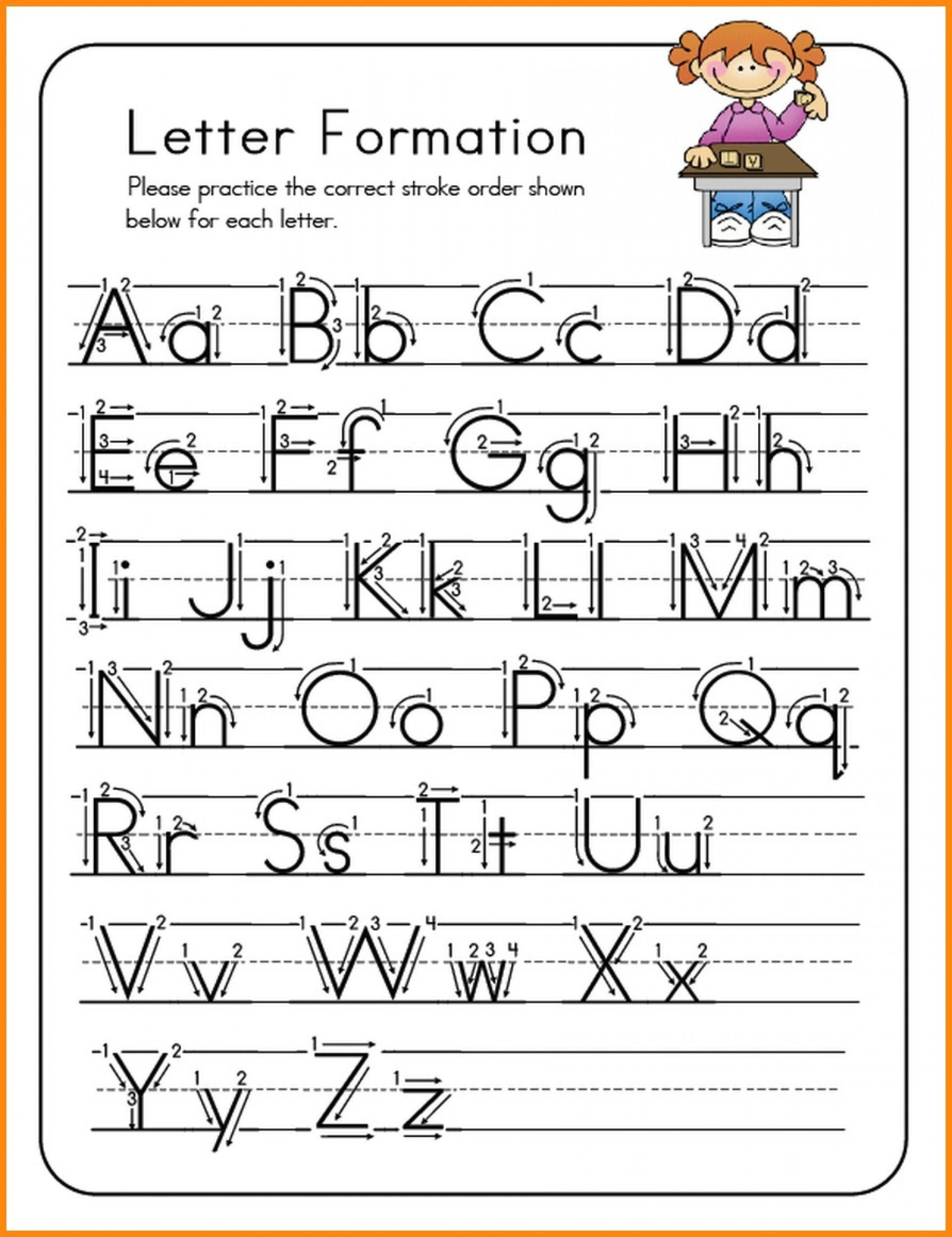
Choosing the Right Paper and Tools
When it comes to printing your worksheets, a few practical considerations can enhance the experience:
- Paper Type: Standard printer paper works well for everyday use, but if your child is using markers or crayons, consider using thicker cardstock. This prevents bleed-through and gives a sturdier writing surface.
- Printable Size: Most worksheets are formatted for standard letter size (8.5 x 11 inches), which fits most home printers. However, if you have a larger format printer, you can scale the worksheets up for bigger letters, which can be helpful for younger children still developing their motor skills.
- Laminating for Reuse: If you want to make the worksheets reusable, consider laminating them. This allows your child to practice with dry-erase markers, making it easy to wipe clean and practice over and over again.
By focusing on these practical elements, you can create a productive and enjoyable learning environment for your child.