
Teaching young children the alphabet can be a rewarding experience, and Alphabet Letter B Space Worksheets provide an excellent resource for this purpose. These worksheets are tailored to help children recognize, write, and understand the letter “B” in a fun and engaging way. They are suitable for preschool and early elementary students, typically ages 3 to 6. Utilizing these worksheets can enhance your classroom activities or home learning sessions, making them an essential part of your educational toolkit.
Understanding the Importance of Letter Recognition
Letter recognition is a foundational skill that children need to develop early in their academic journey. The ability to identify and write letters is crucial for reading and writing proficiency. Alphabet Letter B Space Worksheets specifically focus on the letter “B,” helping children to grasp its shape, sounds, and usage in words.
When children work with these worksheets, they engage in various activities that reinforce their learning. These can include tracing the letter, coloring images that start with “B,” and even forming words. Such activities not only make learning enjoyable but also cater to different learning styles—visual, auditory, and kinesthetic.
Engaging Activities in Alphabet Letter B Space Worksheets
The worksheets typically include a variety of activities that can keep children engaged. Here are some common types of exercises you might find:
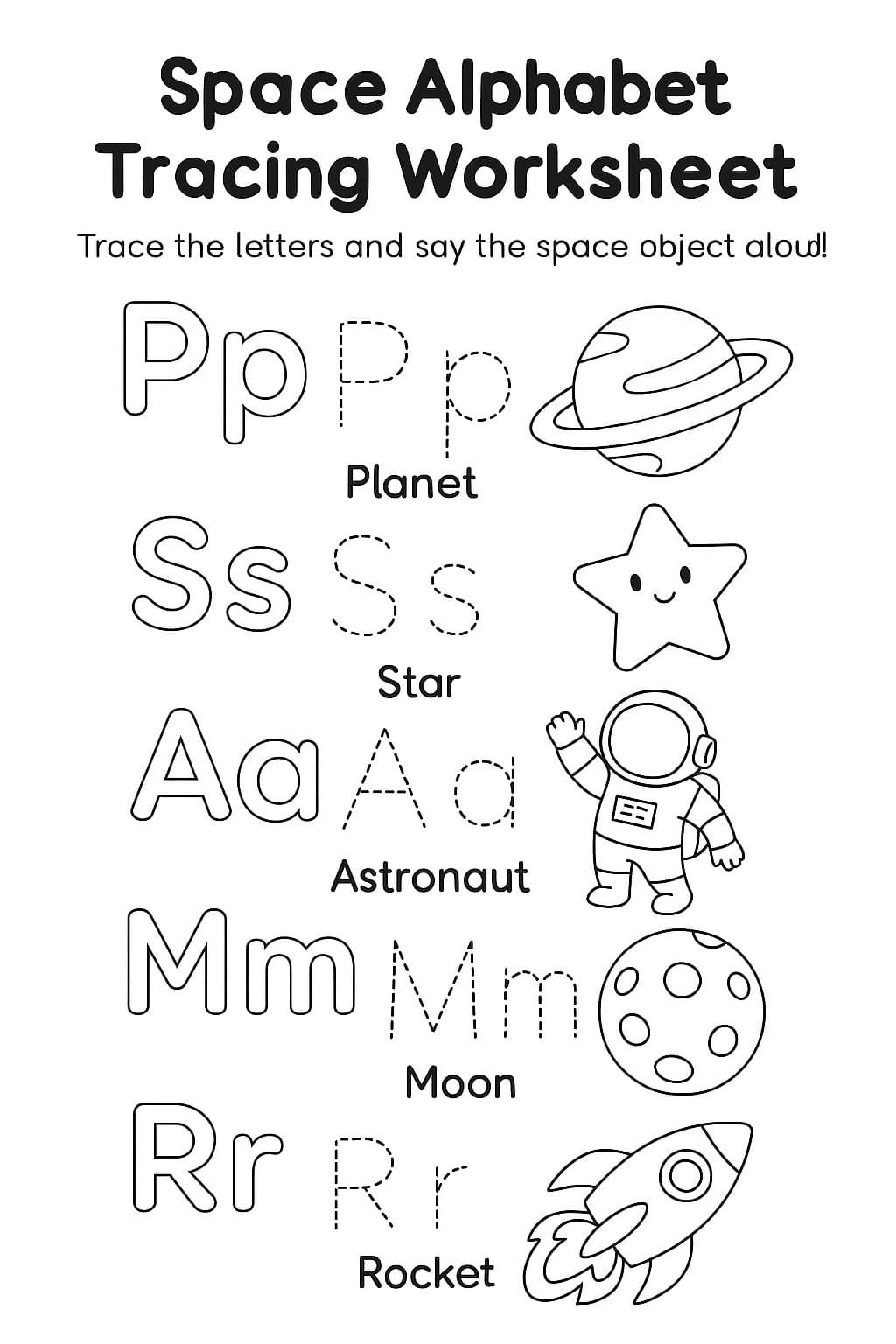
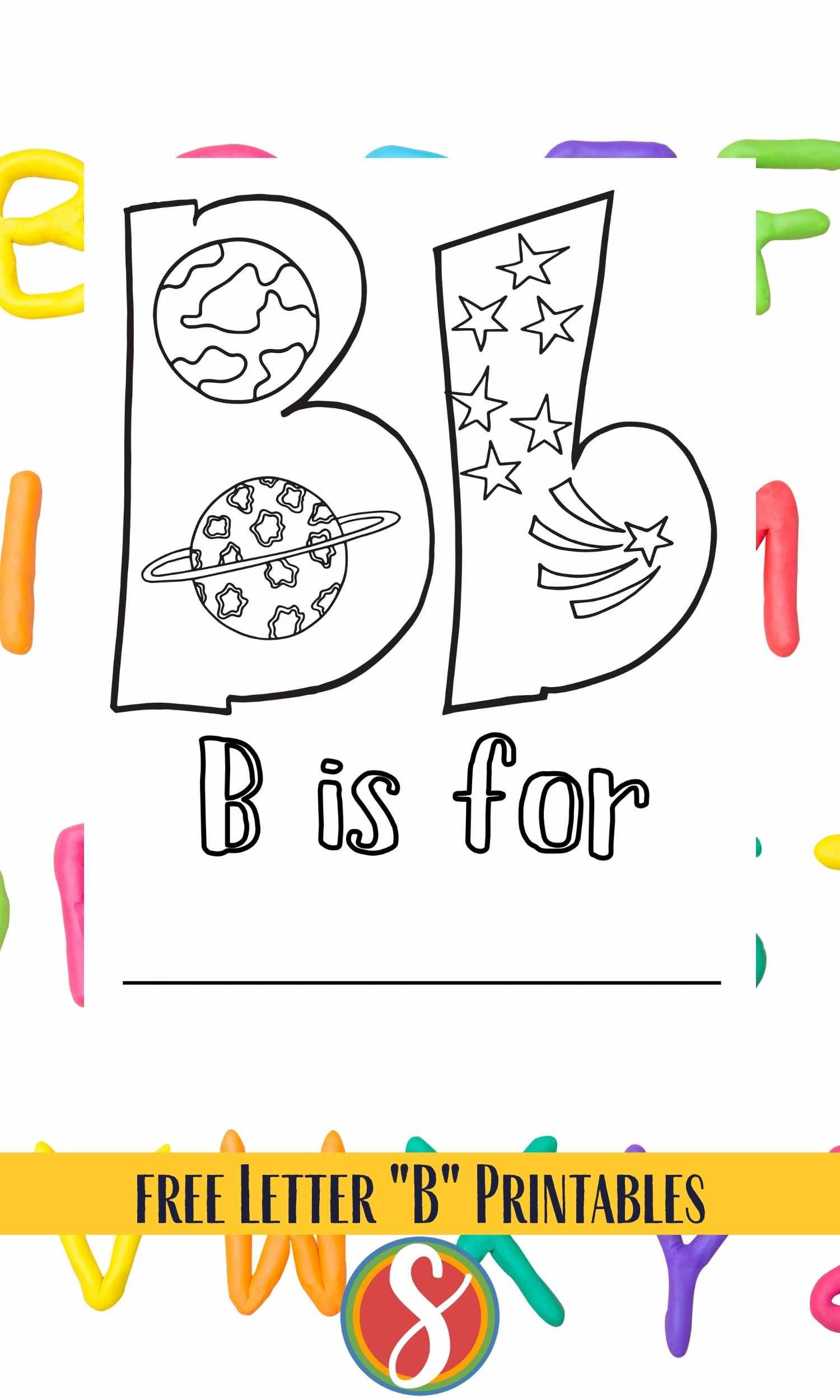
- Tracing: Children can trace uppercase and lowercase “B,” which helps improve their fine motor skills and reinforces letter formation.
- Coloring: Worksheets may feature images of objects that begin with the letter “B,” such as balloons, bears, or books. Coloring these images adds an artistic element to learning.
- Matching Games: Some worksheets include matching activities where children connect the letter “B” to corresponding pictures or words.
- Writing Practice: Lines for free writing or blank spaces encourage kids to practice writing the letter on their own.
Including a mix of these activities helps maintain interest and reinforces learning through repetition and creativity.
Printing and Preparing Your Worksheets
When considering how to use Alphabet Letter B Space Worksheets, it’s vital to think about printing options. You’ll want to print in bulk if you’re working with a classroom setting or have multiple children at home. Here are a few practical tips for printing:
- Paper Type: Standard printer paper (8.5 x 11 inches) usually works well, but cardstock can provide durability, especially if you plan to laminate the worksheets for repeated use.
- Printer Settings: Ensure your printer is set to print in high quality for clearer images and text. If you’re using color, make sure you have enough ink.
- Layout: Portrait layout tends to work best for worksheets. If you have multiple worksheets, consider printing them back-to-back to save paper.
Once printed, you can organize the worksheets into a binder or folder for easy access. This setup can also help you keep track of which activities have been completed.
Incorporating Worksheets Into Your Teaching Routine
How you incorporate Alphabet Letter B Space Worksheets into your teaching routine can significantly affect their effectiveness. Here are some strategies to consider:
- Daily Practice: Integrate a worksheet into your daily routine. This could be the first activity of the day or a fun end-of-day exercise. Consistency helps reinforce learning.
- Group Activities: Use the worksheets in small groups to encourage collaboration. Children can share ideas about words that start with “B” or help each other with tracing and writing.
- Feedback and Review: After the children complete their worksheets, take time to review their work. Providing immediate feedback can boost their confidence and understanding.
Additional Resources for Teaching the Letter B
While Alphabet Letter B Space Worksheets are great, complementing them with other resources can enhance the learning experience. Consider these additional tools:
- Books: Read books that feature the letter “B” prominently. This not only reinforces recognition but also builds listening skills.
- Songs and Rhymes: Incorporating songs that focus on the letter “B” can make learning more dynamic. Children often enjoy singing and moving to music.
- Interactive Games: Use online resources or apps that focus on letter recognition. Many educational platforms offer games that can be played on tablets or computers.
By combining worksheets with these additional resources, you create a well-rounded educational experience that keeps children engaged and excited about learning.