
In a cozy living room, a toddler named Emma sits cross-legged on the floor, surrounded by colorful crayons and a stack of papers. Today’s activity is special: Alphabet Learning Worksheets For Toddlers are spread out before her, each designed to make learning letters fun and interactive. These worksheets not only capture her attention but also help her build essential literacy skills in a playful environment.
Importance of Alphabet Learning Worksheets
Alphabet learning worksheets play a crucial role in early childhood education. They provide structured activities that help toddlers recognize and understand letters, paving the way for reading and writing skills. Worksheets designed for young learners focus on various aspects, including letter recognition, phonics, and vocabulary development. They can be easily integrated into daily routines, making learning a seamless part of playtime.
By using these worksheets, caregivers can support toddlers in developing fine motor skills through coloring, tracing, and writing. These activities enhance hand-eye coordination and prepare them for more complex tasks as they grow older. Importantly, the worksheets can be reused, allowing for repeated practice, which is key to mastering the alphabet.
Types of Alphabet Learning Worksheets
When selecting Alphabet Learning Worksheets For Toddlers, it’s beneficial to consider the variety of formats available. Different types cater to different learning styles and objectives, such as:
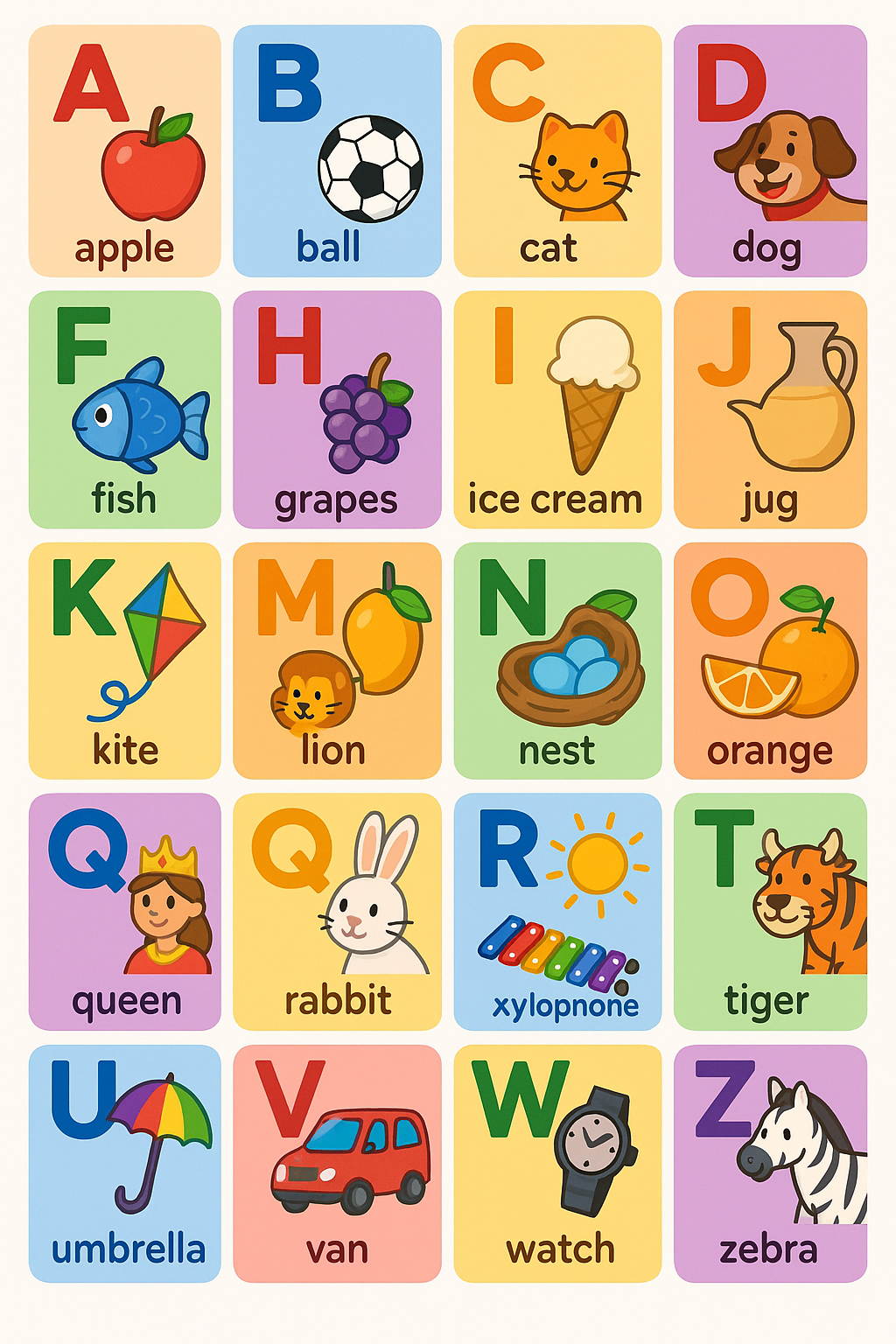
- Coloring Worksheets: These worksheets feature letters surrounded by images that begin with the corresponding letter. For example, an ‘A’ may be accompanied by an apple. Coloring these pictures helps reinforce letter recognition while allowing for creativity.
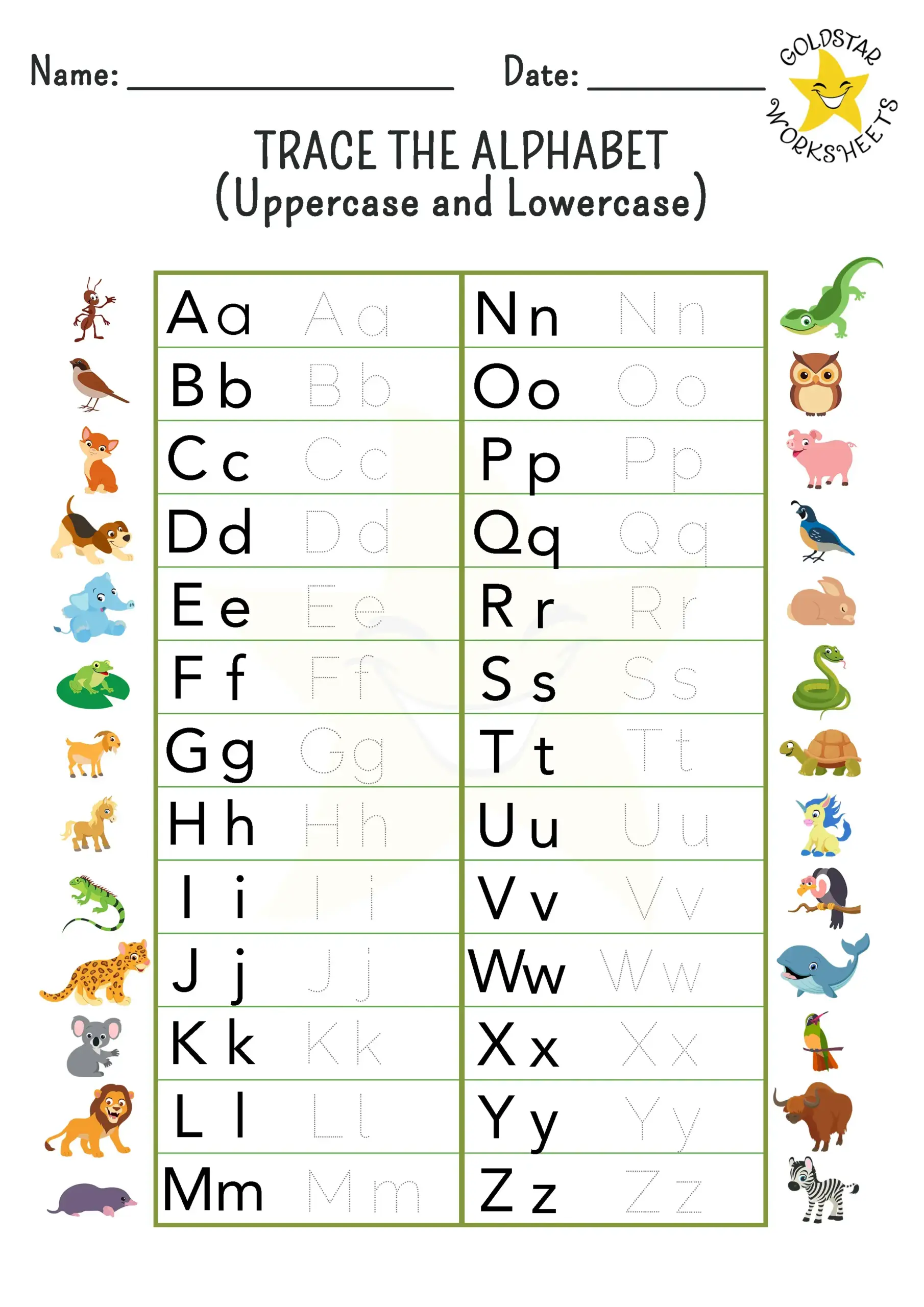
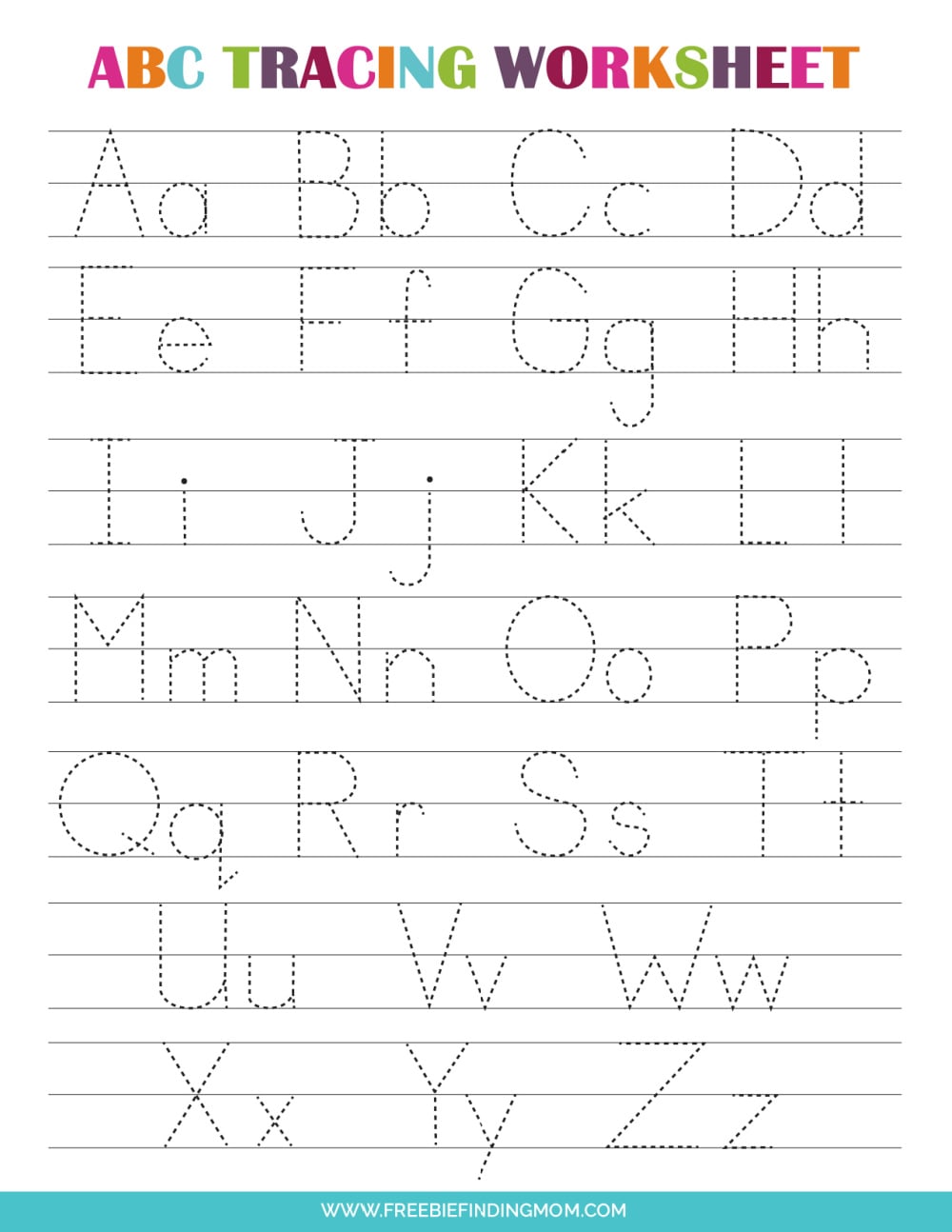
- Tracing Worksheets: Ideal for developing writing skills, tracing worksheets guide toddlers in forming letters correctly. They typically have dotted outlines of letters that children can trace over with crayons or pencils.
- Matching Worksheets: These worksheets encourage toddlers to match uppercase letters with their lowercase counterparts or connect letters with appropriate images. This activity promotes cognitive skills and visual recognition.
- Cut and Paste Worksheets: For a more hands-on approach, these worksheets involve cutting out letters or images and pasting them onto a designated area. This not only solidifies letter recognition but also enhances fine motor skills.
Choosing a mix of these worksheets can provide a balanced approach to alphabet learning, keeping the activities fresh and engaging for toddlers.
Setting Up a Learning Environment
Creating an inviting learning environment can significantly enhance the effectiveness of Alphabet Learning Worksheets For Toddlers. Here are some practical tips:
- Dedicated Space: Set up a specific area in your home for learning activities. This could be a small table with comfortable seating and good lighting. A dedicated space helps signal to the child that it’s time to focus on learning.
- Organized Supplies: Keep crayons, colored pencils, scissors, and glue within easy reach. Organizing supplies not only saves time but also encourages independence as toddlers can select what they need.
- Routine Integration: Incorporating worksheet time into the daily routine can establish consistency. For instance, dedicating 15-20 minutes after lunch for alphabet activities can help toddlers anticipate and look forward to learning.
- Interactive Elements: Adding interactive elements, such as letter magnets or flashcards, can complement worksheet activities. These tools can reinforce learning in a playful manner, making it more enjoyable.
Engaging Activities With Worksheets
To maximize the benefits of Alphabet Learning Worksheets For Toddlers, consider pairing them with engaging activities that reinforce the concepts being taught. Here are a few ideas:
- Storytime Connections: After completing a worksheet, read a story that emphasizes the letters learned. For example, if the worksheet focused on the letter ‘B,’ choose a book with plenty of words starting with ‘B.’ This reinforces the connection between letters and sounds in context.
- Sing the Alphabet: Singing the alphabet song while pointing to letters on the worksheet can enhance memory retention. This multisensory approach combines auditory and visual learning, making it more effective.
- Create a Letter Collage: After working on several worksheets, encourage toddlers to create a collage using cut-out letters from magazines or printed materials. This activity encourages creativity and reinforces letter recognition.
- Use Technology: For those who wish to incorporate technology, consider using educational apps that complement the worksheets. Many apps offer interactive alphabet games that can further engage toddlers.
Tips for Maximizing Learning
To ensure that toddlers get the most out of their Alphabet Learning Worksheets, consider these practical tips:
- Positive Reinforcement: Celebrate achievements, no matter how small. Positive feedback encourages toddlers to enjoy learning and boosts their confidence.
- Be Patient: Learning takes time. If a toddler struggles with a particular letter or activity, take a step back and revisit it later. Patience and encouragement go a long way in building a love for learning.
- Tailor to Interests: Incorporate themes that align with a child’s interests. If a toddler loves animals, use worksheets that feature animal names alongside letters. This personalization makes learning more relatable and engaging.
- Observe Progress: Keep track of the letters a toddler recognizes and their progress over time. This can help tailor future activities and worksheets to target areas that may need more focus.
Where to Find Printable Alphabet Learning Worksheets
Finding high-quality Alphabet Learning Worksheets For Toddlers is easier than ever. Many educational websites offer free or low-cost printable resources. When searching for worksheets, consider the following:
- Quality and Variety: Look for sites that provide a range of worksheets catering to different learning styles and skill levels. The more variety there is, the more engaging the learning experience will be.
- User-Friendly Format: Ensure that the worksheets are easy to download and print. PDF formats are often the most reliable for maintaining formatting.
- Adaptability: Worksheets that can be easily adapted for different skill levels are valuable. Some might include blank spaces for children to draw or write their letters, while others might provide more structured guidance.
- Recommendations: Explore forums or parent groups for recommendations on the best sources for printable worksheets. Community insights can lead to discovering hidden gems.
By utilizing these resources and strategies, caregivers can create a rich learning experience centered around Alphabet Learning Worksheets For Toddlers, fostering a love for reading and writing at an early age.
One immediate action to take is to find a few printable worksheets online, print them out, and set aside some dedicated time for fun learning activities with your toddler. This small step can spark a lifelong passion for literacy.