
As the sun streams through the classroom window, Ms. Thompson watches her students eagerly color in their worksheets. Today’s focus? The wonderful world of letters. Alphabet Learning For Kids Worksheets are a fantastic way to reinforce letter recognition, phonics, and early writing skills in a fun and engaging manner. For teachers and parents alike, these resources can transform learning into an enjoyable experience while providing structure and guidance necessary for skill development.
The Importance of Alphabet Learning
Understanding the alphabet is foundational in a child’s education. Research shows that children who grasp the basics of letter recognition and sounds are better prepared for reading and writing. Worksheets designed for alphabet learning can provide a structured approach to this essential skill. Not only do they help children recognize letters, but they also allow for repeated practice, which is crucial for memory retention.
In a typical classroom or homeschooling environment, integrating these worksheets into daily activities can make a significant difference. For instance, setting aside 15-20 minutes each day for alphabet practice can lead to steady improvement.
Types of Alphabet Learning Worksheets
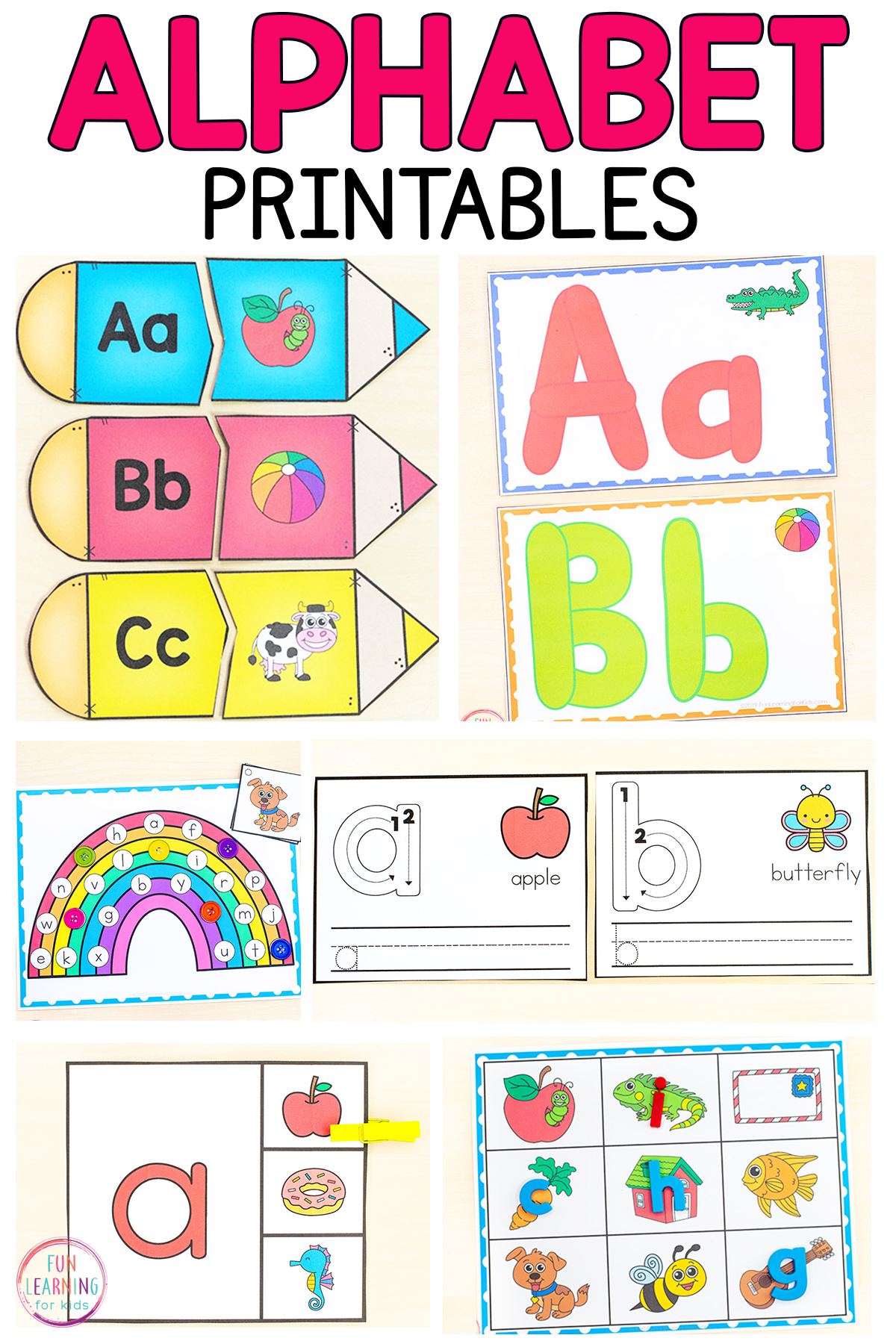
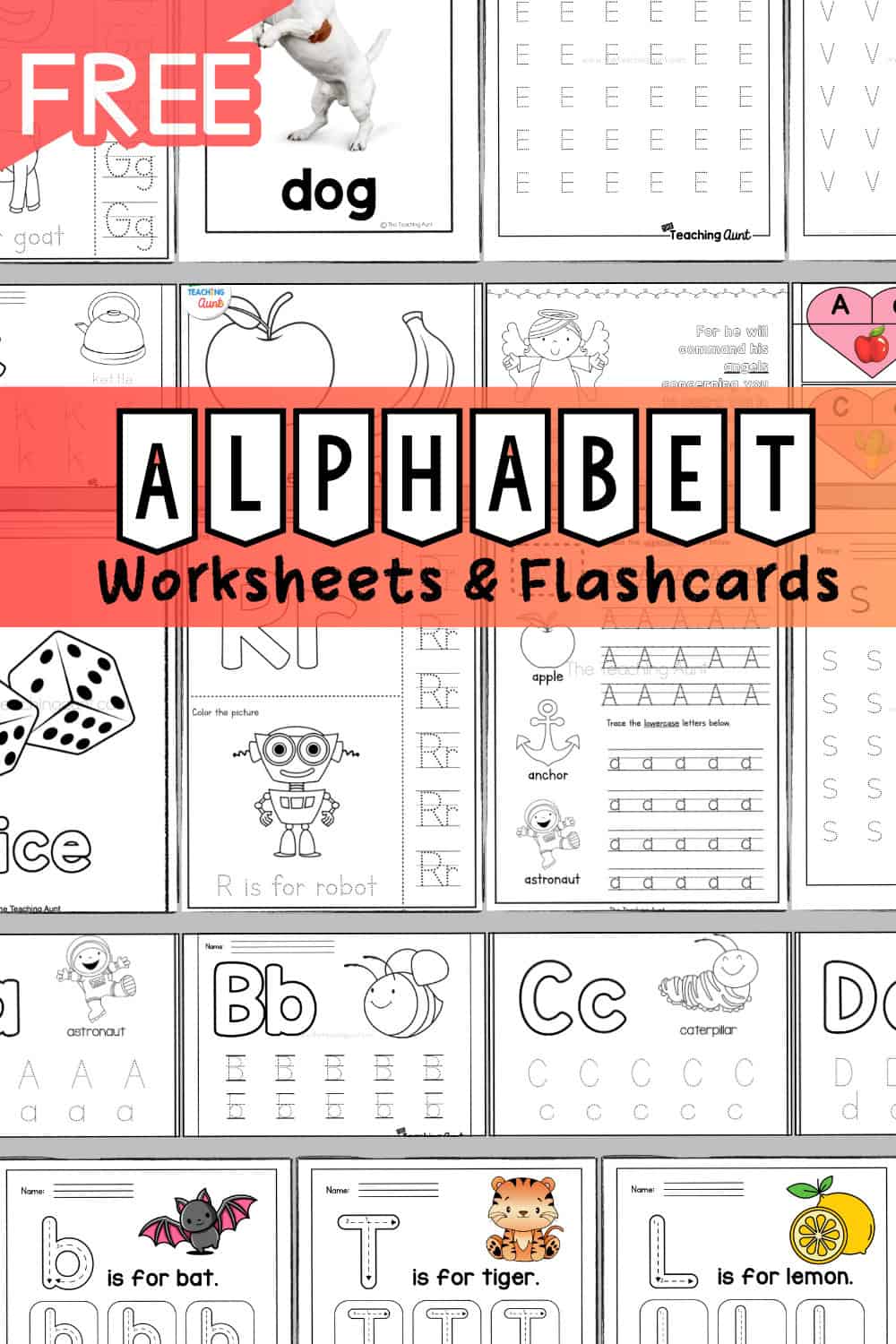
When selecting Alphabet Learning For Kids Worksheets, you’ll find various types designed to target different skills:
- Letter Recognition Worksheets: These often include activities where children identify letters in various formats (uppercase and lowercase) and contexts.
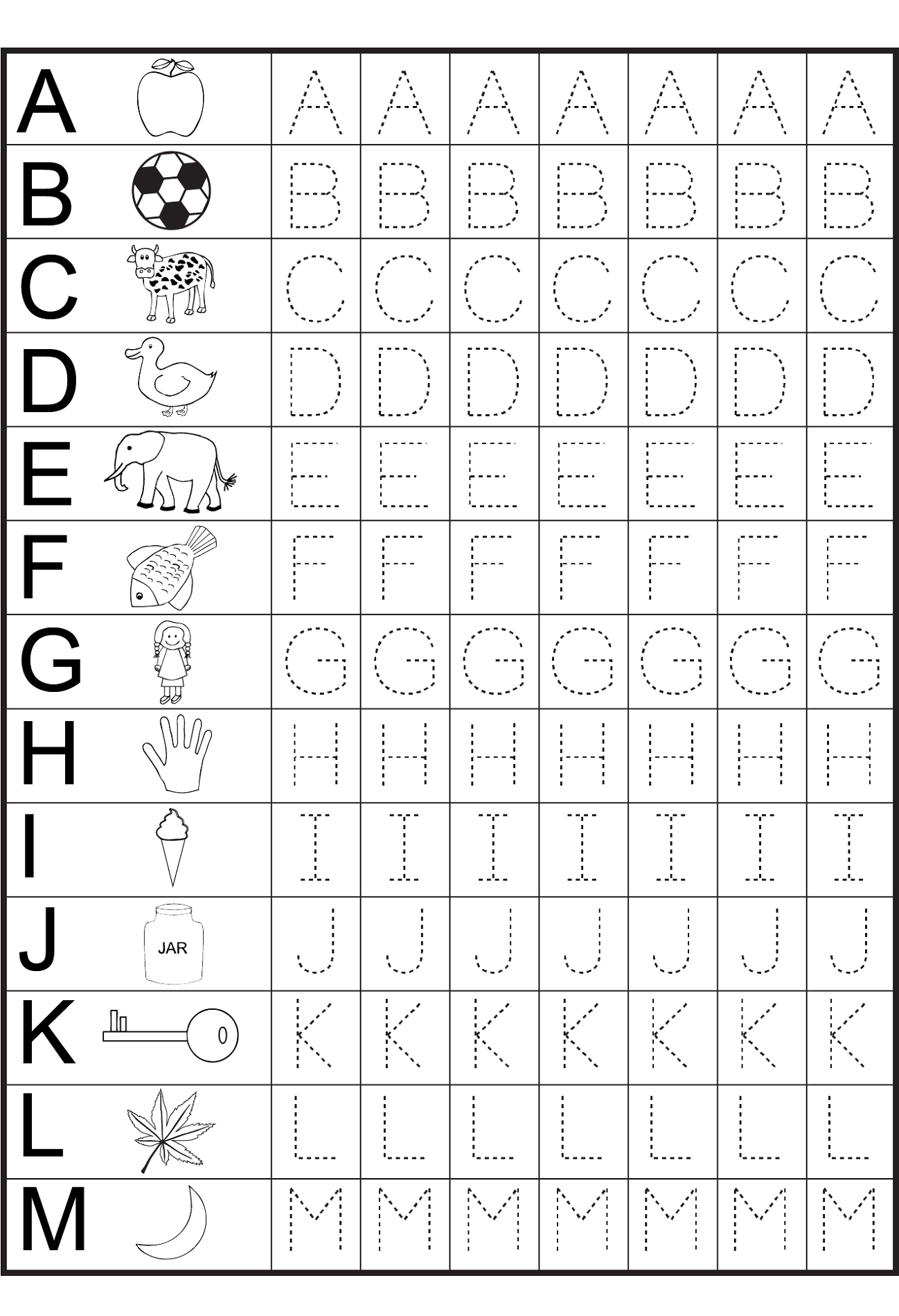
- Letter Tracing Worksheets: Ideal for developing fine motor skills, these worksheets encourage kids to trace letters, reinforcing their shape and structure.
- Coloring Worksheets: Combining art with learning, these allow children to color pictures that begin with a specific letter, helping them connect letters with words.
- Phonics Worksheets: These focus on associating sounds with letters, often including activities like matching letters to corresponding images or sounds.
Each worksheet type serves a unique purpose and can be used in tandem to reinforce learning.
Organizing Alphabet Learning Activities
To maximize the effectiveness of Alphabet Learning For Kids Worksheets, consider organizing activities throughout the week. Here’s a simple plan to get started:
- Monday – Introduction: Introduce a new letter of the week. Use a letter recognition worksheet to help students identify the letter in both uppercase and lowercase.
- Tuesday – Tracing: Provide letter tracing worksheets. Encourage students to trace the letter multiple times to build muscle memory.
- Wednesday – Phonics: Use phonics worksheets that include sound recognition. This could be a matching game where children connect letters with images of objects that start with that letter.
- Thursday – Coloring: Integrate a fun coloring worksheet. Choose images that prominently feature the letter of the week. This keeps the learning light and enjoyable.
- Friday – Review: Close the week with a review session. Use a mix of all worksheets to assess understanding and retention.
This structured approach not only makes learning more manageable but also ensures that children are exposed to the material multiple times, reinforcing their understanding.
Tips for Effective Use of Worksheets
While worksheets can be incredibly beneficial, their effectiveness often hinges on how they are utilized. Here are some practical tips:
- Use Quality Paper: For durability, print worksheets on cardstock if possible. This prevents tearing and allows for repeated use, especially if you plan to laminate them.
- Incorporate Movement: To maintain engagement, consider pairing worksheets with physical activities. For example, have students jump to letters on the floor or pass around a soft toy while saying the letter of the week.
- Provide Feedback: As students work on their worksheets, circulate the room and provide immediate feedback. This helps address mistakes and encourages positive reinforcement.
- Encourage Peer Learning: Allow students to work in pairs or small groups on certain activities. This promotes collaboration and can lead to deeper understanding as they discuss their answers.
Where to Find Printable Worksheets
Finding quality Alphabet Learning For Kids Worksheets is easy with various online resources. Many educational websites offer free downloadable worksheets that can be printed at home or in the classroom. Look for sites that provide PDFs to avoid formatting issues and ensure consistency in printing.
Consider checking educational platforms or teacher resource websites, as they often have curated collections of worksheets tailored for different age groups and learning levels.
Customizing Worksheets for Individual Needs
Not all students learn at the same pace or in the same way. Customizing worksheets can help meet the varying needs of your classroom or home learning environment. Here are a few strategies:
- Differentiation: Provide simpler worksheets for students who may struggle with letter recognition, while offering more challenging activities for advanced learners.
- Add Visuals: Incorporate images or symbols that resonate with your students. This can make worksheets more appealing and relatable.
- Modify Instructions: Adjust the complexity of the tasks based on the student’s skill level. For example, younger children may benefit from worksheets that focus solely on recognition, while older children might engage with phonetic sounds.
By tailoring the worksheets, you can ensure that every child is both challenged and supported in their learning journey.
Engaging Parents With Alphabet Learning
Engaging parents in the learning process can significantly enhance a child’s educational experience. Share the Alphabet Learning For Kids Worksheets with parents and encourage them to participate in their child’s learning at home. Here are a few ideas:
- Homework Packets: Send home a set of weekly worksheets that parents can complete with their children.
- Learning Games: Suggest simple games that reinforce letter learning, such as scavenger hunts for items starting with the letter of the week.
- Progress Updates: Keep parents informed about their child’s progress. This can motivate them to engage more actively in learning activities at home.
By fostering a collaborative environment between home and school, you create a support system that benefits the child’s learning experience.