
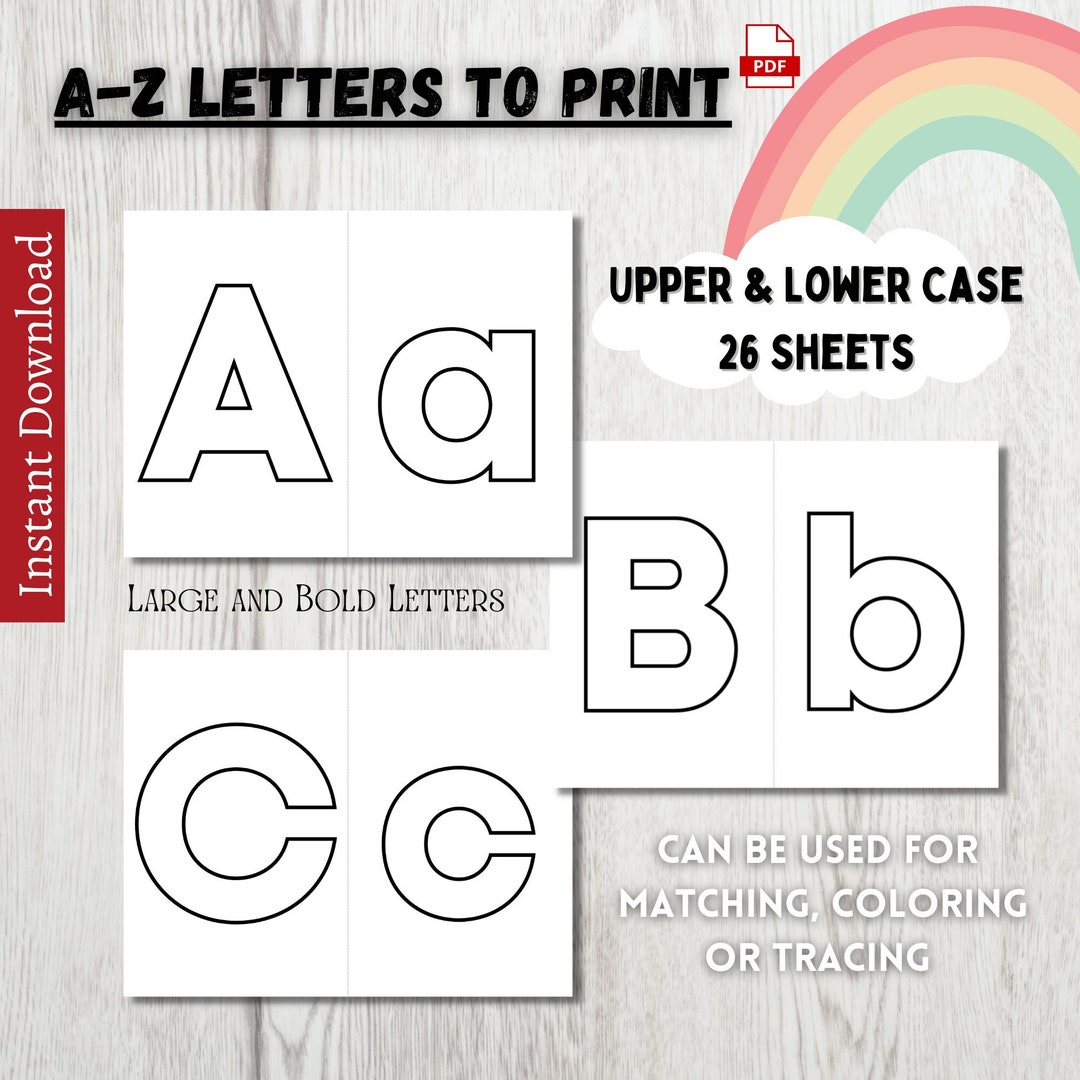
To support young learners in their journey to mastering the alphabet, the Alphabet Large Letters Small Letters Worksheet is an invaluable tool. This resource helps children practice recognizing and writing both uppercase and lowercase letters. It’s particularly useful for preschool and kindergarten teachers, enabling them to track progress and reinforce literacy skills in a fun and engaging way.
Understanding the Importance of Alphabet Practice
Learning the alphabet is a foundational skill for early literacy. Children need to recognize letters, understand their sounds, and learn how to write them. The Alphabet Large Letters Small Letters Worksheet specifically addresses these needs by providing structured practice. When children can distinguish between large and small letters, they are better prepared for reading and writing activities.
Using worksheets like this one allows for repetition and reinforcement, crucial elements in early education. By regularly practicing with these worksheets, children can build confidence in their abilities. This confidence will translate into a more positive attitude toward learning as they progress through their educational journey.
How to Use the Alphabet Large Letters Small Letters Worksheet
Step 1: Downloading and Printing
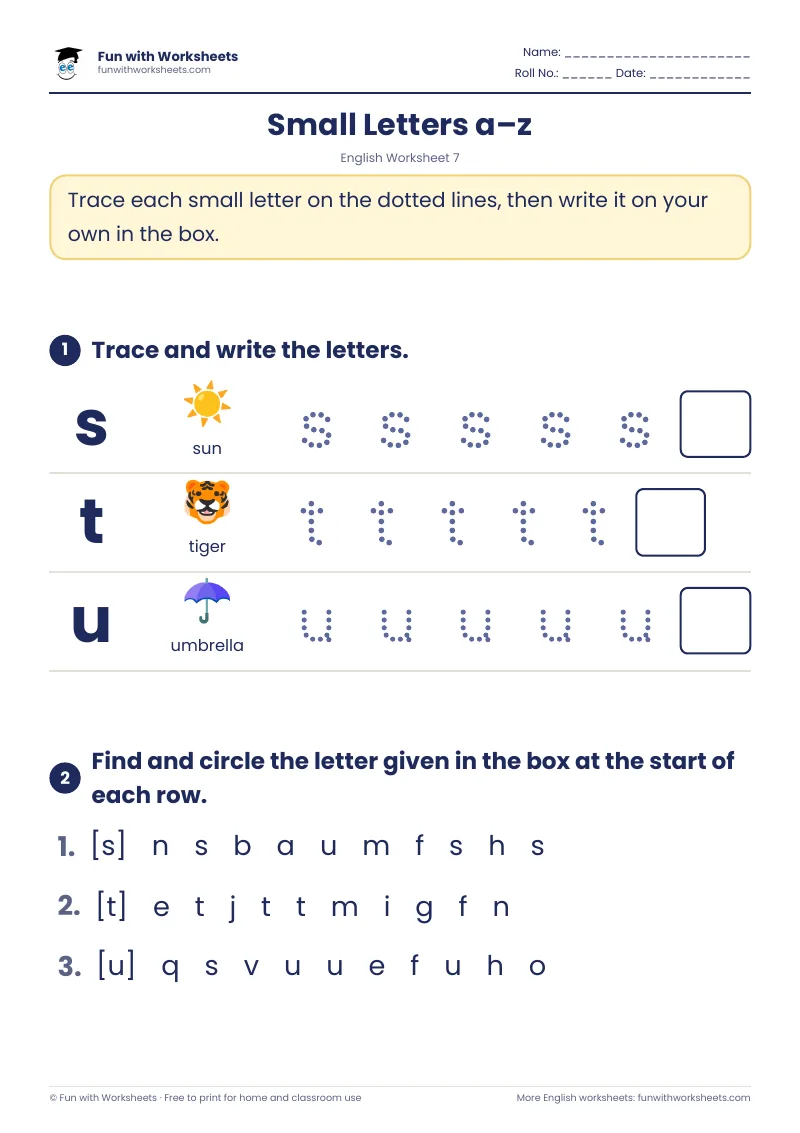
Begin by downloading the Alphabet Large Letters Small Letters Worksheet from your preferred printable-resource website. Ensure you choose the correct format — a PDF is often best, as it maintains the layout regardless of the printer settings. When printing, select the right paper size, typically letter size (8.5 x 11 inches), to fit most standard printers.
Consider using cardstock for durability, especially if the worksheet will be reused or laminated for multiple sessions. If you plan on using markers or crayons, thicker paper can prevent bleed-through.
Step 2: Preparing the Learning Environment
Set up a quiet, comfortable workspace free from distractions. Having a designated area can help children focus better on their tasks. Provide writing tools like pencils, crayons, or markers, and make sure children have access to a clean surface. A clipboard can be helpful if you’re working with multiple worksheets at once.
Step 3: Introducing the Worksheet
Before diving into the worksheet, introduce the letters to the children. You might want to sing the alphabet song or show them flashcards with both uppercase and lowercase letters. This will create a connection between the worksheet and the letters they are learning.
Explain the purpose of the worksheet: they will be practicing writing both large and small letters. Encourage them to say the letter names out loud as they write, reinforcing their learning through auditory and visual means.
Step 4: Engaging With the Worksheet
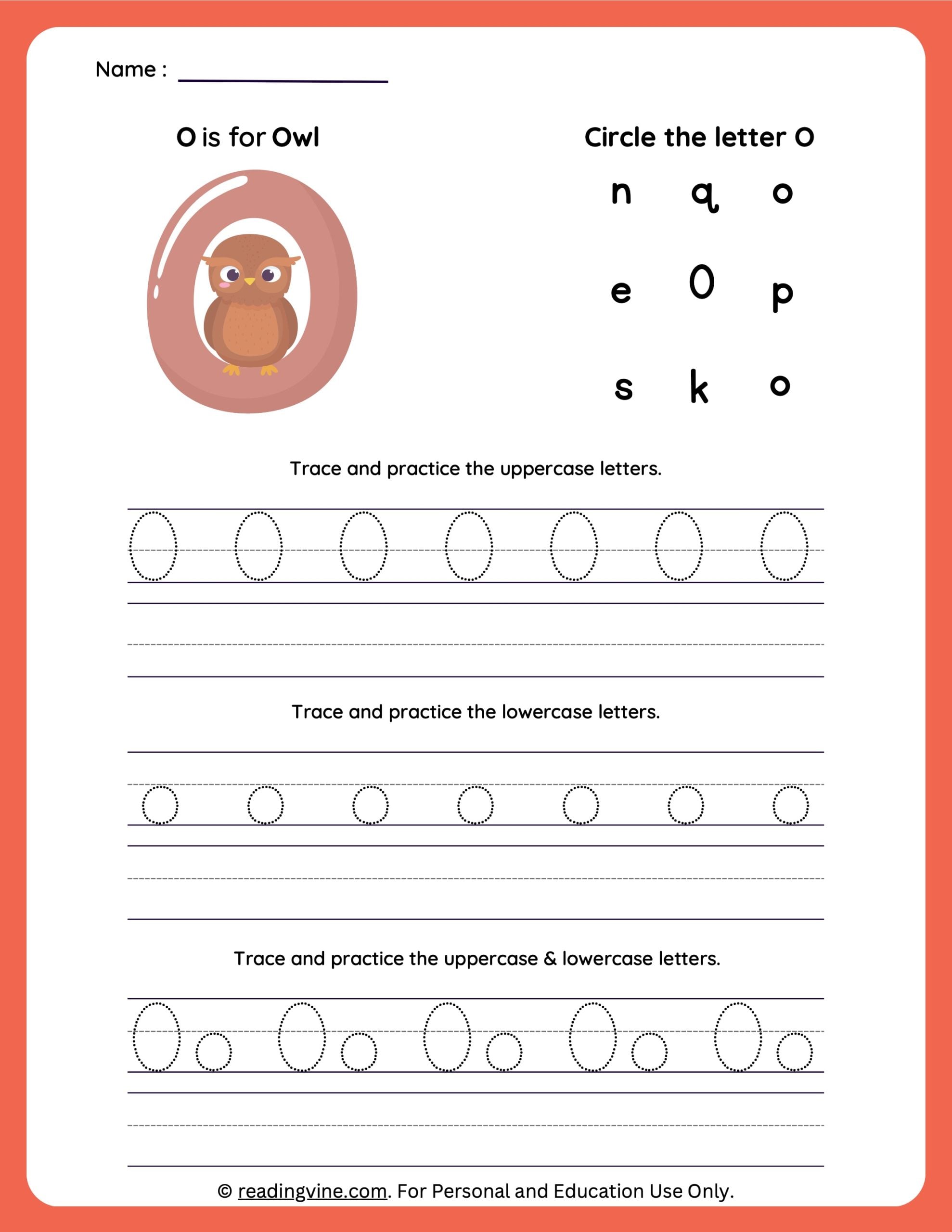
As children begin to fill out the worksheet, guide them through the process. Start with the uppercase letters, allowing them to trace or write them independently. Then, move on to the lowercase letters.
Encourage them to pay attention to letter formation. Remind them to start at the top and follow the correct stroke order. This will help them develop good handwriting habits early on.
Step 5: Tracking Progress
One of the key benefits of using the Alphabet Large Letters Small Letters Worksheet is the ability to track progress. After the children complete the worksheet, review their work. Look for consistent errors, such as letter reversals or incorrect formations.
Provide constructive feedback and praise their efforts. If they consistently struggle with certain letters, consider additional practice resources or activities focused on those specific letters.
Additional Activities to Reinforce Learning
To complement the worksheet, integrate other activities that reinforce letter recognition and writing skills. Here are a few ideas:
- Letter Crafts: Use materials like construction paper, scissors, and glue to create letters. This can be a fun hands-on activity that reinforces letter shapes.
- Alphabet Games: Incorporate games like letter scavenger hunts or letter bingo. These activities can make learning feel more like play, enhancing engagement.
- Storytime: Read books that emphasize the alphabet or include rhymes. This can help children connect letters with sounds and words.
Tips for Effective Use
- Frequency: Regular practice is key. Consider setting aside specific times each week for alphabet practice using the worksheet.
- Variety: Mix up the activities to keep children interested. Use different types of worksheets or incorporate digital resources when appropriate.
- Encouragement: Always celebrate their successes, no matter how small. Positive reinforcement boosts motivation and confidence.
To maximize the benefits of the Alphabet Large Letters Small Letters Worksheet, ensure that it is accessible and engaging. With the right approach, this resource can significantly enhance children’s literacy skills and set a strong foundation for their future learning. Start practicing today, and watch your students thrive!