
Using the Alphabet Info Boxes Strategy Blank Worksheet can significantly enhance your students’ understanding of letters and their corresponding sounds. This resource is designed to help children organize their thoughts and visually connect letters with words. Ideal for preschool and early elementary grades, this worksheet allows students to engage with the alphabet in a fun and interactive way.
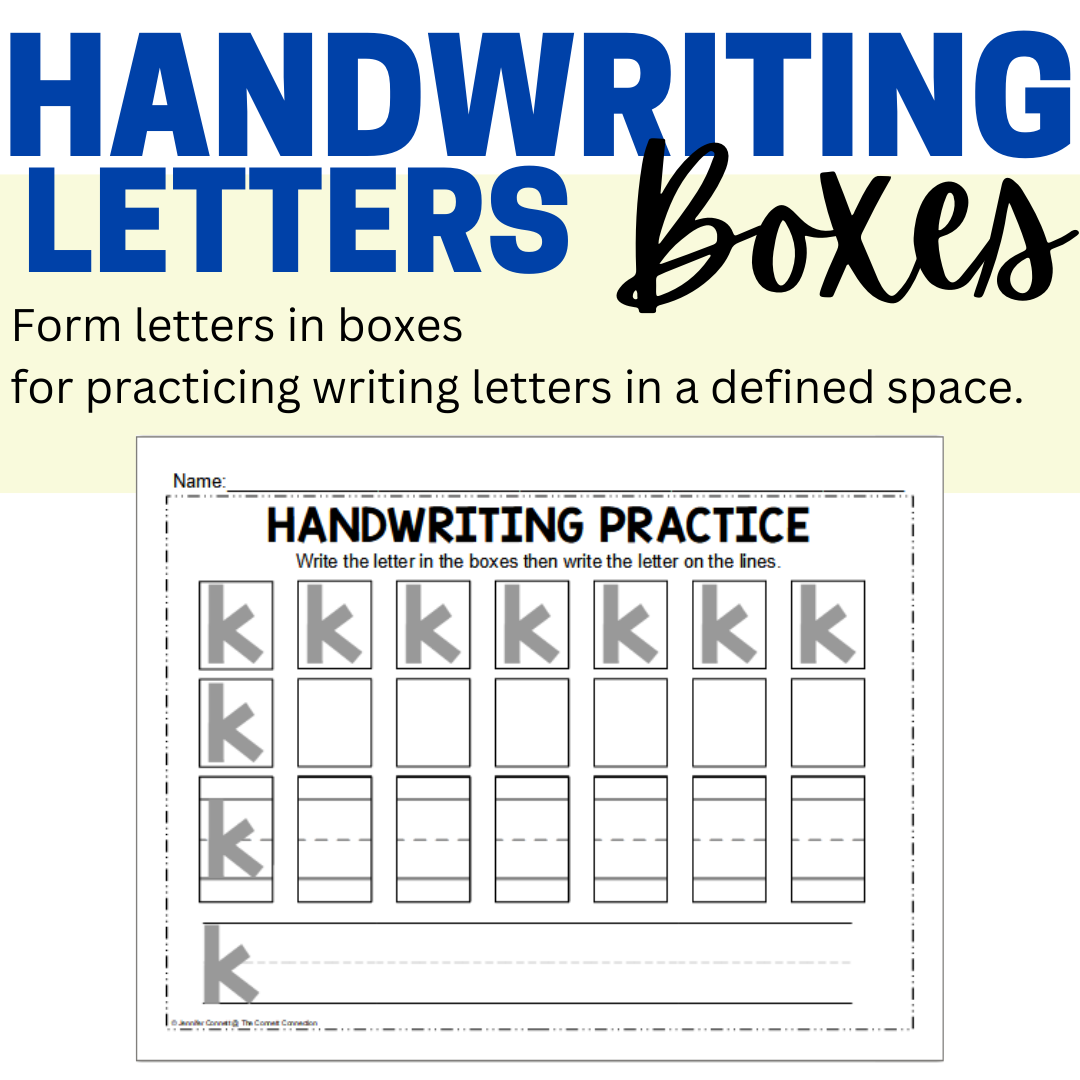
Understanding the Alphabet Info Boxes Strategy Blank Worksheet
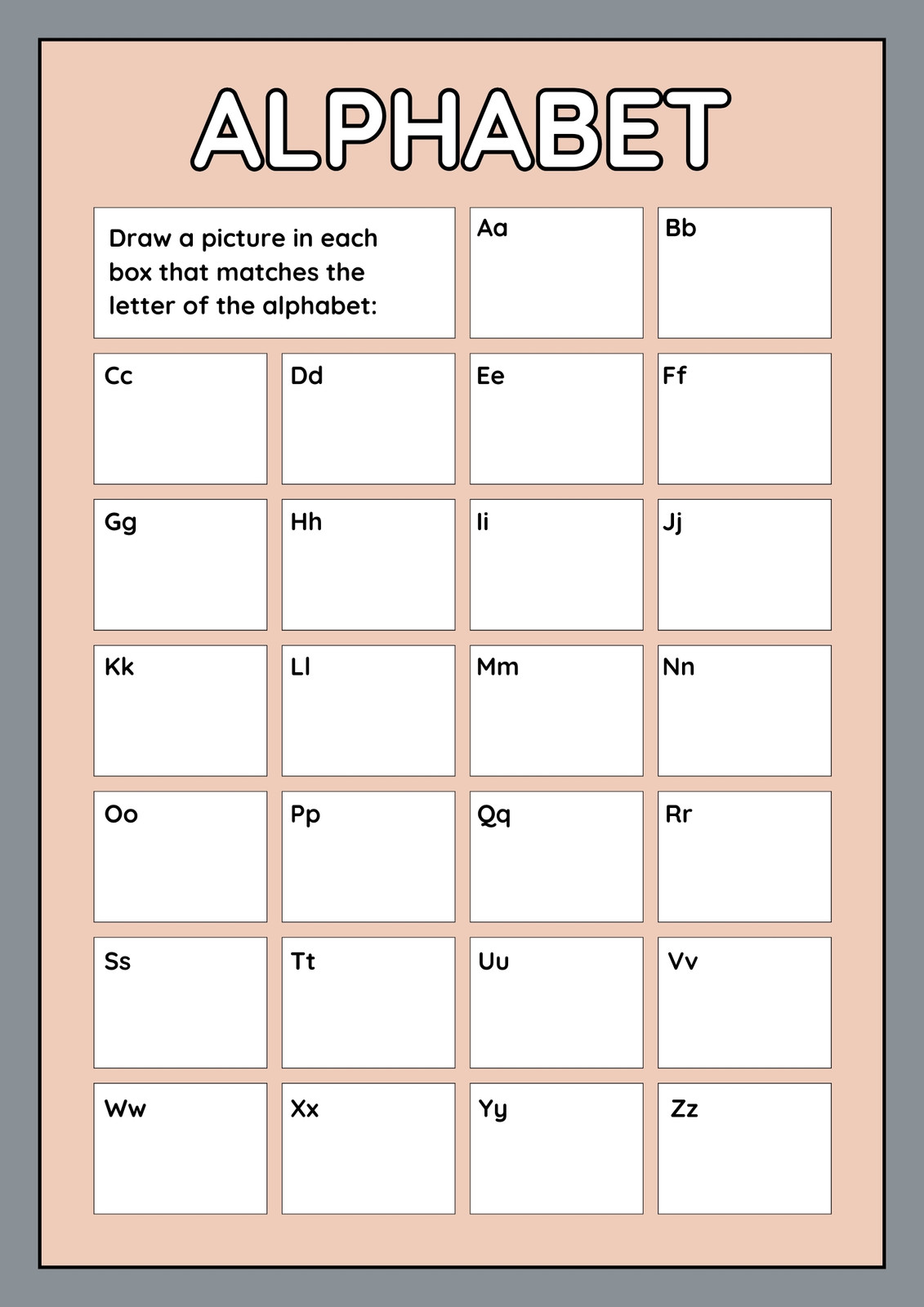
The Alphabet Info Boxes Strategy Blank Worksheet features a simple layout that includes boxes for each letter of the alphabet. Each box is typically large enough for students to write or draw an item that begins with that letter. For example, they might draw an apple in the “A” box or write the word “cat” in the “C” box. This strategy helps reinforce letter recognition and phonetic awareness, essential skills for early literacy.
Why This Resource Matters
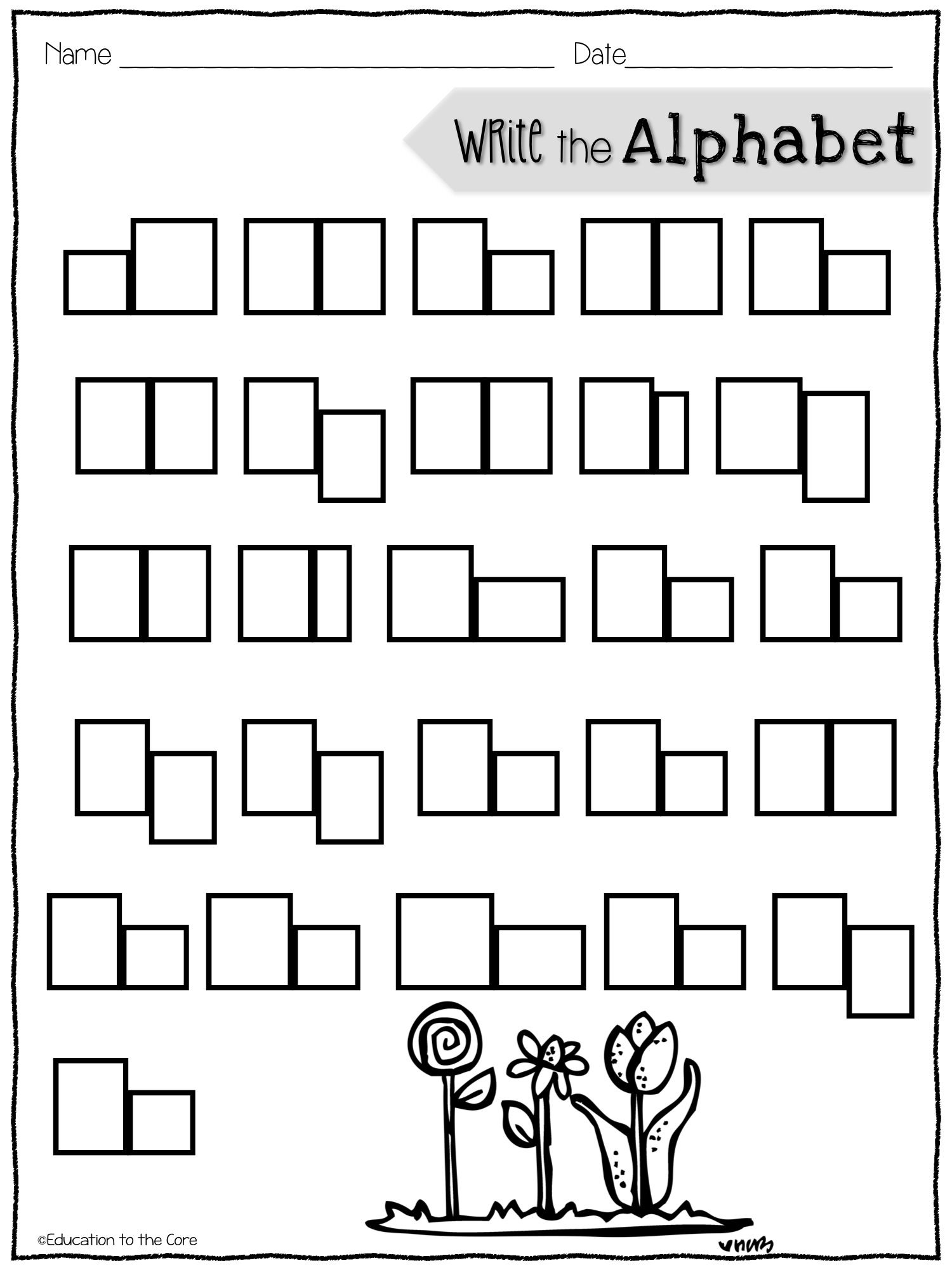
Using this worksheet encourages active participation in learning. Children learn best when they can visualize concepts. By associating letters with images or words, they create mental connections that enhance memory retention. Moreover, this strategy supports various learning styles, making it versatile for classrooms and homeschool environments.
How to Use the Alphabet Info Boxes Strategy Blank Worksheet
Step 1: Download and Print
Start by downloading the worksheet from your preferred printable-resource website. Ensure you select the correct format, typically PDF, to avoid any reformatting issues during printing. For best results, print the worksheet on standard 8.5 x 11-inch paper. If you plan to use the worksheet multiple times, consider printing on cardstock for durability or laminating it for reuse.
Step 2: Set Up for Success
Before introducing the worksheet to your students, take a moment to explain the activity. You might want to model how to use the worksheet by filling in a couple of boxes together. For instance, write the letter “B” and draw a balloon. This demonstration helps clarify expectations and encourages participation.
Step 3: Engage With the Activity
Distribute the worksheets to your students and allow them to fill in the boxes independently or in small groups. Encourage creativity! They can draw pictures or write words that start with each letter. This activity can also be a great opportunity for them to share their drawings or words with the class, fostering a sense of community and pride in their work.
Step 4: Monitor Progress
As students work through the Alphabet Info Boxes Strategy Blank Worksheet, circulate the room to observe their progress. Look for signs of mastery, such as correct letter associations and the ability to generate words independently. If a student struggles with certain letters, provide additional support. This might include one-on-one guidance or offering examples to help them understand.
Assessing Mastery With the Worksheet
To determine if students have grasped the concepts, consider the following indicators:
- Correct Letter Associations: Are students consistently associating the correct images or words with each letter?
- Phonetic Awareness: Do they recognize the initial sounds of words they choose?
- Creativity and Engagement: Are they excited about the activity? Do they take time to express their ideas in their drawings or writing?
If you notice a student struggling with specific letters, plan follow-up activities that reinforce those concepts. This might include additional worksheets, letter games, or interactive activities that focus on those letters.
Variations to Enhance Learning
While the Alphabet Info Boxes Strategy Blank Worksheet is effective on its own, consider these variations to deepen learning:
- Thematic Learning: Choose a theme for the week (e.g., animals, food) and encourage students to find words that relate to that theme for each letter.
- Group Activities: Turn this into a group project where students can work together to fill in the boxes and discuss their choices, promoting collaboration and communication skills.
- Art Integration: After completing the worksheet, have students create a collage using pictures cut out from magazines that represent the letters they worked with.
By incorporating these variations, you can keep the activity fresh and engaging, while also catering to different learning styles.