
Using Alphabet Homework Sheets For Preschoolers can be an effective way to reinforce letter recognition and phonetic awareness in young learners. These resources are designed specifically for preschool-age children, typically aged 3 to 5, and provide a range of activities that make learning the alphabet both fun and interactive. In this guide, we’ll explore how to effectively utilize these homework sheets in various educational settings, ensuring that your little ones get the most out of their learning experience.
Understanding Alphabet Homework Sheets
Alphabet homework sheets are printable resources that usually feature various activities centered around the letters of the alphabet. They can include tracing, coloring, matching, and sorting tasks that help preschoolers develop their literacy skills. By using these sheets, teachers and parents can provide children with independent practice opportunities that reinforce what they’ve learned in a classroom or home setting.
The activities are designed to be engaging and hands-on, allowing children to learn through play. This approach is crucial for preschoolers, as they often learn best when they are actively involved in their education. You can find these sheets in various formats, including PDFs, which are easy to download and print.
Types of Activities Included in the Sheets
Alphabet homework sheets typically include a variety of activities, each aimed at enhancing a specific skill. Here are some common types of activities you might find:
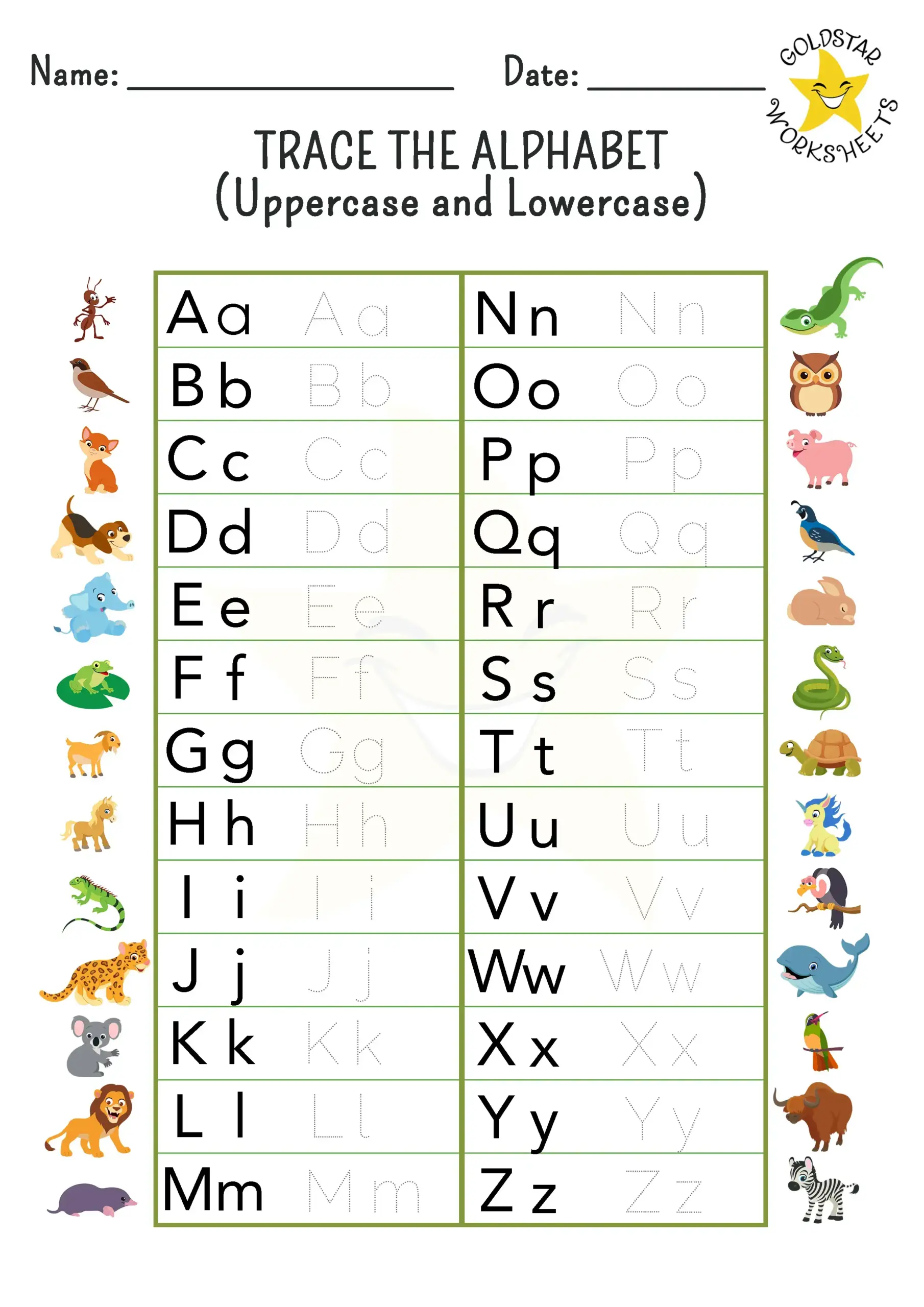
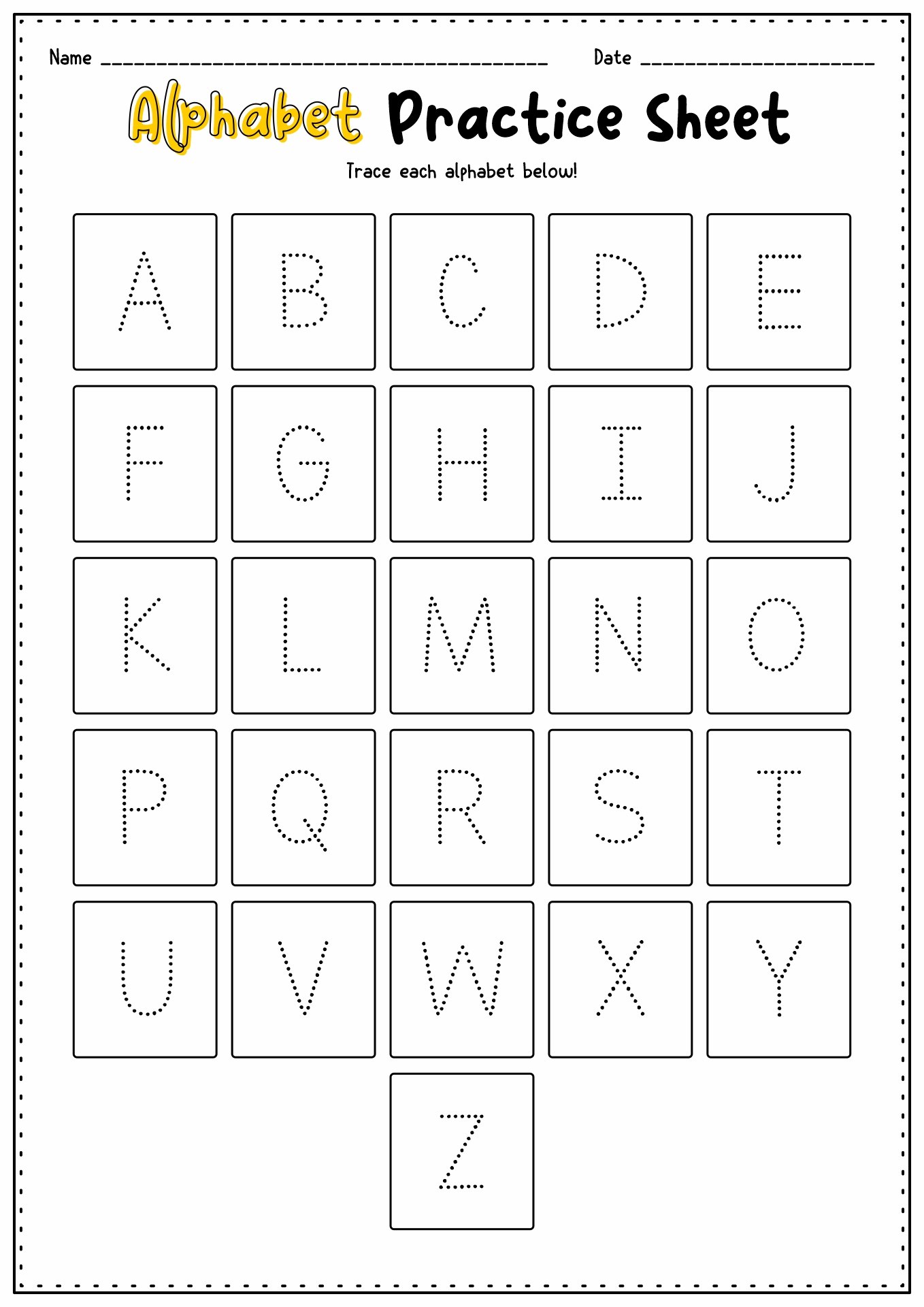
- Letter Tracing: These sheets often have outlined letters that children can trace over with a pencil or crayon. This helps develop fine motor skills while familiarizing them with letter shapes.
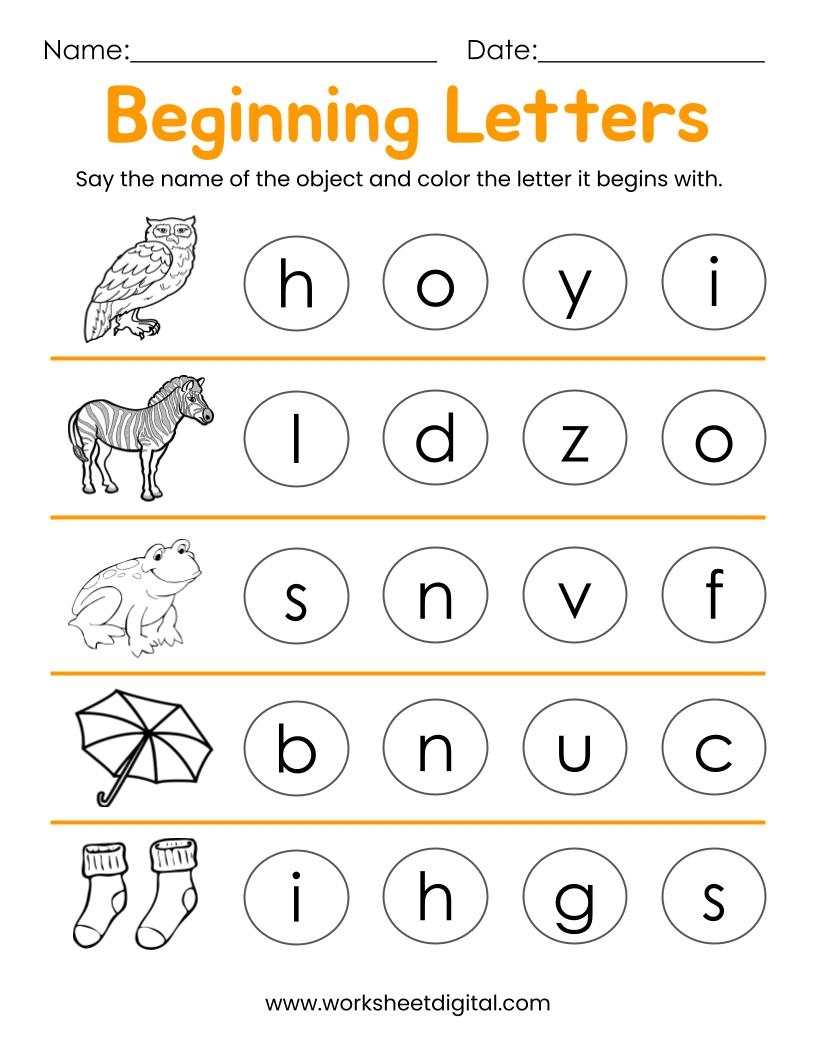
- Coloring Pages: Many sheets feature letters alongside pictures of items that start with that letter, allowing children to color while also learning about letter sounds.
- Matching Games: Some sheets include matching letters with corresponding images or other letters, helping children improve their recognition skills.
- Cut and Paste Activities: These tasks encourage children to cut out letters or images and paste them in the correct order, which can enhance their hand-eye coordination and understanding of letter sequences.
By providing a mix of these activities, Alphabet Homework Sheets For Preschoolers can cater to different learning preferences and styles, ensuring that every child can engage with the material.
Best Practices for Using Homework Sheets
When utilizing alphabet homework sheets, consider the following best practices to maximize their effectiveness:
1. Choose Age-Appropriate Sheets
Select sheets that are specifically designed for preschoolers. The activities should be simple yet engaging, focusing on basic letter recognition and phonics. Avoid sheets that are too advanced, as they may lead to frustration rather than learning.
2. Incorporate a Variety of Activities
To keep children engaged, rotate between different types of activities. This not only maintains their interest but also reinforces learning through multiple approaches. For example, one day could focus on tracing letters, while another could incorporate coloring or matching games.
3. Provide Clear Instructions
Ensure that the instructions on the sheets are clear and easy for young children to understand. Using simple language and visual cues can help them follow along without requiring constant supervision.
4. Encourage Independence
Allow children to work on the homework sheets independently as much as possible. This fosters confidence and encourages them to take ownership of their learning. However, be available to assist if they have questions or need guidance.
5. Utilize in Different Settings
These sheets are versatile and can be used in various settings, including classrooms, homes, or even during travel. This flexibility makes them a valuable resource for reinforcing learning on the go.
Tips for Downloading and Printing
When you download and print Alphabet Homework Sheets For Preschoolers, consider the following tips to ensure the best quality:
- Use High-Quality Paper: Opt for cardstock for durability if the sheets will be used multiple times or laminated. Standard printer paper works well for one-time use.
- Check Printer Settings: Use the portrait layout for most homework sheets, as this format tends to display the content more clearly. Make sure to select the actual size option to avoid scaling issues.
- Test Print: If you’re unsure about the final appearance, do a test print of one sheet. This ensures that the colors and layout are as expected before printing larger batches.
Making Learning Fun With Homework Sheets
Incorporating fun themes into the alphabet homework sheets can significantly enhance engagement. Consider using seasonal themes, animals, or favorite characters to make the sheets more appealing. For example, sheets featuring animals starting with each letter can spark interest and curiosity.
Additionally, pairing these activities with songs or games related to the alphabet can create a more dynamic learning environment. For instance, singing the alphabet song while pointing to the letters on the sheet can reinforce letter recognition through music.
Combining Homework Sheets With Other Learning Resources
While alphabet homework sheets are a fantastic resource, combining them with other learning materials can create a comprehensive educational experience. Consider integrating:
- Storybooks: Reading books that emphasize the alphabet can enhance understanding and spark interest in letters.
- Interactive Games: Utilize online resources or educational apps that focus on letter recognition and phonics to complement the worksheets.
- Hands-On Activities: Incorporate tactile learning by using letter blocks or magnetic letters to reinforce what children practice on the homework sheets.
This multi-faceted approach keeps learning fresh and exciting while reinforcing the skills children are developing through the homework sheets.