
In a bright classroom filled with the chatter of eager learners, Ms. Thompson sets out colorful worksheets on the tables. Today’s focus? Alphabet Handwriting Worksheets Letters Tracing. These worksheets are not just sheets of paper; they are tools designed to help young children master the art of writing letters, which is foundational for their literacy development. With so many printable resources available, these specific worksheets stand out for their structured approach and engaging designs.
Understanding the Importance of Tracing Worksheets
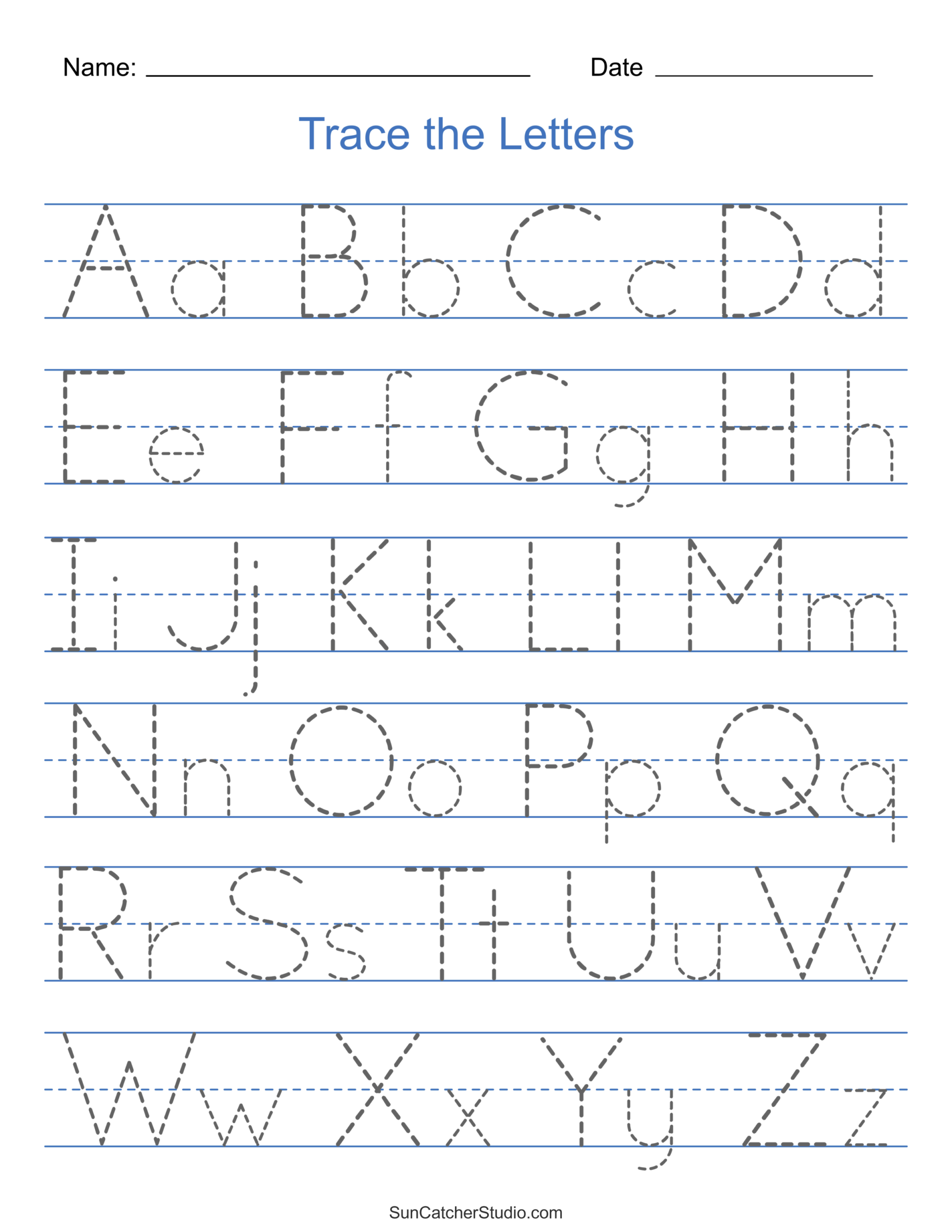
Tracing letters is a vital skill for early writers, typically introduced in preschool or kindergarten. Alphabet handwriting worksheets provide a guided way for children to practice their letters. This method helps in developing fine motor skills, enhancing hand-eye coordination, and fostering an understanding of letter shapes and sounds.
When children trace letters, they learn to control their writing instruments, which is essential for writing fluency. Moreover, the repetitive nature of tracing reinforces memory retention, which is crucial for young learners. Using these worksheets consistently can lead to significant improvements in a child’s writing ability.
Setting Up for Success With Tracing Worksheets
To make the most out of Alphabet Handwriting Worksheets Letters Tracing, consider a few practical tips for setting up the learning environment. Here’s how to create a conducive atmosphere for tracing practice:
- Choose the Right Paper: Use standard letter-sized paper (8.5 x 11 inches) for easy printing and handling. If you plan to laminate the worksheets for durability, consider using cardstock, as it holds up better than regular printer paper.
- Select the Right Writing Tools: Provide children with a variety of writing instruments. Crayons, colored pencils, and washable markers can make tracing more enjoyable. Experiment with different tools to find what your child prefers.
- Create a Routine: Establish a consistent schedule for tracing practice. Short, focused sessions of about 10-15 minutes are ideal for maintaining engagement without overwhelming the child.
- Encourage Proper Posture: Ensure that children sit comfortably at a table with their feet flat on the floor and their backs supported. Good posture aids in developing proper writing habits.
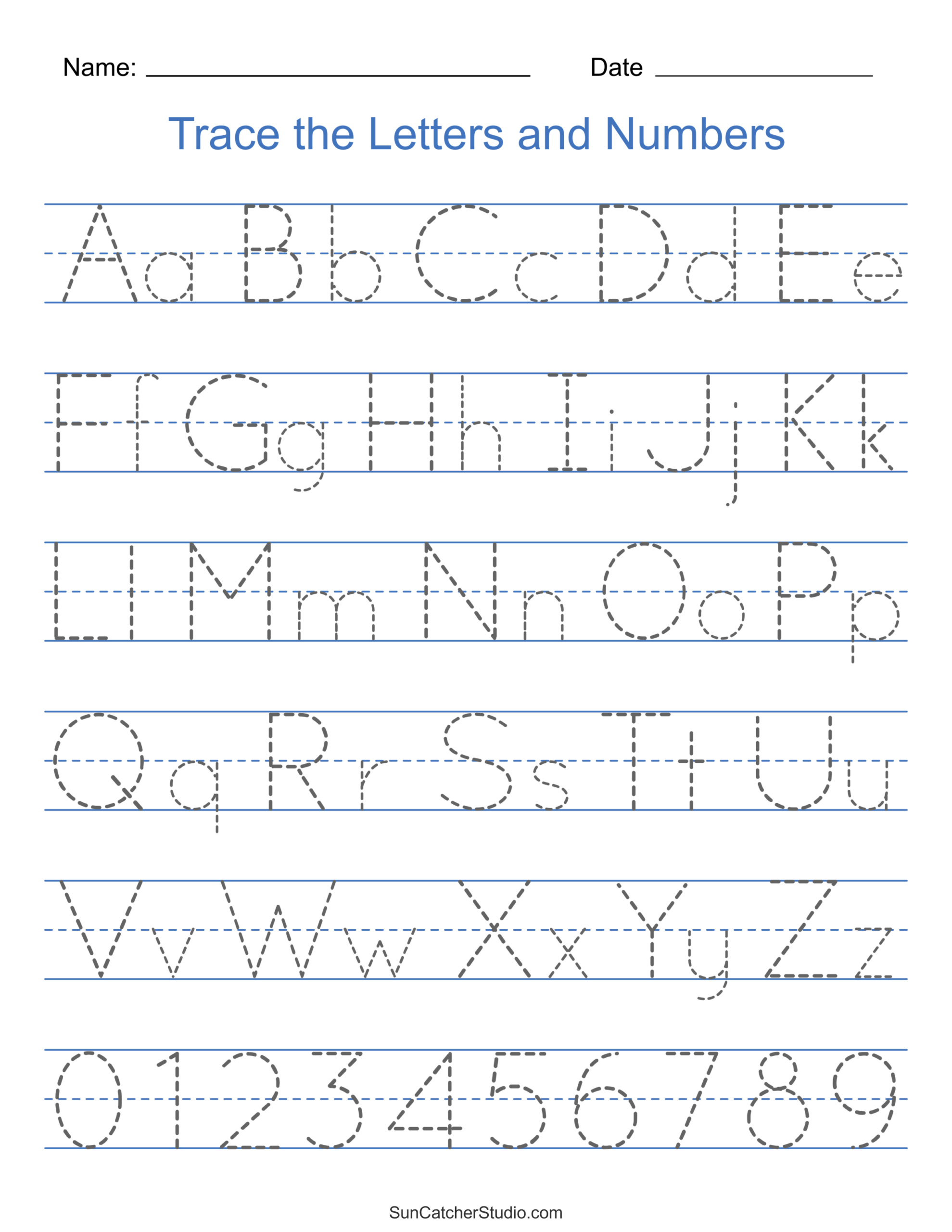
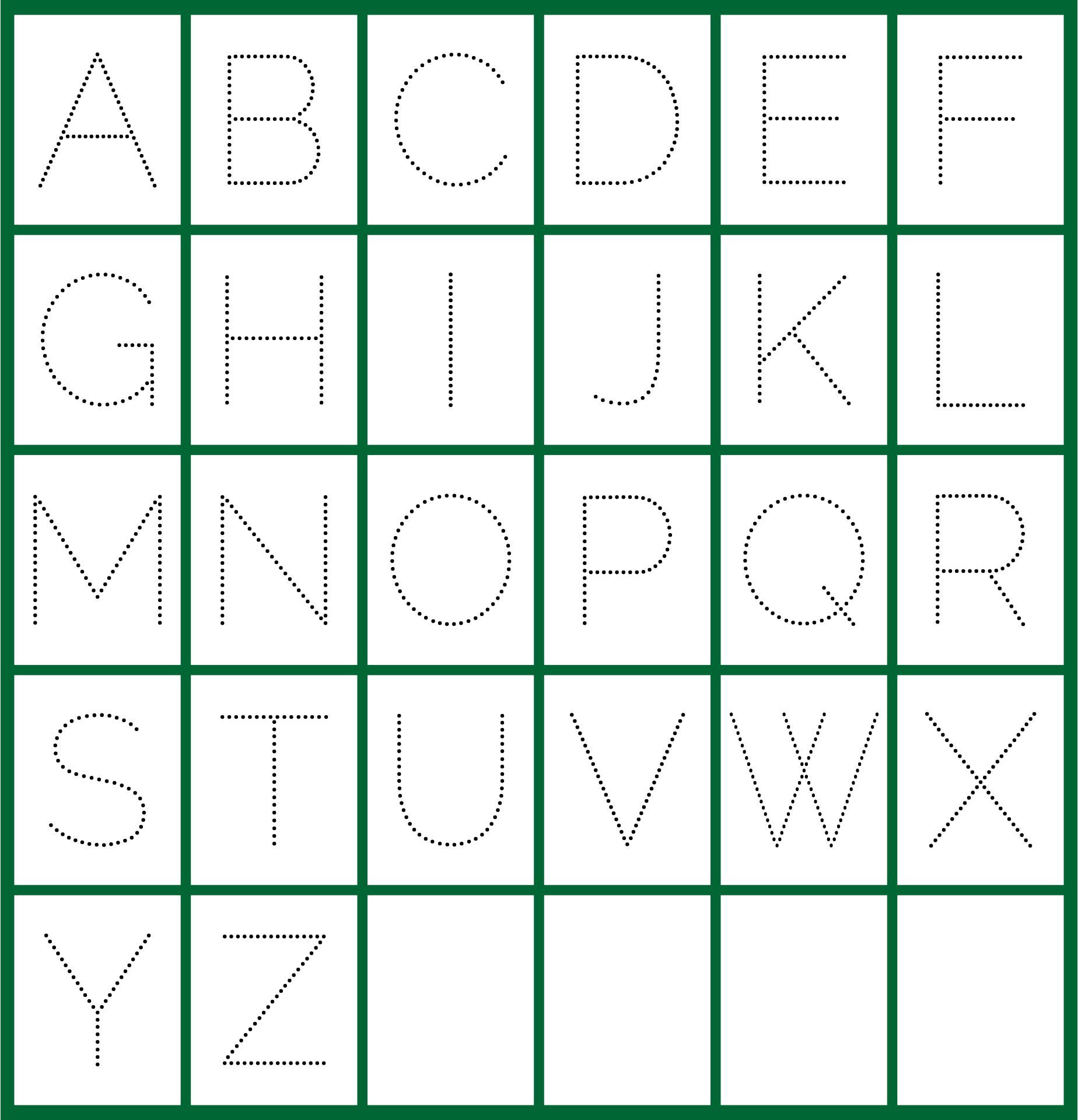
- Use a Variety of Worksheets: Offer different styles of tracing worksheets. Some may include dotted letters, while others might feature fun graphics or themes, which can keep children motivated.
Incorporating Tracing Worksheets Into Daily Learning
Integrating Alphabet Handwriting Worksheets Letters Tracing into your child’s daily routine can enhance their learning experience. Here are some practical ways to do this:
Weekly Tracing Schedule
To ensure consistent practice, create a weekly schedule that incorporates tracing. For instance:
- Monday: Focus on uppercase letters A-F
- Tuesday: Uppercase letters G-L
- Wednesday: Uppercase letters M-R
- Thursday: Uppercase letters S-Z
- Friday: Review all uppercase letters with a fun tracing game
This structured approach allows for gradual learning while reinforcing skills through repetition.
Themed Worksheets for Engagement
Utilize themed worksheets that align with holidays or seasons. For example, during the fall, worksheets could feature pumpkins and leaves alongside tracing letters. This thematic approach can increase enthusiasm and engagement.
Collaborative Learning
Encourage collaborative learning by having children trace letters together. This could be done in pairs or small groups, where they can help each other and share tips on how to improve their handwriting.
Assessing Progress and Celebrating Success
Monitoring a child’s progress is essential in understanding their development in handwriting skills. Here are some ways to assess and celebrate milestones:
- Regular Check-Ins: Set aside time each week to review the completed worksheets. Look for improvements in letter formation and consistency.
- Celebrate Achievements: Create a reward system for completed worksheets. This could be as simple as a sticker chart or a fun outing when a certain number of worksheets are completed.
- Parental Involvement: Engage with your child during tracing sessions. Ask them to read the letters aloud as they trace, linking handwriting practice with phonetics.
Adapting Tracing Worksheets for Different Learning Styles
Every child learns differently, and it’s important to adapt tracing activities to suit various learning styles. Here are some adaptations you can consider:
- Visual Learners: Use brightly colored worksheets with fun images to attract their attention. Highlight the letters they are tracing to reinforce visual recognition.
- Auditory Learners: Incorporate songs or rhymes about the alphabet while tracing. This can help reinforce letter sounds and make learning more interactive.
- Kinesthetic Learners: For children who learn best through movement, try incorporating physical activities. After tracing, have them form letters using playdough or by drawing them in the air with their fingers.
- Tech-Savvy Learners: If your child enjoys using technology, consider printable tracing worksheets that can be filled in digitally. This can make the process more engaging for tech-oriented kids.
By combining these adaptations with the Alphabet Handwriting Worksheets Letters Tracing, you can cater to your child’s unique learning preferences, ensuring they stay engaged and motivated.