
In the world of early childhood education, finding effective resources for teaching handwriting can be challenging. Alphabet Handwriting Pages for Kindergarten stand out as a versatile tool that can significantly enhance a child’s writing skills. These pages are designed specifically for young learners, combining fun and education in a way that promotes both engagement and skill development. Here’s how to effectively implement these resources in your classroom or home.
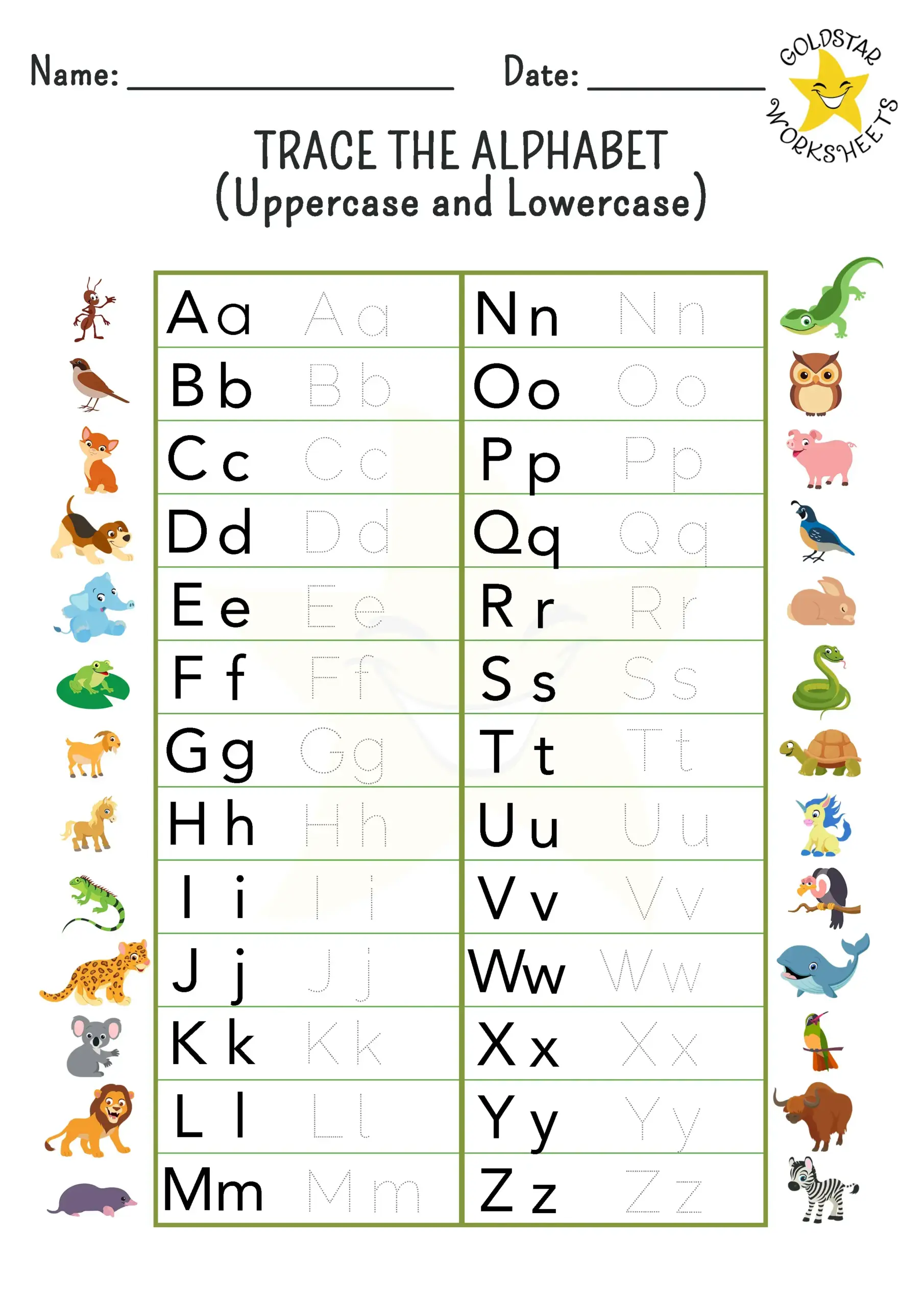
Understanding the Layout of Alphabet Handwriting Pages
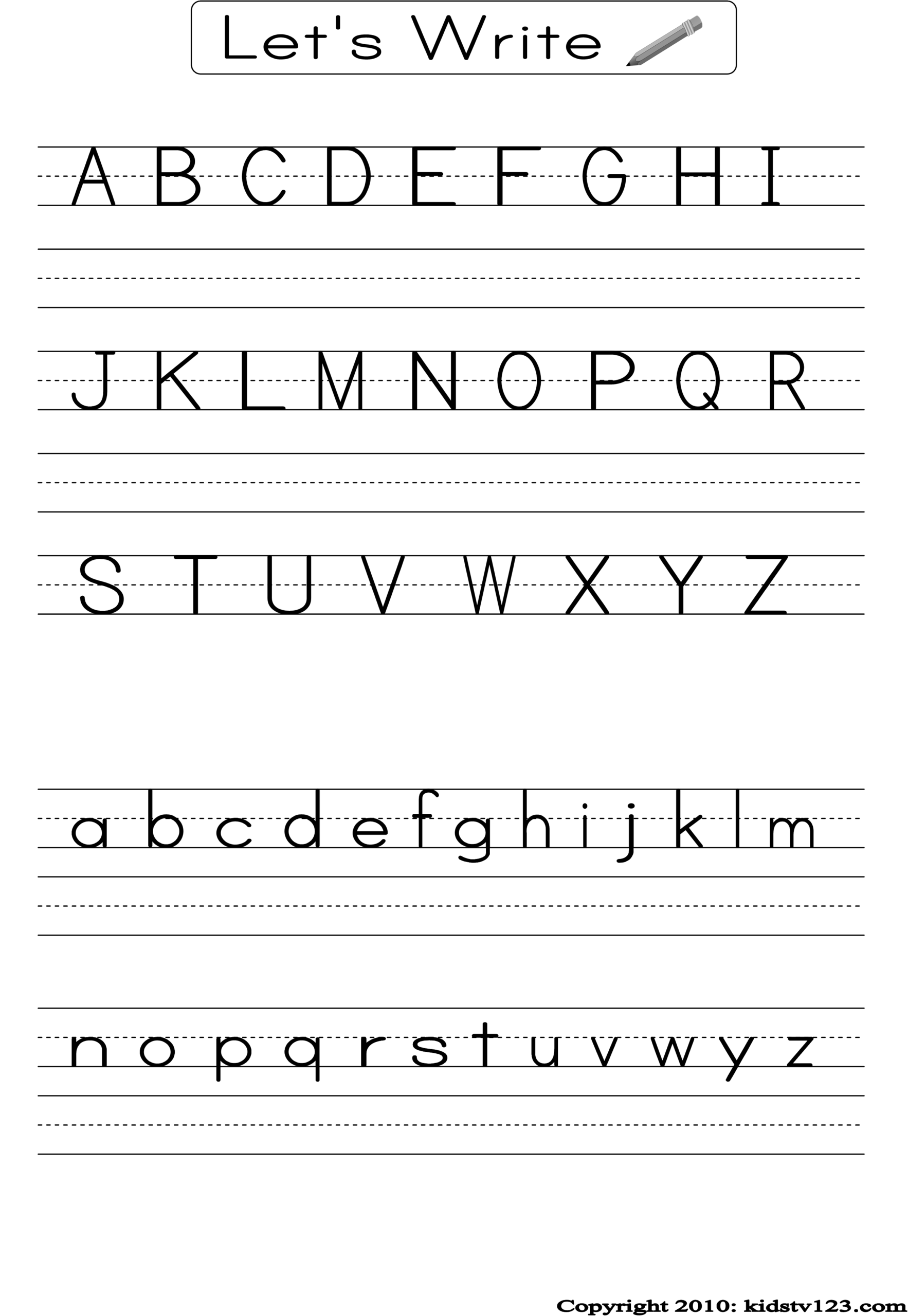
Alphabet Handwriting Pages typically feature a structured layout that guides young learners through the writing process. Each page usually contains an uppercase letter on the top half and a lowercase letter on the bottom half, allowing children to practice both forms. Often, these pages include dotted lines to help children learn proper letter formation.
The layout is intentional—by focusing on one letter at a time, children can concentrate on mastering the form before moving on to the next letter. This focused approach aids in retention and builds confidence.
For classroom use, consider printing these pages on heavier paper or cardstock. This not only makes the pages more durable but also allows for the use of various writing tools, such as crayons or markers.
Choosing the Right Alphabet Handwriting Pages
When selecting Alphabet Handwriting Pages for Kindergarten, it’s essential to consider various factors to ensure they meet your students’ needs.
- Letter Format: Ensure that the pages clearly show both uppercase and lowercase letters. This is crucial for children who are just beginning to understand the alphabet.
- Guidelines: Look for pages that incorporate guidelines or dotted lines. These visual aids help students understand where to start and stop their strokes.
- Design Elements: Some pages may include fun illustrations or themes related to the letters. For example, a page for the letter “A” might feature an apple. These elements can make writing more engaging for young learners.
You can find these pages in various formats online, such as PDF or printable versions, making them easy to download and use immediately.
Implementing Alphabet Handwriting Pages in the Classroom
Once you’ve selected the appropriate Alphabet Handwriting Pages, it’s time to implement them in your teaching routine. Here are some practical steps:
- Daily Practice: Incorporate these pages into your daily schedule. Set aside time each day for handwriting practice. Consistency is key in building muscle memory.
- Group Activities: Consider using these pages for group activities. For instance, you can have students work together to write out the alphabet, helping each other with letter formation.
- Individual Feedback: After students complete their handwriting pages, take the time to provide individual feedback. Highlight areas of improvement and encourage them to keep practicing.
By establishing a routine and providing feedback, you create a supportive environment that fosters learning and improvement.
Assessing Progress With Handwriting Pages
To effectively monitor your students’ progress, use the Alphabet Handwriting Pages as assessment tools. Here’s how:
- Before and After Samples: Have students complete a page at the beginning of the term and another at the end. This will help you visually assess their improvement over time.
- Check for Consistency: Look for consistency in letter size, formation, and spacing. These elements are critical as children develop their handwriting skills.
- Encourage Self-Assessment: Teach students to assess their own work. Ask them to identify letters they find challenging and encourage them to focus on those in their practice.
This approach not only helps you track progress but also encourages students to take ownership of their learning.
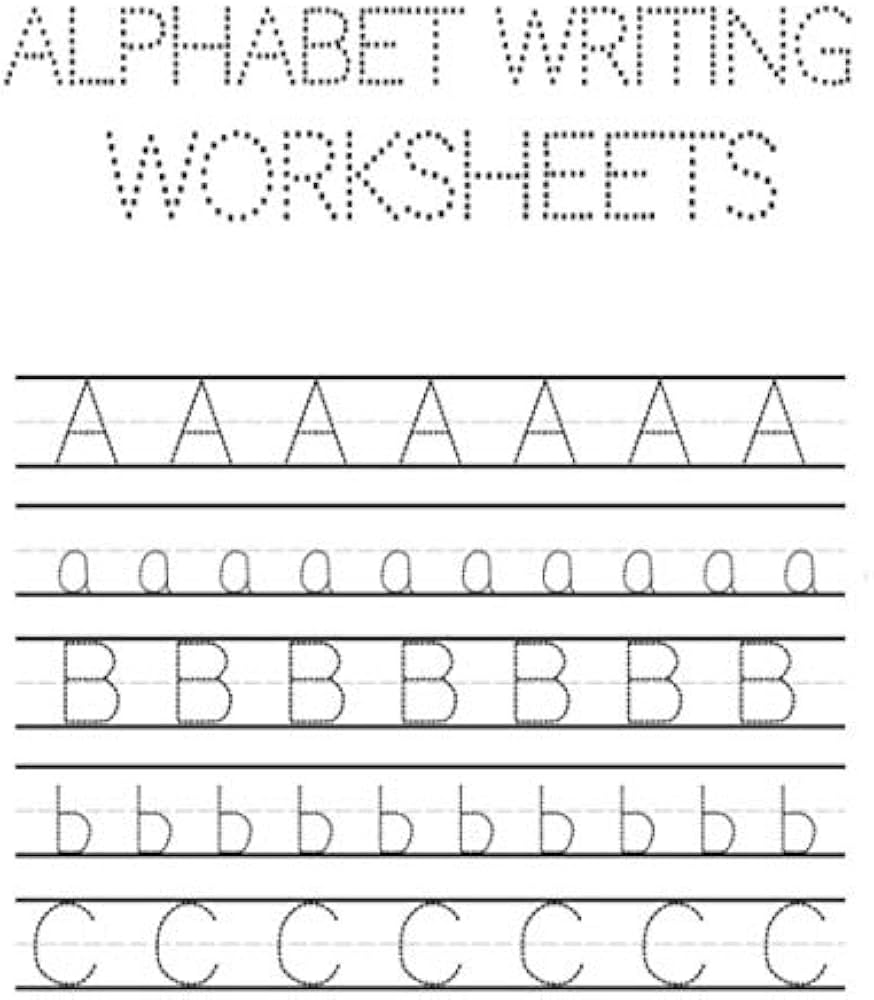
Customizing Alphabet Handwriting Pages
One of the great advantages of Alphabet Handwriting Pages is their adaptability. You can customize them to better suit your classroom or homeschooling environment.
- Add Visuals: For certain letters, consider adding pictures or words that start with that letter. For example, on the “B” page, you might include a picture of a ball or a bee. This visual association can aid memory retention.
- Create Themed Packs: Group letters into themes. For example, create a “Farm Animals” theme where students practice writing letters while learning about farm-related vocabulary.
- Vary Difficulty Levels: Adjust the complexity of the pages based on your students’ skill levels. For beginners, use simpler pages with large letters and more guidelines. For advanced learners, consider pages with fewer guidelines.
By customizing these pages, you ensure they remain relevant and engaging for your students.